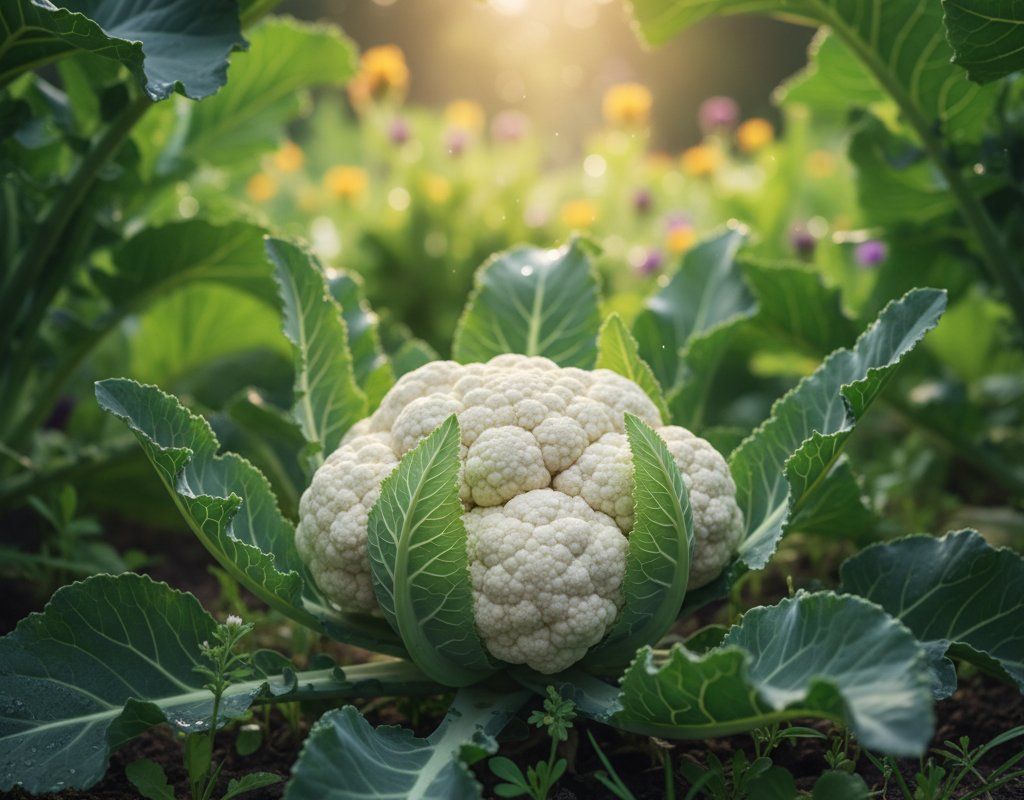
Cauliflower in Zone 8A — Southeast
Brassica oleracea var. botrytis · Your Complete 2026 Planting Guide
Time to Buy Starts!
Seed starting window passed, but starts are available now.
Buy Starts Now
Head to your local nursery, Home Depot, or farmers market for transplants.
- Look for stocky plants with dark green leaves
- Avoid leggy seedlings or plants already flowering
- Check that roots aren't circling the pot (rootbound)
How to Plant Cauliflower in Zone 8A — Southeast
Here are all your options for getting cauliflower in the ground, from the easiest method to more advanced approaches.
Start Seeds Indoors
RecommendedMid January through early February
around January 18
Then transplant: Early to late March
Start seeds 6-8 weeks before transplanting outdoors.
Cauliflower is fussy. Starting indoors gives you more control.
Buy Starts
Works WellEarly to late March
around March 1
Plant purchased starts after last frost (March 15).
Direct Sow Seeds
ChallengingDirect sowing is not typical for Cauliflower.
Transplant Outdoors
Timing InfoEarly to late March
around March 1
Can tolerate light frost, but wait for soil to be workable.
You have a nice window — no need to rush.
Fall Planting
Late August through late September
September 13 ideal · Transplant for fall harvest
Plant a second crop in mid-summer for fall harvest. Cauliflower actually prefers the cooling temperatures of fall.
Overview
Growing your own cauliflower in our hot and humid Southeast climate rewards you with dense, sweet heads that put grocery store versions to shame. The cool, crisp florets have a nutty flavor that's perfect for roasting until caramelized or tossing fresh into salads, and there's real satisfaction in nurturing these finicky plants through our unpredictable spring weather to harvest time.
While cauliflower has a reputation for being temperamental in our heat and humidity, proper timing makes all the difference. Our 245-day growing season gives you flexibility to start early and harvest before the brutal summer heat sets in, and with afternoon thunderstorms providing natural irrigation, you can grow beautiful heads if you work with our climate instead of fighting it.
Starting Seeds Indoors
Starting cauliflower seeds indoors is absolutely essential in the Southeast - this crop is too fussy about temperature and moisture to risk direct sowing in our unpredictable spring weather. Start your seeds from mid-January through early February, about 6 weeks before you plan to transplant outdoors in March.
Set up your seed trays in a warm spot (65-70°F) with good light - a south-facing window or grow lights work well. Plant seeds about ¼ inch deep in quality seed starting mix, and keep the soil consistently moist but not soggy. Bottom watering works beautifully for cauliflower seedlings since it prevents damping-off disease that thrives in our humid conditions.
Your seedlings should emerge within 7-10 days in our moderate spring temperatures. Once they develop their first true leaves, you can begin hardening them off for transplanting when the weather stabilizes in March.
Transplanting Outdoors
Plan to transplant your cauliflower seedlings outdoors from early to late March, depending on your specific microclimate and the year's weather patterns. This timing gets them established before our heat really kicks in, giving you the cool conditions cauliflower craves for proper head development.
Harden off your seedlings gradually over a full week before transplanting - start with 2-3 hours of morning sun and work up to full outdoor exposure. Our March weather can swing between pleasant and surprisingly warm, so this gradual transition prevents shock.
Space your transplants 18-24 inches apart in well-amended clay soil, and choose a spot with morning sun and some afternoon protection if possible. Plant them slightly deeper than they were in their containers to encourage strong root development in our often-compacted Southeast soils.
Watering Cauliflower in Zone 8A (Southeast)
Cauliflower is incredibly sensitive to watering stress, and inconsistent moisture will cause "buttoning" - those disappointing tiny heads that never develop properly. In our wet-summer climate, you might think watering isn't a concern, but spring can be surprisingly dry before our afternoon thunderstorms kick in.
Keep the soil evenly moist but never waterlogged - aim for about 1-1.5 inches per week, including rainfall. Use the finger test: stick your finger 2 inches into the soil near the base of the plant, and if it feels dry, it's time to water. Our clay soil holds moisture well once established, but it can also become compacted and shed water if it gets too dry.
Water at the base of the plants rather than overhead to reduce disease pressure in our humid conditions. Our regular afternoon thunderstorms later in the growing season help maintain consistent moisture, but you'll need to supplement during dry spells, especially in April and early May.
Mulch around your plants with 2-3 inches of organic matter to retain moisture and keep roots cool as temperatures climb. Signs of water stress include wilting during the heat of the day (even with adequate soil moisture) and premature bolting when plants get desperate.
🧪Fertilizing Cauliflower
Feeding Schedule
Organic Fertilizer Options
Harvest Time
Your first cauliflower heads should be ready from early May through late June, about 70 days after transplanting. You'll know they're ready when the heads are white, firm, and compact - typically 6-8 inches across - but harvest before the individual curds start to separate or show any yellowing.
Cut the entire head with a sharp knife, leaving about an inch of stem attached. Take the whole plant since cauliflower doesn't produce side shoots like broccoli - once you harvest the main head, that plant is finished for the season.
Check your plants daily once heads start forming because they can go from perfect to overripe quickly in our warming spring weather. The heads should feel dense and heavy, with tightly packed curds that haven't started to loosen or flower.
As we approach our hot summer months, any remaining small heads are unlikely to develop properly, so harvest what you have and clear the space for heat-loving crops. Unlike some vegetables, cauliflower won't continue ripening once cut, so timing is everything.
Common Problems in Zone 8A (Southeast)
Buttoning shows up as tiny, premature heads (1-2 inches) that never develop into full-sized cauliflower. You'll see small, tight curds forming when the plant is still young and small. This happens when cauliflower gets stressed by inconsistent watering, temperature swings, or being transplanted too late into warming weather. Prevent buttoning by maintaining consistent soil moisture, transplanting on schedule in March, and choosing varieties suited to our climate.
Cabbage worms appear as smooth green caterpillars munching irregular holes in your cauliflower leaves, leaving behind dark green droppings. You'll often see white butterflies hovering around your plants - they're laying eggs that hatch into these hungry larvae. In our warm climate, you'll deal with multiple generations per season. Combat cabbage worms with Bt spray (very effective and organic), floating row covers to prevent egg-laying, and hand-picking when you spot them. Interplanting with aromatic herbs like thyme and sage helps deter the adult butterflies.
Heat stress causes cauliflower to bolt prematurely, sending up flower stalks instead of forming heads, or producing loose, ricey heads instead of tight curds. Plants may also wilt during the hottest part of the day even with adequate moisture. Our Southeast heat arrives earlier than many gardeners expect, making timing crucial. Prevent heat stress by transplanting early in March, providing afternoon shade during the hottest months, and choosing heat-tolerant varieties bred for Southern gardens.
Our hot and humid Southeast summers create additional challenges for cauliflower, including increased fungal disease pressure and faster pest reproduction cycles. The key to success is working with our climate by starting early and harvesting before the real heat arrives - trying to push cauliflower through our summer heat is usually a losing battle.
Best Companions for Cauliflower
Plant these nearby for healthier Cauliflower and better harvests.

Keep Away From
Companion Planting Details
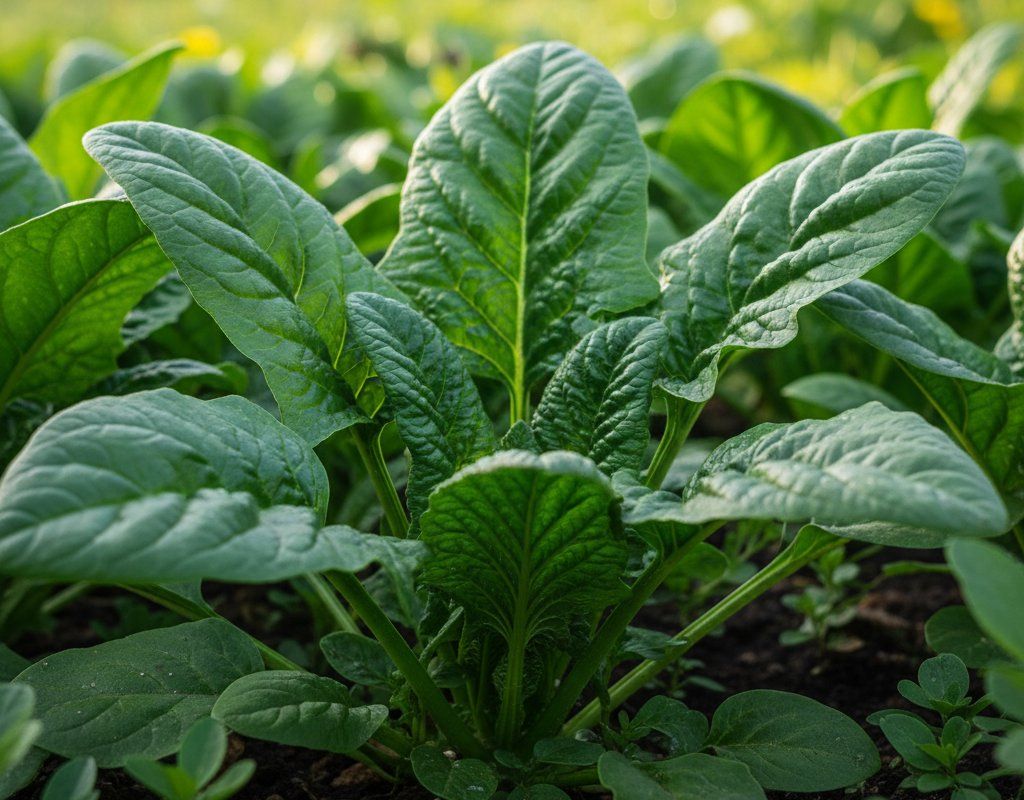
Plant cauliflower with beets and spinach - these cool-season crops thrive in similar conditions and won't compete for space since they'll be harvested around the same time. Onions make excellent companions because their strong scent helps deter cabbage worms and other brassica pests that multiply quickly in our warm, humid conditions. Celery works well nearby since it appreciates the same consistent moisture and can provide a bit of afternoon shade as your cauliflower heads develop.
Avoid planting cauliflower near tomatoes, peppers, or strawberries - these crops have different water and nutrient needs, and tomatoes and peppers actually prefer the heat that will stress your cauliflower. Strawberries can harbor similar pests, and their spreading habit may interfere with the air circulation your cauliflower needs to prevent fungal issues in our humid Southeast climate.
🌸Best Flowers to Plant with Cauliflower
These flowers protect your Cauliflower from pests and attract pollinators for better harvests.




Get a Reminder When It's Time to Plant
We'll email you when key planting windows open for your zone.