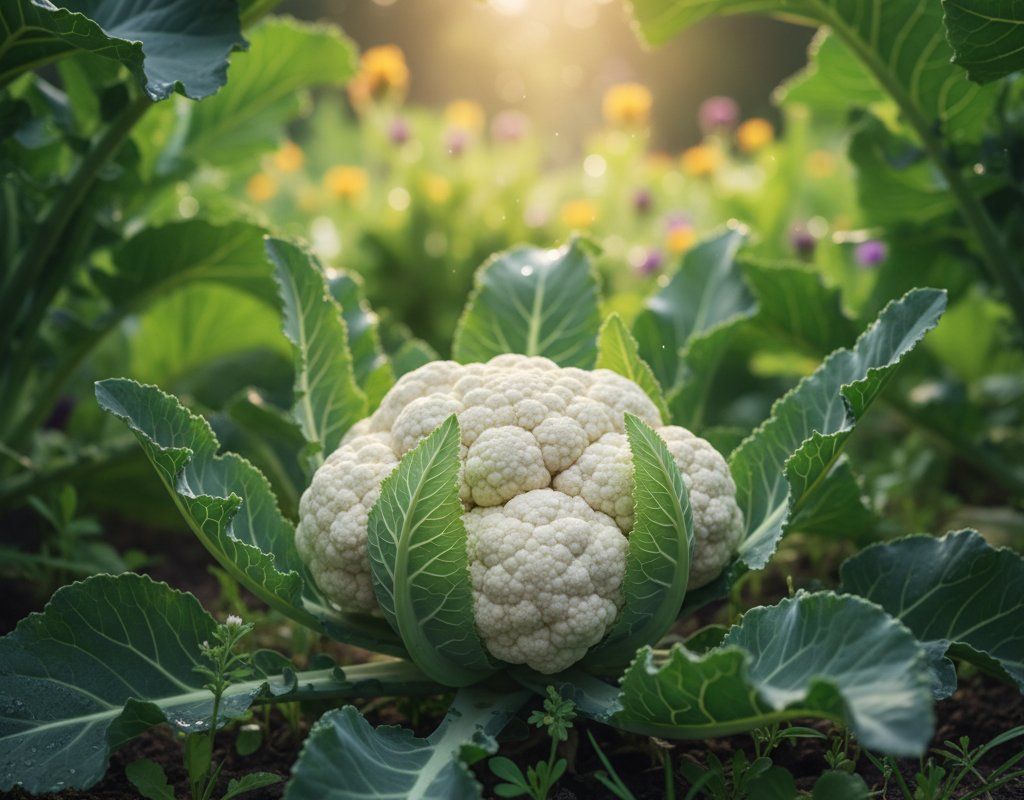
Cauliflower in Zone 8A — Texas
Brassica oleracea var. botrytis · Your Complete 2026 Planting Guide
Time to Buy Starts!
Seed starting window passed, but starts are available now.
Buy Starts Now
Head to your local nursery, Home Depot, or farmers market for transplants.
- Look for stocky plants with dark green leaves
- Avoid leggy seedlings or plants already flowering
- Check that roots aren't circling the pot (rootbound)
How to Plant Cauliflower in Zone 8A — Texas
Here are all your options for getting cauliflower in the ground, from the easiest method to more advanced approaches.
Start Seeds Indoors
RecommendedEarly to late January
around January 8
Then transplant: Mid February through mid March
Start seeds 6-8 weeks before transplanting outdoors.
Cauliflower is fussy. Starting indoors gives you more control.
Buy Starts
Works WellMid February through mid March
around February 19
Plant purchased starts after last frost (March 5).
Direct Sow Seeds
ChallengingDirect sowing is not typical for Cauliflower.
Transplant Outdoors
Timing InfoMid February through mid March
around February 19
Can tolerate light frost, but wait for soil to be workable.
You have a nice window — no need to rush.
Fall Planting
Early September through early October
September 18 ideal · Transplant for fall harvest
Plant a second crop in mid-summer for fall harvest. Cauliflower actually prefers the cooling temperatures of fall.
Overview
Growing cauliflower in Zone 8A Texas gives you access to one of the most versatile vegetables in the garden—perfect for roasting, ricing, or making that creamy cauliflower mash that rivals any potato dish. The cool-weather crop thrives in our mild winters and early spring, producing those beautiful white heads that taste infinitely better than anything you'll find in the store. With our long 260-day growing season, you can time plantings to harvest before the brutal Texas heat arrives.
Sure, cauliflower has a reputation for being fussy, and our unpredictable weather doesn't make things easier. But start your seeds indoors during our mild winter months, and you'll have sturdy transplants ready to take advantage of that sweet spot between our last freeze and the arrival of summer's punishing temperatures.
Starting Seeds Indoors
Start your cauliflower seeds indoors from early to late January—about 6 weeks before you plan to transplant them outside. This timing gives you transplants ready for our early spring planting window while keeping those sensitive seedlings protected from Texas weather swings.
Set up seed trays with a quality seed-starting mix and keep them at 60-70°F for best germination. A heat mat helps maintain consistent soil temperature during those cooler January nights. Once seedlings emerge, they need bright light—either a sunny south window or grow lights positioned 3-4 inches above the plants.
Bottom watering works best for cauliflower seedlings since they're prone to damping off. Place trays in a shallow pan of water and let the soil absorb moisture from below. This method keeps the surface drier while ensuring roots get adequate moisture. Your seedlings will be ready to harden off by mid-February when our spring weather starts showing up.
Transplanting Outdoors
Transplant your cauliflower seedlings outdoors from mid-February through mid-March, timing it for after our last hard freeze but before temperatures start climbing into the 80s regularly. These cool-season plants need to establish and form heads before Texas heat kicks in.
Harden off seedlings for a full week before transplanting—start with an hour outside in filtered light, gradually increasing exposure time and intensity. Our February weather can swing from 30°F to 75°F in the same week, so this gradual process prevents shock.
Space plants 18-24 inches apart in well-amended soil. Cauliflower needs room for those large outer leaves that protect the developing head. Plant on a cloudy day if possible, and water immediately after transplanting. A temporary shade cloth helps during those unexpected warm spells that pop up in March.
Watering Cauliflower in Zone 8A (Texas)
Cauliflower demands consistent moisture more than almost any other vegetable—irregular watering causes "buttoning," where plants form tiny, useless heads instead of full-sized ones. In our unpredictable Texas climate where rainfall swings from drought to flash flood, you'll need to stay on top of irrigation.
Check soil moisture daily using the finger test—stick your finger 2 inches deep into the soil near the plant. The soil should feel like a wrung-out sponge, moist but not soggy. During our variable spring weather, this might mean watering every other day when it's warm and dry, or skipping several days after a good rain.
Aim for about 1-1.5 inches of water per week, applied slowly at the base of plants. Drip irrigation or soaker hoses work better than overhead sprinklers, especially as humidity builds toward summer. Overhead watering can promote disease issues, and our variable humidity makes this especially problematic.
Mulch around plants with 2-3 inches of shredded leaves or straw to help maintain consistent soil moisture. This becomes critical as temperatures climb—mulch keeps roots cooler and reduces the stress that leads to poor head formation. Signs of underwatering include wilting outer leaves and stunted growth, while overwatering shows up as yellowing leaves and weak stems.
🧪Fertilizing Cauliflower
Feeding Schedule
Organic Fertilizer Options
Harvest Time
Your first cauliflower heads will be ready from late April through mid-June, about 70 days from transplanting. The timing depends on when you got plants in the ground and how the spring weather cooperated—cooler springs extend the harvest window while early heat waves speed things up.
Harvest when heads reach 6-8 inches across and feel firm and compact. The curds should be bright white and tightly packed together. Once you see individual curds starting to separate or any yellowing, you've waited too long. Cut the entire head at the base with a sharp knife, leaving the outer leaves intact.
Unlike some vegetables, cauliflower won't continue producing after you harvest the main head, and it doesn't ripen off the plant. You get one shot per plant, so timing matters. Check plants daily once heads start forming because they can go from perfect to over-mature quickly, especially as temperatures rise.
As our first frost approaches in mid-November, any remaining small heads likely won't have time to mature. Focus your fall garden efforts on quicker-maturing cool-season crops that can handle our extended growing season better.
Common Problems in Zone 8A (Texas)
Buttoning shows up as tiny, premature heads the size of golf balls instead of full-sized cauliflower. Plants look healthy but produce these useless mini-heads that never develop further. This happens when plants experience stress during their critical growth phase—usually from inconsistent watering, temperature swings, or being transplanted too late in spring. Prevent buttoning by maintaining consistent soil moisture and getting plants established early before Texas heat arrives.
Cabbage worms appear as smooth green caterpillars munching irregular holes in leaves, leaving dark green droppings behind. You'll notice white butterflies fluttering around your plants—they're laying eggs that hatch into these destructive larvae. Multiple generations per season make them especially problematic in our long growing season. Spray with Bt (Bacillus thuringiensis) which targets caterpillars specifically, or use floating row covers to prevent egg-laying. Hand-picking works for light infestations, and interplanting with aromatic herbs like thyme or sage helps deter the adult butterflies.
Heat stress causes leaves to wilt during the day even with adequate water, and heads may develop a loose, ricey texture instead of tight curds. Plants may bolt to seed prematurely when temperatures consistently hit the 80s. This is why timing is everything in Texas—you need those heads forming during our mild spring weather, not when summer heat kicks in. Plant early, provide afternoon shade during warm spells, and ensure consistent moisture to help plants cope.
Texas Specific Challenges: Our hot-to-extreme summer heat and unpredictable rainfall patterns make cauliflower one of the more challenging vegetables to grow successfully. The variable humidity can promote disease issues, while our tendency toward weather extremes—from late freezes to sudden heat waves—stresses plants right when they need stability most.
Best Companions for Cauliflower
Plant these nearby for healthier Cauliflower and better harvests.


Keep Away From
Companion Planting Details
Plant cauliflower with beets, celery, onions, and spinach for a productive cool-season bed. Beets and spinach mature quickly and can be harvested before they compete with cauliflower's space needs, while onions help deter cabbage worms and other pests. Celery appreciates the same consistent moisture that cauliflower requires, making irrigation simpler.
Avoid planting near tomatoes, peppers, or strawberries. These warm-season crops have different watering and nutrient needs, and tomatoes can shade out cauliflower as they grow larger. In our Texas climate where space planning matters for managing heat stress, keeping cool and warm-season crops separated makes garden management much easier as temperatures shift throughout our long growing season.
🌸Best Flowers to Plant with Cauliflower
These flowers protect your Cauliflower from pests and attract pollinators for better harvests.




Get a Reminder When It's Time to Plant
We'll email you when key planting windows open for your zone.