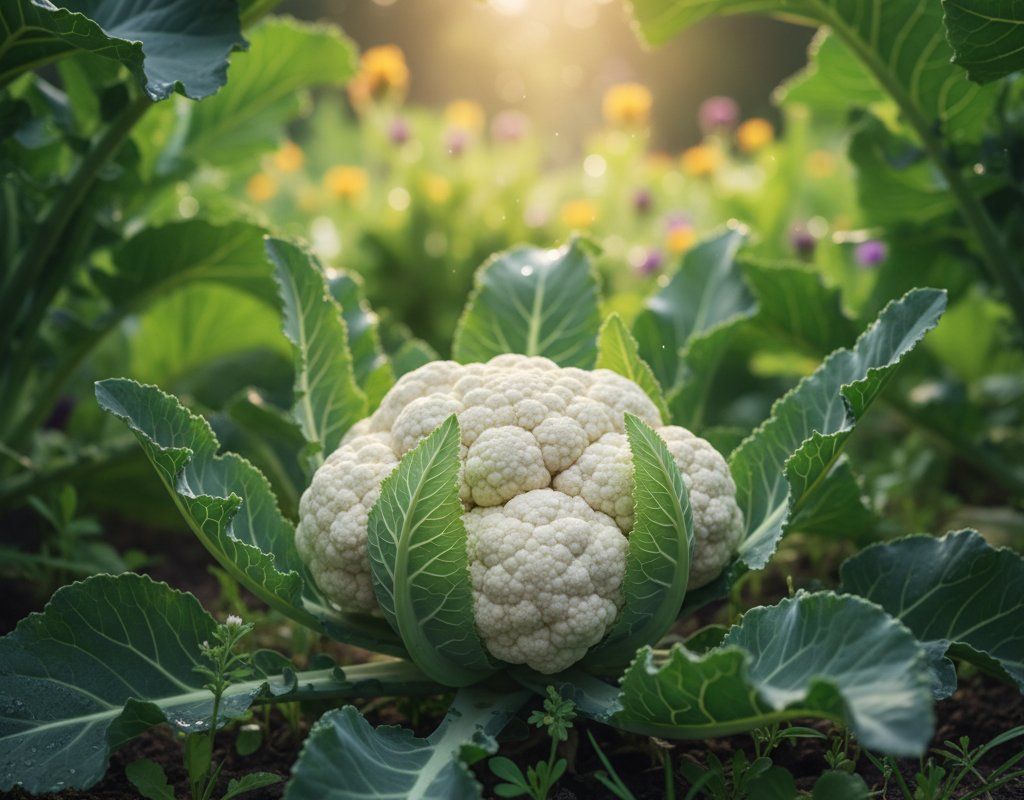
Cauliflower in Zone 8B — Southern California
Brassica oleracea var. botrytis · Your Complete 2026 Planting Guide
Check Planting Details Below
See the full planting guide for timing information.
How to Plant Cauliflower in Zone 8B — Southern California
Here are all your options for getting cauliflower in the ground, from the easiest method to more advanced approaches.
Start Seeds Indoors
RecommendedMid December through early January
around December 21
Then transplant: Early February through early March
Start seeds 6-8 weeks before transplanting outdoors.
Cauliflower is fussy. Starting indoors gives you more control.
Buy Starts
Works WellEarly February through early March
around February 1
Plant purchased starts after last frost (February 15).
Direct Sow Seeds
ChallengingDirect sowing is not typical for Cauliflower.
Transplant Outdoors
Timing InfoEarly February through early March
around February 1
Can tolerate light frost, but wait for soil to be workable.
You have a nice window — no need to rush.
Fall Planting
Late September through late October
October 8 ideal · Transplant for fall harvest
Plant a second crop in mid-summer for fall harvest. Cauliflower actually prefers the cooling temperatures of fall.
Overview
Growing cauliflower in Southern California's Zone 8B gives you access to incredibly sweet, dense heads that put grocery store varieties to shame. Our mild winters and year-round growing season mean you can harvest fresh cauliflower when it's most expensive at the market, and the flavor of homegrown heads—whether roasted whole, riced, or turned into soup—is incomparably nutty and complex compared to shipped produce.
While our hot summers and occasional water restrictions can challenge cool-season crops like cauliflower, smart timing makes all the difference. Plant during our cooler months when temperatures stay moderate, and you'll tap into that amazing 298-day growing season that makes Southern California gardening so rewarding. The key is working with our climate patterns rather than fighting them.
Starting Seeds Indoors
Starting cauliflower seeds indoors from mid-December through early January gives you the best shot at success in Southern California. Cauliflower is notoriously fussy about temperature swings and stress, so the controlled environment indoors lets you baby these seeds through their critical early weeks before our very early spring kicks in.
Set up seed trays in a warm spot (65-70°F works well) with good light—a south-facing window or grow lights both work. Plant seeds about ¼ inch deep in quality seed-starting mix. Bottom watering is your friend here—place trays in shallow water and let the soil soak up moisture from below to avoid disturbing delicate seedlings.
You'll see germination in 5-10 days, and by early February your seedlings should be sturdy enough for transplanting. This indoor start timing perfectly aligns with our mild winter weather patterns, giving you strong plants ready to take advantage of Southern California's gentle spring temperatures.
Transplanting Outdoors
Transplant your cauliflower seedlings outdoors from early February through early March, when daytime temperatures stay consistently in the 60s-70s. This timing catches our sweet spot before inland summer heat arrives but after the worst of winter's occasional cold snaps.
Hardening off is crucial—spend a full week gradually introducing seedlings to outdoor conditions. Start with just an hour of morning sun, then increase exposure daily. Our Santa Ana winds can shock tender transplants, so choose calm days for the transition and provide some protection if winds pick up.
Space plants 18-24 inches apart to give them room to develop those large heads. Plant them at the same depth they were in their containers, and water thoroughly after transplanting. The cooler February-March weather in Southern California gives transplants time to establish strong root systems before any heat stress kicks in.
Watering Cauliflower in Zone 8B (Southern California)
Cauliflower demands consistent moisture—it's one of the thirstiest vegetables you'll grow in Southern California. Unlike our many drought-tolerant options, cauliflower will "button" (form tiny, useless heads) if it experiences even brief dry spells. Think of it as the opposite of Mediterranean herbs when it comes to water needs.
During our mild winter growing season, aim for about 1-1.5 inches of water per week, adjusting based on rainfall. Use the finger test—stick your finger 2 inches into the soil, and if it's dry, it's time to water. Water at soil level rather than overhead to avoid fungal issues, especially during our occasionally humid winter periods.
As spring temperatures climb toward summer, you may need to water every other day, especially if you're gardening inland where heat builds faster. Morning watering works best in our low-to-moderate humidity—it gives plants time to dry before evening and reduces disease pressure. A 2-3 inch layer of mulch helps retain moisture and keeps roots cool.
Watch for stress signs: wilting during the heat of the day (even with moist soil) suggests you need more frequent watering, while yellowing lower leaves often indicates overwatering in our clay-heavy soils. Getting this balance right is critical for Southern California cauliflower success.
🧪Fertilizing Cauliflower
Feeding Schedule
Organic Fertilizer Options
Harvest Time
Your first cauliflower heads will be ready from mid-April through late May, about 70 days after transplanting. You'll know they're perfect when the heads are white, firm, and compact—typically 6-8 inches across. The individual florets (called curds) should be tightly packed with no separation or yellowing starting to show.
Cut the entire head at the base with a sharp knife, leaving the root system intact. Unlike some vegetables, cauliflower heads don't continue to develop once cut, and they won't ripen further off the plant. The window between perfect maturity and overmature is narrow—maybe a week in Southern California's spring warmth.
After cutting the main head, most plants won't produce secondary heads worth harvesting, though you might get small side shoots that work well in stir-fries. As first frost approaches in early December (if you're doing a fall planting), harvest any remaining heads regardless of size—they won't survive freezing temperatures.
The beauty of our long growing season is that you can succession plant for extended harvests, but each individual plant gives you one spectacular head rather than continuous production like tomatoes or peppers.
Common Problems in Zone 8B (Southern California)
Buttoning Small, premature heads (1-2 inches) instead of full-sized cauliflower indicate buttoning stress. You'll see tight little buttons forming when plants are still small, and they won't develop further. This happens when plants experience temperature stress, drought, or root disturbance during critical early growth. In Southern California, buttoning often occurs when late-winter warm spells trick plants into heading before they're mature enough, or when inconsistent watering stresses them during our dry periods between winter rains.
Cabbage Worms Smooth green caterpillars chewing irregular holes in leaves, with dark green droppings scattered around plants. You'll spot white butterflies fluttering around your brassicas—these are laying eggs that hatch into hungry cabbage worms. Our mild Southern California winters allow multiple generations per year, making this an ongoing challenge. Bt (Bacillus thuringiensis) spray works excellently and is organic-approved. Floating row covers prevent egg-laying, or handpick caterpillars in early morning. Interplanting with aromatic herbs like thyme and sage helps deter the adult butterflies.
Heat Stress Leaves wilting during midday even with adequate soil moisture, and heads developing a ricey texture instead of smooth curds. Purple or yellow discoloration appears on the white heads. Our inland summer heat can spike unexpectedly, even during the cooler growing season, causing this stress. Once heat stress occurs, heads rarely recover their quality. Shade cloth (30-40%) during unexpected warm spells helps, and ensuring deep, consistent soil moisture keeps roots cool.
Southern California Specific Challenges: Our combination of periodic winter warmth, low-to-moderate humidity, and intense spring sun creates unique pressures for cauliflower. The unpredictability of our weather patterns—from Santa Ana wind events to surprise heat waves—means you need to be more flexible with protection and watering than gardeners in steadier climates.
Best Companions for Cauliflower
Plant these nearby for healthier Cauliflower and better harvests.


Keep Away From
Companion Planting Details
Plant cauliflower with beets and spinach, which have similar water needs and won't compete aggressively for space or nutrients. Celery makes an excellent companion since it also appreciates consistent moisture and provides a natural windbreak for cauliflower's broad leaves. Onions planted around the perimeter help deter cabbage moths and other pests while their shallow roots don't interfere with cauliflower's deeper root system.
Avoid planting tomatoes, peppers, or strawberries near your cauliflower. These heat-loving plants have opposite water and temperature preferences, making it impossible to manage both successfully. Tomatoes and peppers also attract different pest complexes that can spread to brassicas, while strawberries' low-growing habit can harbor slugs that will move up to munch on your cauliflower leaves. In Southern California's water-conscious environment, grouping plants with similar irrigation needs makes much more sense than mixed plantings with conflicting requirements.
🌸Best Flowers to Plant with Cauliflower
These flowers protect your Cauliflower from pests and attract pollinators for better harvests.




Get a Reminder When It's Time to Plant
We'll email you when key planting windows open for your zone.