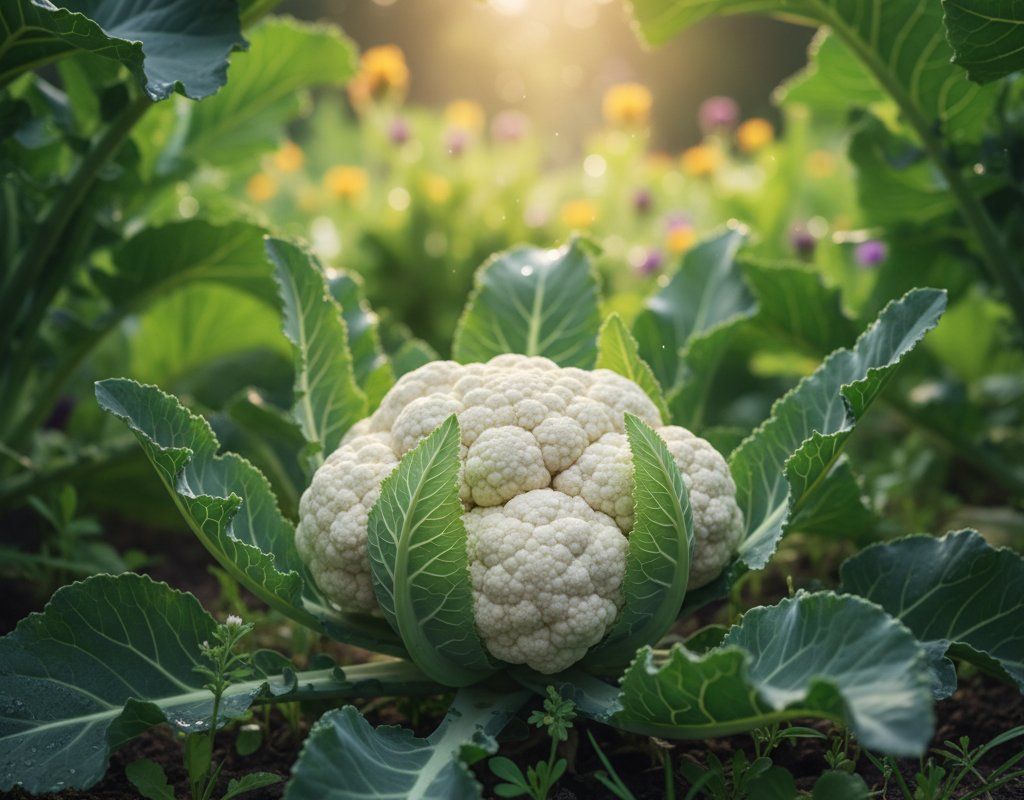
Cauliflower in Zone 9A — Southern California
Brassica oleracea var. botrytis · Your Complete 2026 Planting Guide
Check Planting Details Below
See the full planting guide for timing information.
How to Plant Cauliflower in Zone 9A — Southern California
Here are all your options for getting cauliflower in the ground, from the easiest method to more advanced approaches.
Start Seeds Indoors
RecommendedLate November through late December
around December 7
Then transplant: Mid January through mid February
Start seeds 6-8 weeks before transplanting outdoors.
Cauliflower is fussy. Starting indoors gives you more control.
Buy Starts
Works WellMid January through mid February
around January 18
Plant purchased starts after last frost (February 1).
Direct Sow Seeds
ChallengingDirect sowing is not typical for Cauliflower.
Transplant Outdoors
Timing InfoMid January through mid February
around January 18
Can tolerate light frost, but wait for soil to be workable.
You have a nice window — no need to rush.
Fall Planting
Early October through early November
October 18 ideal · Transplant for fall harvest
Plant a second crop in mid-summer for fall harvest. Cauliflower actually prefers the cooling temperatures of fall.
Overview
Cauliflower thrives in our Southern California winters, producing dense, creamy white heads that taste worlds better than anything from the store. Our mild winters and long growing season let you harvest fresh cauliflower from late March through mid-May, perfect timing when other regions are still dealing with snow. The heads develop slowly in cool weather, building complex flavors you just can't get from supermarket varieties.
Our hot, dry summers make cauliflower challenging during peak heat, but our 322-day growing season gives you plenty of flexibility to time plantings perfectly. By starting seeds indoors during late fall and transplanting in winter, you'll sidestep the summer heat that stresses this cool-season crop. The key is working with our climate patterns rather than fighting them.
Starting Seeds Indoors
Start your cauliflower seeds indoors from late November through late December, about six weeks before you plan to transplant. This timing puts seedlings outdoors during our coolest months when they'll establish without heat stress. Indoor starting is essential in Southern California since cauliflower is notoriously fussy about temperature swings and our early spring can warm up quickly.
Set up seed trays with quality potting mix and place them in a warm spot around 65-70°F. A heat mat helps with germination, but remove it once seedlings emerge. Provide bright light from a south-facing window or grow lights for 12-14 hours daily. Bottom watering works best - set trays in shallow water and let the soil absorb moisture from below.
Keep seedlings consistently moist but not soggy, and maintain temperatures between 60-65°F once they're up. Strong, stocky seedlings are crucial since stressed transplants often bolt or form tiny heads later. Our very early spring character means you'll want robust plants ready to handle temperature fluctuations.
Transplanting Outdoors
Transplant your cauliflower seedlings outdoors from mid-January through mid-February when they have 4-5 true leaves. This timing takes advantage of our mild winter temperatures while avoiding late spring heat that can cause premature bolting. Harden off seedlings gradually over a week, starting with a few hours outside and increasing daily exposure.
Space plants 18-24 inches apart in rich, well-draining soil amended with compost. The wide spacing is crucial since crowded plants compete for nutrients and often form small heads. Choose a spot with morning sun and some afternoon protection if you're inland where temperatures spike higher. Our winter sun is gentle enough that even "full sun" plants appreciate some relief during those occasional warm spells.
Plant on a calm day since our winter can bring sudden wind events that stress newly transplanted seedlings. Water deeply after transplanting and consider temporary shade cloth for the first few days if temperatures unexpectedly climb above 75°F.
Watering Cauliflower in Zone 9A (Southern California)
Cauliflower demands consistent moisture throughout its growing cycle, making it one of the thirstier vegetables in your winter garden. Unlike drought-tolerant crops that thrive in our semi-arid climate, cauliflower will form tiny, bitter heads if water-stressed even briefly. This is called "buttoning" and it ruins your harvest.
During our winter growing season, aim for about 1-1.5 inches of water per week, adjusting based on rainfall. Our 10-20 inches of annual precipitation helps, but it's often irregular, so you'll need to supplement. Check soil moisture by sticking your finger 2 inches deep - if it's dry, water deeply at the base of plants. Morning watering is ideal since our low-to-moderate humidity means leaves dry quickly, reducing disease risk.
As spring arrives and temperatures climb toward summer, increase watering frequency but maintain the same weekly total. Mulch around plants with 2-3 inches of compost or shredded leaves to conserve moisture - especially important if water restrictions kick in during dry years. Watch for yellowing lower leaves (underwatering) or soft, mushy stems (overwatering).
During Santa Ana wind events, check soil daily since the hot, dry winds can quickly stress plants. A soaker hose or drip irrigation works better than overhead sprinklers in our climate, conserving water while keeping roots consistently moist.
🧪Fertilizing Cauliflower
Feeding Schedule
Organic Fertilizer Options
Harvest Time
Your first cauliflower heads will be ready from late March through mid-May, about 70 days after transplanting. Look for compact, white heads that measure 6-8 inches across with tight, fine curds that look almost like white coral. The head should feel firm and heavy, with no yellowing or purple tinges starting to show.
Cut heads at the base with a sharp knife, leaving the outer leaves intact. Unlike broccoli, cauliflower won't produce side shoots, so each plant gives you one main harvest. Morning is the best time to cut heads when they're crisp and cool from our mild nights. If heads start showing loose, separating curds or yellowing edges, harvest immediately even if they're smaller than ideal.
Since cauliflower won't ripen further once cut, timing is everything. Check plants daily once heads start forming since they can go from perfect to overripe quickly during warm spring weather. Our mild December first frost date means you usually won't need to worry about frost protection, but heads can handle light frost anyway.
Store harvested heads in the refrigerator for up to a week, or blanch and freeze for longer storage. The flavor is sweetest right after harvest, so plan meals around your harvest timing rather than trying to store heads for weeks.
Common Problems in Zone 9A (Southern California)
Buttoning (Premature Small Heads) What it looks like: Tiny cauliflower heads form when plants are still small, often just 2-3 inches across instead of the expected 6-8 inches. The heads may also be loose and grainy rather than tight and smooth. What causes it: Stress from inconsistent watering, temperature swings, or transplant shock. Our variable winter weather can trigger this if plants experience drought followed by heavy watering, or if warm spells are followed by cool snaps. How to fix/prevent it: Maintain consistent soil moisture and use mulch to buffer temperature swings. Choose transplant timing carefully - avoid planting during Santa Ana wind periods or unusual warm spells. Once buttoning occurs, there's no fix, so prevention is key.
Cabbage Worms What it looks like: Irregular holes chewed in leaves, particularly affecting the outer wrapper leaves. You'll see smooth green caterpillars on plants and dark green droppings scattered around. White butterflies hovering around your brassicas are a telltale sign. What causes it: Larvae of white cabbage butterflies that are active year-round in our mild climate. Multiple generations per season mean constant pressure, especially during our long warm periods. How to fix/prevent it: Bt (Bacillus thuringiensis) spray is highly effective against young caterpillars. Apply weekly during active infestations. Floating row covers prevent egg-laying but need removal for air circulation during hot spells. Handpick larger caterpillars and encourage beneficial insects by interplanting with thyme or sage.
Heat Stress What it looks like: Plants bolt prematurely, sending up flower stalks instead of forming heads. Leaves may wilt during afternoon heat even with adequate moisture, and heads that do form are often loose and bitter. What causes it: Our inland summer heat and occasional warm winter spells stress this cool-season crop. Temperatures above 80°F for extended periods trigger bolting responses. How to fix/prevent it: Time plantings to avoid late spring heat, and consider afternoon shade cloth inland. Deep watering during heat waves helps, but prevention through proper timing is more effective than trying to cool stressed plants.
Southern California Specific Challenges: Our hot, dry climate and unpredictable rainfall patterns make cauliflower more challenging than in naturally cool, moist regions. Water restrictions during drought years can stress plants just when they need consistent moisture most. Plan for supplemental irrigation and choose your most protected, coolest garden spots for best success.
Best Companions for Cauliflower
Plant these nearby for healthier Cauliflower and better harvests.


Keep Away From
Companion Planting Details
Plant cauliflower alongside beets and spinach, which have similar water needs and won't compete aggressively for nutrients. Onions make excellent companions since their strong scent helps deter cabbage worms and aphids - especially valuable during our long growing season when pest pressure can build up. Celery works well too, appreciating the same rich, consistently moist soil that cauliflower demands.
Avoid planting near tomatoes, peppers, or strawberries since these crops have very different water and nutrient requirements. Tomatoes and peppers prefer drier conditions once established, while cauliflower needs consistent moisture. The heavy feeders like tomatoes will also outcompete cauliflower for nutrients, leading to smaller heads and poor development in our nutrient-hungry clay soils.
🌸Best Flowers to Plant with Cauliflower
These flowers protect your Cauliflower from pests and attract pollinators for better harvests.




Get a Reminder When It's Time to Plant
We'll email you when key planting windows open for your zone.