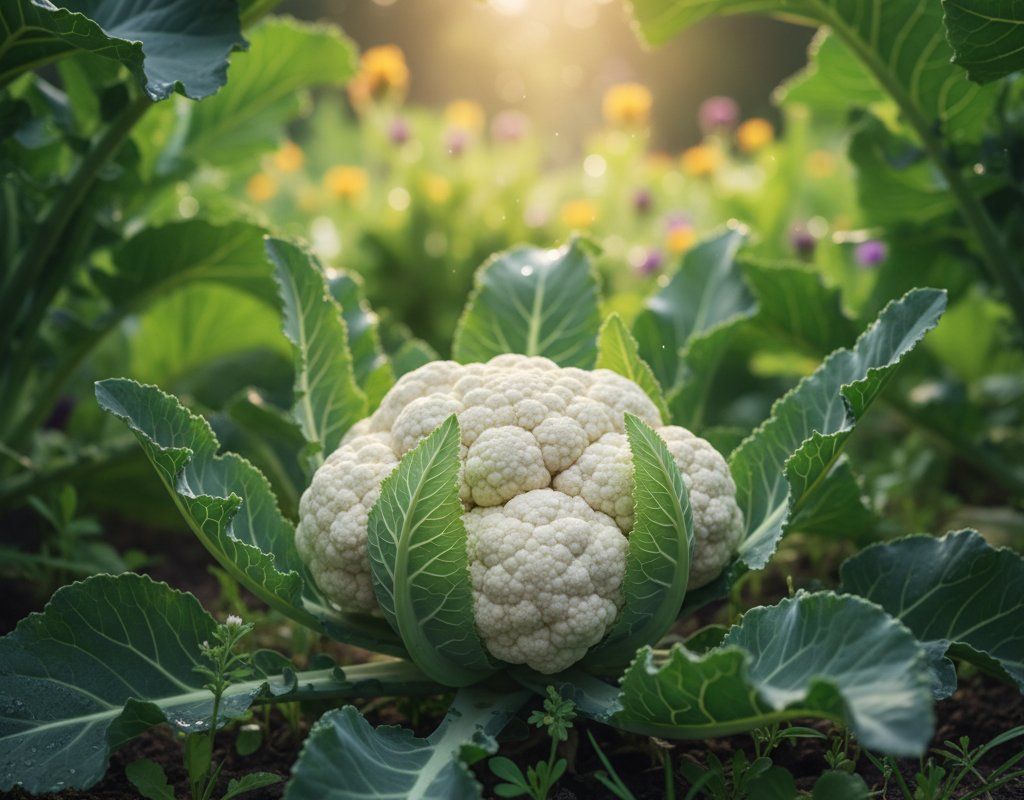
Cauliflower in Zone 9B — Texas
Brassica oleracea var. botrytis · Your Complete 2026 Planting Guide
Check Planting Details Below
See the full planting guide for timing information.
How to Plant Cauliflower in Zone 9B — Texas
Here are all your options for getting cauliflower in the ground, from the easiest method to more advanced approaches.
Start Seeds Indoors
RecommendedEarly to late December
around December 11
Then transplant: Late January through mid February
Start seeds 6-8 weeks before transplanting outdoors.
Cauliflower is fussy. Starting indoors gives you more control.
Buy Starts
Works WellLate January through mid February
around January 22
Plant purchased starts after last frost (February 5).
Direct Sow Seeds
ChallengingDirect sowing is not typical for Cauliflower.
Transplant Outdoors
Timing InfoLate January through mid February
around January 22
Can tolerate light frost, but wait for soil to be workable.
You have a nice window — no need to rush.
Fall Planting
Late September through late October
October 8 ideal · Transplant for fall harvest
Plant a second crop in mid-summer for fall harvest. Cauliflower actually prefers the cooling temperatures of fall.
Overview
Growing cauliflower in Zone 9B Texas gives you access to sweet, nutty heads that put store-bought versions to shame. The cool-season nature of this crop makes it perfect for our mild winters, and there's nothing quite like harvesting your own dense, creamy white heads when the rest of the country is buried under snow. With our 308-day growing season, you have plenty of time to get timing right and enjoy fresh cauliflower from your own garden.
The Texas heat and unpredictable weather can make cauliflower tricky, but don't let that scare you off. This crop actually thrives in our cooler months, and with proper timing, you'll harvest well before the brutal summer heat arrives. The key is starting early enough to beat the heat but not so early that an unexpected late freeze damages your transplants.
Starting Seeds Indoors
Starting cauliflower seeds indoors is your best bet in Texas, giving you complete control over temperature and moisture during those critical first weeks. Start your seeds from early to late December, about 6 weeks before you plan to transplant outdoors in late January. Cauliflower is fussier than other brassicas, so this controlled environment really pays off.
Set up your seed trays in a warm spot (65-75°F) with good light once seedlings emerge. Bottom watering works best - fill a tray and let the seed cells soak up moisture from below. This prevents damping off and keeps the soil evenly moist without waterlogging.
Since our spring comes early in Texas, you'll want those seedlings ready to go outdoors while temperatures are still mild. Keep them growing steadily indoors with consistent moisture and bright light, and they'll be sturdy transplants ready for our unpredictable late winter weather.
Transplanting Outdoors
Transplant your cauliflower seedlings outdoors from late January through mid-February, when nighttime temperatures consistently stay above the mid-20s. This timing puts you ahead of the worst heat while still giving plants enough cool weather to develop properly. Before planting, harden off your seedlings for about a week by gradually exposing them to outdoor conditions.
Space your transplants 18-24 inches apart in rich, well-draining soil. Cauliflower needs room for those big leaves and developing heads. Plant them slightly deeper than they were growing in their containers, and water them in well.
Watch the weather forecast carefully during transplant time - Texas can throw you curveballs with sudden cold snaps or unseasonably warm spells. Have row covers ready for unexpected freezes, and don't rush if a warm spell makes you think spring has arrived early. Stick to your planned timeline for best results.
Watering Cauliflower in Zone 9B (Texas)
Consistent moisture is absolutely critical for cauliflower in Texas - these plants are incredibly sensitive to water stress and will form tiny, premature heads (called buttoning) if they dry out even briefly. Keep the soil evenly moist but not waterlogged, aiming for about 1-1.5 inches of water per week including rainfall.
With our unpredictable rainfall patterns, you'll need to supplement irrigation regularly. Use the finger test - stick your finger 2 inches into the soil, and if it's dry at that depth, it's time to water. Water at the base of plants rather than overhead to prevent disease issues, especially important given our variable humidity levels.
During the spring growing season, morning watering works best in our climate. This gives plants time to dry before evening and reduces disease pressure. Watch for signs of stress: wilting during the heat of the day (even with moist soil), yellowing leaves, or small button heads forming prematurely.
A 2-3 inch layer of organic mulch helps tremendously in maintaining consistent soil moisture. This is especially valuable as we head into warmer weather in late March and April, when temperature swings can stress plants quickly.
🧪Fertilizing Cauliflower
Feeding Schedule
Organic Fertilizer Options
Harvest Time
Your first cauliflower heads will be ready from early April through late May, about 70 days from transplanting. Look for firm, compact white heads that measure 6-8 inches across. The curds should be tight and uniform - once they start to separate or show any yellowing, you've waited too long.
Harvest by cutting the main stem about 6 inches below the head with a sharp knife. Do this early in the morning when heads are cool and crisp. Unlike broccoli, cauliflower won't produce side shoots after the main head is cut, so you get one harvest per plant.
Check your plants daily once heads start forming - they can go from perfect to overripe quickly, especially as temperatures warm up in late April and May. The Texas heat will cause heads to bolt and become bitter if left too long.
As our growing season progresses and temperatures climb toward summer highs, any remaining plants should be harvested regardless of size. It's better to take a smaller head than lose it to heat stress and bolting.
Common Problems in Zone 9B (Texas)
Buttoning (Small, Premature Heads) Small button-sized heads form instead of full-sized cauliflower. Plants look healthy but produce tiny, useless heads early in their growth cycle. This is incredibly frustrating but common in Texas. Caused by stress from inconsistent watering, temperature swings, or transplant shock - all too common with our unpredictable spring weather. Prevent by maintaining consistent soil moisture, protecting transplants from temperature extremes with row covers, and avoiding root disturbance during transplanting.
Cabbage Worms Smooth green caterpillars chewing irregular holes in leaves, with dark green droppings visible on plants. You'll also notice white butterflies fluttering around your plants during the day. These are the larvae of cabbage white butterflies, which can have multiple generations in our warm climate. Apply Bt spray (biological control) every 7-10 days, which is very effective and safe. Floating row covers prevent egg-laying but remove them once heads start forming for air circulation.
Heat Stress Leaves turn yellow or purple, plants bolt to seed, or heads become loose and ricey instead of tight and compact. Our rapid temperature swings from mild to hot can shock cauliflower plants. Plant early enough to harvest before the worst heat arrives, provide afternoon shade if temperatures spike above 85°F, and maintain consistent soil moisture to help plants cope with stress.
Texas Specific Challenges: Our extreme heat, variable humidity, and unpredictable rainfall create a perfect storm for cauliflower problems. The rapid transition from mild spring weather to intense heat means you have a narrow window for success. Flash floods can waterlog plants, while drought stress triggers immediate buttoning.
Best Companions for Cauliflower
Plant these nearby for healthier Cauliflower and better harvests.


Keep Away From
Companion Planting Details
Plant cauliflower with beets, celery, onions, and spinach for the best results in Texas gardens. Beets and spinach make excellent cool-season companions since they share similar growing requirements and harvest timing. Onions planted around cauliflower help deter pests with their strong scent, while celery appreciates the same consistent moisture levels cauliflower needs.
Avoid planting cauliflower near tomatoes, peppers, or strawberries. These warm-season crops have completely different water and nutrient needs, and in Texas, you'll be trying to harvest cauliflower just as you're planting tomatoes and peppers. Strawberries compete heavily for nutrients and can harbor pests that also attack brassicas. Stick with cool-season companions that will be harvested around the same time as your cauliflower heads.
🌸Best Flowers to Plant with Cauliflower
These flowers protect your Cauliflower from pests and attract pollinators for better harvests.




Get a Reminder When It's Time to Plant
We'll email you when key planting windows open for your zone.