
Celery in Zone 7A — Mid-Atlantic
Apium graveolens · Your Complete 2026 Planting Guide
Missed Seed Starting? No Problem!
Wait for starts to become available.
What to Do
Starts will be available at nurseries in 32 days (around April 5).
How to Plant Celery in Zone 7A — Mid-Atlantic
Here are all your options for getting celery in the ground, from the easiest method to more advanced approaches.
Start Seeds Indoors
RecommendedMid January through early February
around January 25
Then transplant: Early April through early May
Start seeds 10-12 weeks before transplanting outdoors.
Celery is slow and challenging. Start 10-12 weeks early. Seeds need light to germinate.
Buy Starts
Works WellEarly April through early May
around April 5
Plant purchased starts after last frost (April 5).
Direct Sow Seeds
ChallengingDirect sowing is not typical for Celery.
Transplant Outdoors
Timing InfoEarly April through early May
around April 5
Can tolerate light frost, but wait for soil to be workable.
You have a nice window — no need to rush.
Overview
Celery, with its crisp stalks and refreshing flavor, is a rewarding challenge for the Mid-Atlantic gardener. It adds a distinct taste to soups and salads, and nothing beats the satisfaction of a homegrown snack, especially when paired with peanut butter. Plus, it's a beautiful plant in the garden!
Our humid summers and variable spring weather can present some hurdles, but with careful timing and consistent care, you can successfully grow celery here in Zone 7A. With our 208-day growing season, we have plenty of time to get it right.
Starting Seeds Indoors
Starting celery indoors is crucial in the Mid-Atlantic, giving it a head start before our sometimes unpredictable spring. Start your seeds indoors from mid-January through early February, about 10 weeks before you plan to transplant. You'll need seed trays, a warm location (around 70-75°F), and a good grow light, since our daylight is still limited that time of year.
Celery seeds are tiny and need light to germinate, so don't bury them too deeply—just press them gently onto the surface of the seed-starting mix. Keep the soil consistently moist (but not soggy!) by bottom watering your seed trays. This means setting the tray in a shallow dish of water and allowing the soil to absorb moisture from the bottom.
Given our moderate spring, this indoor start is key to getting a jump on the season.
Transplanting Outdoors
Transplant your celery seedlings outdoors from early April through early May, after the danger of any late frost has passed. Before transplanting, harden off your seedlings by gradually exposing them to outdoor conditions for about a week. Start with an hour or two of shade, and slowly increase the amount of sun and wind they receive each day.
When transplanting, space your celery plants 8-10 inches apart in rows. The weather can be unpredictable this time of year, so keep an eye on the forecast and be prepared to cover your seedlings if a late cold snap threatens.
Watering Celery in Zone 7A (Mid-Atlantic)
Celery is a water hog, plain and simple. In our humid Mid-Atlantic summers, consistent moisture is absolutely essential to prevent hollow stalks and a bitter taste. This is probably the most important thing to get right!
During the peak of summer, especially when temperatures climb into the 80s, you'll likely need to water deeply every other day, providing at least 1-2 inches of water per week. Stick your finger about 2 inches into the soil near the base of the plant. If it feels dry, it's time to water. In cooler spring and fall weather, you can usually reduce watering to once or twice a week, depending on rainfall. We usually get reliable rainfall here, but don't rely on it!
Water at the base of the plants to avoid wetting the foliage, which can encourage fungal diseases in our humid climate. Signs of underwatering include wilting leaves and stunted growth. Overwatering can lead to root rot, indicated by yellowing leaves and a mushy base. Mulching around your celery plants with straw or wood chips can help retain moisture and suppress weeds.
🧪Fertilizing Celery
Feeding Schedule
Organic Fertilizer Options
Harvest Time
You can expect your first celery harvest from late June through mid-August, about 85 days after transplanting. Start harvesting individual outer stalks when they are at least 8 inches long. This allows the inner stalks to continue developing for a continuous harvest.
For a single, larger harvest, you can cut the entire plant at the base when the stalks are 12 inches or longer. Some gardeners like to blanch their celery by mounding soil around the stalks a week or two before harvest, which makes them milder in flavor. As our first frost approaches in late October, harvest any remaining celery, as it won't tolerate freezing temperatures.
Common Problems in Zone 7A (Mid-Atlantic)
Celery can be a bit finicky, and here in the Mid-Atlantic, we face a few common problems:
Bolting from temperature stress
- What it looks like: The plant sends up a flower stalk prematurely. The stalks become bitter and tough.
- What causes it: Fluctuations in temperature, especially a sudden shift from cold to warm. Variable spring weather is common here.
- How to fix/prevent it: Choose bolt-resistant varieties. Ensure consistent watering, and provide shade during heat waves.
Hollow stalks
- What it looks like: Stalks are hollow inside, lacking the crisp, solid texture.
- What causes it: Inconsistent watering and nutrient deficiencies. Celery is extremely thirsty.
- How to fix/prevent it: Maintain consistent soil moisture with regular watering and mulching. Fertilize with a balanced fertilizer every few weeks.
Stringy stalks from heat
- What it looks like: Stalks are tough and fibrous, with prominent strings.
- What causes it: High temperatures, especially during our humid summers.
- How to fix/prevent it: Provide afternoon shade during the hottest part of the day. Ensure adequate watering to keep the plants cool.
Mid-Atlantic Specific Challenges: Our moderate-to-hot summers and humid conditions make consistent watering crucial for celery. The even rainfall helps, but don't rely on it. Keep a close eye on soil moisture and be prepared to water frequently.
Best Companions for Celery
Plant these nearby for healthier Celery and better harvests.



Keep Away From
Companion Planting Details
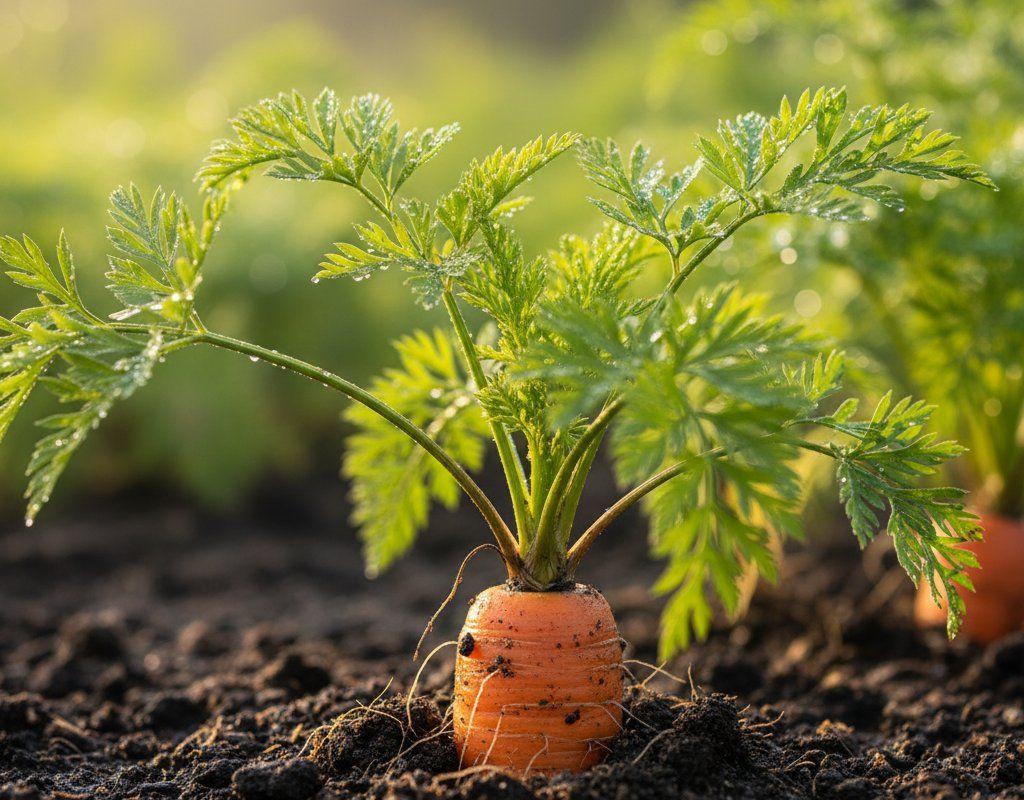
Companion planting can give your celery a boost in the Mid-Atlantic garden. Green beans are good companions because they fix nitrogen in the soil, which benefits celery. Cabbage family plants also do well, as they don't compete for the same nutrients. Tomatoes provide shade and protection from wind, while onions deter pests. Avoid planting carrots near celery, as they can attract the same pests.
🌸Best Flowers to Plant with Celery
These flowers protect your Celery from pests and attract pollinators for better harvests.
For Pest Control




Get a Reminder When It's Time to Plant
We'll email you when key planting windows open for your zone.