
Chamomile in Zone 8B — Gulf Coast
Matricaria chamomilla · Your Complete 2026 Planting Guide
Time to Buy Starts!
Seed starting window passed, but starts are available now.
Buy Starts Now
Head to your local nursery, Home Depot, or farmers market for transplants.
- Look for stocky plants with dark green leaves
- Avoid leggy seedlings or plants already flowering
- Check that roots aren't circling the pot (rootbound)
How to Plant Chamomile in Zone 8B — Gulf Coast
Here are all your options for getting chamomile in the ground, from the easiest method to more advanced approaches.
Direct Sow Seeds
RecommendedEarly February through mid September
around February 6
Consider succession planting every 2-3 weeks for continuous harvest.
Start Seeds Indoors
RecommendedMid December through early January
around December 26
Then transplant: Early February through early March
Start seeds 6-8 weeks before transplanting outdoors.
Buy Starts
Works WellEarly February through early March
around February 6
Plant purchased starts after last frost (February 20).
Transplant Outdoors
Timing InfoEarly February through early March
around February 6
Can tolerate light frost, but wait for soil to be workable.
You have a nice window — no need to rush.
Overview
Chamomile is a wonderful addition to any Gulf Coast garden. Its delicate, apple-like flavor makes a soothing tea, and its cheerful flowers attract beneficial insects. Plus, the satisfaction of harvesting your own homegrown tea ingredients is hard to beat.
Our long growing season here on the Gulf Coast means you can enjoy chamomile for a good chunk of the year. Sure, we have to deal with high humidity and the occasional hurricane scare, but with a little planning, you can easily grow this lovely herb right here in your backyard.
Starting Seeds Indoors
Starting chamomile indoors gives you a head start, though it's not strictly necessary in our climate. If you want to get a jump on the season, sow seeds indoors from mid-December through early January. This gives you about 6 weeks to get seedlings ready for transplanting in the ground.
Use seed trays or small pots filled with a good seed-starting mix. Keep the soil consistently moist, but not soggy – bottom watering works well to avoid damping off. A warm location and grow lights will help with germination. Remember, our spring comes early here, so timing is important.
Transplanting Outdoors
Transplant your chamomile seedlings outdoors from early February through early March, after the danger of a hard freeze has passed. Before transplanting, harden off the seedlings by gradually exposing them to outdoor conditions for about a week. This will help them adjust to the sun and wind.
Space the plants about 6-8 inches apart in well-drained soil. Keep an eye on the weather forecast, as we can still get some cool snaps during this time. Protect the seedlings with row covers if needed.
Direct Sowing
Direct sowing chamomile is a simple and effective method, especially with our long growing season. You can direct sow from early February through mid-September. Choose a sunny spot with well-drained soil.
Prepare the soil by loosening it and removing any weeds. Scatter the seeds evenly over the surface and gently press them into the soil. Keep the soil consistently moist until the seedlings emerge. Thin the seedlings to 6-8 inches apart. Direct sowing is easier, but you might lose some seedlings to pests or weather.
Watering Chamomile in Zone 8B (Gulf Coast)
Chamomile prefers well-drained soil and doesn't need a lot of water, which is a good thing in our humid climate. Overwatering can lead to weak growth and fungal problems, so it's best to err on the side of caution.
During the cooler months (late fall through early spring), you might only need to water every week or two, depending on rainfall. Stick your finger about 2 inches deep into the soil – if it feels dry, it's time to water. Aim for about ½ inch of water per week. In the heat of summer, especially during dry spells, you may need to water more frequently, but still let the soil dry out slightly between waterings.
Water at the base of the plants to avoid wetting the foliage, which can encourage fungal diseases in our humid environment. Signs of underwatering include wilting or drooping leaves. Overwatering can cause yellowing leaves and root rot. A light layer of pine straw mulch can help retain moisture and suppress weeds, but don't overdo it, as too much mulch can trap moisture and promote fungal growth.
🧪Fertilizing Chamomile
Feeding Schedule
Organic Fertilizer Options
Harvest Time
You can expect your first chamomile harvest around early April, about 60 days after planting. The harvest window extends all the way to early December. The best time to harvest is in the morning after the dew has dried, but before the sun gets too hot.
Look for flowers where the petals are just beginning to bend slightly backward. This indicates they are at their peak flavor and potency. Gently snip off the flower heads with scissors or your fingers.
To encourage continued production, harvest regularly throughout the season. As our first frost approaches in early December, harvest all remaining flowers. You can dry them for tea or other uses.
Common Problems in Zone 8B (Gulf Coast)
Here are some common problems you might encounter growing chamomile in our area:
Aphids *What it looks like:* Clusters of tiny green, black, or white insects on stems and undersides of leaves. You might also see a sticky honeydew residue or curled, distorted new growth. *What causes it:* Aphids are sap-sucking insects that thrive in warm weather. They reproduce rapidly, and ant colonies often protect them in exchange for honeydew. *How to fix/prevent it:* A strong spray of water can knock them off. Encourage natural predators like ladybugs and lacewings. For heavy infestations, use insecticidal soap or neem oil. Avoid over-fertilizing with nitrogen, as this attracts aphids.
Mealybugs *What it looks like:* Small, white, cottony masses on stems and leaves. They suck sap, causing yellowing and stunted growth. *What causes it:* Mealybugs love warm, humid conditions. They often hide in crevices, making them difficult to spot early on. *How to fix/prevent it:* Wipe them off with a cotton swab dipped in rubbing alcohol. Insecticidal soap or neem oil can also be effective. Improve air circulation around the plants to discourage mealybugs.
Thrips *What it looks like:* Tiny, slender insects that cause silvery streaks or spots on leaves and flowers. They can also distort flower petals. *What causes it:* Thrips are attracted to light-colored flowers and warm, dry conditions. They can spread quickly. *How to fix/prevent it:* Insecticidal soap or neem oil can help control thrips. Blue sticky traps can also attract and capture them. Keep weeds down, as they can harbor thrips.
Gulf Coast Specific Challenges: The high humidity in our region can make chamomile more susceptible to fungal diseases. Ensure good air circulation around your plants and avoid overhead watering. Keep an eye out for pests, as they tend to thrive in our warm, humid climate.
Best Companions for Chamomile
Plant these nearby for healthier Chamomile and better harvests.
View Full Companion Planting Chart →



Companion Planting Details
Chamomile is a great companion plant for many vegetables and herbs.
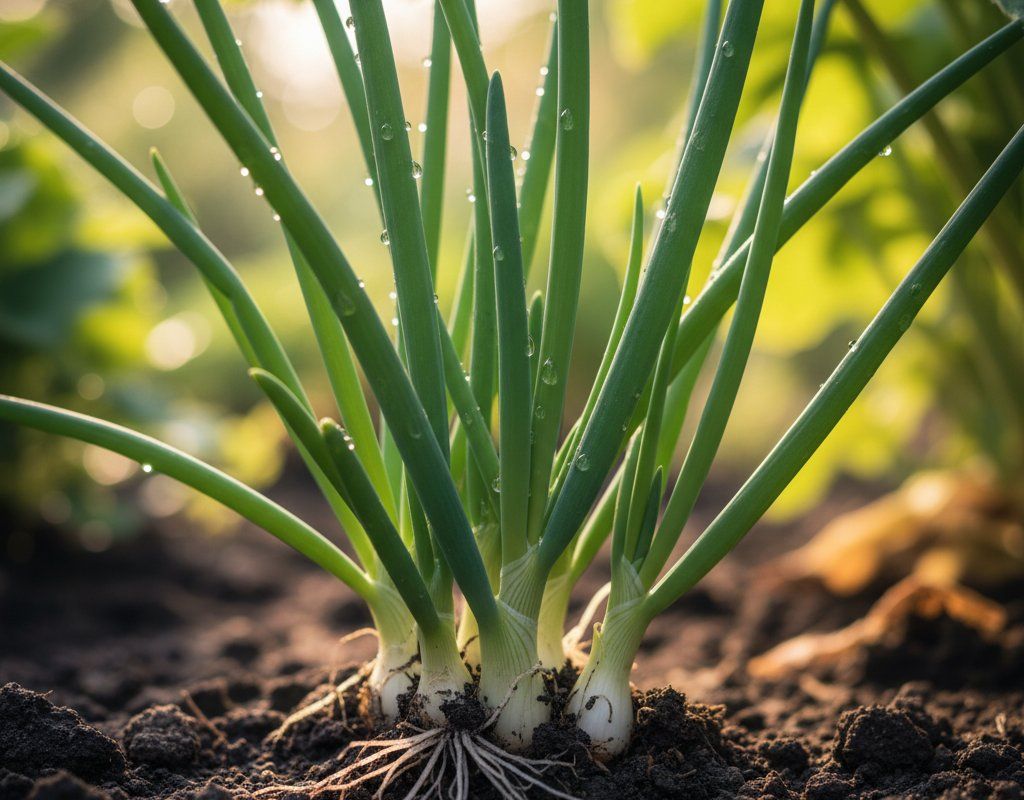
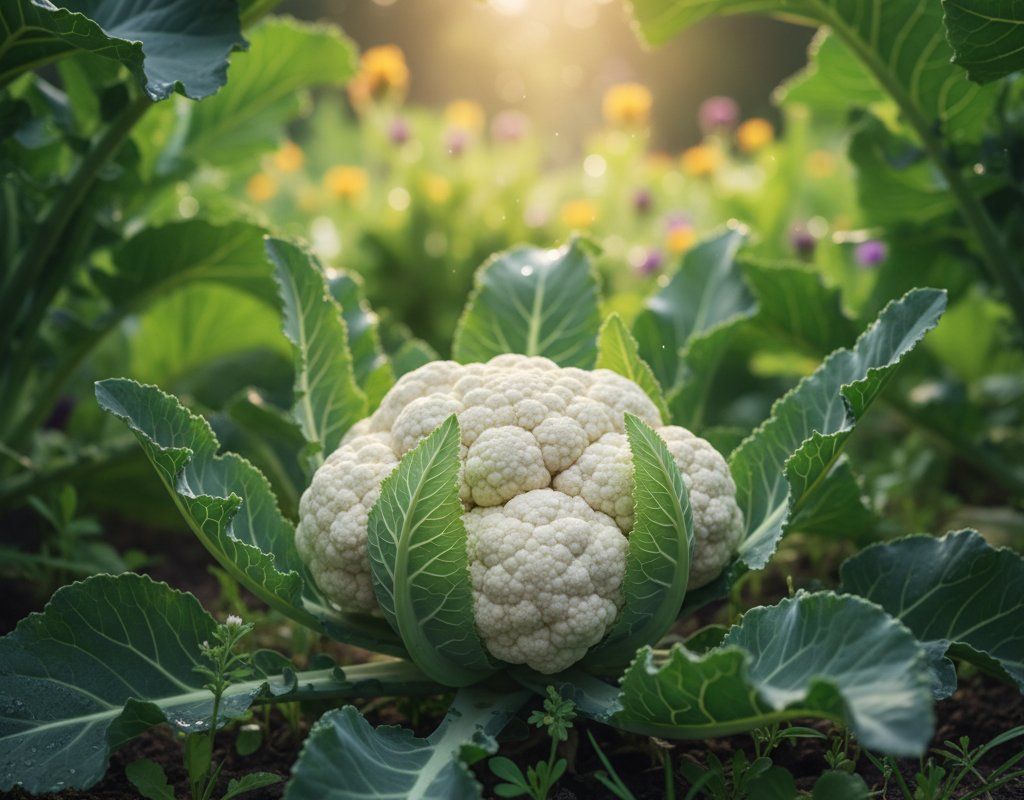
Good companions include onions, cabbage, broccoli, cucumbers, and green beans. Chamomile attracts beneficial insects like ladybugs and hoverflies, which prey on aphids and other pests that can damage these crops. It's also thought to improve the flavor of cabbage and onions.
I haven't found any common "bad" companions for chamomile.
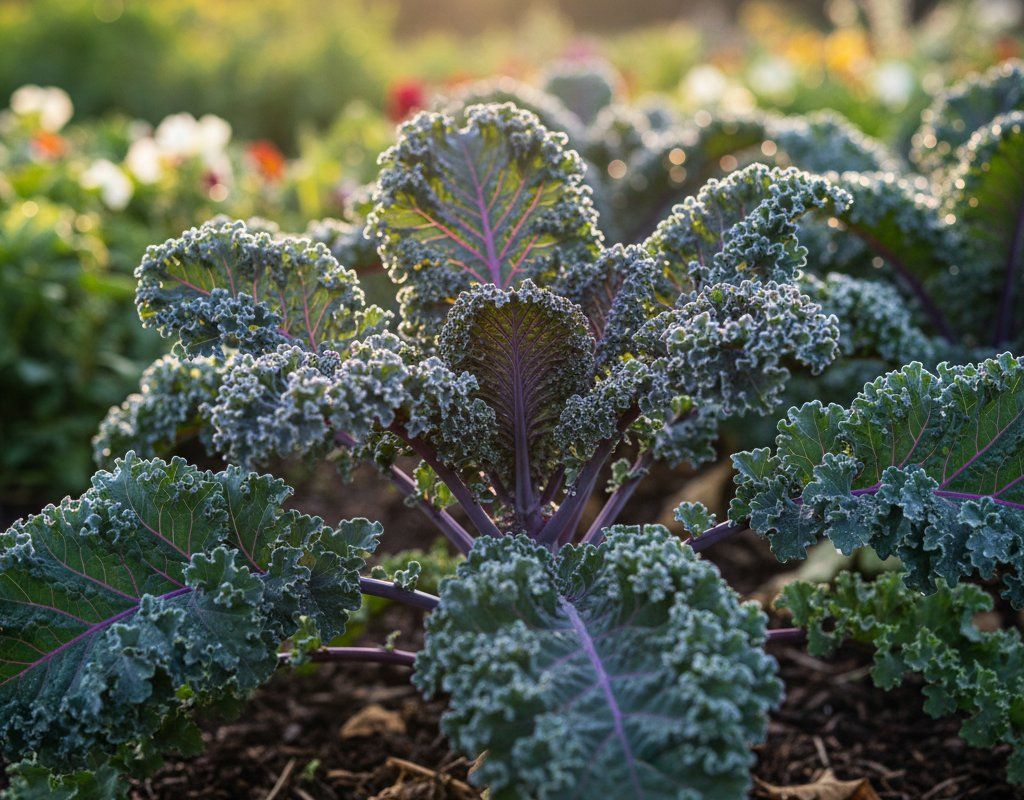
🥬Best Vegetables to Pair With Chamomile
Chamomile benefits these vegetables through pest control, pollinator attraction, or improved garden health.


Get a Reminder When It's Time to Plant
We'll email you when key planting windows open for your zone.