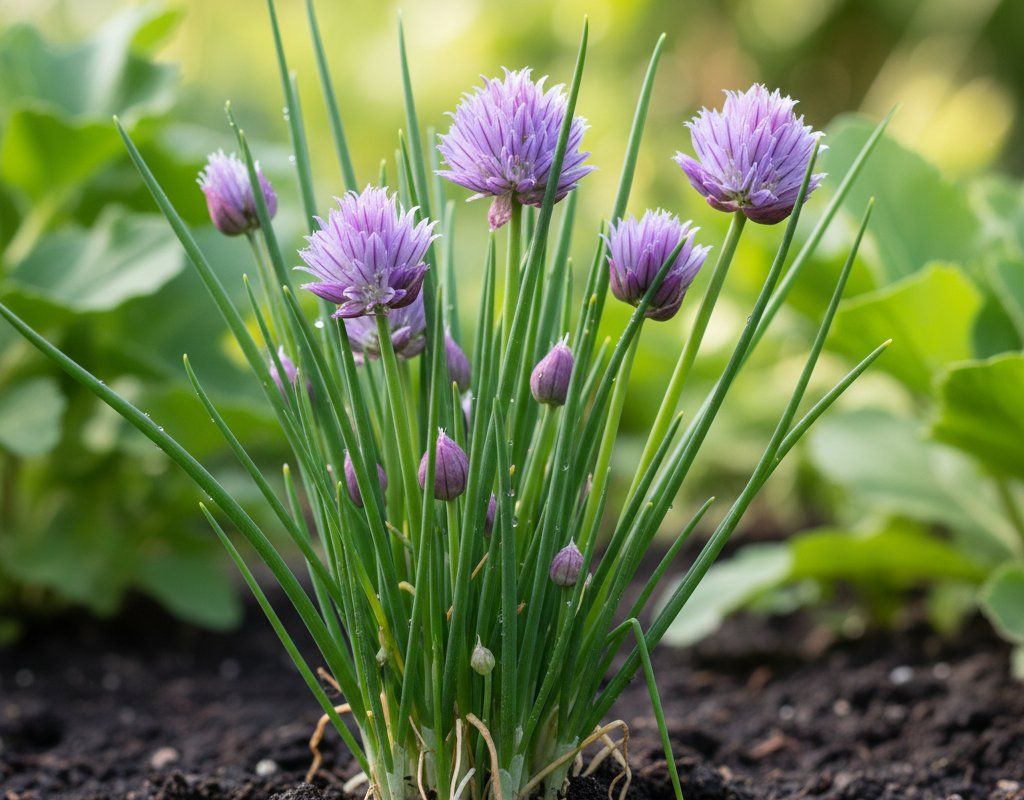
Chives in Zone 6B — Mid-Atlantic
Allium schoenoprasum · Your Complete 2026 Planting Guide
Missed Seed Starting? No Problem!
Wait for starts to become available.
What to Do
Starts will be available at nurseries in 23 days (around March 27).
How to Plant Chives in Zone 6B — Mid-Atlantic
Here are all your options for getting chives in the ground, from the easiest method to more advanced approaches.
Direct Sow Seeds
RecommendedMid March through late July
around March 13
Consider succession planting every 2-3 weeks for continuous harvest.
Slow to establish from seed. Divisions or starts are faster.
Start Seeds Indoors
RecommendedLate January through mid February
around January 30
Then transplant: Late March through late April
Start seeds 8-10 weeks before transplanting outdoors.
Buy Starts
Works WellLate March through late April
around March 27
Plant purchased starts after last frost (April 10).
Buying starts or dividing existing clumps is much faster than seed.
Transplant Outdoors
Timing InfoLate March through late April
around March 27
Can tolerate light frost, but wait for soil to be workable.
You have a nice window — no need to rush.
Overview
Chives are a fantastic addition to any Mid-Atlantic garden. Their mild onion flavor elevates everything from scrambled eggs to summer salads. Plus, they're incredibly easy to grow in our four-season climate, providing fresh herbs from late spring well into fall.
Our humid summers and variable spring weather can present challenges, but with proper timing and care, you can enjoy a thriving patch of chives. Our long, 198-day growing season gives you plenty of opportunity to harvest.
Starting Seeds Indoors
Starting chives indoors isn't essential, but it can give you a head start, especially if you're eager for an early harvest. Starting seeds indoors from late January through mid February, roughly eight weeks before our typical last frost, allows the plants to mature a bit before facing the elements.
Use seed trays or small pots filled with a good seed-starting mix. Keep them warm and provide plenty of light, either from a sunny windowsill or a grow light. Bottom watering is a great way to keep the soil consistently moist without overwatering, which can be a problem in our humid climate. The moderate spring weather in the Mid-Atlantic means seedlings will quickly catch up once transplanted outdoors.
Transplanting Outdoors
Transplant your chive seedlings outdoors from late March through late April, after the danger of hard frost has passed. It's best to harden them off for about a week beforehand by gradually exposing them to outdoor conditions.
Space them 8-12 inches apart in a sunny spot with well-drained soil. Honestly, buying established chives starts from a local nursery or dividing existing clumps is much faster than starting from seed. You'll have usable chives much sooner! Keep an eye out for late frost warnings during this period – a sudden cold snap can set them back.
Direct Sowing
Direct sowing chives is definitely an option in the Mid-Atlantic, and it's very low-effort. Sow seeds directly into the garden from mid March through late July.
Prepare the soil by loosening it and removing any weeds. Make sure the soil temperature is at least 60°F for optimal germination. Sow seeds 8-12 inches apart and cover them lightly with soil. Just be aware that chives are slow to establish from seed, so it will take longer to get a harvest compared to transplants or divisions.
Watering Chives in Zone 6B (Mid-Atlantic)
Chives need moderate, consistent watering, especially during our humid summers. Unlike some other herbs, they're actually quite tolerant of moisture. Our even rainfall helps, but you'll still need to pay attention.
During the spring and fall, when temperatures are cooler, check the soil moisture by sticking your finger about two inches deep. If it feels dry, it's time to water. In the heat of the summer, you might need to water a couple of times a week, providing about an inch of water each time. Water at the base of the plants to avoid wetting the foliage, which can encourage fungal diseases in our humid climate.
Yellowing leaves can indicate overwatering, while drooping leaves suggest underwatering. A layer of mulch, like shredded leaves or straw, can help retain moisture and suppress weeds, which is especially helpful in our climate.
🧪Fertilizing Chives
Feeding Schedule
Organic Fertilizer Options
Harvest Time
You can expect your first harvest of chives in the Mid-Atlantic from early June through early November. Chives are ready to harvest when the leaves are at least 6 inches tall.
Simply cut the leaves about 1-2 inches above the base of the plant. This encourages new growth, and you can continue to harvest throughout the growing season. Regular harvesting keeps the plants productive.
As the first frost approaches in late October, you can cut back the entire plant to a few inches above the ground. It will likely go dormant over the winter and then re-emerge in the spring. Every three years or so, divide the clumps to prevent overcrowding and maintain healthy growth.
Common Problems in Zone 6B (Mid-Atlantic)
Here are some common problems you might encounter with chives in the Mid-Atlantic:
Onion Fly
- What it looks like: Wilting or yellowing leaves, stunted growth, and small white maggots at the base of the plant or in the bulbs.
- What causes it: Onion flies lay their eggs near the base of onion family plants. The larvae then burrow into the bulbs and feed.
- How to fix/prevent it: Use row covers to prevent flies from laying eggs. Remove and destroy any infested plants. Rotate crops annually.
Rust
- What it looks like: Rusty orange, yellow, or brown pustules on leaves and stems, mostly on undersides. Leaves yellow and drop prematurely.
- What causes it: Various rust fungi that spread via wind-borne spores. Favored by warm, humid conditions with moisture on leaves.
- How to fix/prevent it: Remove affected leaves. Avoid overhead watering. Improve air circulation. Apply sulfur or copper fungicide. Don't work among wet plants. Rotate crops.
Bulb Rot in Wet Soil
- What it looks like: Yellowing leaves, mushy bulbs, and a foul odor.
- What causes it: Overwatering and poorly drained soil create conditions that favor fungal and bacterial pathogens that cause bulb rot. Our clay soil can exacerbate this problem.
- How to fix/prevent it: Improve soil drainage by adding compost and other organic matter. Avoid overwatering. Plant chives in raised beds if your soil is particularly heavy.
Mid-Atlantic Specific Challenges: The moderate-to-hot heat and humid conditions of our summers can create a breeding ground for fungal diseases like rust. Our even rainfall can also lead to overwatering if you're not careful. Be sure to provide good air circulation and monitor your plants closely.
Best Companions for Chives
Plant these nearby for healthier Chives and better harvests.


Keep Away From

Companion Planting Details
Chives make excellent companions for many plants in the Mid-Atlantic garden! They repel certain pests and can even improve the flavor of some crops.
Carrots benefit from chives planted nearby because the chives deter carrot root flies. Tomatoes also love chives, as they can help repel aphids and other pests. Roses benefit from the pest-repelling properties of chives. Grapes also enjoy a companion planting of chives to deter certain insects. Avoid planting chives near beans or peas, as they can inhibit their growth.
🌸Best Flowers to Plant with Chives
These flowers protect your Chives from pests and attract pollinators for better harvests.
For Pest Control




Get a Reminder When It's Time to Plant
We'll email you when key planting windows open for your zone.