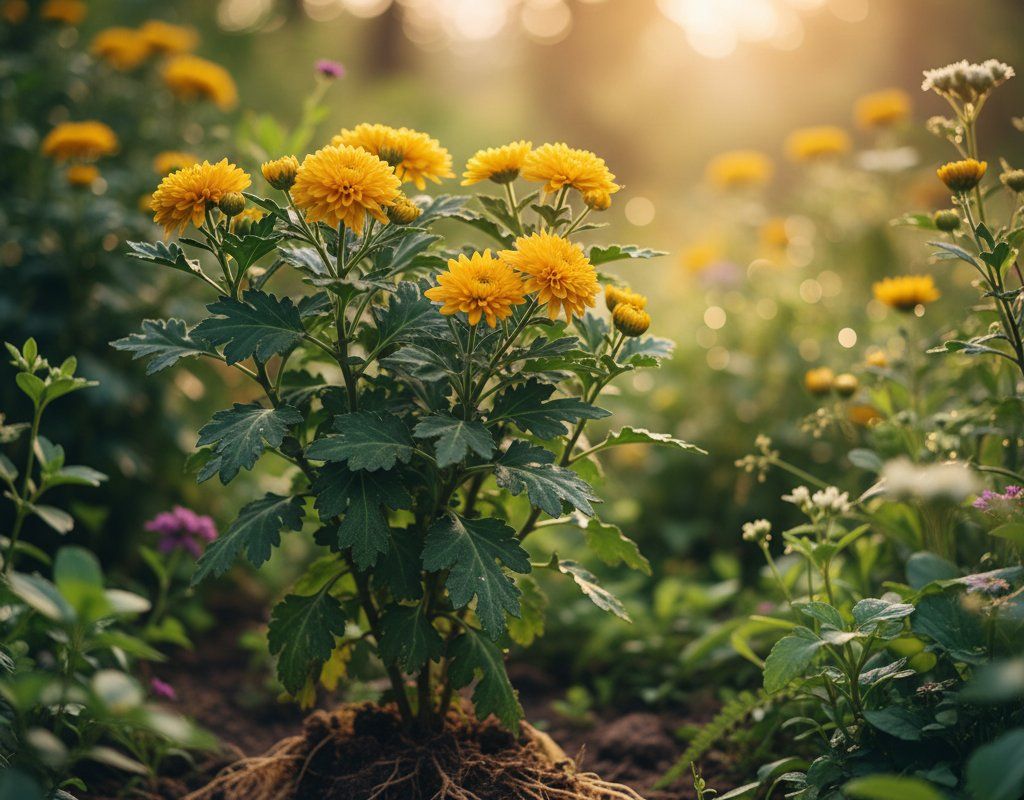
Chrysanthemum in Zone 7A — Desert Southwest
Chrysanthemum morifolium · Your Complete 2026 Planting Guide
Missed Seed Starting? No Problem!
Wait for starts to become available.
What to Do
Starts will be available at nurseries in 21 days (around March 25).
How to Plant Chrysanthemum in Zone 7A — Desert Southwest
Here are all your options for getting chrysanthemum in the ground, from the easiest method to more advanced approaches.
Buy Starts
RecommendedLate March through late April
around March 25
Plant purchased starts after last frost (March 25).
Buy potted mums in fall, or starts in spring.
Start Seeds Indoors
Works WellLate January through mid February
around January 28
Then transplant: Late March through late April
Start seeds 8-10 weeks before transplanting outdoors.
Direct Sow Seeds
ChallengingDirect sowing is not typical for Chrysanthemum.
Transplant Outdoors
Timing InfoLate March through late April
around March 25
Can tolerate light frost, but wait for soil to be workable.
You have a nice window — no need to rush.
Overview
Chrysanthemums deliver vibrant color to your Desert Southwest garden when many other plants are fading. Their late-season blooms provide a welcome burst of beauty, and cutting them for bouquets brings that cheer indoors. Plus, their natural pest-repelling properties can benefit nearby veggies.
Our extreme heat and alkaline soil can pose challenges, but careful timing and smart gardening practices can help your Chrysanthemums thrive. With a long 230-day growing season, you have ample opportunity to enjoy these beauties.
Starting Seeds Indoors
Starting Chrysanthemum seeds indoors is an option, but honestly, most of us Desert Southwest gardeners either buy established plants in the fall or starts in the spring. If you're set on starting from seed, begin in late January through mid February—about 8 weeks before you plan to transplant.
Use seed trays with a good seed-starting mix, provide warmth (a heat mat helps), and ensure plenty of light—grow lights are your friend. Bottom watering is great for seedlings; it encourages strong root growth and prevents damping-off. Remember, our springs can bring unexpected temperature swings, so keep a close eye on your seedlings.
Transplanting Outdoors
Transplant your Chrysanthemum starts outdoors in late March through late April, after the last expected frost. Before transplanting, harden them off by gradually exposing them to outdoor conditions for about a week.
Space plants 12-18 inches apart to allow for good air circulation. Be aware of potential late frosts during this period and protect your young plants if needed.
Watering Chrysanthemum in Zone 7A (Desert Southwest)
Consistent watering is key for Chrysanthemums in our arid Desert Southwest climate. During the spring and fall growing seasons, aim to water deeply about 2-3 times per week, providing about 1 inch of water each time. Use the "finger test"—if the top 2 inches of soil feel dry, it's time to water.
In the extreme heat of summer, increase watering to every other day, or even daily, especially if your plants are in full sun. Always water at the base of the plant to avoid wetting the foliage, which can encourage fungal diseases in our monsoon season.
Signs of underwatering include wilting leaves and dry, brittle stems. Overwatering can lead to yellowing leaves and root rot. Mulching around your plants with organic matter helps retain moisture and regulate soil temperature, a real benefit in our desert conditions.
Pruning & Maintaining Chrysanthemum
Pinching your Chrysanthemums regularly will encourage bushier growth and more blooms. From planting time until around July 4th, pinch off the tips of the growing stems every 2-3 weeks. This redirects the plant's energy into producing more side shoots and, ultimately, more flowers.
Be sure to only pinch the tips of the stems, leaving the rest of the plant intact. After July 4th, stop pinching to allow flower buds to form. As the first frost approaches in early November, you can cut back the entire plant to a few inches above the ground to prepare it for winter dormancy.
🧪Fertilizing Chrysanthemum
Feeding Schedule
Organic Fertilizer Options
Harvest Time
You can expect your first Chrysanthemum blooms in early June through late July, depending on the variety and when you transplanted. These fall-blooming plants will reward you with flowers that last for weeks in the garden.
Cut flowers for bouquets when they are fully open. Use sharp, clean pruners to make your cuts, and be sure to leave several inches of stem on the plant to encourage continued production. Deadheading spent blooms will also help prolong the flowering season. As the first frost approaches in early November, harvest any remaining blooms to enjoy indoors.
Common Problems in Zone 7A (Desert Southwest)
Here are common problems with Chrysanthemums in our area:
Aphids *What it looks like:* Clusters of tiny green, black, or white insects on stems and leaf undersides. Sticky honeydew residue and curled or distorted new growth. *What causes it:* Rapidly reproducing sap-sucking insects thrive in warm weather. Ant colonies may farm them. *How to fix/prevent it:* Strong water spray knocks them off. Encourage ladybugs and lacewings. Use insecticidal soap or neem oil. Avoid excess nitrogen fertilizer.
Spider Mites *What it looks like:* Fine stippling on leaves (tiny white dots), webbing on leaf undersides. Leaves turn bronze or yellow. *What causes it:* Tiny arachnids that thrive in hot, dry conditions. Populations explode in drought stress. *How to fix/prevent it:* Strong water spray (daily for a week) is best. Increase humidity around plants. Use neem oil or insecticidal soap. Release predatory mites. Avoid broad-spectrum pesticides.
Leaf Miners *What it looks like:* Visible tunnels or trails inside the leaves. Leaves may appear distorted or have brown patches. *What causes it:* Larvae of small flies or moths that feed within the leaf tissue. *How to fix/prevent it:* Remove and destroy affected leaves. Insecticidal soap or neem oil can help control infestations. Floating row covers can prevent adult insects from laying eggs on the plants.
Rust *What it looks like:* Rusty orange, yellow, or brown pustules on leaves and stems, mostly on undersides. Leaves yellow and drop. *What causes it:* Various rust fungi spread via wind-borne spores, favored by warm, humid conditions with moisture on leaves. *How to fix/prevent it:* Remove affected leaves. Avoid overhead watering. Improve air circulation. Apply sulfur or copper fungicide. Don't work among wet plants. Rotate crops.
Desert Southwest Specific Challenges: Our extreme heat can stress Chrysanthemums, making them more susceptible to pests and diseases. Low humidity can exacerbate spider mite problems, while monsoon rains can create conditions favorable for rust. Consistent watering and good air circulation are essential for summer survival.
Best Companions for Chrysanthemum
Plant these nearby for healthier Chrysanthemum and better harvests.
View Full Companion Planting Chart →


Companion Planting Details
Chrysanthemums make good companions for tomatoes and peppers. Their pest-repelling properties can help protect these vegetables from aphids and other insects.
They also pair well with lettuce, as they provide shade that can help keep lettuce from bolting in the heat. Avoid planting Chrysanthemums near plants, as they can compete for resources in our already challenging growing conditions.
🥬Best Vegetables to Pair With Chrysanthemum
Chrysanthemum benefits these vegetables through pest control, pollinator attraction, or improved garden health.



Get a Reminder When It's Time to Plant
We'll email you when key planting windows open for your zone.