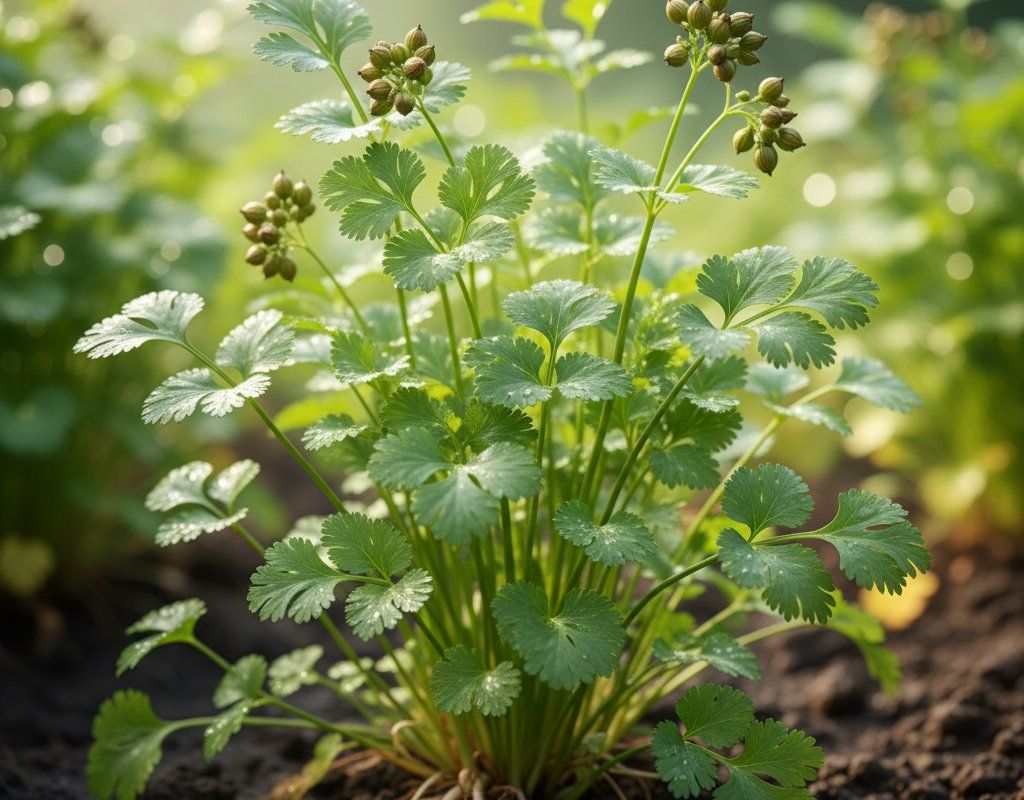
Cilantro in Zone 3A — Great Plains
Coriandrum sativum · Your Complete 2026 Planting Guide
Planning Ahead — Great!
You’re ahead of the season. Here’s when to start.
Mark Your Calendar
How to Plant Cilantro in Zone 3A — Great Plains
Here are all your options for getting cilantro in the ground, from the easiest method to more advanced approaches.
Direct Sow Seeds
RecommendedMid May through mid July
around May 11
Consider succession planting every 2-3 weeks for continuous harvest.
Cilantro bolts quickly in heat. Direct sow in cool weather for best results.
Start Seeds Indoors
RecommendedMid April through mid May
around April 27
Then transplant: Late May through early July
Start seeds 4-6 weeks before transplanting outdoors.
Buy Starts
Works WellLate May through early July
around May 25
Plant purchased starts after last frost (May 25).
Transplant Outdoors
Timing InfoLate May through early July
around May 25
Can tolerate light frost, but wait for soil to be workable.
You have a nice window — no need to rush.
Fall Planting
Mid July through mid August
July 30 ideal · Direct sow for fall harvest
Plant a second crop in mid-summer for fall harvest. Cilantro actually prefers the cooling temperatures of fall.
Overview
Cilantro brings fresh, bright flavor to everything from salsa to curries, and growing your own in the Great Plains means you'll never run out during peak harvest season. Our intense prairie sunshine produces leaves with concentrated flavor that puts store-bought cilantro to shame, while our low disease pressure means cleaner plants with fewer fungal issues than gardeners deal with in humid regions.
The Plains' extreme temperature swings and short 108-day growing season can challenge cilantro since it bolts quickly in heat, but with proper timing and succession planting, you can harvest fresh leaves from late spring through early fall. The key is working with our variable spring weather and planning multiple sowings to beat the summer heat.
Starting Seeds Indoors
Starting cilantro indoors gives you more control over timing in our unpredictable Plains springs, though it's not the most common approach since cilantro transplants moderately well but prefers direct sowing. Start seeds mid-April through mid-May, about 4 weeks before your planned transplant date.
Use seed trays with good drainage and keep soil consistently moist using bottom watering—this prevents the delicate seedlings from getting knocked over by our notorious Plains wind when you water from above. Cilantro seeds need warmth to germinate (65-70°F), so a heat mat helps in our variable spring temperatures.
Keep seedlings under grow lights or in a sunny south window, but don't let them get leggy. Our spring weather swings from warm to cold quickly, so having indoor starts gives you flexibility to wait for stable conditions before transplanting.
Transplanting Outdoors
Transplant your cilantro seedlings outdoors from late May through early July, after our last frost risk has passed and soil has warmed. Harden them off gradually over a week—start with 2-3 hours of morning sun, then increase exposure daily until they can handle our full Plains intensity.
Space plants 6-8 inches apart to allow good air circulation, which helps prevent fungal issues in our sometimes humid summer evenings. Plant them in a spot with some afternoon shade if possible, since our 93°F summer highs will cause early bolting in full sun locations.
Choose a protected area for transplants since young cilantro can be damaged by our constant wind. A spot near taller plants or along a fence line works well, giving them shelter while they establish strong root systems in our prairie soil.
Direct Sowing
Direct sowing works well for cilantro in the Plains and is actually the preferred method since cilantro develops a taproot that doesn't love being disturbed. Sow seeds mid-May through mid-July, timing your plantings for cooler weather whenever possible.
Prepare your soil by working in compost—our prairie soil is naturally fertile, but cilantro appreciates the extra organic matter for moisture retention. Plant seeds ¼ inch deep and space them 6-8 inches apart, or sow more thickly and thin later.
The key to success with direct sowing is succession planting every 2-3 weeks through mid-July. Cilantro bolts quickly once temperatures consistently hit the 80s, so multiple small plantings give you continuous harvests rather than putting all your hopes on one big planting that might bolt during a heat wave.
Watering Cilantro in Zone 3A (Great Plains)
Cilantro needs consistent moisture to prevent early bolting, which is challenging in our variable Plains rainfall climate. Aim for about 1 inch of water per week, checking soil moisture with the finger test—stick your finger 2 inches down, and if it's dry, it's time to water.
Water at the base of plants early morning to minimize evaporation in our intense sun and low humidity. Our typically low disease pressure means you can water overhead if needed, but ground-level watering is more efficient given our windy conditions that increase evaporation rates.
During our hot summer periods, you may need to water every other day, especially if we're in one of our dry spells. Watch for signs of stress—wilting in morning hours or premature flowering means the plants need more consistent moisture. Mulch around plants with grass clippings or shredded leaves to conserve soil moisture.
In our variable rainfall climate, be ready to adjust—during our occasional heavy rain periods, pull back on watering to avoid waterlogged soil, but during drought stretches, you'll need to supplement more frequently than the weekly inch to keep leaves tender and delay bolting.
🧪Fertilizing Cilantro
Feeding Schedule
Organic Fertilizer Options
Harvest Time
Your first cilantro harvest typically comes in late June through mid-September, about 45 days after planting. Look for plants that have reached 6+ inches tall with multiple stems—this usually happens quickly in our intense Plains sunshine.
Harvest by cutting outer stems at the base with clean scissors, leaving the center growing point intact for continued production. Take no more than one-third of the plant at once to keep it productive. Fresh morning harvests work best since leaves are crisp from cool overnight temperatures.
Once cilantro sends up a central flower stalk (bolting), the leaves become bitter and tough—this happens fast in our summer heat, often within days of the first signs. When you see the flower stalk starting, harvest heavily and start your next succession planting immediately.
As our first frost approaches in early September, harvest entire plants and freeze whole stems in bags, or cut leaves and freeze in ice cube trays with water. Unlike some herbs, cilantro doesn't dry well, but frozen cilantro works perfectly in cooked dishes through our long Plains winter.
Common Problems in Zone 3A (Great Plains)
Bolting Your cilantro suddenly sends up a tall center stalk with small white flowers, and the leaves turn bitter. This premature flowering happens fast in the Plains—sometimes within days once triggered.
High temperatures, long summer days, and drought stress cause bolting, and our Plains climate has all three in spades during summer. Once temperatures consistently hit the upper 80s, cilantro shifts from leaf production to seed production.
Prevent bolting by planting in partial shade during summer, providing consistent moisture, and succession planting every 2-3 weeks through mid-July. Choose slower-bolting varieties like 'Slow Bolt' or 'Long Standing,' and harvest frequently to keep plants in vegetative growth.
Aphids Small clusters of green, black, or white soft-bodied insects appear on stems and leaf undersides, often with sticky honeydew residue. New growth may curl or appear distorted.
Aphid populations explode during our warm weather, and they're attracted to the tender growth that our intense sunshine promotes. Our low humidity doesn't deter them like it does some other pests.
Knock aphids off with a strong water spray—our Plains wind actually helps here by making it harder for them to return. Encourage beneficial insects like ladybugs and lacewings, which thrive in our climate. For heavy infestations, use insecticidal soap in early morning before the heat hits.
Leaf Spot Circular brown or black spots appear on leaves, sometimes with yellow halos. Severely affected leaves turn yellow and drop off.
Fungal leaf spot can develop during our humid summer evenings, especially when plants stay wet overnight or have poor air circulation. Overhead watering during hot weather creates ideal conditions.
Water at soil level in early morning so leaves dry quickly in our wind and low humidity. Space plants properly for air circulation, and avoid working with wet plants. Remove affected leaves immediately to prevent spread.
Great Plains Specific Challenges Our combination of intense heat, variable rainfall, and extreme temperature swings makes cilantro particularly challenging compared to milder climates. The key is timing—plant early for spring harvest, provide afternoon shade for summer sowings, and plan for quick bolting once consistent heat arrives.
Best Companions for Cilantro
Plant these nearby for healthier Cilantro and better harvests.

Keep Away From

Companion Planting Details
Cilantro pairs beautifully with tomatoes and peppers in the Plains garden—it provides ground-level shade that helps retain soil moisture around these heat-loving plants, while their taller growth offers cilantro some protection from our intense afternoon sun. Plant cilantro along the north side of tomato rows for natural shade during the hottest part of summer.
Spinach and beans make excellent companions since they all prefer similar growing conditions and succession planting schedules. The beans fix nitrogen that benefits the leafy greens, while the low-growing cilantro and spinach help suppress weeds around bean plants. Avoid planting near fennel, which can cross-pollinate with cilantro and affect flavor, plus fennel's allelopathic properties can inhibit cilantro growth in our competitive prairie soil conditions.
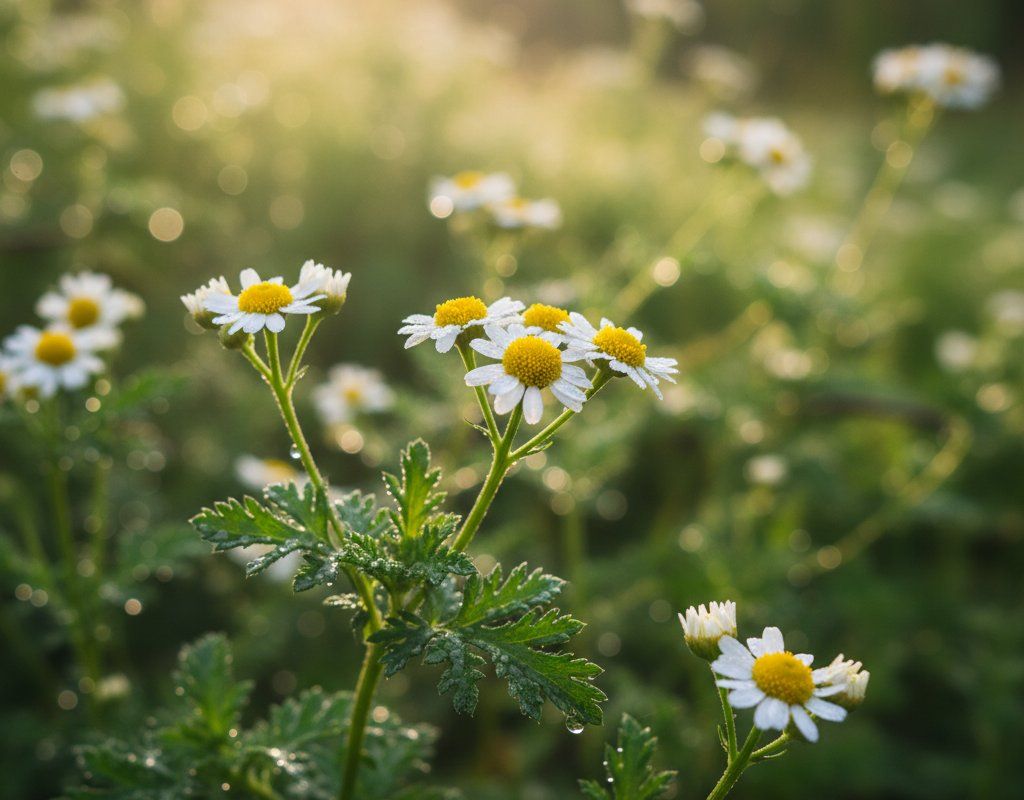
🌸Best Flowers to Plant with Cilantro
These flowers protect your Cilantro from pests and attract pollinators for better harvests.



Get a Reminder When It's Time to Plant
We'll email you when key planting windows open for your zone.