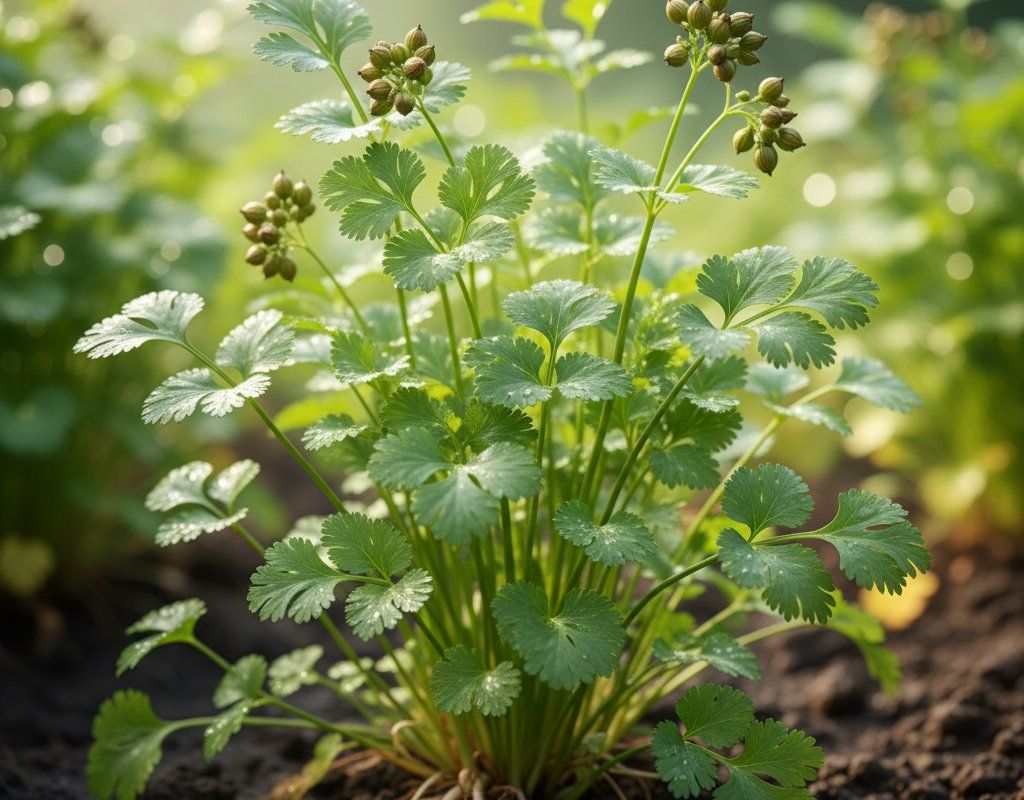
Cilantro in Zone 5A — Great Plains
Coriandrum sativum · Your Complete 2026 Planting Guide
Planning Ahead — Great!
You’re ahead of the season. Here’s when to start.
Mark Your Calendar
How to Plant Cilantro in Zone 5A — Great Plains
Here are all your options for getting cilantro in the ground, from the easiest method to more advanced approaches.
Direct Sow Seeds
RecommendedMid April through mid August
around April 11
Consider succession planting every 2-3 weeks for continuous harvest.
Cilantro bolts quickly in heat. Direct sow in cool weather for best results.
Start Seeds Indoors
RecommendedLate March through mid April
around March 28
Then transplant: Late April through early June
Start seeds 4-6 weeks before transplanting outdoors.
Buy Starts
Works WellLate April through early June
around April 25
Plant purchased starts after last frost (April 25).
Transplant Outdoors
Timing InfoLate April through early June
around April 25
Can tolerate light frost, but wait for soil to be workable.
You have a nice window — no need to rush.
Fall Planting
Mid August through mid September
August 29 ideal · Direct sow for fall harvest
Plant a second crop in mid-summer for fall harvest. Cilantro actually prefers the cooling temperatures of fall.
Overview
Cilantro thrives in our Great Plains climate when you time it right. This fast-growing herb loves our intense sunshine but needs protection from the brutal summer heat that can send it bolting in days. The leaves add that distinctive fresh flavor to salsas and Mexican dishes, while the seeds (coriander) spice up your cooking through winter.
Our 168-day growing season gives you multiple windows for success, but timing is everything with cilantro in the Plains. The extreme temperature swings and variable spring weather mean you'll want both early and late plantings to keep fresh leaves coming. Plant it right, and you'll harvest continuously from late spring through the first hard frost in early October.
Starting Seeds Indoors
Starting cilantro indoors works best for your earliest spring harvest in the Plains. Sow seeds late March through mid April, about 4 weeks before your last frost risk passes. Our variable spring weather makes indoor starting a smart insurance policy against those surprise late cold snaps.
Use seed trays with quality potting mix and keep soil temperature around 65-70°F for best germination. Bottom watering prevents damping-off and keeps seedlings sturdy. Cilantro develops a taproot quickly, so use deeper cells or small pots rather than shallow flats.
Since cilantro bolts fast once heat hits, indoor starting lets you get plants established while temperatures stay moderate. You'll have mature plants ready to harvest just as summer heat would normally stress direct-sown seedlings.
Transplanting Outdoors
Transplant your indoor-started cilantro from late April through early June, timing it for after our last hard frost risk. These seedlings handle light frost fine, but wait until nighttime temperatures stay consistently above 28°F. Our spring weather swings can fool you - that 80°F day might drop to 25°F two nights later.
Harden off transplants gradually over a week by moving them outside for increasing periods daily. Start with 2 hours of morning sun, building to full outdoor exposure. Space plants 6-8 inches apart to give them room to bush out in our intense Plains sunshine.
Plant in a spot with morning sun but some afternoon shade protection. The combination of heat and wind stress in full summer sun will bolt cilantro faster than you can harvest it. A little protection extends your harvest window significantly.
Direct Sowing
Direct sowing works well in the Plains from mid April through mid August, but timing matters more than with most crops. Sow your first crop as soon as soil can be worked in spring - cilantro actually prefers cool soil around 55°F for germination. Our variable spring gives you about a 3-week window before heat becomes a problem.
Plant seeds ¼ inch deep and 6-8 inches apart in loose, well-draining prairie soil. The long taproot needs room to develop without hitting hardpan. Keep soil consistently moist during the 7-14 day germination period - our spring winds dry out seedbeds quickly.
For continuous harvest, succession plant every 2-3 weeks through summer, but expect bolt-resistant varieties only during our hottest weeks. Resume regular sowings in late summer for your best fall crop when temperatures drop back below 80°F consistently.
Watering Cilantro in Zone 5A (Great Plains)
Cilantro needs consistent moisture to prevent bolting, which means regular attention during our Plains summers. Check soil moisture by sticking your finger 2 inches deep - if it's dry, water deeply. Expect to water 2-3 times weekly during hot weather, providing about 1-1.5 inches total per week.
Water at soil level rather than overhead to prevent leaf diseases in our moderate humidity. Soaker hoses or drip irrigation work perfectly for cilantro beds. Morning watering allows plants to dry before our intense afternoon sun hits, reducing stress and disease pressure.
Our variable rainfall means you'll swing between drought stress and oversaturation within the same month. In wet periods, ensure good drainage to prevent root rot. During dry stretches, mulch around plants with 2 inches of grass clippings to retain soil moisture and keep roots cool.
Signs of water stress show up quickly - wilting leaves in morning shade, bitter taste, or flower stalks appearing suddenly. Once bolting starts, there's no stopping it, so stay ahead with consistent watering throughout the growing season.
🧪Fertilizing Cilantro
Feeding Schedule
Organic Fertilizer Options
Harvest Time
Your first cilantro harvest begins late May through mid October, typically 45 days from seeding. Start cutting when plants reach 6+ inches tall and have developed their characteristic serrated leaves. The stems should feel firm and the leaves bright green with no yellowing.
Harvest by cutting outer stems at the base, leaving the center growing point intact. Take up to one-third of the plant at each cutting, focusing on older outer growth. This encourages new stem development and extends your harvest window before bolting occurs.
Cilantro produces continuously until flower stalks appear - once you see those central stalks shooting up, leaf production stops and flavor turns bitter. In our Plains heat, this happens fast, so check plants daily during hot spells and harvest heavily when you see early bolting signs.
As first frost approaches in early October, harvest entire plants and freeze leaves in ice cube trays with water for winter use. Unlike many herbs, cilantro won't survive our Plains winters, so gather everything before that first hard freeze hits.
Common Problems in Zone 5A (Great Plains)
Bolting Flower stalks shooting up from the center with leaves turning bitter and production stopping. You'll see umbrella-shaped flower clusters forming at stem tips, especially during hot weather or dry conditions.
Our Plains heat combined with drought stress triggers bolting faster than anywhere else. Long summer days and temperatures above 85°F signal the plant to reproduce rather than produce leaves. Wind stress accelerates the process.
Prevent bolting with succession planting every 2-3 weeks, consistent watering, and afternoon shade during peak summer. Choose bolt-resistant varieties like 'Slow Bolt' for summer plantings. Plant early spring and late summer crops when temperatures stay below 80°F consistently.
Aphids Clusters of tiny green, black, or white soft-bodied insects on stems and leaf undersides. New growth appears curled or distorted, with sticky honeydew residue coating leaves.
Aphid populations explode during our warm, dry conditions when beneficial insects are stressed. Dusty conditions from Plains winds reduce natural predator effectiveness, letting aphid colonies multiply rapidly.
Blast aphids off with strong water spray early morning when winds are calm. Encourage ladybugs and lacewings with diverse plantings nearby. For heavy infestations, use insecticidal soap every 3-4 days until controlled. Avoid high-nitrogen fertilizers that produce tender growth aphids prefer.
Leaf Spot Brown or black circular spots on leaves, often with yellow halos. Spots may merge together, causing entire leaves to yellow and drop prematurely.
Fungal diseases thrive when leaves stay wet combined with our moderate humidity and temperature swings. Overhead watering followed by cool nights creates perfect conditions for spore germination.
Water at soil level and ensure good air circulation between plants. Remove affected leaves immediately and dispose in trash, not compost. Space plants properly to prevent crowding. Apply copper fungicide at first sign of spots if conditions favor continued spread.
Great Plains Specific Challenges: Our combination of intense heat, variable rainfall, and constant wind creates unique stress for cilantro. The plant bolts faster here than in more moderate climates, making succession planting and wind protection essential for continuous harvest.
Best Companions for Cilantro
Plant these nearby for healthier Cilantro and better harvests.

Keep Away From

Companion Planting Details
Plant cilantro near tomatoes and peppers - the herb's strong scent helps deter aphids and whiteflies that target these warm-season crops. Cilantro's deep taproot also brings up nutrients that benefit shallow-rooted companions. The combination works especially well in our Plains gardens where wind carries scent further.
Spinach makes an excellent cool-season companion since both prefer similar growing conditions and harvest timing. Plant beans nearby for nitrogen fixation that feeds cilantro's leafy growth. Avoid planting near fennel, which cross-pollinates with cilantro and produces inferior seeds while reducing leaf production in both plants.
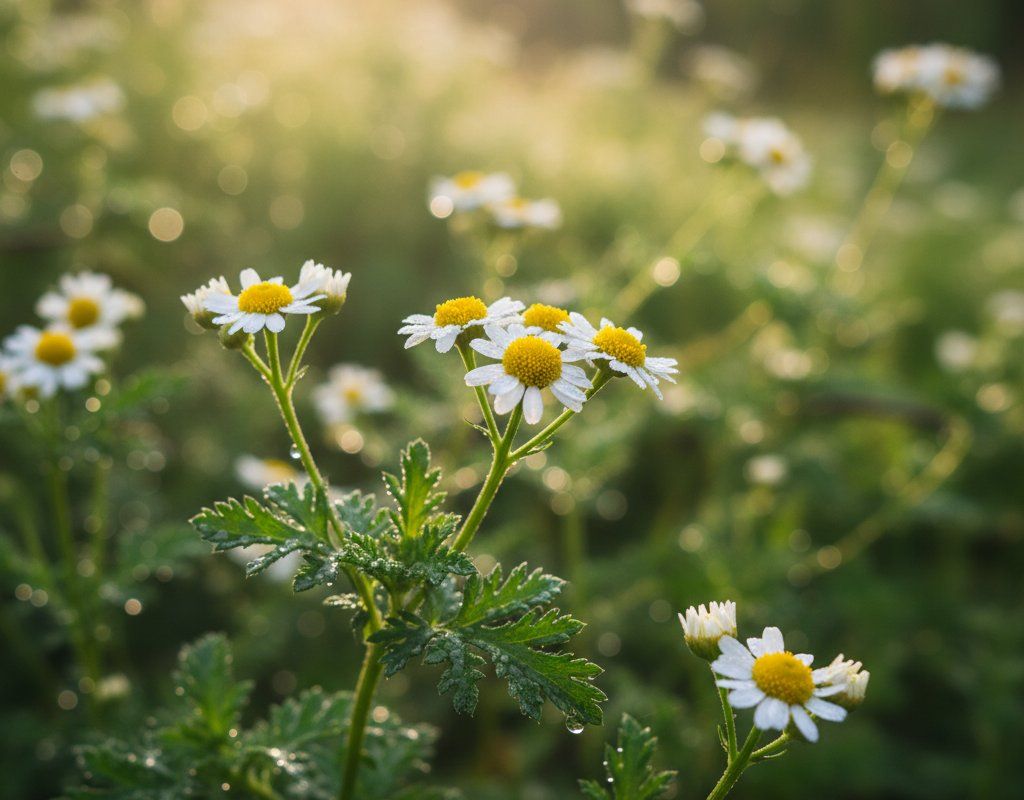
🌸Best Flowers to Plant with Cilantro
These flowers protect your Cilantro from pests and attract pollinators for better harvests.



Get a Reminder When It's Time to Plant
We'll email you when key planting windows open for your zone.