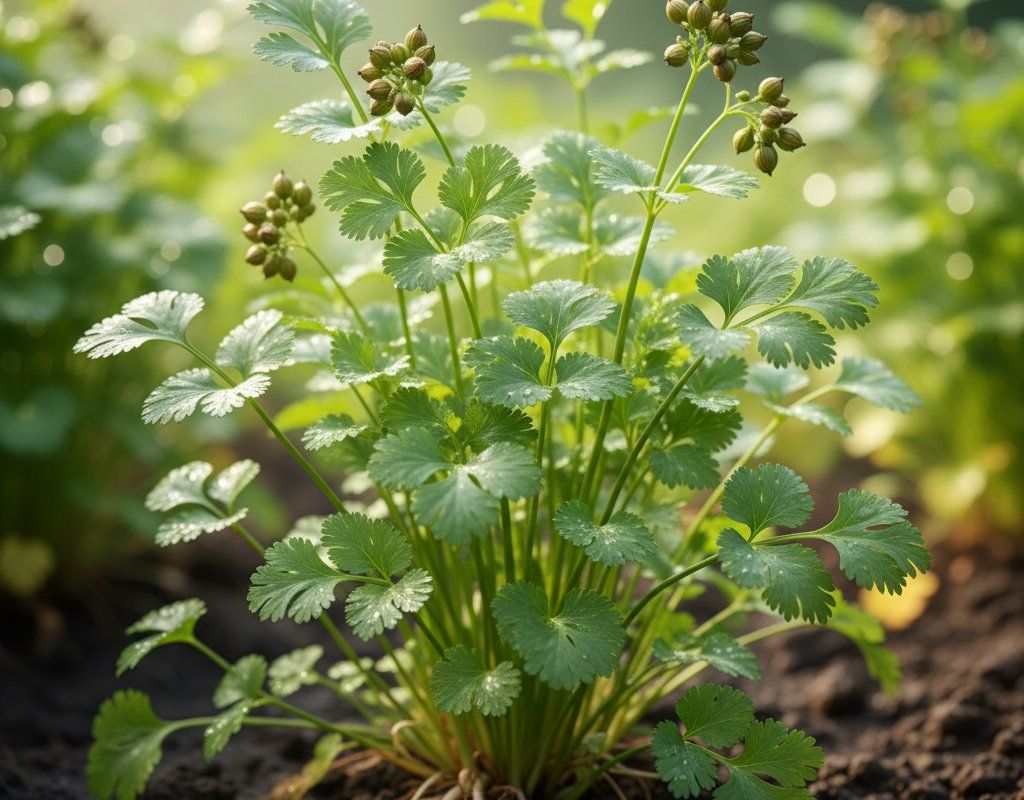
Cilantro in Zone 6B — Great Plains
Coriandrum sativum · Your Complete 2026 Planting Guide
Planning Ahead — Great!
You’re ahead of the season. Here’s when to start.
Mark Your Calendar
How to Plant Cilantro in Zone 6B — Great Plains
Here are all your options for getting cilantro in the ground, from the easiest method to more advanced approaches.
Direct Sow Seeds
RecommendedLate March through late August
around March 27
Consider succession planting every 2-3 weeks for continuous harvest.
Cilantro bolts quickly in heat. Direct sow in cool weather for best results.
Start Seeds Indoors
RecommendedEarly to late March
around March 13
Then transplant: Early April through late May
Start seeds 4-6 weeks before transplanting outdoors.
Buy Starts
Works WellEarly April through late May
around April 10
Plant purchased starts after last frost (April 10).
Transplant Outdoors
Timing InfoEarly April through late May
around April 10
Can tolerate light frost, but wait for soil to be workable.
You have a nice window — no need to rush.
Fall Planting
Late August through late September
September 13 ideal · Direct sow for fall harvest
Plant a second crop in mid-summer for fall harvest. Cilantro actually prefers the cooling temperatures of fall.
Overview
Cilantro brings fresh, bright flavor to your Great Plains kitchen that no store-bought version can match. In our intense sunshine and fertile prairie soil, you can grow multiple crops per season with succession planting, keeping your salsa and curry dishes stocked with that distinctive citrusy punch. The herb's fast 45-day maturity means you'll harvest long before our variable weather turns challenging.
Our 198-day growing season gives you plenty of opportunity to work around cilantro's main quirk—its tendency to bolt quickly in heat. With our extreme temperature swings and hot summers, timing becomes everything, but the payoff is worth it when you're harvesting armfuls of fragrant leaves while neighbors struggle with bitter, bolted plants.
Starting Seeds Indoors
Starting cilantro indoors makes sense when you want to get ahead of spring's unpredictable weather patterns. Sow seeds in early to late March, about 4 weeks before you plan to transplant outside. Our variable spring conditions mean indoor starting gives you more control over those crucial first few weeks.
Use standard seed trays with quality potting mix, keeping soil temperature around 65-70°F for best germination. Bottom watering works particularly well for cilantro—pour water into the tray rather than watering from above to prevent fungal issues. The seeds typically sprout within 7-14 days with consistent moisture.
Keep seedlings under grow lights or in your brightest south-facing window once they emerge. With our intense Plains sunshine, they'll transition well outdoors once properly hardened off, but those indoor weeks protect them from late spring temperature swings that could shock young plants.
Transplanting Outdoors
Move your indoor-started cilantro seedlings outside from early April through late May, timing it with our last frost period. Our springs can be tricky with sudden warm spells followed by cold snaps, so wait until nighttime temperatures consistently stay above 32°F before transplanting.
Harden off seedlings gradually over one week—start with 2-3 hours of morning sun, then gradually increase outdoor time daily. Our intense sunshine and wind require this adjustment period, even for hardy cilantro. Space plants 6-8 inches apart in rows, giving them room to spread without crowding.
Wind protection becomes essential during their first weeks outside. Plant near taller crops or use temporary row covers during windy days. Our prairie winds can stress young transplants, so a sheltered microclimate helps them establish quickly in your garden bed.
Direct Sowing
Direct sowing works well for cilantro in our climate, especially for late summer plantings when soil temperatures moderate. Sow seeds from late March through late August, though avoid mid-summer plantings during our hottest stretch—they'll bolt immediately in 90°F+ heat.
Prepare beds with loose, well-draining soil and plant seeds ¼ inch deep, spacing them 6-8 inches apart in rows. Our fertile prairie soil usually needs little amendment, but ensure good drainage since cilantro struggles in waterlogged conditions. Seeds germinate best when soil temperatures reach 55-68°F.
For best results, focus your direct sowing on cool periods—early spring after soil workability returns, or late summer plantings from late August through late September. These timing windows avoid the bolt-inducing heat of our Plains summers while taking advantage of moderate temperatures for steady growth.
Watering Cilantro in Zone 6B (Great Plains)
Cilantro needs consistent moisture throughout its growing cycle, making water management critical in our variable rainfall climate. Our annual precipitation ranges from 15-35 inches, but it rarely arrives when plants need it most. Plan to supplement with regular irrigation during dry spells.
Apply about 1 inch of water per week, checking soil moisture with the finger test—stick your finger 2 inches deep and water when soil feels dry at that depth. In our low-to-moderate humidity and frequent wind, surface soil dries quickly but may mask adequate moisture below. Water at the base of plants rather than overhead to reduce evaporation and prevent leaf diseases.
During our hot summers with typical highs around 93°F, you'll need to water more frequently—sometimes every other day. Cilantro bolts rapidly when stressed by drought combined with heat, so maintaining soil moisture becomes essential for extending harvests. Signs of underwatering include wilting and premature flowering, while overwatering shows up as yellowing leaves and stunted growth.
Apply a thin layer of organic mulch around plants to conserve moisture and moderate soil temperature swings. In our extreme temperature variations, mulch helps buffer roots from both heat stress and sudden cold snaps that can shock the plants into bolting prematurely.
🧪Fertilizing Cilantro
Feeding Schedule
Organic Fertilizer Options
Harvest Time
Your first cilantro harvest typically arrives from mid-May through early November, depending on planting timing. With our 45-day maturity window, spring-planted crops mature by late May, while succession plantings extend harvests through fall until our first frost in late October.
Begin harvesting when plants reach 6+ inches tall and show several sets of true leaves. Cut outer stems at the base using clean scissors, leaving the center growing point intact for continued production. Fresh leaves have the best flavor—once flower stalks appear, leaf quality deteriorates rapidly as the plant shifts energy to seed production.
Harvest regularly to delay bolting, cutting stems every few days during peak growing periods. In our hot Plains summers, plants bolt quickly despite your best efforts, so stay on top of harvesting before flower buds form. Cool morning hours provide the best leaf quality and longest storage life.
As fall approaches and first frost threatens in late October, harvest entire plants and preserve what you can't use fresh. Our short fall season means once temperatures start dropping consistently, growth slows dramatically and harvest windows close quickly.
Common Problems in Zone 6B (Great Plains)
Bolting shows up as tall flower stalks shooting from the plant center, followed by bitter-tasting leaves and reduced production. This happens when cilantro shifts from leaf growth to seed production, triggered by our hot summers, long days, or drought stress. Our intense Plains heat makes this the primary challenge for growing quality cilantro.
Combat bolting by timing plantings during cooler periods—early spring and late summer work best in our climate. Provide afternoon shade during peak summer heat, maintain consistent soil moisture, and choose bolt-resistant varieties when available. Succession plant every 2-3 weeks to ensure continuous harvests before individual plants bolt.
Aphids appear as clusters of tiny green, black, or white insects on stems and leaf undersides, often leaving sticky honeydew residue and causing distorted growth. Our variable spring weather creates ideal conditions for rapid aphid reproduction, especially when temperature swings stress plants and make them more susceptible.
Knock aphids off with strong water sprays from your hose, taking advantage of our typically good water pressure. Encourage beneficial insects like ladybugs and lacewings by avoiding broad-spectrum pesticides. For heavy infestations, apply insecticidal soap or neem oil, timing applications during cooler morning or evening hours to prevent leaf burn in our intense sunshine.
Leaf spot appears as brown or black circular spots on leaves, sometimes with yellow halos, eventually causing leaves to yellow and drop. Our variable rainfall patterns—from drought to sudden downpours—create stress conditions that make plants more vulnerable to fungal diseases, especially when humidity spikes after rain.
Great Plains Specific Challenges: Our combination of hot summers, variable rainfall, and extreme temperature swings creates unique stress for cilantro. The intense sunshine benefits growth but accelerates bolting, while our frequent wind can dry out soil quickly between waterings. Success comes from timing plantings around weather extremes and maintaining consistent care during our unpredictable growing conditions.
Best Companions for Cilantro
Plant these nearby for healthier Cilantro and better harvests.

Keep Away From

Companion Planting Details
Cilantro pairs well with tomatoes and peppers in Great Plains gardens, providing natural pest deterrence while thriving in similar soil conditions. The herb's strong scent helps repel aphids and spider mites that commonly attack these warm-season crops, while its lower profile doesn't compete for space or sunshine. Plant cilantro around tomato cages or pepper rows for mutual benefit.
Spinach makes an excellent cool-season companion, sharing similar water and temperature preferences during spring and fall growing periods. Both crops appreciate consistent moisture and cool conditions, making them natural partners for succession planting schedules. Avoid planting near fennel, which can inhibit cilantro's growth and affect its flavor—keep these herbs in separate garden areas for best results.
🌸Best Flowers to Plant with Cilantro
These flowers protect your Cilantro from pests and attract pollinators for better harvests.



Get a Reminder When It's Time to Plant
We'll email you when key planting windows open for your zone.