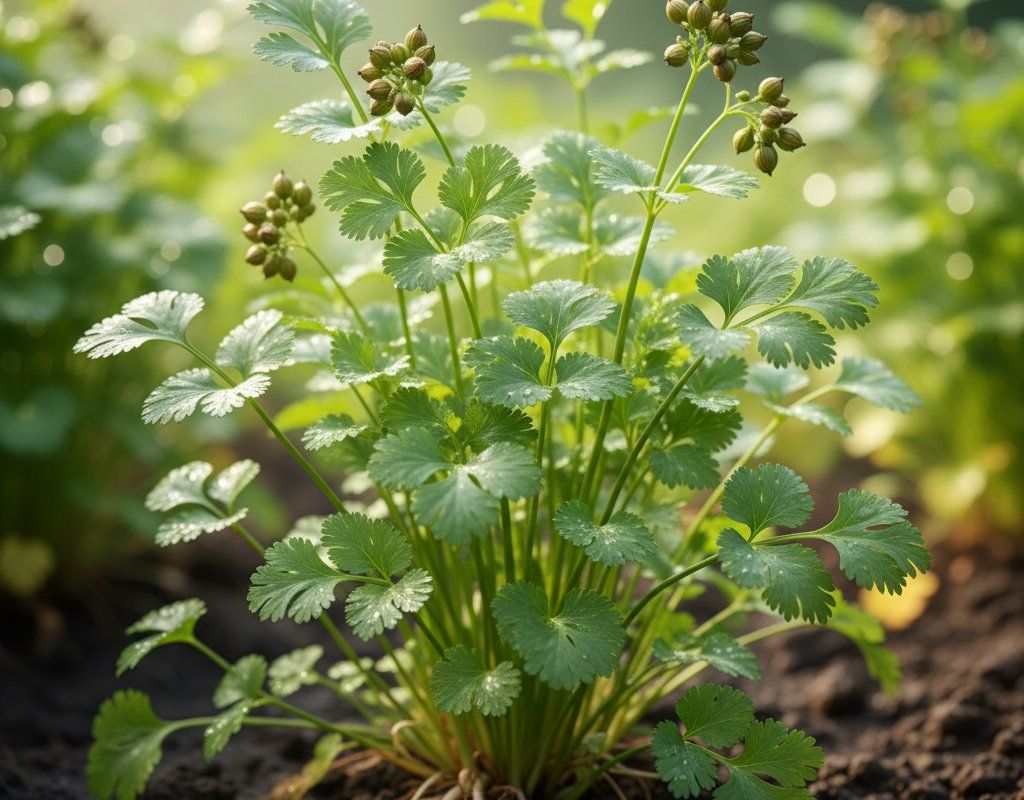
Cilantro in Zone 7A — Northeast
Coriandrum sativum · Your Complete 2026 Planting Guide
Planning Ahead — Great!
You’re ahead of the season. Here’s when to start.
Mark Your Calendar
How to Plant Cilantro in Zone 7A — Northeast
Here are all your options for getting cilantro in the ground, from the easiest method to more advanced approaches.
Direct Sow Seeds
RecommendedLate March through late August
around March 27
Consider succession planting every 2-3 weeks for continuous harvest.
Cilantro bolts quickly in heat. Direct sow in cool weather for best results.
Start Seeds Indoors
RecommendedEarly to late March
around March 13
Then transplant: Early April through late May
Start seeds 4-6 weeks before transplanting outdoors.
Buy Starts
Works WellEarly April through late May
around April 10
Plant purchased starts after last frost (April 10).
Transplant Outdoors
Timing InfoEarly April through late May
around April 10
Can tolerate light frost, but wait for soil to be workable.
You have a nice window — no need to rush.
Fall Planting
Late August through late September
September 13 ideal · Direct sow for fall harvest
Plant a second crop in mid-summer for fall harvest. Cilantro actually prefers the cooling temperatures of fall.
Overview
Cilantro thrives in our Northeast climate, especially with our cool nights that keep the leaves tender and flavorful. Unlike gardeners in hotter regions who struggle with quick bolting, you get the advantage of moderate summer heat that lets cilantro grow steadily without immediately going to seed. The fresh, bright flavor of homegrown cilantro beats anything from the store, and you'll have a continuous supply for salsa, curries, and garnishes throughout our growing season.
Our short 198-day growing season and late spring start might seem limiting, but cilantro actually works with these challenges. This cool-season crop appreciates our moderate summers and can handle light frosts, giving you multiple planting windows from early spring through late summer. With succession planting every few weeks, you'll have fresh cilantro from late spring right up to our first hard frost in late October.
Starting Seeds Indoors
Starting cilantro indoors makes sense if you want the earliest possible harvest or live in a particularly exposed area where late frost lingers. Sow seeds in early to late March, about 4 weeks before your planned transplant date. Use seed starting trays filled with quality potting mix, keeping them at around 65-70°F for best germination.
Cilantro seedlings appreciate bottom watering since the leaves can be prone to damping off if kept too wet. Once they're up and growing, they need bright light - either a sunny south window or grow lights for 12-14 hours daily. Our late spring character means you'll need to be patient with hardening off.
Honestly though, cilantro transplants fairly well but doesn't love root disturbance, so many Northeast gardeners skip the indoor start and direct sow instead. The choice is yours - indoor starting gives you control over timing, but direct sowing is simpler and often more successful.
Transplanting Outdoors
If you've started cilantro indoors, plan to transplant from early April through late May, after the soil has warmed and your last frost threat has passed. Your seedlings need a full week of hardening off - gradually exposing them to outdoor conditions since our spring weather can swing dramatically from mild to surprisingly cold.
Space transplants 6-8 inches apart in rows or clusters. Cilantro prefers partial shade to full sun, which works perfectly with our moderate summer heat. In our rocky New England soil, work in some compost before transplanting to help with drainage and nutrition.
Water transplants gently but thoroughly after planting, and keep an eye on overnight temperatures for the first week or two. Even though cilantro is fairly hardy, a late cold snap can stress young plants enough to trigger premature bolting.
Direct Sowing
Direct sowing works beautifully for cilantro in our climate and is often the preferred method. You can start sowing from late March through late August, taking advantage of our long season for succession plantings. Sow seeds ¼ inch deep and 6-8 inches apart once soil temperature reaches about 50°F.
The key advantage of direct sowing is avoiding transplant shock, which can trigger bolting. Cilantro develops a taproot that doesn't love being disturbed, so plants grown in place from seed often perform better. Plus, you can easily scatter more seeds every 2-3 weeks for continuous harvest.
Remember that cilantro bolts quickly in heat, so time your sowings wisely. Spring and fall plantings do best in our climate - summer sowings work but need partial shade and consistent moisture. Our moderate summer heat gives you more flexibility than gardeners in hotter regions.
Watering Cilantro in Zone 7A (Northeast)
Cilantro needs consistent moisture throughout our growing season - about 1 to 1.5 inches per week including rainfall. Since we typically get 40-50 inches of even rainfall annually, you'll often need less supplemental watering than gardeners in drier climates. However, don't rely entirely on nature since cilantro bolts quickly when stressed by drought.
Use the finger test regularly: stick your finger 2 inches into the soil near your plants. If it feels dry, it's time to water deeply. Our moderate-to-humid conditions mean you should water at the base of plants rather than overhead to prevent leaf diseases that thrive in humid air.
During our moderate summer heat (typically around 82°F), cilantro may need watering every other day if rainfall is lacking. Watch for signs of stress like wilting in the heat of the day - this often means the soil is getting too dry. Overwatered cilantro shows yellowing lower leaves and may develop root rot.
A light mulch of grass clippings or compost helps retain moisture without creating too much humidity around the plants. This is especially helpful during those stretches when our summer humidity climbs and you want to reduce watering frequency while keeping roots consistently moist.
🧪Fertilizing Cilantro
Feeding Schedule
Organic Fertilizer Options
Harvest Time
Your first cilantro harvest will be ready from mid-May through early November, typically 45 days from sowing. Start harvesting when plants reach 6+ inches tall - you can begin taking individual leaves even earlier for garnishes. Cut outer stems at the base with clean scissors or pinch them off, leaving the center growing point intact.
Harvest regularly to encourage new growth and delay bolting. Take no more than one-third of the plant at a time, focusing on the outer, older stems first. Fresh morning harvesting gives you the best flavor since the leaves are fully hydrated and haven't been stressed by afternoon heat.
Once cilantro sends up a flower stalk (bolting), the leaf flavor becomes bitter and the texture tough. In our climate, this typically happens during the hottest part of summer or when plants experience drought stress. Don't panic - let it go to seed for coriander, and start your next succession planting.
As our first frost approaches in late October, harvest entire plants and hang them in bunches to dry, or cut all remaining leaves to freeze in ice cube trays with olive oil. This gives you cilantro flavor through our long winter months.
Common Problems in Zone 7A (Northeast)
Bolting
Bolting shows up as a tall flower stalk shooting up from the center of your cilantro plant, often happening seemingly overnight. The leaves become bitter and tough once this happens, essentially ending your harvest from that planting.
Heat, long summer days, and drought stress trigger bolting in cool-season crops like cilantro. Even our moderate Northeast summers can push cilantro over the edge, especially during July and August heat waves. Rocky soil that drains too quickly can also stress plants into bolting.
Prevent bolting by providing partial shade during the hottest part of summer and keeping soil consistently moist. Succession plant every 2-3 weeks rather than trying to keep one planting going all season. Choose slow-bolt varieties, and focus your main cilantro growing on spring and fall when our cooler weather naturally prevents bolting.
Aphids
Look for clusters of tiny, soft-bodied insects on stems and leaf undersides - they can be green, black, or white. You'll notice sticky honeydew residue on leaves and curled or distorted new growth where they've been feeding.
These sap-sucking insects reproduce rapidly, especially during warm weather. Our moderate-to-humid summers create ideal conditions for aphid populations to explode. Ant colonies often farm them for their honeydew, so if you see ants on your cilantro, check for aphids too.
Knock aphids off with a strong spray from your hose - this works well and doesn't harm the plants. Encourage natural predators like ladybugs and lacewings by planting diverse flowers nearby. For heavy infestations, insecticidal soap works effectively, and neem oil provides systemic control. Avoid over-fertilizing with nitrogen, which creates tender growth that aphids love.
Leaf Spot
Leaf spot appears as small, dark spots on cilantro leaves that gradually enlarge and may have yellow halos. Severely affected leaves turn yellow and drop off, weakening the plant and reducing your harvest.
Our moderate-to-humid conditions, especially during wet periods, create perfect conditions for fungal leaf spot diseases. Poor air circulation and overhead watering make the problem worse, as does working around wet plants.
Water at soil level rather than overhead, and space plants properly for good air circulation. Remove affected leaves promptly and dispose of them in the trash, not your compost. Avoid working around plants when they're wet from rain or dew, as this spreads the disease. Copper-based fungicides can help if the problem persists.
Northeast Specific Challenges
Our moderate heat and moderate-to-humid summers actually work in cilantro's favor compared to hotter regions, giving you a longer window before bolting becomes inevitable. The main challenge is timing your succession plantings to work around our shorter growing season - start early and keep planting through late summer for continuous harvest right up to frost.
Best Companions for Cilantro
Plant these nearby for healthier Cilantro and better harvests.

Keep Away From

Companion Planting Details
Cilantro makes an excellent companion for tomatoes, naturally repelling aphids and other pests that commonly attack tomato plants. Plant cilantro around the base of your tomatoes or in nearby rows - the strong scent confuses pests while the cilantro benefits from partial shade as tomatoes grow taller. Spinach also pairs well since both prefer cooler weather and similar soil conditions, letting you maximize space in your spring and fall gardens.
Peppers and beans work as good neighbors too - peppers provide some afternoon shade for cilantro during our summer heat, while beans fix nitrogen that cilantro can use. Avoid planting cilantro near fennel, which can inhibit cilantro's growth and may cause it to bolt prematurely. The two plants seem to compete for resources and don't thrive when grown close together.
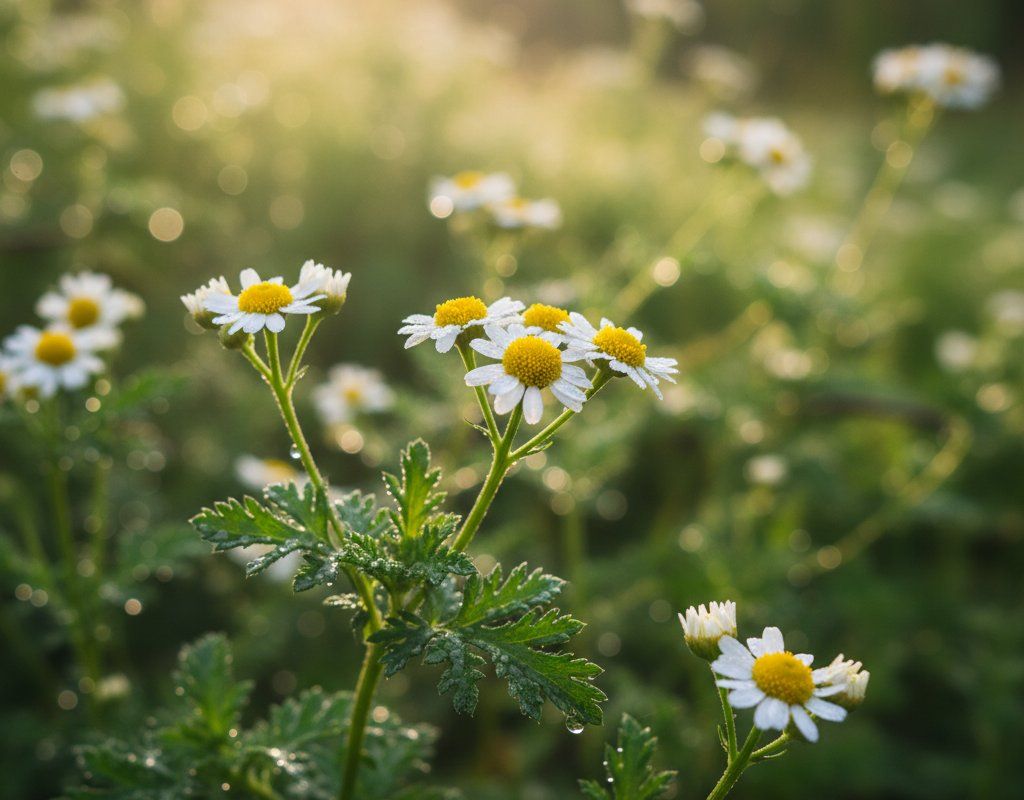
🌸Best Flowers to Plant with Cilantro
These flowers protect your Cilantro from pests and attract pollinators for better harvests.



Get a Reminder When It's Time to Plant
We'll email you when key planting windows open for your zone.