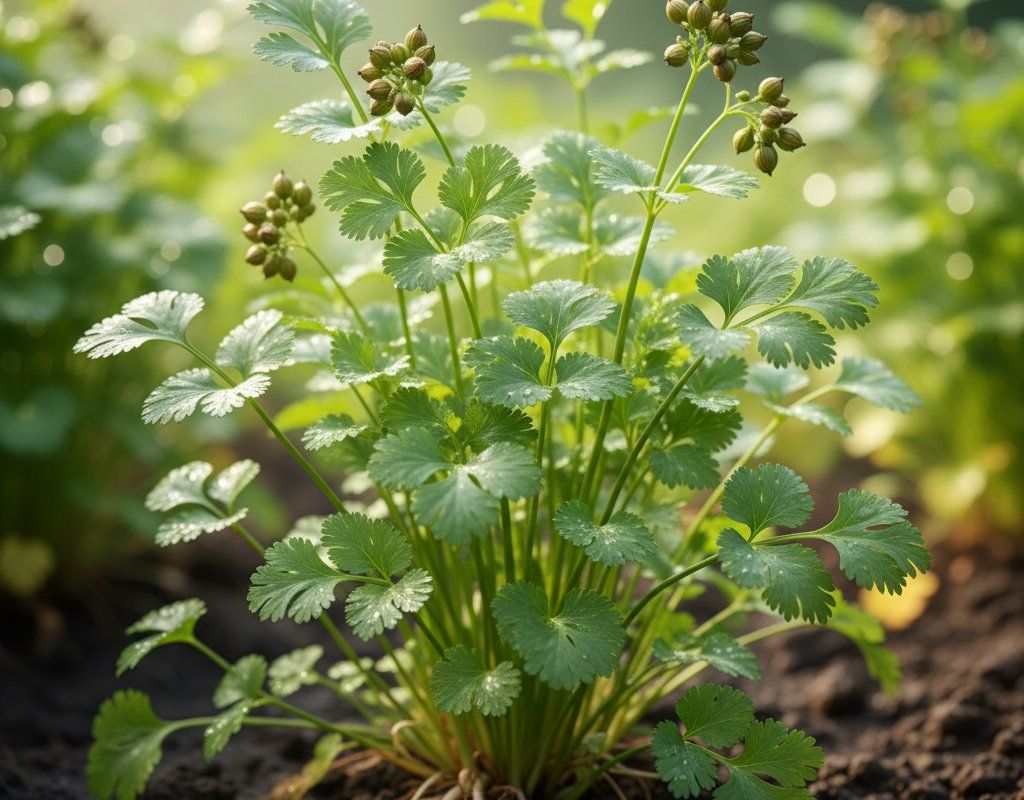
Cilantro in Zone 7A — Southeast
Coriandrum sativum · Your Complete 2026 Planting Guide
Last Call for Seed Starting!
Indoor seed starting window closes in 7 days.
Start Seeds This Week
Start seeds now for transplanting later.
Or Wait for Starts
If you don’t want to start seeds, starts will be available around March 25.
How to Plant Cilantro in Zone 7A — Southeast
Here are all your options for getting cilantro in the ground, from the easiest method to more advanced approaches.
Direct Sow Seeds
RecommendedMid March through early September
around March 11
Consider succession planting every 2-3 weeks for continuous harvest.
Cilantro bolts quickly in heat. Direct sow in cool weather for best results.
Start Seeds Indoors
RecommendedMid February through mid March
around February 25
Then transplant: Late March through early May
Start seeds 4-6 weeks before transplanting outdoors.
Buy Starts
Works WellLate March through early May
around March 25
Plant purchased starts after last frost (March 25).
Transplant Outdoors
Timing InfoLate March through early May
around March 25
Can tolerate light frost, but wait for soil to be workable.
You have a nice window — no need to rush.
Fall Planting
Early September through early October
September 24 ideal · Direct sow for fall harvest
Plant a second crop in mid-summer for fall harvest. Cilantro actually prefers the cooling temperatures of fall.
Overview
Cilantro brings bright, citrusy flavor to your Southeast garden that makes everything from salsa to Vietnamese pho taste restaurant-fresh. Here in Zone 7A, our long growing season lets you succession plant cilantro from spring through fall, giving you months of fresh leaves instead of buying those sad plastic packages at the store. The herb thrives in our moderate spring weather and can handle our clay soil better than many delicate herbs.
The key to cilantro success in our hot, humid climate is timing your plantings right. Yes, it bolts quickly once summer heat hits, but with our 225-day growing season, you have plenty of opportunities to plant cool-weather crops in spring and again in fall. Start early, plant again in late summer, and you'll have fresh cilantro for most of the year.
Starting Seeds Indoors
Starting cilantro indoors works well if you want an early spring harvest or better control over germination. Sow seeds in seed trays from mid-February through mid-March, about four weeks before your last frost. The seeds need consistent moisture and warmth to germinate well.
Set up your trays in a warm spot (65-70°F) with good light once seedlings emerge. Bottom watering works better than overhead watering since it keeps the soil evenly moist without disturbing the delicate seedlings. Our moderate spring weather makes transplanting straightforward once the soil warms up.
Keep in mind that cilantro doesn't love root disturbance, so many Southeast gardeners prefer direct sowing. But indoor starting gives you a head start when you're eager for fresh herbs after winter.
Transplanting Outdoors
Transplant your cilantro seedlings outdoors from late March through early May, after your last frost risk passes. Here in the Southeast, this timing puts transplants in the ground during our pleasant spring weather before summer heat arrives. Harden off seedlings gradually over a week by setting them outside for longer periods each day.
Space transplants 6-8 inches apart in soil that drains well. Our clay soil can stay too wet in spring, so consider raised beds or adding compost to improve drainage. Plant on a cloudy day or in late afternoon to reduce transplant shock.
Water transplants in well and keep the soil consistently moist for the first week while roots establish. Once settled, they'll handle our spring weather beautifully and give you several harvests before hot weather hits.
Direct Sowing
Direct sowing cilantro works especially well in our Southeast climate since the herb dislikes root disturbance. Sow seeds from mid-March through early September, though spring and fall plantings perform much better than summer sowings. Plant seeds about ¼ inch deep and 6-8 inches apart in loose, well-draining soil.
Cilantro seeds germinate slowly in cool soil but establish quickly once they get going. Spring sowings from mid-March through April give you the longest harvest period before plants bolt in summer heat. For continuous harvests, sow new seeds every two to three weeks.
Summer direct sowing rarely works well here since cilantro bolts almost immediately in our 92°F heat and humidity. Save your seeds for late August through early September fall plantings when temperatures start moderating and you'll get much better results.
Watering Cilantro in Zone 7A (Southeast)
Cilantro needs consistent moisture to prevent bolting, especially important in our hot, humid Southeast climate. Water deeply once or twice per week, providing about an inch of water total. Check soil moisture by sticking your finger two inches down – if it's dry, it's time to water.
Our wet summers with 45-55 inches of annual rainfall mean you'll rarely need to water established plants from May through August, but spring and fall plantings need regular attention. Water at the base of plants rather than overhead watering, since our high humidity can encourage fungal problems on wet leaves.
During hot spells in late spring or early fall, increase watering frequency to keep soil consistently moist. Cilantro bolts quickly when stressed by drought, and once it sends up that flower stalk, the leaves turn bitter. A two-inch layer of mulch helps retain moisture and keep roots cool.
Watch for signs of overwatering too – yellowing leaves and soggy soil indicate too much moisture. Our clay soil holds water longer than sandy soils, so adjust your watering schedule based on recent rainfall and soil drainage.
🧪Fertilizing Cilantro
Feeding Schedule
Organic Fertilizer Options
Harvest Time
Your first cilantro harvest starts in late April if you planted early, continuing through mid-November with succession plantings. Plants mature in about 45 days from seed, but you can start harvesting individual leaves when plants reach 6 inches tall. Cut outer stems at the base, leaving the center growing point intact for continued production.
Harvest frequently to encourage new growth and delay bolting. Take what you need for fresh use, but don't strip the plant completely – leave at least one-third of the foliage for photosynthesis. Morning harvest gives you the most flavorful leaves when essential oils are strongest.
Once plants bolt and send up flower stalks, leaf production stops and flavor becomes bitter. Don't fight it – pull bolted plants and start fresh seeds for your next succession planting. In our long Southeast growing season, you have time for multiple plantings from spring through fall.
As first frost approaches in early November, harvest entire plants and preserve excess by freezing in ice cube trays with oil or drying for coriander seeds if plants have flowered.
Common Problems in Zone 7A (Southeast)
Bolting appears as a tall flower stalk shooting up from the center of the plant, with leaves becoming bitter and tough. This happens when cilantro shifts from leaf production to seed production, triggered by our summer heat, long days, or drought stress. Prevent bolting by planting at the right time (avoid mid-summer), providing afternoon shade during hot weather, and keeping soil consistently moist. Choose slow-bolt varieties and succession plant every few weeks for continuous harvests.
Aphids show up as clusters of tiny green, black, or white insects on stems and leaf undersides, often with sticky honeydew residue and curled new growth. These sap-sucking pests multiply rapidly in our warm, humid weather, and ant colonies often farm them. Blast them off with a strong water spray, encourage natural predators like ladybugs, or use insecticidal soap for heavy infestations. Avoid excess nitrogen fertilizer which attracts aphids.
Leaf spot appears as brown or black spots on leaves, often with yellow halos, caused by fungal diseases that thrive in our humid conditions. Water at the base of plants rather than overhead, provide good air circulation by proper spacing, and avoid working with plants when leaves are wet. Remove affected leaves promptly and consider fungicidal soap if the problem persists.
Southeast Specific Challenges: Our hot, humid summers create perfect conditions for fungal diseases while encouraging rapid bolting. The combination of 92°F heat and high humidity means spring and fall plantings vastly outperform summer attempts, making succession planting essential for continuous harvests.
Best Companions for Cilantro
Plant these nearby for healthier Cilantro and better harvests.
Keep Away From

Companion Planting Details
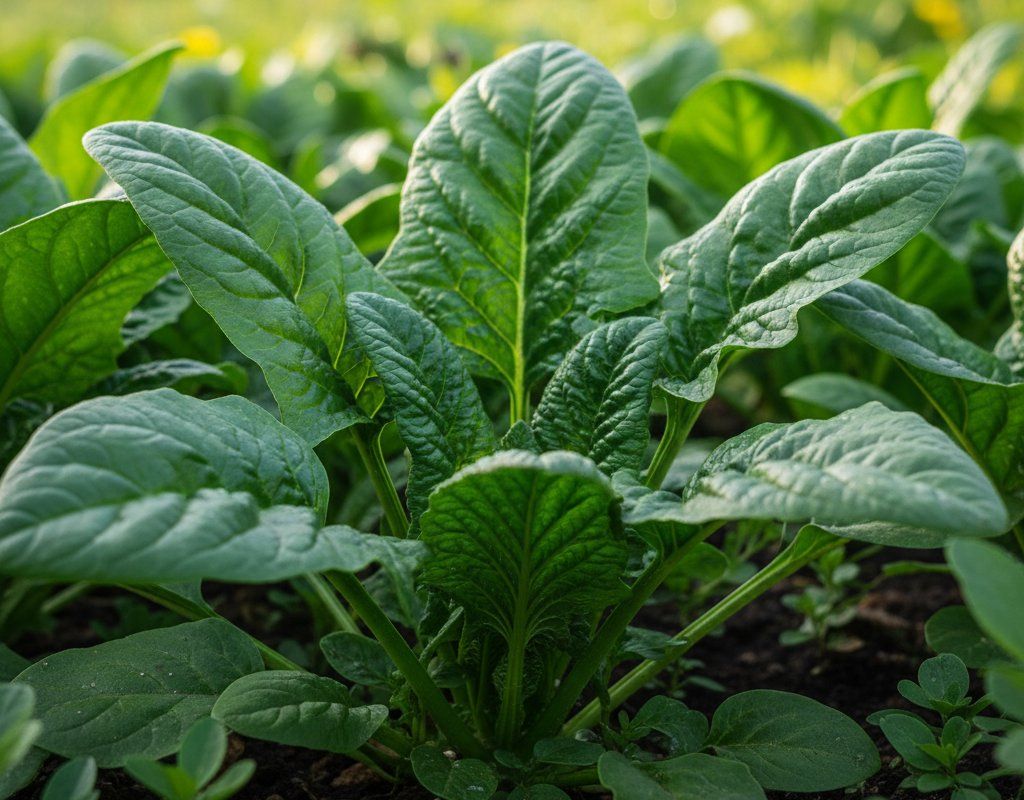
Cilantro pairs beautifully with tomatoes, peppers, and beans in Southeast gardens. It helps repel aphids from tomatoes and peppers with its strong scent, while the taller vegetables provide welcome afternoon shade during late spring heat. Plant cilantro near spinach since both prefer cool weather and similar growing conditions – you can harvest both for fresh salads before summer heat arrives.
Avoid planting cilantro near fennel, which can cross-pollinate and affect flavor if plants go to seed. In our humid climate, give all plants proper spacing for air circulation to prevent fungal problems that plague overcrowded herb gardens.
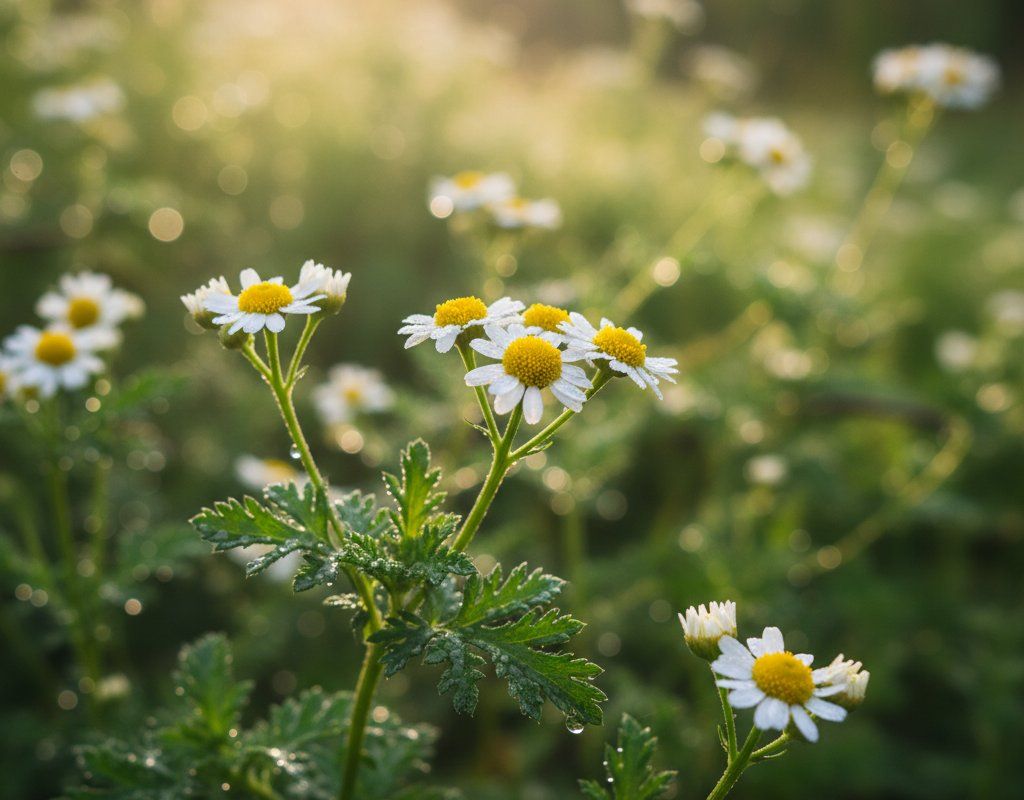
🌸Best Flowers to Plant with Cilantro
These flowers protect your Cilantro from pests and attract pollinators for better harvests.



Get a Reminder When It's Time to Plant
We'll email you when key planting windows open for your zone.