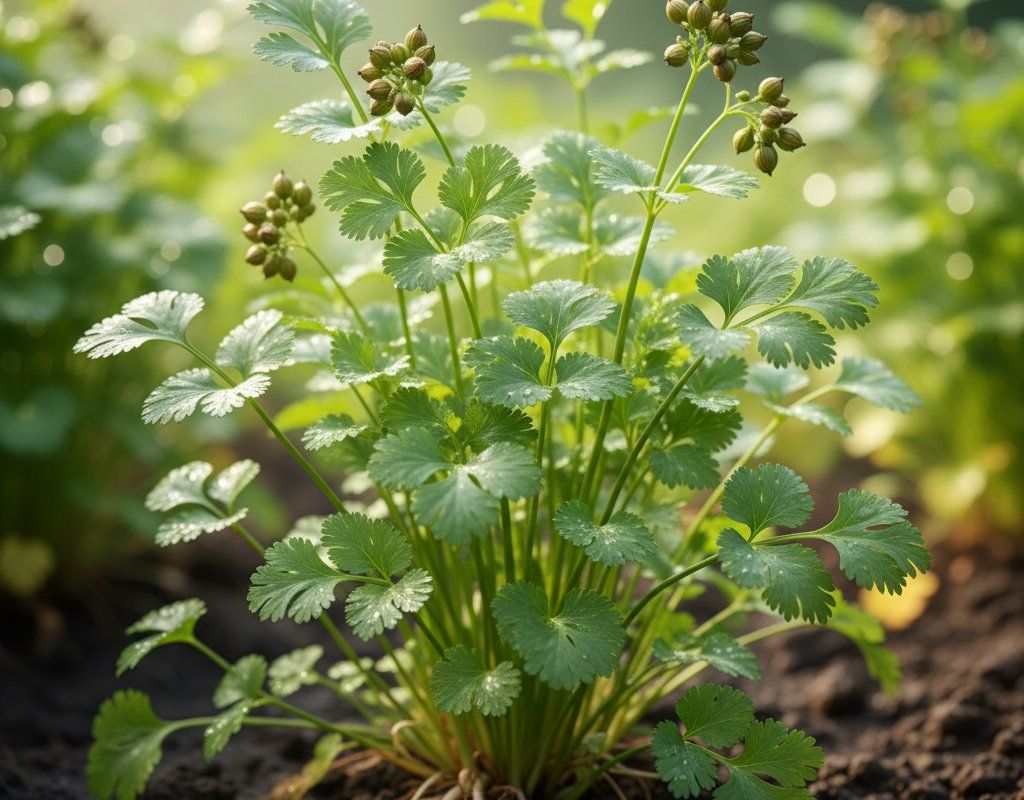
Cilantro in Zone 8A — Desert Southwest
Coriandrum sativum · Your Complete 2026 Planting Guide
Missed Seed Starting? No Problem!
Wait for starts to become available.
What to Do
Starts will be available at nurseries in 1 days (around March 5).
How to Plant Cilantro in Zone 8A — Desert Southwest
Here are all your options for getting cilantro in the ground, from the easiest method to more advanced approaches.
Direct Sow Seeds
RecommendedMid February through late September
around February 19
Consider succession planting every 2-3 weeks for continuous harvest.
Cilantro bolts quickly in heat. Direct sow in cool weather for best results.
Start Seeds Indoors
RecommendedLate January through mid February
around February 5
Then transplant: Early March through mid April
Start seeds 4-6 weeks before transplanting outdoors.
Buy Starts
Works WellEarly March through mid April
around March 5
Plant purchased starts after last frost (March 5).
Transplant Outdoors
Timing InfoEarly March through mid April
around March 5
Can tolerate light frost, but wait for soil to be workable.
You have a nice window — no need to rush.
Fall Planting
Late September through late October
October 14 ideal · Direct sow for fall harvest
Plant a second crop in mid-summer for fall harvest. Cilantro actually prefers the cooling temperatures of fall.
Overview
Cilantro thrives in our Desert Southwest two-season growing pattern, giving you fresh herbs when store-bought cilantro costs a fortune and tastes like cardboard. This fast-growing herb loves our mild winters and can handle our spring heat better than most leafy greens, making it perfect for salsas, curries, and the Mexican dishes that define our regional cuisine. You'll get multiple harvests from succession plantings through our long growing season.
Our extreme summer heat and arid conditions mean timing is everything with cilantro - it bolts fast once temperatures climb. But with our 265-day growing season and two distinct planting windows, you can enjoy fresh cilantro from early spring through late fall by working with the desert climate instead of against it.
Starting Seeds Indoors
Starting cilantro indoors works well in the Desert Southwest, especially for your early spring crop when outdoor soil is still cool. Start seeds in late January through mid-February, about 4 weeks before you plan to transplant outdoors. This gives you a head start on the growing season and lets you control germination conditions.
Use seed trays with good drainage and keep them in a warm spot - around 65-70°F works perfectly. Bottom watering prevents damping-off and keeps seedlings healthy. Our very early spring character means you can get transplants in the ground by early March, taking advantage of those perfect growing conditions before the heat hits.
Cilantro doesn't love being transplanted, so handle seedlings gently and don't let them get rootbound in their trays. The indoor start method works best when you want precise timing for succession plantings.
Transplanting Outdoors
Transplant your cilantro seedlings outdoors from early March through mid-April, when nighttime temperatures stay consistently above 40°F. This timing catches our sweet spot - warm enough for growth but not so hot that plants bolt immediately. Your transplants will establish quickly in the mild spring weather.
Harden off seedlings for about a week before transplanting, gradually increasing their outdoor exposure. Start with morning sun only, then work up to their preferred partial shade to full sun conditions. Space plants 6-8 inches apart to allow good air circulation - important in our arid climate where stressed plants are more prone to problems.
Watch for late cold snaps in March, though they're rare. Our alkaline soil can be tough on young transplants, so work in some compost if your soil is particularly hard or caliche-y. Water transplants in well and keep soil consistently moist for the first week while they establish.
Direct Sowing
Direct sowing works great for cilantro in the Desert Southwest, especially for your main spring crop and fall succession plantings. Sow seeds from mid-February through late September, though you'll skip the brutal summer months of June through August. Direct-sown plants often outperform transplants since cilantro doesn't love root disturbance.
Plant seeds about 1/4 inch deep in loose, well-draining soil. Our caliche and alkaline conditions can be challenging, so work compost into planting areas to improve soil structure and water retention. Seeds germinate best when soil temperatures are between 50-70°F - perfect for our spring and fall windows.
Space seeds 6-8 inches apart or plant more thickly and thin later. Cilantro bolts quickly once heat and long days hit, so direct sowing in cool weather gives you the best leaf production. Fall plantings from late September often produce the most tender, flavorful leaves as temperatures cool down.
Watering Cilantro in Zone 8A (Desert Southwest)
Cilantro needs consistent moisture to prevent the rapid bolting that our extreme heat and arid conditions trigger. Keep soil evenly moist but not waterlogged - about 1-1.5 inches of water per week during our mild winters and springs. The finger test works well: stick your finger 2 inches into soil near the base of plants. If it's dry, it's time to water.
Water at the base rather than overhead to conserve moisture in our low-humidity environment. Overhead watering evaporates quickly in our dry air, and wet leaves in our intense sun can lead to scalding. Early morning watering gives plants time to absorb moisture before afternoon heat hits.
During our monsoon season, back off on supplemental watering but keep an eye on soil moisture between storms. Desert soils drain fast, and even monsoon rains don't always penetrate deeply enough. Watch for wilting or bitter-tasting leaves - both signs of water stress that lead to immediate bolting.
Mulch around plants with a thin layer of compost or shredded leaves to retain soil moisture and keep roots cool. In extreme heat spells above 100°F, even well-watered cilantro may bolt, so plan succession plantings and use shade cloth during the hottest periods.
🧪Fertilizing Cilantro
Feeding Schedule
Organic Fertilizer Options
Harvest Time
Your first cilantro harvest comes about 45 days after planting, typically in early April for spring sowings and continuing through early December with succession plantings. Harvest when plants reach 6+ inches tall and have developed their characteristic feathery leaves. Young leaves have the best flavor before the heat makes them bitter.
Cut outer stems at the base rather than picking individual leaves - this encourages bushier growth and more harvests. Use clean scissors or garden shears and take no more than one-third of the plant at a time. Fresh-cut cilantro keeps longer if you harvest in the cool morning hours rather than during our blazing afternoon heat.
Once cilantro sends up a flower stalk (bolting), the leaves become bitter and tough. In our desert climate, this happens fast once temperatures climb above 80°F consistently. Harvest heavily just before bolting, then pull plants and start your next succession planting.
Keep succession planting every 2-3 weeks through the growing season for continuous harvests. Your fall plantings from late September often produce the most tender leaves as temperatures cool. Stop planting about 6 weeks before your first expected frost in late November to ensure final harvests.
Common Problems in Zone 8A (Desert Southwest)
Bolting Bolting shows up as a tall flower stalk shooting up from the center of your cilantro plant, often seemingly overnight. The leaves become bitter and tough as the plant shifts energy to seed production rather than leaf growth. In the Desert Southwest, bolting happens fast once temperatures consistently hit 80°F or higher, which can be as early as late April.
Our extreme heat, long days, and low humidity stress trigger bolting in cool-season crops like cilantro. Drought stress makes it worse - even a day or two of dry soil can push stressed plants over the edge. Plant at the right times (avoid late spring and summer), provide afternoon shade during heat spells, and keep soil consistently moist. Choose bolt-resistant varieties and embrace succession planting every 2-3 weeks rather than fighting the inevitable.
Aphids Aphids appear as clusters of tiny green, black, or white soft-bodied insects on stems and leaf undersides. You'll notice sticky honeydew residue on leaves and curled or distorted new growth. These sap-suckers reproduce rapidly in warm weather and populations explode during our spring growing season.
Our arid conditions don't naturally control aphid populations like humidity and rain do in other climates. Encourage natural predators like ladybugs by growing diverse plants nearby. Knock aphids off with strong water spray in early morning (water evaporates quickly in our dry air). For heavy infestations, use insecticidal soap or neem oil, and avoid high-nitrogen fertilizers that attract them.
Leaf Spot Leaf spot appears as small brown or yellow spots on cilantro leaves, sometimes with a water-soaked appearance around the edges. Spots may have darker borders and can merge to form larger dead patches. While less common in our arid climate, it can develop during monsoon season when humidity spikes.
Fungal leaf spots thrive in wet conditions combined with warm temperatures - exactly what we get during July and August monsoons. Improve air circulation by proper spacing, water at soil level rather than overhead, and avoid working with wet plants. Remove affected leaves immediately and consider copper-based fungicides for severe cases.
Desert Southwest Specific Challenges Our extreme heat and low humidity create unique stress conditions that cause cilantro to bolt faster than in other climates. The intense UV from our high elevation can scorch leaves even when temperatures seem manageable. Alkaline soil and hardpan caliche layers restrict root development, making plants more susceptible to heat and drought stress during our long, intense summers.
Best Companions for Cilantro
Plant these nearby for healthier Cilantro and better harvests.
Keep Away From

Companion Planting Details
Cilantro pairs beautifully with tomatoes, peppers, and beans in desert gardens - the cilantro's low growth provides living mulch that conserves soil moisture while these taller plants offer afternoon shade during heat spells. Plant cilantro around your pepper plants especially; it repels aphids that commonly attack peppers in our warm springs, and you'll have both ingredients ready for salsa at the same time.
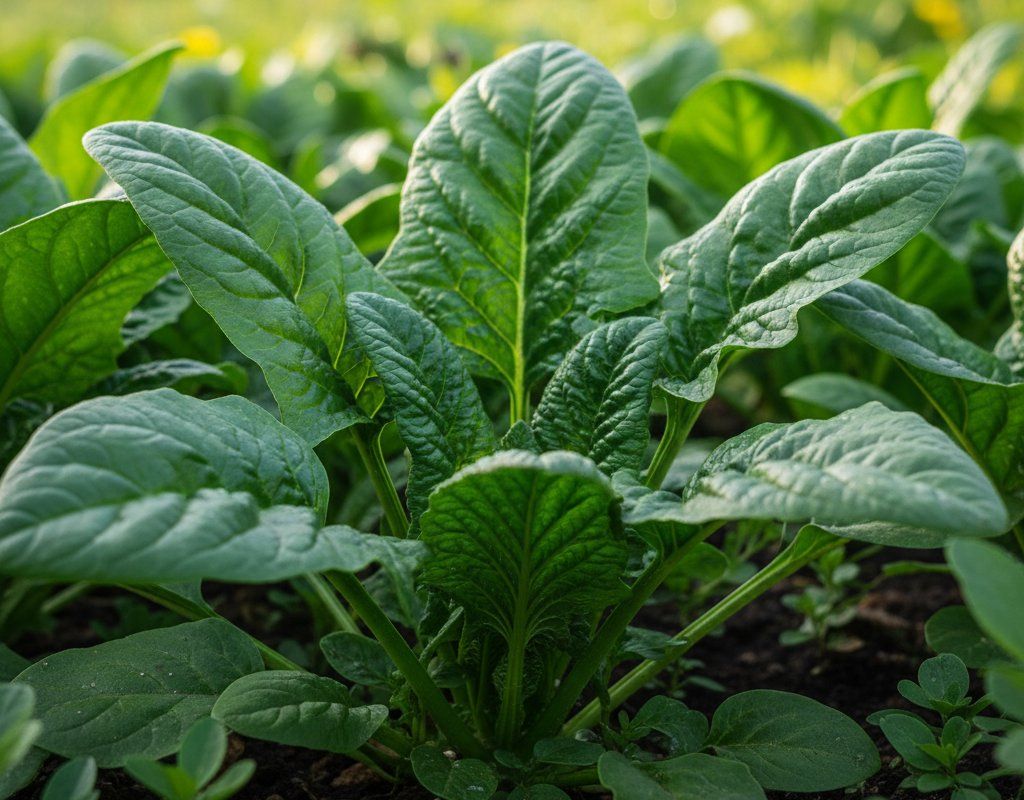
Spinach makes an excellent cool-season companion since both thrive in our mild winter conditions and bolt around the same time when heat arrives. Avoid planting cilantro near fennel, which releases compounds that inhibit cilantro's growth and can cause premature bolting - something you definitely don't need more of in our challenging desert heat.
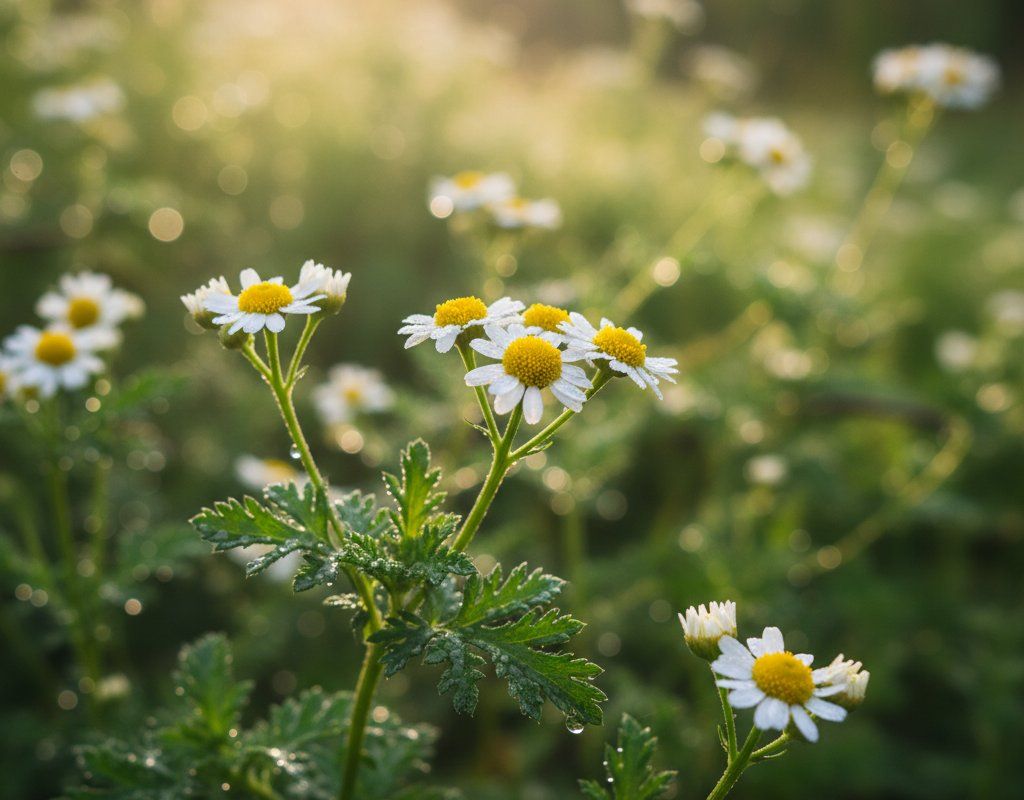
🌸Best Flowers to Plant with Cilantro
These flowers protect your Cilantro from pests and attract pollinators for better harvests.



Get a Reminder When It's Time to Plant
We'll email you when key planting windows open for your zone.