All 20 Companion Flowers

French Marigold
Tagetes patula
Roots release thiophene, toxic to soil nematodes. Strong scent confuses flying pests.

Nasturtium
Tropaeolum majus
Acts as trap crop - pests attack nasturtiums instead of vegetables. Edible flowers.

Borage
Borago officinalis
One of the best bee plants. Continuous blooms. May improve tomato flavor. Edible flowers.

Calendula
Calendula officinalis
Sticky leaves trap aphids. Attracts hoverflies whose larvae eat aphids. Medicinal uses.

Zinnia
Zinnia elegans
Excellent pollinator plant. Long bloom season. Great cut flower.

Cosmos
Cosmos bipinnatus
Attracts beneficial insects that prey on aphids and caterpillars. Easy to grow.
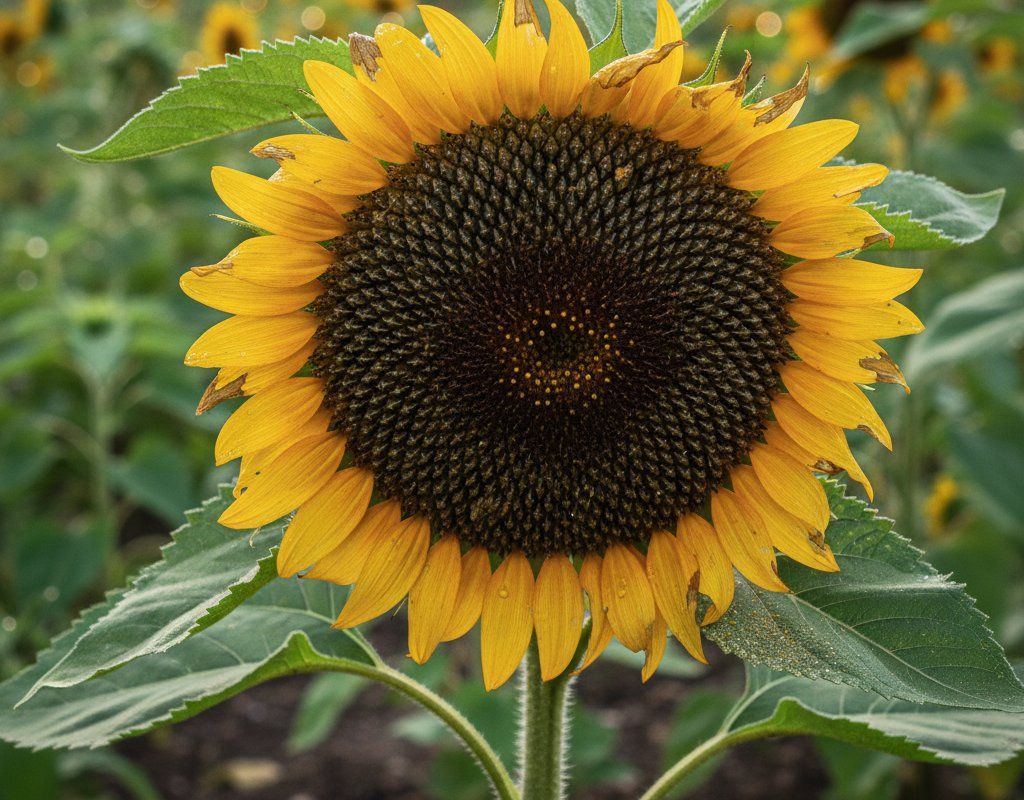
Sunflower
Helianthus annuus
Major pollinator attractor. Seeds feed birds that eat pests. Can support pole beans.

Sweet Alyssum
Lobularia maritima
Low-growing ground cover. Hoverfly larvae are major aphid predators. Long bloom season.

Petunia
Petunia × hybrida
Natural pest repellent. Good in containers near vegetables.

Lavender
Lavandula angustifolia
Strong scent repels many pests and browsing animals. Excellent bee plant. Perennial.

Yarrow
Achillea millefolium
Powerful beneficial insect attractor. Flat flowers are landing pads for predatory wasps. Perennial.

Chrysanthemum
Chrysanthemum morifolium
Contains natural pyrethrin, a powerful insecticide. Repels many crawling pests.

Geranium
Pelargonium × hortorum
Linalool in leaves repels many insects. Some varieties trap Japanese beetles.
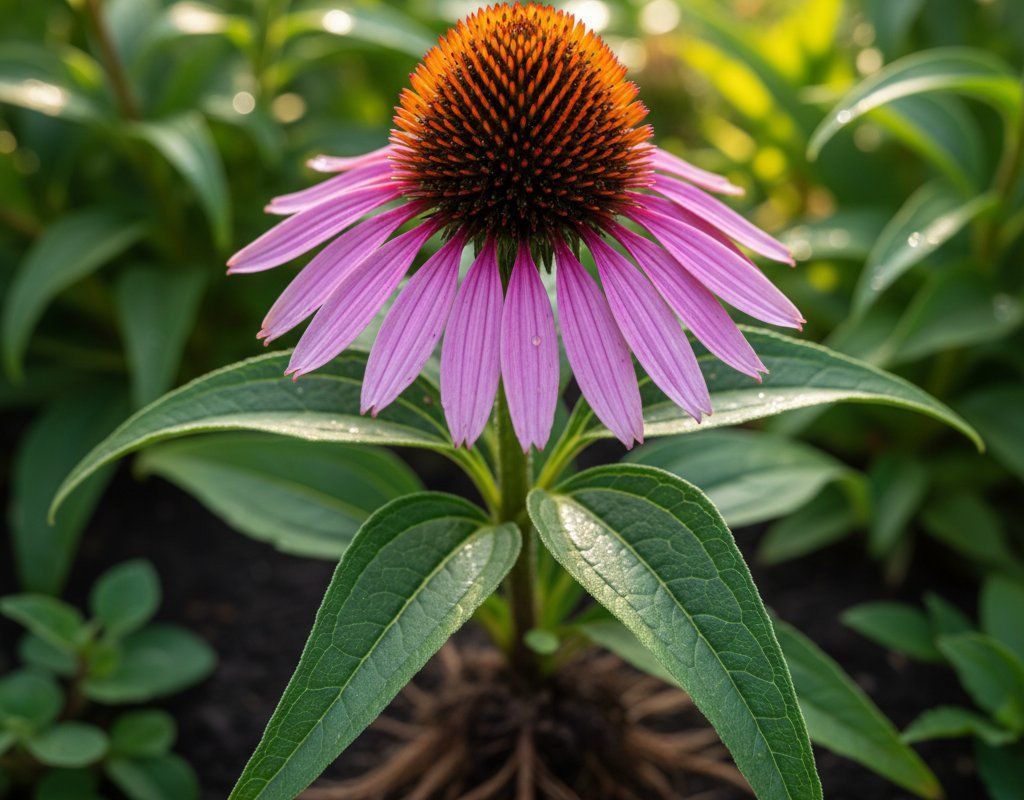
Echinacea
Echinacea purpurea
Native perennial that supports a wide range of pollinators and beneficial insects. Long bloom period.
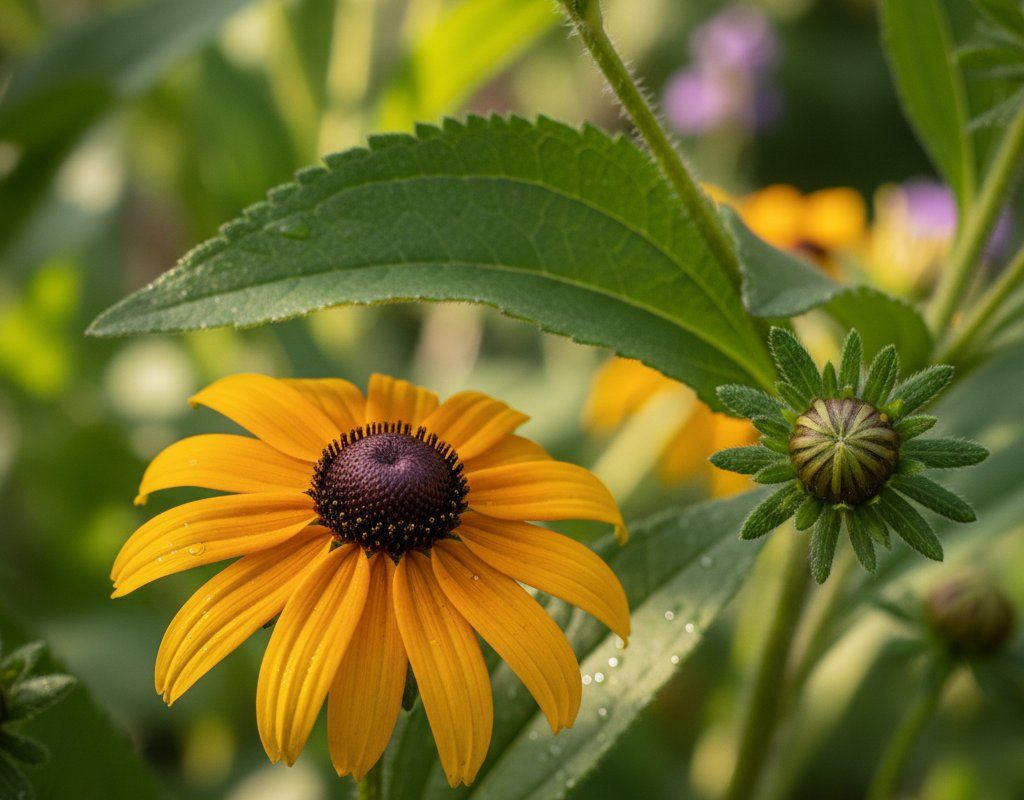
Black-Eyed Susan
Rudbeckia hirta
Native wildflower with long bloom season. Attracts diverse beneficial insects and seed-eating birds.

Chamomile
Matricaria chamomilla
Called the 'plant doctor' - improves growth and flavor of nearby plants. Attracts beneficials. Medicinal.
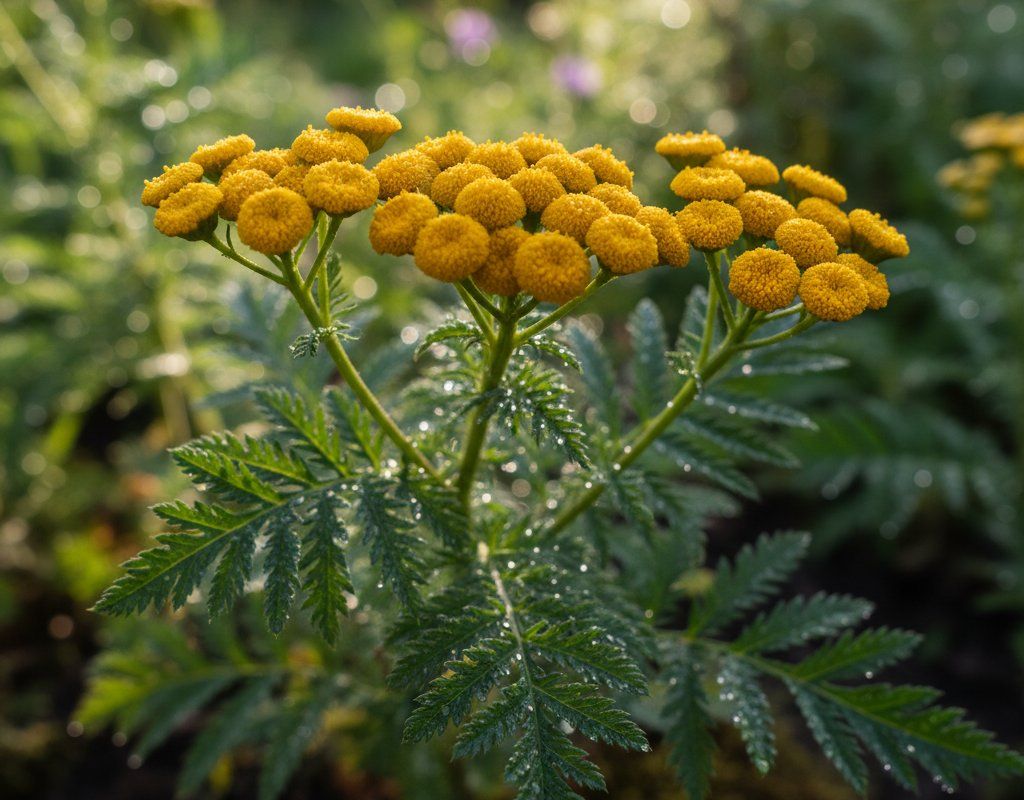
Tansy
Tanacetum vulgare
Very strong pest repellent. Particularly effective against potato beetles. Contains toxic compounds - use with care.
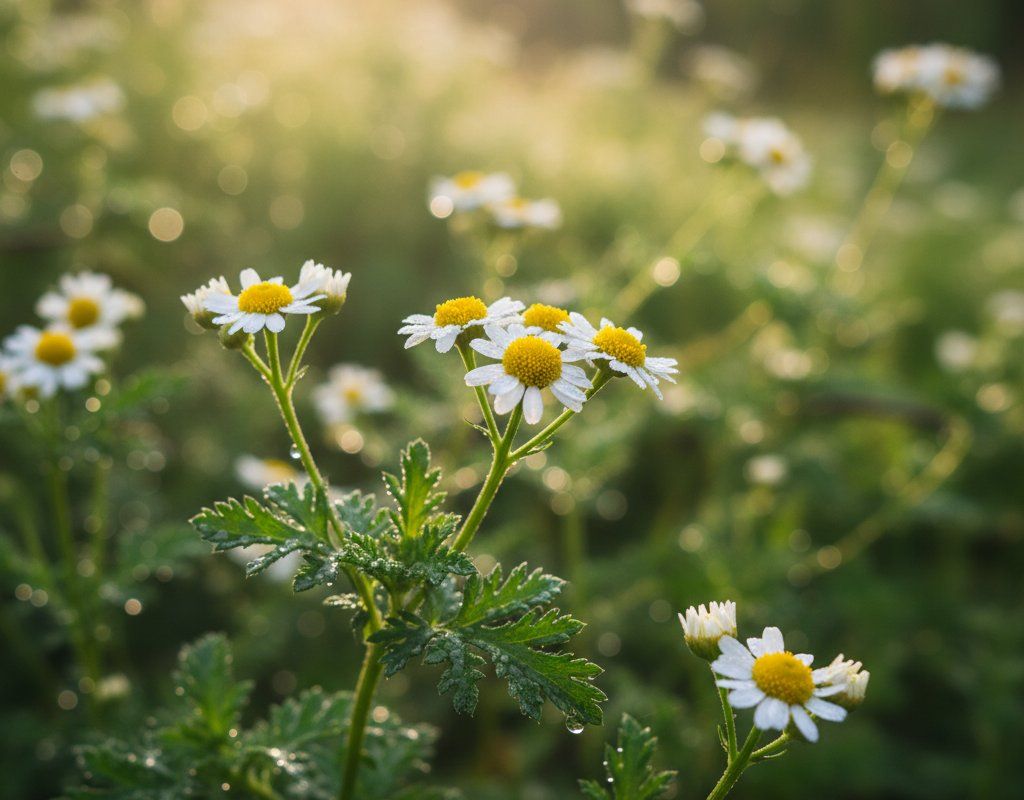
Feverfew
Tanacetum parthenium
Strong scent deters many pest insects. Attracts beneficial predators. Medicinal herb.
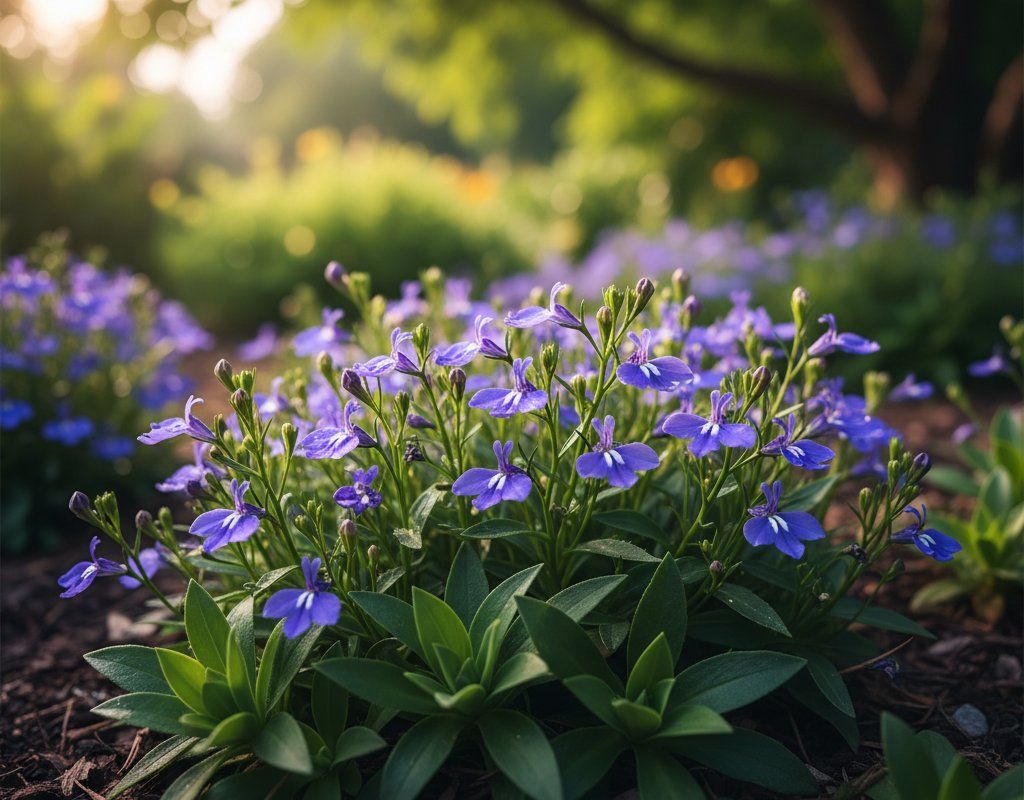
Lobelia
Lobelia erinus
Low-growing edging plant that attracts pollinators without competing with vegetables. Continuous blooms.
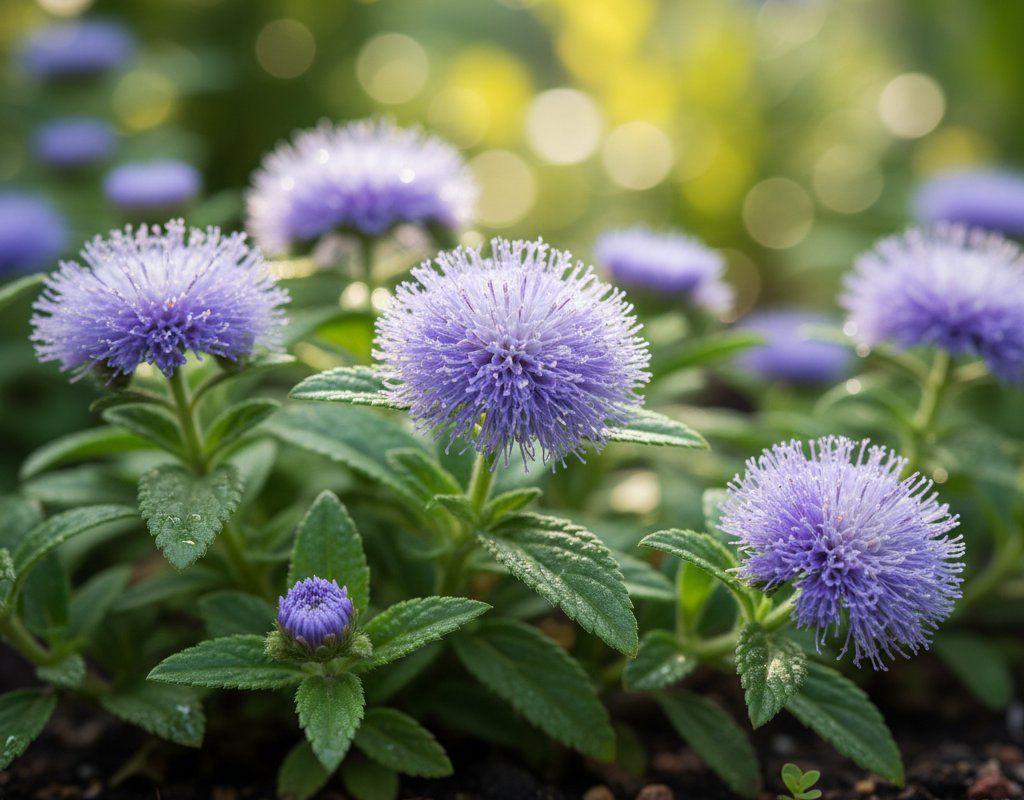
Ageratum
Ageratum houstonianum
Contains coumarin, a natural mosquito repellent. Attracts hoverflies that eat aphids.