
Corn in Zone 7A — Northern California
Zea mays · Your Complete 2026 Planting Guide
Planning Ahead — Great!
You’re ahead of the season. Here’s when to start.
Mark Your Calendar
How to Plant Corn in Zone 7A — Northern California
Here are all your options for getting corn in the ground, from the easiest method to more advanced approaches.
Direct Sow Seeds
RecommendedLate March through mid August
around March 27
Consider succession planting every 2-3 weeks for continuous harvest.
Corn doesn't transplant well and grows fast. Direct sow after frost when soil is warm.
Buy Starts
Works WellEarly April through early May
around April 3
Plant purchased starts after last frost (March 20).
Start Seeds Indoors
ChallengingThis plant is typically not started indoors.
Transplant Outdoors
Timing InfoEarly April through early May
around April 3
Wait until nighttime temperatures stay above 50°F.
You have a nice window — no need to rush.
Overview
Growing corn in Northern California's Zone 7A is pure satisfaction — there's nothing quite like biting into a sweet, juicy ear you picked minutes earlier from your own garden. Our Mediterranean climate with its long growing season and predictable dry summers makes corn an excellent choice, especially since you can succession plant for harvests from early summer through fall. The reliable warmth and abundant sunshine give corn exactly what it craves for developing those plump, sugar-packed kernels.
While our dry summers and occasional water restrictions can seem challenging for this thirsty crop, proper timing and smart watering make corn very manageable here. With our generous 235-day growing season, you have flexibility to plant multiple crops or choose varieties that mature at different times. The key is working with our climate patterns rather than against them.
Transplanting Outdoors
While corn can be transplanted, it's rarely the best approach in Northern California. Corn develops a taproot quickly and doesn't appreciate root disturbance, which makes transplanting tricky even under ideal conditions. If you do choose to transplant seedlings started indoors, plan for early April through early May when soil has warmed and nighttime temperatures stay above 50°F.
Harden off transplants gradually over a full week, starting with just 2-3 hours of morning sun and building up to full exposure. Space plants 8-12 inches apart in rows or blocks. Be extra gentle when transplanting since damaged roots often lead to stunted plants that never quite recover in our dry summer heat.
Direct Sowing
Direct sowing is absolutely the way to go with corn in Northern California — it's faster, easier, and gives you stronger plants. You can start sowing from late March through mid-August, taking advantage of our extended growing season for succession plantings every 2-3 weeks. The key is waiting until soil temperature hits at least 60°F, which usually happens by late March in most NorCal locations.
Prepare your soil by working in compost and ensuring good drainage, then plant seeds 1-2 inches deep and 8-12 inches apart. Plant in blocks rather than single rows for better pollination — corn is wind-pollinated and needs neighboring plants for good kernel development. In our dry climate, water the planting area well before sowing and keep soil consistently moist until germination, which typically takes 7-10 days in warm conditions.
Summer plantings (June through mid-August) work beautifully here since our moderate summer temperatures rarely stress corn the way brutal heat does in other regions. Just be prepared to water more frequently during establishment.
Watering Corn in Zone 7A (Northern California)
Corn is one of the thirstiest crops in your Northern California garden, and our dry summers mean you'll need to stay on top of watering from day one. Plan on providing 1-2 inches of water per week through deep, thorough soakings rather than frequent shallow watering. The finger test works perfectly — stick your finger 2 inches into the soil near the base of plants, and if it's dry, it's time to water.
Water needs become absolutely critical during silking and ear development (usually mid-summer for spring plantings). Even a few days of drought stress during pollination will result in ears with missing kernels or complete crop failure. In our low-humidity climate, morning watering at the base of plants works best — it reduces evaporation and keeps water off the leaves where it's quickly lost to our dry air.
Watch for signs of water stress: leaves that curl or appear grayish-green, and tassels that emerge before plants reach full height. Overwatering shows up as yellowing lower leaves and stunted growth. A 3-4 inch layer of mulch around plants helps tremendously in our heat, conserving soil moisture and keeping roots cool during those 88°F summer days.
With water restrictions becoming more common across Northern California, consider installing drip irrigation or soaker hoses for corn. These systems deliver water directly to root zones with minimal waste — essential for growing this water-loving crop responsibly in our drought-prone region.
🧪Fertilizing Corn
Feeding Schedule
Organic Fertilizer Options
Harvest Time
Your first corn harvest typically begins in early June from late March plantings, continuing through early November with succession sowings. Most varieties mature in about 75 days from planting, but our warm NorCal climate often speeds this up by a week or two. You'll know ears are ready when the silks turn brown and feel dry, and kernels squirt milky (not clear) juice when you puncture one with your fingernail.
Pull back the husk slightly on a few ears to check — kernels should be plump and bright colored, filling the ear completely to the tip. Harvest in the early morning when sugar content is highest, twisting ears downward and off the stalk with a quick snap. Unlike tomatoes, corn won't continue ripening once picked, so timing is everything.
Plan your final succession planting by early to mid-July to ensure harvest before our first frost arrives in early November. Late-season ears often have exceptional sweetness since they mature in cooler fall temperatures. If frost threatens before your last planting matures, you can sometimes extend the season with row covers, giving you fresh corn into November in many NorCal microclimates.
Common Problems in Zone 7A (Northern California)
Corn Earworm Small brown or pink caterpillars bore into the tips of developing ears, leaving behind frass (insect droppings) and damaged kernels. You might notice small holes in the husks or see the worms themselves when you peel back husks at harvest. These pests are particularly troublesome during our warm, dry summers when they reproduce quickly. Apply a few drops of mineral oil to the silk channel just inside each ear tip about a week after silks appear, or use Bt spray in the evening when beneficial insects are less active.
Raccoons Raccoons have an uncanny ability to know exactly when corn is perfectly ripe — often harvesting your entire crop the night before you planned to pick it. You'll find knocked-down stalks, partially eaten ears, and telltale paw prints in soft soil. Our suburban and rural areas provide perfect raccoon habitat, making this a common NorCal problem. Protect ripening ears with paper bags secured with rubber bands, or install a low electric fence around the corn patch. Some gardeners swear by leaving a radio playing softly in the garden during harvest season.
Poor Pollination Ears develop with missing kernels in patches, or ears fail to develop at all despite healthy-looking plants and abundant tassels. This often happens when hot, dry winds during our fire season interfere with pollen transfer, or when plants are stressed from inadequate water during the critical pollination period. Plant corn in blocks rather than single rows to improve wind pollination, and maintain consistent soil moisture during tasseling and silking. Hand-pollinate by shaking tassels over silks in the morning when pollen is fresh, or cut tassels and brush them directly onto silks.
Northern California Specific Challenges Our moderate summer heat and low humidity actually benefit corn compared to more extreme climates, but water management becomes the critical factor. During drought years and water restrictions, corn's high water needs can be challenging to meet sustainably. Additionally, our variable microclimates mean corn that thrives in your sunny, sheltered backyard might struggle just blocks away in a windier, cooler location.
Best Companions for Corn
Plant these nearby for healthier Corn and better harvests.

Keep Away From
Companion Planting Details
Corn pairs beautifully with beans and squash in the traditional "Three Sisters" combination that works particularly well in Northern California's climate. Beans fix nitrogen that corn hungers for, while their roots help stabilize corn in our occasional summer winds. Squash spreads beneath the corn, shading soil to retain precious moisture and deterring weeds — especially valuable in our dry summers. This combination maximizes space and creates beneficial microclimates in each planting area.
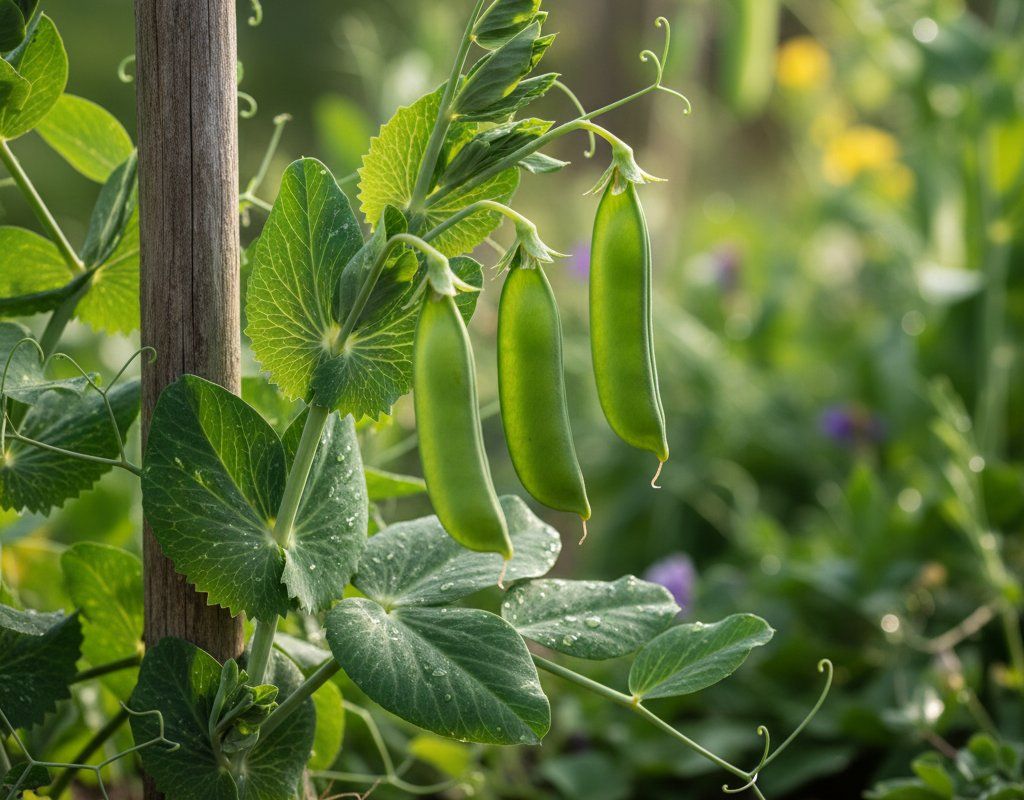
Avoid planting tomatoes near corn since both crops attract similar pests like hornworms and earworms, concentrating problems in one area. Tomatoes also compete heavily for water and nutrients during our dry season, making it harder to keep both crops properly irrigated. Cucumbers and peas make better neighbors, with cukes benefiting from corn's afternoon shade in hot microclimates, and peas adding nitrogen to soil before summer heat arrives.
🌸Best Flowers to Plant with Corn
These flowers protect your Corn from pests and attract pollinators for better harvests.
For Pest Control


Get a Reminder When It's Time to Plant
We'll email you when key planting windows open for your zone.