
Corn in Zone 8B — Southern California
Zea mays · Your Complete 2026 Planting Guide
Still Time to Sow!
The sowing window is still open for Corn.
Sow Seeds Soon
Corn doesn't transplant well and grows fast. Direct sow after frost when soil is warm.
How to Plant Corn in Zone 8B — Southern California
Here are all your options for getting corn in the ground, from the easiest method to more advanced approaches.
Direct Sow Seeds
RecommendedLate February through mid September
around February 22
Consider succession planting every 2-3 weeks for continuous harvest.
Corn doesn't transplant well and grows fast. Direct sow after frost when soil is warm.
Buy Starts
Works WellEarly to late March
around March 1
Plant purchased starts after last frost (February 15).
Start Seeds Indoors
ChallengingThis plant is typically not started indoors.
Transplant Outdoors
Timing InfoEarly to late March
around March 1
Wait until nighttime temperatures stay above 50°F.
You have a nice window — no need to rush.
Overview
Growing corn in Southern California's Zone 8B gives you access to truly sweet, just-picked flavor that puts store-bought corn to shame. Our long, warm growing season means you can succession plant for fresh corn from late spring through fall, something gardeners in colder climates can only dream of. The hot inland summers and mild coastal influence create perfect conditions for this heat-loving crop.
Yes, corn needs consistent water in our semi-arid climate, but our 298-day growing season means you can time plantings to avoid the worst summer heat if water restrictions are a concern. With proper timing and variety selection, you'll be harvesting ears well into December when other regions are dealing with frost.
Transplanting Outdoors
While corn can be transplanted, it's not the preferred method since corn develops a deep taproot that doesn't appreciate disturbance. If you're starting with seedlings, transplant them outdoors from early to late March when soil has warmed and overnight lows stay consistently above 50°F.
Harden off transplants gradually over a week, starting with just 2-3 hours of morning sun and building up to full exposure. Our March weather can swing between mild days and surprisingly cool nights, so watch the forecast. Space transplants 8-12 inches apart in rows or blocks.
Plant transplants at the same depth they were growing in containers, and water them in well. The stress of transplanting combined with our dry spring air means they'll need extra attention for the first two weeks until roots establish.
Direct Sowing
Direct sowing is the way to go with corn since it grows fast and doesn't appreciate root disturbance. You can sow from late February through mid-September in our climate, though timing your plantings strategically helps avoid peak summer heat and water demands.
Soil temperature is more important than air temperature - wait until soil reaches at least 60°F, which typically happens by late February in most SoCal locations. Work compost into your planting area since corn is a heavy feeder, and plant seeds 1-2 inches deep spaced 8-12 inches apart.
Plant in blocks rather than single rows to ensure good pollination - corn is wind-pollinated and needs neighboring plants for success. Our low humidity and occasional Santa Ana winds actually help with pollination, but you need enough plants clustered together. Water gently but consistently until germination, which takes 7-10 days in warm soil.
Watering Corn in Zone 8B (Southern California)
Corn has high water needs and absolutely cannot tolerate drought, especially during the critical silking and ear development phases. In Southern California's semi-arid climate with just 10-20 inches of annual rainfall, you'll need to provide 1-1.5 inches of water per week throughout the growing season.
During our hot inland summers with temperatures reaching 92°F, increase watering frequency to every 2-3 days rather than deep weekly soaks. Use the finger test - stick your finger 2 inches into the soil, and if it's dry, it's time to water. Water at the base of plants rather than overhead to conserve water and prevent foliar diseases in our low-to-moderate humidity.
The most critical time is during tasseling and silk emergence - drought stress during pollination results in ears with missing kernels or no ears at all. Signs of underwatering include rolled leaves, stunted growth, and poor ear development. Overwatering shows up as yellowing lower leaves and slow growth.
Apply 3-4 inches of mulch around plants to retain soil moisture and reduce watering frequency. In our climate, organic mulches like straw or shredded leaves work well and break down to feed the soil while conserving precious water during potential restriction periods.
🧪Fertilizing Corn
Feeding Schedule
Organic Fertilizer Options
Harvest Time
Your first corn harvest will come about 75 days after planting, which means early May for late February sowings and extending through early December for summer plantings. Unlike tomatoes or peppers, corn doesn't ripen off the plant, so timing is everything for peak sweetness.
Check for ripeness when silks turn brown and dry out completely - usually 18-21 days after silks first appear. The kernels should be plump and milky when punctured with a fingernail. Pull back just a small section of husk to check kernel development without exposing the entire ear to pests.
Harvest by twisting and pulling ears downward with a quick snap. Pick in the early morning when sugars are at their highest, and get corn into the refrigerator or onto the dinner table as quickly as possible - the sugars start converting to starch immediately after picking.
As our first frost approaches in early December, any remaining ears should be harvested even if slightly immature. Green husks and less-developed kernels can still be delicious, just not as sweet as fully mature ears.
Common Problems in Zone 8B (Southern California)
Corn Earworm Look for small holes at the tip of ears and brown frass (insect droppings) on silks. Inside the ear, you'll find fat, striped caterpillars munching on kernels. These moths are active during our warm evenings and lay eggs on fresh silks. Apply a few drops of mineral oil to each silk channel 3-4 days after silks appear. Bt spray works on young caterpillars but must be applied before they tunnel into ears.
Raccoons Ears disappear overnight or are partially eaten and scattered around your garden, usually just before you planned to harvest them. Raccoons have excellent timing and seem to know exactly when corn is perfectly ripe. Install a low electric fence around the corn patch, or wrap individual ears in paper bags secured with rubber bands once silks brown. Harvest slightly early if raccoon pressure is high - corn that's 95% ready beats no corn at all.
Poor Pollination Ears develop partially filled with missing kernels in scattered patterns, or silks appear but no ears form at all. Hot weather above 95°F during pollination can kill pollen, while our occasional cool snaps below 60°F slow pollen release. Plant in blocks rather than rows to improve wind pollination, and hand-pollinate by collecting pollen from tassels in the morning and brushing it onto silks. Adequate water during tasseling is crucial.
Southern California Specific Challenges: Our hot inland temperatures can stress plants during pollination, while Santa Ana wind events can actually help with pollination but also increase water stress. Fire season smoke can reduce photosynthesis, and summer water restrictions mean you need efficient watering systems and excellent mulching practices.
Best Companions for Corn
Plant these nearby for healthier Corn and better harvests.

Keep Away From
Companion Planting Details
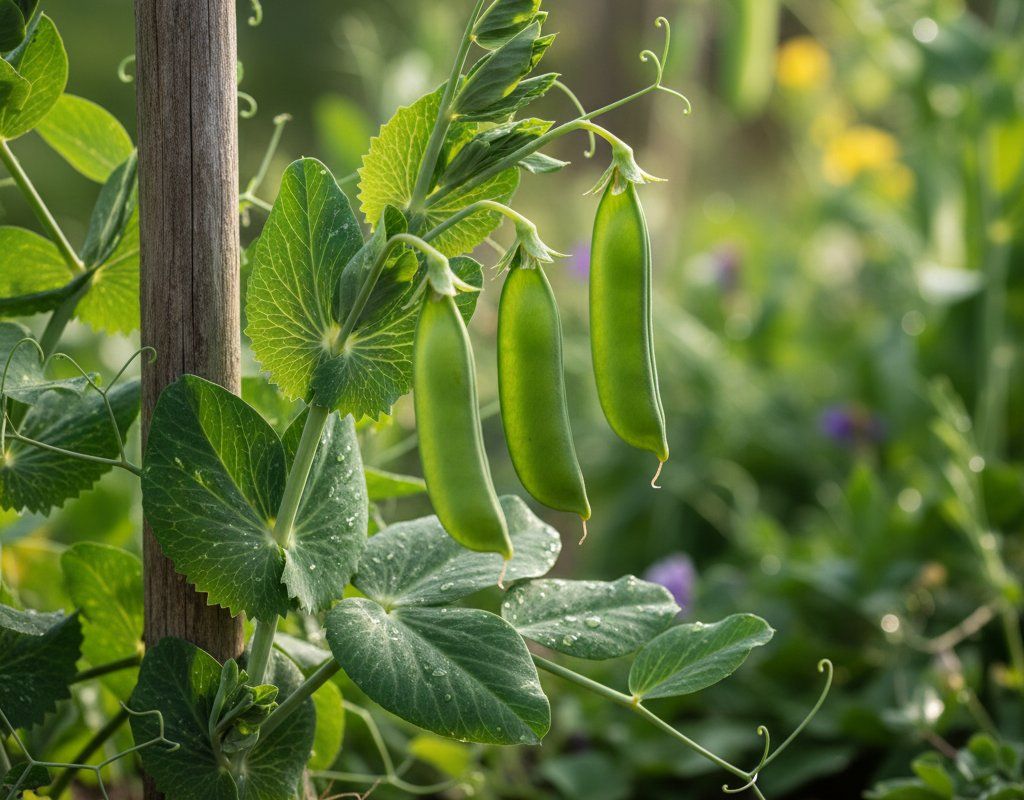
Plant beans and squash with your corn for the classic "Three Sisters" combination that works beautifully in Southern California. Beans fix nitrogen that feeds the corn, while corn stalks provide support for climbing beans. Squash spreads along the ground, shading soil and conserving moisture - crucial in our dry climate. Peas make excellent cool-season companions when planted nearby in fall and winter.
Avoid planting tomatoes near corn since both are heavy nitrogen feeders that will compete for nutrients. Tomatoes also attract similar pests like hornworms, and both crops need consistent deep watering that can be challenging to manage efficiently during water restrictions. Cucumbers work well as companions since they appreciate corn's light shade during hot afternoons and don't compete heavily for the same soil nutrients.
🌸Best Flowers to Plant with Corn
These flowers protect your Corn from pests and attract pollinators for better harvests.
For Pest Control


Get a Reminder When It's Time to Plant
We'll email you when key planting windows open for your zone.