
Corn in Zone 9B — Desert Southwest
Zea mays · Your Complete 2026 Planting Guide
Still Time to Sow!
The sowing window is still open for Corn.
Sow Seeds Soon
Corn doesn't transplant well and grows fast. Direct sow after frost when soil is warm.
How to Plant Corn in Zone 9B — Desert Southwest
Here are all your options for getting corn in the ground, from the easiest method to more advanced approaches.
Direct Sow Seeds
RecommendedMid February through mid September
around February 12
Consider succession planting every 2-3 weeks for continuous harvest.
Corn doesn't transplant well and grows fast. Direct sow after frost when soil is warm.
Buy Starts
Works WellMid February through mid March
around February 19
Plant purchased starts after last frost (February 5).
Start Seeds Indoors
ChallengingThis plant is typically not started indoors.
Transplant Outdoors
Timing InfoMid February through mid March
around February 19
Wait until nighttime temperatures stay above 50°F.
You have a nice window — no need to rush.
Overview
Growing corn in the Desert Southwest gives you access to incredible sweetness that store-bought corn simply can't match – those sugars start converting to starch the moment it's picked, so homegrown makes all the difference. Our Zone 9B climate actually works well for corn since it loves heat, and you can take advantage of our two growing seasons to plant both spring and fall crops for fresh corn from late spring through early winter.
The extreme heat and arid conditions here do present challenges, but corn is surprisingly adaptable when you time it right. With our 313-day growing season, you have plenty of flexibility to avoid the worst summer heat while still getting excellent harvests. The key is understanding when to plant and how to keep those roots consistently moist in our desert conditions.
Transplanting Outdoors
While corn can be transplanted in the Desert Southwest, it's not the preferred method since corn develops a deep taproot that doesn't like disturbance. If you do choose to transplant, your window is mid-February through mid-March, when nighttime temperatures stay consistently above 50°F but before the extreme heat arrives.
Start hardening off transplants gradually over a week, giving them a few hours of morning sun initially and building up their tolerance. Plant them 8-12 inches apart and be extra gentle with the roots. In our desert climate, transplanted corn often struggles more with the transition shock, especially as temperatures climb.
The main advantage of transplanting here is getting a head start in our short spring window, but direct sowing is almost always more successful once soil temperatures warm up.
Direct Sowing
Direct sowing is definitely the way to go with corn in the Desert Southwest – it's faster, easier, and gives you stronger plants that handle our climate better. Your planting window runs from mid-February through mid-September, though you'll want to avoid the extreme heat months of June through August for best results.
Wait until soil temperature reaches at least 60°F before planting, which usually happens by mid-February in our area. Plant seeds 1-2 inches deep and 8-12 inches apart in blocks rather than single rows – corn is wind-pollinated, so planting in rectangular blocks ensures better pollination than long single rows.
For spring planting, get seeds in by early March to harvest before extreme heat. For fall crops, plant in late August through early September to take advantage of monsoon moisture and harvest through early winter. The soil stays warm enough in fall that germination happens quickly, and plants establish well in the cooler weather.
Watering Corn in Zone 9B (Desert Southwest)
Corn has high water needs and absolutely cannot tolerate drought, especially during silking and ear development – this is when those kernels are forming, and any water stress will result in missing kernels or poor ear development. In our arid Desert Southwest climate with only 8-15 inches of annual rainfall, consistent irrigation is essential.
During spring establishment, provide about 1 inch of water per week, checking soil moisture with the finger test – stick your finger 2 inches deep, and if it's dry, it's time to water. Once summer heat arrives and plants are actively growing, increase to 1.5-2 inches per week, watering deeply at the base rather than overhead to minimize evaporation in our low humidity.
The critical period is when silks appear – corn needs consistent moisture from silking through ear development, which takes about 3 weeks. Any drought stress during this time will show up as gaps in your kernels. During extreme heat periods, you may need to water every other day rather than twice weekly.
Apply a 2-3 inch layer of mulch around plants to conserve moisture and keep roots cool, but keep mulch a few inches away from the stalks to prevent pest issues. Watch for signs of water stress like leaf rolling or browning tips, and increase watering immediately – corn doesn't recover well from drought stress.
🧪Fertilizing Corn
Feeding Schedule
Organic Fertilizer Options
Harvest Time
Your first corn harvest in the Desert Southwest typically comes in late April through mid-December, depending on when you planted. Spring plantings made in February will be ready by late April or early May, while fall plantings can produce through our mild winter until the first frost around mid-December.
Corn is ready when the silks turn brown and dry, and the kernels feel plump when you press them through the husk. Pull back a small section of husk to check – kernels should be bright yellow (or the color of your variety) and squirt milky juice when punctured with your fingernail. If the juice is clear, wait a few more days; if it's thick and pasty, you've waited too long.
Harvest by twisting and pulling ears downward with a sharp snap. Pick in the early morning when sugars are highest, and get it to your kitchen quickly – those sugars start converting to starch immediately in our heat. Each stalk typically produces 1-2 ears, and once you harvest, the plant is done.
As first frost approaches in mid-December, harvest all remaining ears even if they're not quite perfect. Corn won't ripen off the plant, so what you see is what you get. Any ears that don't make it to full maturity can still be used as animal feed or composted.
Common Problems in Zone 9B (Desert Southwest)
Corn Earworm Small holes in husks with dark, crumbly material (frass) around the silk end of ears. Inside, you'll find caterpillars eating the kernels, typically starting from the tip and working down. These pests are especially active during our warm fall months and can destroy entire ears.
The earworm moth lays eggs on fresh silks, so timing is everything. Apply a few drops of mineral oil to the silk channel just inside the husk tip about a week after silks appear – this suffocates larvae before they can tunnel in. Bt (Bacillus thuringiensis) spray applied to silks every few days during the silk stage also works well in our dry climate.
Raccoons Stalks bent or broken, ears partially eaten with characteristic claw marks and scattered kernels. Raccoons have excellent timing and will hit your corn just as it reaches peak ripeness, often the night before you planned to harvest. Our urban Desert Southwest areas have plenty of raccoons that view gardens as buffets.
Install a low electric fence around the corn patch, or cover individual ears with paper bags secured with rubber bands once silks brown. Harvest slightly early if raccoon pressure is high – corn picked a day or two before peak ripeness is still delicious and beats losing it entirely.
Poor Pollination Ears with missing kernels in rows, small misshapen ears, or ears that don't develop at all despite healthy-looking plants. You'll see silks emerge but ears fail to fill out properly, leaving you with partially filled or completely barren ears.
Corn is wind-pollinated, and our Desert Southwest conditions can interfere with this process. Extreme heat above 105°F can make pollen sterile, while low humidity can dry out silks before pollen reaches them. Plant in blocks rather than single rows to improve pollination success. During extreme heat, hand-pollinate by shaking tassels over silks in early morning when humidity is highest.
Desert Southwest Specific Challenges: Our extreme heat and arid conditions create unique challenges for corn. The low humidity can dry out silks before pollination completes, while temperatures above 105°F stress plants and reduce kernel development. Time plantings to avoid peak summer heat, provide consistent moisture, and consider shade cloth during extreme heat waves to keep plants productive.
Best Companions for Corn
Plant these nearby for healthier Corn and better harvests.

Keep Away From
Companion Planting Details
The traditional "Three Sisters" combination of corn, beans, and squash works beautifully in our Desert Southwest gardens. Beans climb the corn stalks and fix nitrogen in the soil, while squash spreads around the base providing living mulch that conserves moisture – crucial in our arid climate. Plant pole beans when corn is about knee-high, and add winter squash or summer squash around the edges.
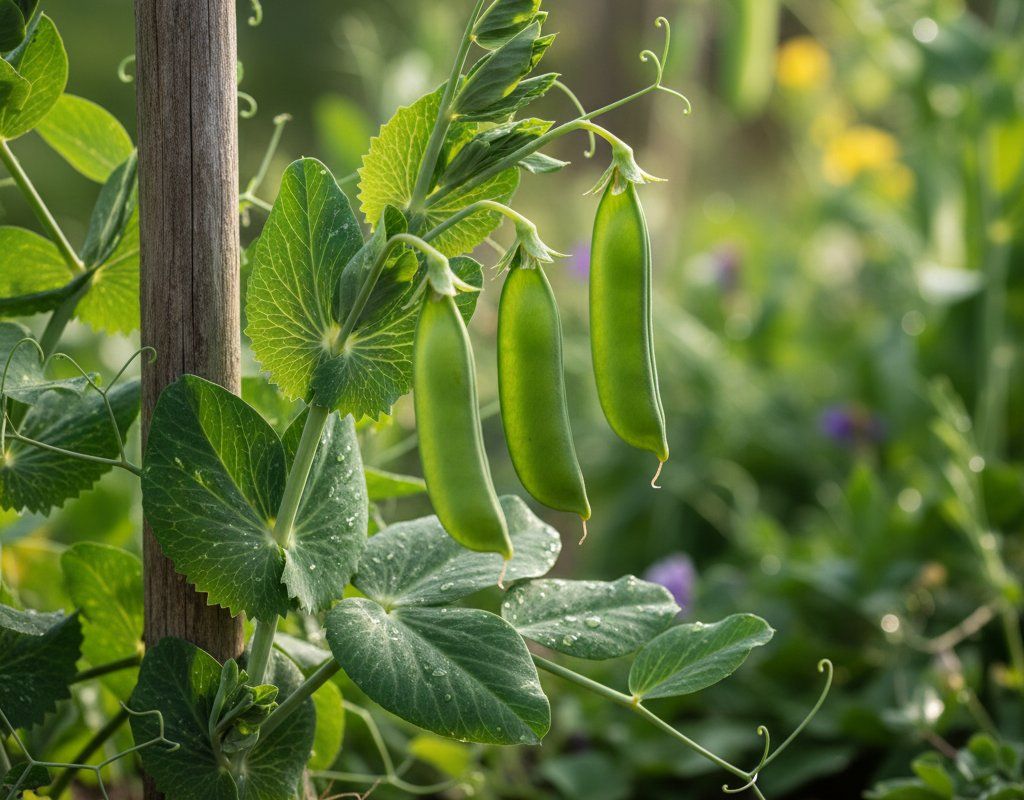
Cucumbers also make excellent companions, using corn stalks for support while their broad leaves help shade the soil and reduce water evaporation. Peas work well as cool-season companions planted between corn rows in fall and winter. Avoid planting tomatoes near corn – they're both heavy feeders that compete for nutrients, and tomato hornworms will also attack corn. The dense growth can also reduce air circulation, which becomes more important in our humid monsoon season.
🌸Best Flowers to Plant with Corn
These flowers protect your Corn from pests and attract pollinators for better harvests.
For Pest Control


Get a Reminder When It's Time to Plant
We'll email you when key planting windows open for your zone.