
Cucumber in Zone 8A — Desert Southwest
Cucumis sativus · Your Complete 2026 Planting Guide
Last Call for Seed Starting!
Indoor seed starting window closes in 8 days.
Start Seeds This Week
Start seeds now for transplanting later.
Or Wait for Starts
If you don’t want to start seeds, starts will be available around March 19.
How to Plant Cucumber in Zone 8A — Desert Southwest
Here are all your options for getting cucumber in the ground, from the easiest method to more advanced approaches.
Direct Sow Seeds
RecommendedMid March through mid September
around March 12
Consider succession planting every 2-3 weeks for continuous harvest.
Direct sowing is easiest. Start indoors only if you need a head start.
Buy Starts
Works WellMid March through mid April
around March 19
Plant purchased starts after last frost (March 5).
Start Seeds Indoors
Works WellMid February through mid March
around February 26
Then transplant: Mid March through mid April
Start seeds 3-5 weeks before transplanting outdoors.
Start only 3 weeks before transplant — cucumbers grow fast and get rootbound.
Transplant Outdoors
Timing InfoMid March through mid April
around March 19
Wait until nighttime temperatures stay above 50°F.
You have a nice window — no need to rush.
Overview
In the Desert Southwest, fresh cucumbers are pure summer luxury when grocery store versions taste like cardboard. Our intense heat means you'll appreciate every crisp, cooling bite from your own plants, especially during those 105°F afternoons when even drinking water feels hot. Homegrown cucumbers here develop incredible sweetness, and you can harvest them at peak freshness instead of the overripe, seedy monsters that survive shipping to our region.
The extreme heat and arid conditions might seem daunting for a water-loving crop like cucumbers, but our 265-day growing season gives you multiple opportunities to succeed. With proper timing and consistent watering, you'll discover that our mild winters and two distinct growing seasons actually make cucumbers more rewarding here than in many other zones.
Starting Seeds Indoors
Starting cucumber seeds indoors makes sense if you want the earliest possible harvest or need to get ahead of cucumber beetle season. Start your seeds mid-February through mid-March, about 3 weeks before your planned transplant date. Cucumbers grow incredibly fast once they germinate, so resist the urge to start them earlier—they'll become rootbound and stressed.
Use seed-starting trays filled with quality potting mix, keep the soil consistently moist with bottom watering, and provide warmth (70-80°F soil temperature). A heat mat helps in our cool February mornings. Once seedlings emerge, they need bright light—either a sunny south window or grow lights about 6 inches above the plants.
Remember that our very-early spring character means you can direct sow successfully just a few weeks later, so indoor starting is really about getting that first cucumber fix in early May rather than necessity.
Transplanting Outdoors
Transplant your indoor-started cucumber seedlings mid-March through mid-April, after our last frost risk passes in early March. These tender plants can't handle even light frost, so watch those late-season cold snaps that sometimes surprise us.
Harden off seedlings gradually over a full week by placing them outside for increasing periods daily. Start with just an hour of morning sun and work up to full days outdoors. Our intense Desert Southwest sun can shock tender greenhouse-grown plants if you rush this process.
Space transplants 36-60 inches apart—give them room because cucumber vines spread aggressively in our growing conditions. Plant on a calm day if possible, as our spring winds can stress newly transplanted seedlings.
Direct Sowing
Direct sowing is absolutely the easiest way to grow cucumbers in the Desert Southwest. You can sow mid-March through mid-September, taking advantage of our long growing season for multiple plantings. Soil temperature should be at least 65°F—use a soil thermometer rather than guessing by air temperature.
Prepare your planting area by working compost into the soil and creating slight mounds for better drainage. Plant seeds ½ inch deep and 36-60 inches apart. In our alkaline soil, that spacing prevents overcrowding and improves air circulation, which helps prevent fungal issues.
The beauty of direct sowing here is that seeds germinate quickly in our warm spring soil, usually within 5-7 days. You'll avoid transplant shock entirely, and the plants establish stronger root systems that handle our summer heat better than transplanted seedlings.
Watering Cucumber in Zone 8A (Desert Southwest)
Cucumbers are 95% water, and in our arid climate with extreme summer heat, consistent watering becomes absolutely critical. These plants need about 1-2 inches per week, but during July and August when temperatures hit 105°F regularly, they might need daily deep watering. Drought stress immediately triggers bitter fruit production—something you'll taste in every bite.
Use the finger test: stick your finger 2 inches into the soil near the plant base. If it's dry at that depth, water deeply. Surface moisture evaporates so quickly in our low humidity that you can't judge by looking. Water at soil level rather than overhead—our arid conditions mean foliar watering just wastes water to evaporation.
During monsoon season, you might get lucky with natural rainfall, but don't count on it for consistent moisture. Even during active monsoon periods, the irregular timing means you'll still need to supplement. Watch for wilting in late afternoon (normal) versus morning wilting (drought stress).
Apply 2-3 inches of mulch around plants to conserve moisture and keep roots cool. In our desert conditions, organic mulches like straw or shredded leaves work better than rock mulch, which can reflect additional heat onto the plants.
Supporting Your Cucumber
Trellising cucumbers makes perfect sense in the Desert Southwest where garden space is often limited and air circulation is crucial for plant health. Install sturdy trellises or cages at planting time—6-foot tall structures work well since cucumber vines can easily reach that height in our long growing season.
Vertical growing keeps fruits off the hot ground, reduces pest problems, and produces straighter cucumbers that are easier to harvest. Train the main vine up your support structure and tie gently with soft cloth strips every 8-12 inches. Side shoots will naturally grab onto the trellis with their tendrils.
You can also let cucumbers sprawl on the ground if you have space, but expect more pest pressure and occasional sunscald on fruits touching our hot soil. Either way works—trellising just maximizes your garden efficiency and keeps fruits cleaner.
🧪Fertilizing Cucumber
Feeding Schedule
Organic Fertilizer Options
Harvest Time
Your first cucumbers will be ready early May through late November, depending on when you planted. Most varieties mature in about 55 days from seed, but harvest timing is more important than counting days. Pick cucumbers when they're firm, dark green (for slicing types), and have reached the appropriate size for your variety—usually 6-8 inches for slicers.
Check plants daily once fruiting begins because cucumbers grow incredibly fast in our heat. Overripe fruits turn yellow, develop large seeds, and taste bitter. Cut (don't pull) cucumbers from the vine with clean pruning shears, leaving a small stem stub to prevent damage to the plant.
Keep harvesting regularly to encourage continued production. A plant loaded with mature fruits stops producing new ones, so pick them young and tender. During peak season, you might harvest every other day.
As first frost approaches in late November, harvest all remaining fruits regardless of size. Green tomatoes can ripen indoors, but cucumbers won't improve off the vine. Use small ones for pickling or add them to salads for crunch.
Common Problems in Zone 8A (Desert Southwest)
Powdery Mildew White or grayish powdery coating appears on leaves, starting with older foliage and spreading upward. Leaves eventually yellow and die, weakening the plant. This fungal disease loves our warm days and cooler nights, thriving even in our arid conditions because it doesn't need wet leaves like most fungi. Improve air circulation by spacing plants properly and removing some lower leaves. Spray with neem oil, potassium bicarbonate, or try the old-timer trick of milk spray (1 part milk to 9 parts water) weekly.
Cucumber Beetles Small yellow-green beetles with black spots or stripes feed on leaves, creating small holes and potentially transmitting bacterial wilt disease. Plants may suddenly wilt and die even with adequate water. These pests are particularly problematic in our region because they overwinter successfully in our mild conditions. Use row covers until plants flower, then hand-pick beetles in early morning when they're sluggish. Yellow sticky traps help monitor populations, and neem oil provides some control.
Bitter Fruit Cucumbers taste bitter, especially near the stem end, even though they look normal. This happens when plants produce excess cucurbitacin due to water stress, extreme temperature swings, or irregular watering—all common issues in our Desert Southwest climate. Maintain consistent soil moisture, avoid letting plants dry out completely, and harvest fruits promptly before they become oversized. Choose varieties bred for low bitterness if this is a recurring problem.
Desert Southwest Specific Challenges Our extreme heat and low humidity create unique stresses that can trigger bitter fruit production and increase water needs dramatically. The intense sun can cause sunscald on fruits, while our alkaline soil sometimes limits nutrient uptake. Consider shade cloth during peak summer months and ensure your irrigation system can deliver consistent moisture even during 105°F+ heat waves.
Best Companions for Cucumber
Plant these nearby for healthier Cucumber and better harvests.


Keep Away From
Companion Planting Details
Plant cucumbers with beans and peas, which fix nitrogen that cucumber vines appreciate for their vigorous growth. Corn makes an excellent living trellis for cucumber vines while beans planted at the base create the classic "three sisters" combination that works well in our long growing season. Radishes planted nearby help deter cucumber beetles and mature quickly before cucumber vines need the space.
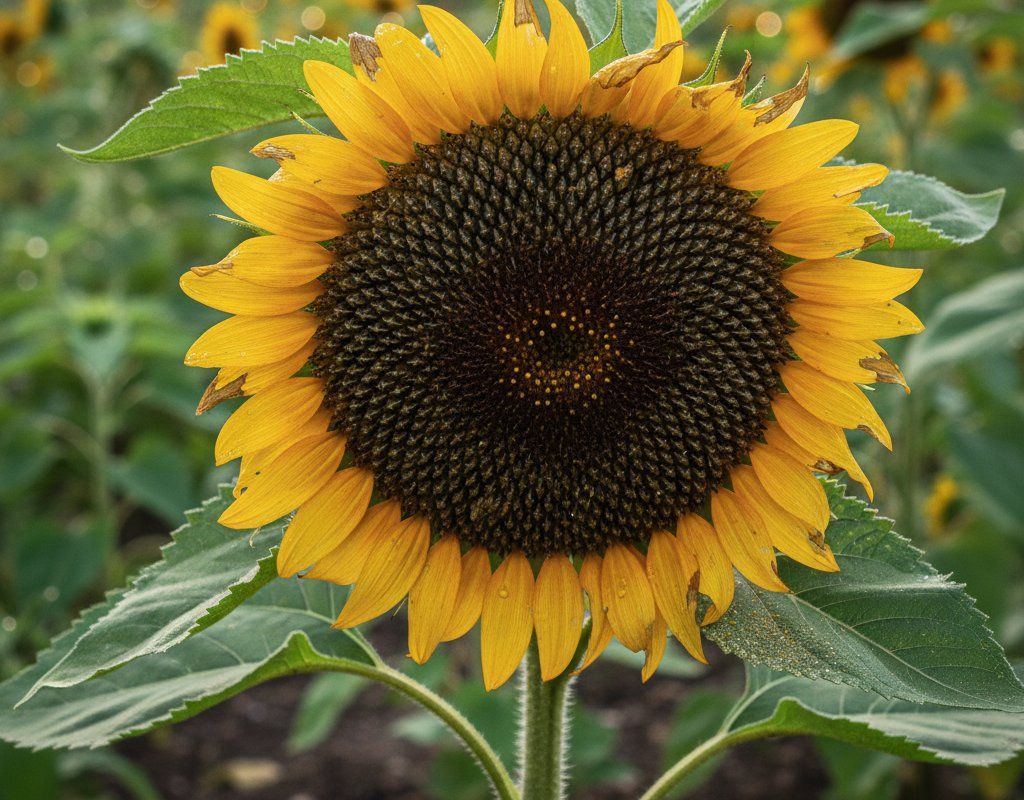
Avoid planting near potatoes, which can harbor similar pests, and aromatic herbs like sage or oregano that may inhibit cucumber growth. In our intense heat, cucumbers benefit from companions that provide light shade during the hottest part of the day, making sunflowers an excellent choice for the south or west side of your cucumber patch.
🌸Best Flowers to Plant with Cucumber
These flowers protect your Cucumber from pests and attract pollinators for better harvests.
For Pest Control






Get a Reminder When It's Time to Plant
We'll email you when key planting windows open for your zone.