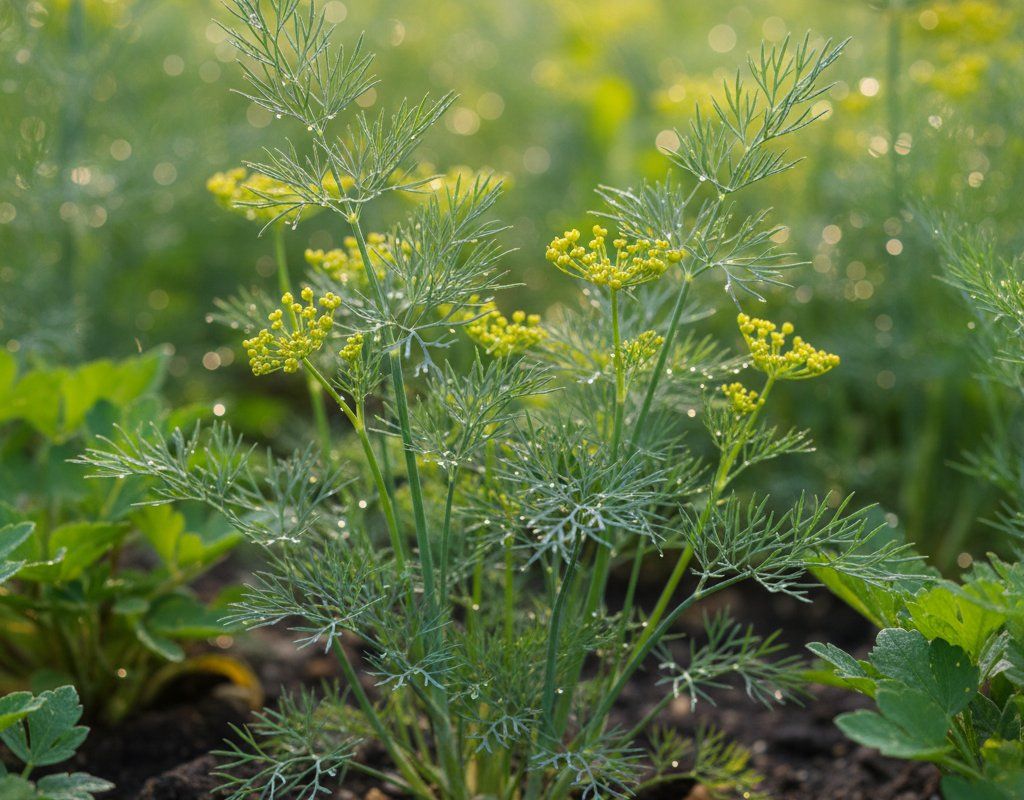
Dill in Zone 10B — Southern California
Anethum graveolens · Your Complete 2026 Planting Guide
Harvest Time!
Your Dill should be producing now!
Harvest Tips
Harvest in the morning after dew dries for the best flavor.
How to Plant Dill in Zone 10B — Southern California
Here are all your options for getting dill in the ground, from the easiest method to more advanced approaches.
Direct Sow Seeds
RecommendedEarly January through early November
around January 10
Consider succession planting every 2-3 weeks for continuous harvest.
Dill has a taproot and prefers direct sowing, but transplants work if handled carefully.
Start Seeds Indoors
RecommendedMid December through early January
around December 20
Then transplant: Mid January through late February
Start seeds 4-6 weeks before transplanting outdoors.
Buy Starts
Works WellMid January through late February
around January 17
Plant purchased starts after last frost (January 10).
Transplant Outdoors
Timing InfoMid January through late February
around January 17
Can tolerate light frost, but wait for soil to be workable.
You have a nice window — no need to rush.
Fall Planting
Early November through early December
November 19 ideal · Direct sow for fall harvest
Plant a second crop in mid-summer for fall harvest. Dill actually prefers the cooling temperatures of fall.
Overview
Dill transforms Southern California gardens with its feathery foliage and distinctive flavor that no store-bought version can match. In our year-round growing climate, you can enjoy fresh dill for pickles, fish dishes, and Mediterranean cooking almost continuously. The herb's quick 40-day maturity means you'll have fresh harvests while your neighbors are still planning their gardens.
Our hot summers and occasional Santa Ana winds can stress dill into bolting quickly, but smart timing works around these challenges. With our 355-day growing season and mild winters, you can succession plant dill from late fall through early spring for the best leaf production, then let summer plants go to seed for your pickling spice collection.
Starting Seeds Indoors
Starting dill seeds indoors works well in Southern California, though it's not the primary method most gardeners choose. Start seeds in mid-December through early January if you want early transplants for the prime growing window. Our very early spring character means you can get plants established before the heat builds up.
Use seed trays with quality potting mix in a warm spot that stays around 65-70°F. Dill seeds germinate in 7-14 days with consistent bottom watering to keep the soil evenly moist. A sunny windowsill or grow light setup provides enough light for sturdy seedlings.
The main advantage of indoor starting here is getting a jump on the season when outdoor conditions might still be too cool for direct sowing, especially if you're in a slightly cooler microclimate.
Transplanting Outdoors
Transplant your dill seedlings outdoors from mid-January through late February when nighttime temperatures stay above 45°F consistently. This timing captures our mild winter weather before spring heat triggers premature bolting. Handle transplants gently since dill has a taproot that doesn't like disturbance.
Harden off seedlings for a week by gradually exposing them to outdoor conditions. Start with 2-3 hours of morning sun, then increase daily until they're outside full-time. Space transplants 12 inches apart to allow good air circulation, which helps prevent fungal issues in our occasionally humid winter weather.
Choose a protected spot if Santa Ana winds are forecast during your transplanting window. Young dill plants can dry out quickly in those hot, dry conditions even during our normally mild winter months.
Direct Sowing
Direct sowing works excellently for dill in Southern California and is often preferred since the plant develops a stronger taproot system. Sow seeds from early January through early November, avoiding the peak summer heat from July through September when plants bolt almost immediately.
Prepare your soil by working in compost and ensuring good drainage - dill hates waterlogged conditions. Sow seeds ¼ inch deep when soil temperature reaches 60°F, which happens quickly here even in winter. Seeds germinate best in our mild winter temperatures rather than summer heat.
Space seeds or thin seedlings to 12 inches apart. The main advantage of direct sowing is stronger plants that handle our heat and wind better. For continuous harvest, succession plant every 3-4 weeks during the cooler months rather than trying to grow dill through summer.
Watering Dill in Zone 10B (Southern California)
Dill needs moderate, consistent moisture but never soggy soil - a balance that's crucial in our winter-wet, summer-dry climate. During our rainy season (December through March), you might not need to water established plants at all unless we're in a dry spell. Check soil moisture with the finger test: water when the top 2 inches feel dry.
In spring and fall, provide about 1 inch of water per week through deep, infrequent watering sessions. Water at soil level rather than overhead to prevent fungal issues, though our typically low humidity makes overhead watering less problematic than in more humid regions. Early morning watering works best, allowing plants to dry before any afternoon heat builds up.
Summer growing requires careful attention - the combination of heat and water stress causes immediate bolting. If you must grow dill in summer (perhaps for continuous seed production), provide afternoon shade and increase watering frequency while maintaining good drainage. A thin layer of mulch helps retain moisture without creating the slug havens that heavy mulches can become in more humid climates.
Signs of underwatering include wilting during the heat of the day and yellowing older leaves. Overwatering shows up as yellowing from the bottom up and soft, mushy stems - more common during our wet winter months when drainage becomes critical.
🧪Fertilizing Dill
Feeding Schedule
Organic Fertilizer Options
Harvest Time
Your first dill harvest comes surprisingly quickly in Southern California's mild climate - expect to start snipping leaves about 40 days after sowing, typically by mid-February for winter sowings. The feathery foliage is ready when plants reach 6-8 inches tall and have developed that characteristic fernlike appearance.
Cut outer stems first, leaving the center growing point intact for continuous production. Harvest in the cool morning hours when essential oils are strongest. For leaf harvest, pinch off flower buds as they appear to keep the plant focused on foliage production rather than going to seed.
If you want dill seed for pickling, let some plants flower and develop seed heads. The umbrella-shaped flowers attract beneficial insects, then turn brown and dry when seeds are ready - usually 90 days from sowing. Cut entire seed heads into a paper bag and shake to release the seeds.
With our long growing season, you can maintain succession plantings every month through fall and winter for continuous fresh dill. As first frost approaches in late December, harvest heavily or cover plants with frost cloth for a few extra weeks of production.
Common Problems in Zone 10B (Southern California)
Bolting shows up as a tall central flower stalk shooting up rapidly, turning your leafy dill plant bitter and tough. You'll notice the feathery leaves becoming sparse and less flavorful as the plant shifts energy to seed production. In Southern California, this happens fast once temperatures consistently hit the mid-80s or during hot, dry Santa Ana wind events. Plant during cooler months (fall through early spring), provide afternoon shade during warm spells, and keep soil consistently moist. Choose slower-bolting varieties like 'Fernleaf' for better heat tolerance.
Aphids appear as clusters of tiny green, black, or white insects on stem tips and leaf undersides, leaving sticky honeydew residue and causing new growth to curl. These sap-suckers multiply rapidly in our warm weather and are often tended by ant colonies. Knock them off with a strong spray from your hose, encourage ladybugs and lacewings with diverse plantings, or apply insecticidal soap for heavy infestations. Avoid over-fertilizing with nitrogen, which creates tender growth that attracts aphids.
Caterpillars from various moths and butterflies chew irregular holes in dill foliage, with parsley worms (swallowtail butterfly larvae) being particularly common on dill plants. You'll find green caterpillars with black stripes and yellow dots, plus dark droppings around the base of plants. Hand-pick larger caterpillars - many become beneficial butterflies, so consider leaving a few if damage is minimal. For severe infestations, Bt (Bacillus thuringiensis) targets caterpillars specifically without harming beneficial insects.
Southern California Specific Challenges: Our combination of hot, dry summers and mild, wet winters creates unique timing pressures for dill. The rapid temperature swings between seasons mean your planting windows are narrower but more critical than in more temperate climates. Santa Ana winds can stress plants into early bolting even during normally good growing periods.
Best Companions for Dill
Plant these nearby for healthier Dill and better harvests.


Keep Away From
Companion Planting Details
Dill makes an excellent companion for cool-season crops that share its growing preferences in Southern California. Plant it near cabbage family vegetables - the dill attracts beneficial wasps that control cabbage worms while the brassicas provide some afternoon shade during warm spells. Cucumbers benefit from dill's pest-deterrent properties, and the vertical growth habits complement each other well in small spaces.
Lettuce and other salad greens work perfectly with dill since they all prefer our cooler months and similar watering schedules. Onions planted nearby help repel aphids that commonly target dill. Avoid planting dill near carrots - they can cross-pollinate and affect flavor - and keep it away from tomatoes, which have different watering needs and can overwhelm the more delicate dill plants in our intense growing conditions.
🌸Best Flowers to Plant with Dill
These flowers protect your Dill from pests and attract pollinators for better harvests.
For Pest Control




Get a Reminder When It's Time to Plant
We'll email you when key planting windows open for your zone.