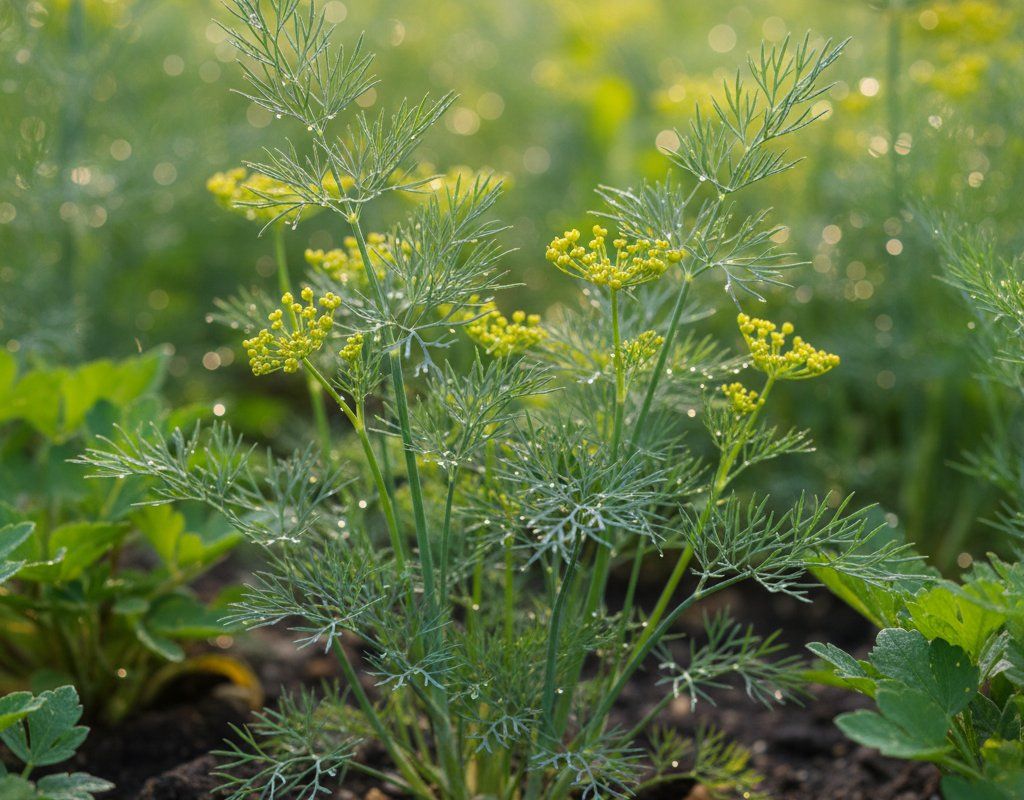
Dill in Zone 6A — Midwest
Anethum graveolens · Your Complete 2026 Planting Guide
Planning Ahead — Great!
You’re ahead of the season. Here’s when to start.
Mark Your Calendar
How to Plant Dill in Zone 6A — Midwest
Here are all your options for getting dill in the ground, from the easiest method to more advanced approaches.
Direct Sow Seeds
RecommendedMid April through late August
around April 20
Consider succession planting every 2-3 weeks for continuous harvest.
Dill has a taproot and prefers direct sowing, but transplants work if handled carefully.
Start Seeds Indoors
RecommendedLate March through mid April
around March 30
Then transplant: Late April through early June
Start seeds 4-6 weeks before transplanting outdoors.
Buy Starts
Works WellLate April through early June
around April 27
Plant purchased starts after last frost (April 20).
Transplant Outdoors
Timing InfoLate April through early June
around April 27
Can tolerate light frost, but wait for soil to be workable.
You have a nice window — no need to rush.
Fall Planting
Mid August through mid September
September 3 ideal · Direct sow for fall harvest
Plant a second crop in mid-summer for fall harvest. Dill actually prefers the cooling temperatures of fall.
Overview
Dill thrives in our Midwest climate, offering fresh feathery leaves for summer salads and pickles, plus aromatic seeds for preserving. This hardy annual loves our fertile soil and moderate summer heat, producing continuously from late May through October. Unlike more finicky herbs, dill actually appreciates our summer heat spells and handles our variable spring weather with ease.
Our 178-day growing season gives you plenty of flexibility with dill — you can succession plant every 2-3 weeks for continuous harvests. While our unpredictable spring weather might delay some crops, dill's frost tolerance means you can get it established early and keep it going through our first fall frost in mid-October.
Starting Seeds Indoors
Starting dill indoors isn't the preferred method since it has a long taproot, but it works when you want an early start or better control over germination. Start seeds in late March through mid-April, about 4 weeks before you plan to transplant outdoors. Use deep containers (at least 4 inches) to accommodate that taproot.
Keep seed trays warm (65-70°F) and use bottom watering to avoid disturbing the delicate seedlings. Our moderate-to-late spring character means you'll have time to get sturdy transplants ready without rushing. The main advantage here is getting a jump on the season, especially if you want dill ready for early summer pickles.
Start with just a few plants indoors — dill transplants better when young, and you'll probably have more success with succession sowings directly in the garden once the soil warms up.
Transplanting Outdoors
Transplant your dill seedlings from late April through early June, after the soil has warmed and any threat of hard frost has passed. In our variable spring climate, wait until nighttime temperatures consistently stay above 40°F. Young dill plants can handle light frost, but they'll establish better in stable conditions.
Harden off seedlings gradually over a week, starting with just 2-3 hours outdoors in a protected spot. Our spring weather can swing from warm to cold quickly, so watch the forecast and bring them in if temperatures drop unexpectedly.
Space transplants 12 inches apart in your prepared bed. Handle the root ball gently — dill's taproot doesn't like disturbance. Water them in well and provide some shade if we get an early heat spell, which isn't uncommon in May around here.
Direct Sowing
Direct sowing is dill's preferred planting method and works beautifully in our Midwest conditions. You can sow from mid-April through late August, giving you multiple opportunities for succession planting. The soil should be workable and at least 50°F — usually achievable by mid to late April in our area.
Prepare your planting area by working some compost into our naturally fertile soil. Sow seeds ¼ inch deep and space them about 12 inches apart, or plant more densely and thin later. Dill germinates quickly in warm soil, usually within 7-10 days.
Our wet summer conditions mean you won't need to water much once plants are established. For continuous harvests, sow a new row every 2-3 weeks through mid-August. This succession planting approach works perfectly with our long growing season and gives you fresh dill right up until frost.
Watering Dill in Zone 6A (Midwest)
Dill needs moderate, consistent moisture but doesn't tolerate soggy conditions — something to watch in our wet Midwest summers. Water when the soil feels dry about 2 inches down, which might be every 3-4 days during typical weather, but less during our frequent summer rains.
Aim for about an inch of water per week, including rainfall. With our 30-40 inches of annual precipitation, you'll often get enough natural moisture, especially during July and August when thunderstorms are common. Water at the base of plants rather than overhead — our moderate-to-humid conditions can encourage fungal issues if foliage stays wet.
During summer heat spells when temperatures push into the upper 80s, dill may bolt quickly without adequate moisture. Keep the soil consistently moist (not wet) during these hot stretches. A 2-inch layer of straw mulch helps retain moisture and keeps roots cool in our clay soil.
Watch for wilting in afternoon heat — that's your first sign dill needs water. Yellowing lower leaves often indicate overwatering, which is easy to do during our rainy periods. If we get a particularly wet spell, hold off on supplemental watering until the soil surface starts to dry.
🧪Fertilizing Dill
Feeding Schedule
Organic Fertilizer Options
Harvest Time
You can start harvesting dill's feathery foliage about 40 days after planting, typically by late May for spring sowings. Cut individual stems or snip leaves as needed — dill produces continuously when harvested regularly. For the best flavor, harvest in the morning after the dew dries but before our afternoon heat sets in.
Fresh leaves are at their peak before the plant flowers, so pinch off flower buds if you want to extend the leaf harvest. Once plants bolt in our summer heat, the leaves become less flavorful but the developing seed heads are valuable too. Let some plants go to seed — the flower heads attract beneficial insects and provide dill seeds for pickling.
For dill seed, wait until the flower heads turn brown and dry, usually 6-8 weeks after flowering. Cut the entire head and shake seeds into a paper bag. Our dry fall weather in September and October is perfect for seed maturation.
Keep succession plantings going through mid-August for continuous harvests right up until our first frost in mid-October. Fall-planted dill often has better flavor since it matures in cooler weather without the stress of summer heat spells.
Common Problems in Zone 6A (Midwest)
Bolting Dill sends up flower stalks prematurely during summer heat spells, especially when temperatures stay in the upper 80s for several days. You'll see the plant suddenly shoot up a central stem with umbrella-like flower clusters, and the feathery leaves become bitter or tough. This is dill's natural response to heat stress and long summer days.
Plant dill in early spring and late summer to avoid our hottest weather. During heat spells, provide afternoon shade and keep soil consistently moist. Choose a spot with morning sun but some protection from intense afternoon heat. Succession plant every 2-3 weeks so you always have young, tender plants coming along.
Aphids These tiny green or black insects cluster on new growth and stem tips, leaving behind sticky honeydew residue. You'll notice curled or distorted leaves, especially during warm, humid periods in summer. Our moderate-to-humid climate creates perfect conditions for aphid populations to explode.
Blast them off with a strong water spray from your hose — this works well for light infestations. Encourage beneficial insects like ladybugs and lacewings by planting diverse flowers nearby. For heavy infestations, spray with insecticidal soap early in the morning or evening to avoid leaf burn during our hot afternoons.
Caterpillars Parsley worms (black swallowtail caterpillars) love dill almost as much as we do. These green caterpillars with black stripes and yellow spots can defoliate plants quickly. While they'll eventually become beautiful butterflies, they can destroy your dill harvest if left unchecked.
Hand-pick caterpillars in the morning when they're less active. If you can spare some dill, consider letting a few caterpillars complete their cycle — the butterflies are beneficial pollinators. For serious infestations, Bt (Bacillus thuringiensis) spray works effectively without harming beneficial insects.
Midwest Specific Challenges Our clay soil can create drainage issues during wet summers, leading to root problems and fungal diseases. Plant dill in raised beds or work in compost to improve drainage. The combination of summer heat spells followed by thunderstorms stresses plants and can trigger bolting, so focus on succession planting rather than trying to keep one planting productive all season.
Best Companions for Dill
Plant these nearby for healthier Dill and better harvests.


Keep Away From
Companion Planting Details
Dill makes an excellent companion for cabbage family crops, helping repel cabbage worms while attracting beneficial insects that prey on aphids. Plant it near cucumbers — dill's flowers attract pollinators that also benefit cucumber production, and the strong scent may deter cucumber beetles. Onions and dill grow well together since they have different root depths and onions' sulfur compounds can help mask dill's scent from pests.
Avoid planting dill near carrots, as they can cross-pollinate and affect flavor if both go to seed. Keep dill away from tomatoes too — while some gardeners report success, dill can inhibit tomato growth and the timing doesn't work well in our climate since tomatoes prefer hot weather when dill tends to bolt.
🌸Best Flowers to Plant with Dill
These flowers protect your Dill from pests and attract pollinators for better harvests.
For Pest Control




Get a Reminder When It's Time to Plant
We'll email you when key planting windows open for your zone.