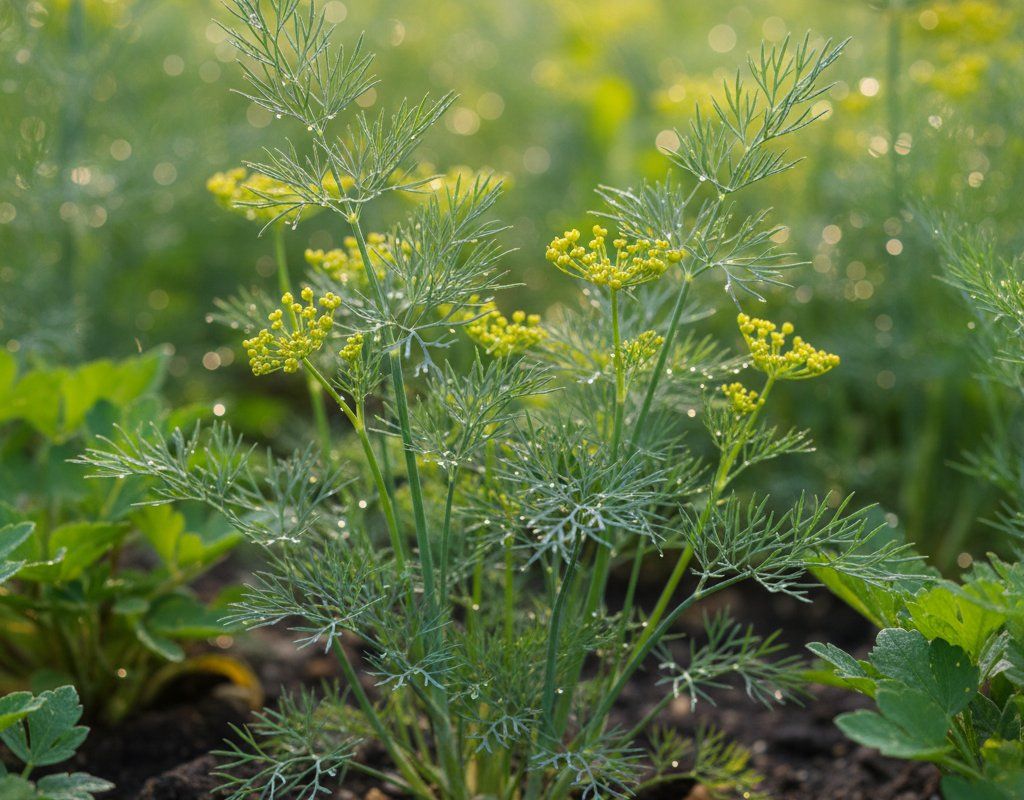
Dill in Zone 6B — Texas
Anethum graveolens · Your Complete 2026 Planting Guide
Last Call for Seed Starting!
Indoor seed starting window closes in 14 days.
Start Seeds This Week
Start seeds now for transplanting later.
Or Wait for Starts
If you don’t want to start seeds, starts will be available around April 1.
How to Plant Dill in Zone 6B — Texas
Here are all your options for getting dill in the ground, from the easiest method to more advanced approaches.
Direct Sow Seeds
RecommendedLate March through mid September
around March 25
Consider succession planting every 2-3 weeks for continuous harvest.
Dill has a taproot and prefers direct sowing, but transplants work if handled carefully.
Start Seeds Indoors
RecommendedLate February through mid March
around March 4
Then transplant: Early April through mid May
Start seeds 4-6 weeks before transplanting outdoors.
Buy Starts
Works WellEarly April through mid May
around April 1
Plant purchased starts after last frost (March 25).
Transplant Outdoors
Timing InfoEarly April through mid May
around April 1
Can tolerate light frost, but wait for soil to be workable.
You have a nice window — no need to rush.
Fall Planting
Mid September through mid October
September 29 ideal · Direct sow for fall harvest
Plant a second crop in mid-summer for fall harvest. Dill actually prefers the cooling temperatures of fall.
Overview
Dill brings bright, fresh flavor to your Texas garden that you simply can't get from store-bought herbs. The feathery foliage adds delicate anise notes to pickles, fish, and summer salads, while the seeds provide intense flavor for breads and spice blends. In our Zone 6B climate, dill thrives during our cooler months and gives you multiple harvests throughout the growing season when timed right.
The Texas heat and unpredictable weather can challenge dill, since it bolts quickly once temperatures climb consistently above 80°F. But with our generous 230-day growing season, you have plenty of opportunities to grow successive crops in spring and fall when temperatures stay more moderate. Plant early in spring and again in late summer for fresh dill through most of the year.
Starting Seeds Indoors
Starting dill indoors makes sense when you want to get a jump on the season or control germination conditions. Sow seeds in late February through mid-March, about four weeks before you plan to transplant outdoors. Dill seeds germinate best with consistent warmth around 65-70°F, which indoor conditions provide more reliably than our variable spring weather.
Use seed trays with good drainage and keep the soil consistently moist through bottom watering. This prevents the delicate seedlings from getting knocked over by overhead watering. Dill develops a taproot quickly, so choose deeper cells if possible and plan to transplant before the roots become too established.
Since our Texas springs warm up early, indoor starting gives you only a slight advantage over direct sowing. The main benefit is better germination rates and protection from late cold snaps that can still hit in early April.
Transplanting Outdoors
Transplant your indoor-started dill seedlings from early April through mid-May, once nighttime temperatures stay consistently above 40°F. Dill handles light frost but grows much better when temperatures remain steady. Time your transplanting for after our last typical freeze period but before the intense heat arrives.
Harden off seedlings gradually over one week by moving them outside for increasing periods daily. Start with 2-3 hours of morning sun and work up to full days outdoors. This prevents transplant shock from our sometimes dramatic temperature swings between day and night.
Space transplants 12 inches apart in well-draining soil. Dill's taproot doesn't like being disturbed, so handle seedlings gently and plant them at the same depth they were growing in their containers. Water thoroughly after transplanting and provide some afternoon shade during the first week if temperatures spike unexpectedly.
Direct Sowing
Direct sowing works exceptionally well for dill and is often the preferred method since dill develops a deep taproot that doesn't love transplanting. Sow seeds from late March through mid-September, timing your plantings to avoid the worst heat of mid-summer. The soil should be workable and warming, typically around 60°F for best germination.
Prepare your planting area by working compost into well-draining soil. Dill tolerates various soil types but struggles in heavy clay that stays waterlogged during our unpredictable spring rains. Sow seeds about ¼ inch deep and 12 inches apart, or plant more densely and thin later.
For continuous harvests, succession plant every 2-3 weeks from spring through early fall. Skip plantings during July and August when the Texas heat will cause immediate bolting. Resume sowing in late August through September for excellent fall crops that will produce until your first freeze in early November.
Watering Dill in Zone 6B (Texas)
Dill needs moderate, consistent moisture but absolutely cannot tolerate waterlogged conditions. In our unpredictable Texas climate, this means adjusting your watering strategy throughout the growing season. Spring crops typically need about 1 inch of water per week, including rainfall, while fall plantings may need slightly more as they establish.
Use the finger test by checking soil moisture 2 inches deep before watering. During our variable spring weather, you might water twice weekly during dry spells, then not at all during those surprise heavy rain events we get. Water at the base of plants rather than overhead to prevent fungal issues in our humid conditions and to avoid washing away the delicate foliage.
Summer heat above 85°F causes dill to bolt quickly regardless of watering, so focus your growing efforts on spring and fall when moderate watering can actually maintain the plants. Drought stress triggers immediate flowering, making leaves bitter and tough.
Apply 2-3 inches of organic mulch around plants to maintain soil moisture and keep roots cool. This is especially important during late spring when temperatures start climbing toward summer. Consistent moisture prevents stress that leads to premature bolting, giving you more weeks of tender leaf harvest.
🧪Fertilizing Dill
Feeding Schedule
Organic Fertilizer Options
Harvest Time
Your first dill harvest typically begins in early May from spring plantings and continues through mid-November with succession planting. Dill matures quickly at 40 days, but you can start harvesting the feathery leaves much earlier once plants reach 4-6 inches tall. Cut outer stems first, leaving the center growing point intact.
For fresh leaf harvests, cut stems early in the morning when oils are most concentrated. Use clean scissors to avoid damaging the plant, cutting stems just above a leaf node to encourage branching. Regular harvesting actually prolongs the plant's leaf production by delaying flowering.
When you want dill seeds, allow some plants to flower and form seed heads. The umbrella-shaped flower clusters will turn brown and dry, usually 2-3 weeks after flowering. Harvest seed heads by cutting the entire stem and hanging it upside down in a paper bag. Shake the dried heads to release seeds.
As your first freeze approaches in early November, harvest all remaining foliage for drying or freezing. Dill doesn't overwinter in our zone, so make the most of your fall crop by cutting plants completely and preserving the harvest for winter use.
Common Problems in Zone 6B (Texas)
Bolting appears as a tall flower stalk shooting up from the center of your dill plant, often seemingly overnight. The leaves become sparse and bitter once flowering begins, and the plant stops producing the tender foliage you want. In Texas, this happens quickly once temperatures consistently hit the mid-80s, which can occur as early as late April in some years. Plant early for spring crops and wait until late August for fall plantings to avoid the worst heat. Provide afternoon shade during temperature spikes and keep soil consistently moist to delay bolting.
Aphids show up as clusters of tiny green, black, or white insects on stem tips and leaf undersides, often accompanied by sticky honeydew residue. These sap-sucking pests multiply rapidly in our warm springs and can distort new growth. Fire ants sometimes farm aphids, so check for ant trails leading to affected plants. Knock aphids off with a strong spray from the hose early morning when it's cooler. Encourage beneficial insects like ladybugs by planting diverse flowers nearby. For heavy infestations, use insecticidal soap in the evening to avoid harming pollinators.
Caterpillars, particularly parsley worms (black swallowtail butterfly larvae), can strip dill plants quickly since dill is in the same family as their preferred parsley host. These green caterpillars with black stripes and yellow spots are actually beneficial butterfly larvae, so consider relocating them rather than killing them. Hand-pick caterpillars in early morning when they're less active, or use row covers on young plantings. Bt (Bacillus thuringiensis) provides organic control if populations become overwhelming.
Texas Specific Challenges: Our extreme heat causes dill to bolt within days once summer arrives, making timing absolutely critical. The unpredictable rainfall means you'll swing between drought stress and potential root rot from flash flooding. Plant in well-draining locations and be prepared to provide consistent irrigation during dry spells while ensuring good drainage for those sudden downpours.
Best Companions for Dill
Plant these nearby for healthier Dill and better harvests.


Keep Away From
Companion Planting Details
Plant dill near cabbage family crops like broccoli, kale, and cabbage where it helps repel cabbage worms and aphids with its strong scent. Cucumbers benefit from dill's pest-deterrent properties and the two crops have similar water needs during our moderate spring weather. Onions make excellent companions since their root systems occupy different soil levels, and onions help deter many common pests that target dill. Lettuce pairs well with dill in spring plantings since both prefer cooler weather and moderate moisture.
Avoid planting dill near carrots since they're closely related and can cross-pollinate, affecting flavor. Keep dill away from tomatoes as well - dill can inhibit tomato growth, and their different water needs make management difficult during our variable Texas weather. Tomatoes prefer deeper, less frequent watering while dill needs consistent moderate moisture, especially challenging during our unpredictable spring rains and summer heat.
🌸Best Flowers to Plant with Dill
These flowers protect your Dill from pests and attract pollinators for better harvests.
For Pest Control




Get a Reminder When It's Time to Plant
We'll email you when key planting windows open for your zone.