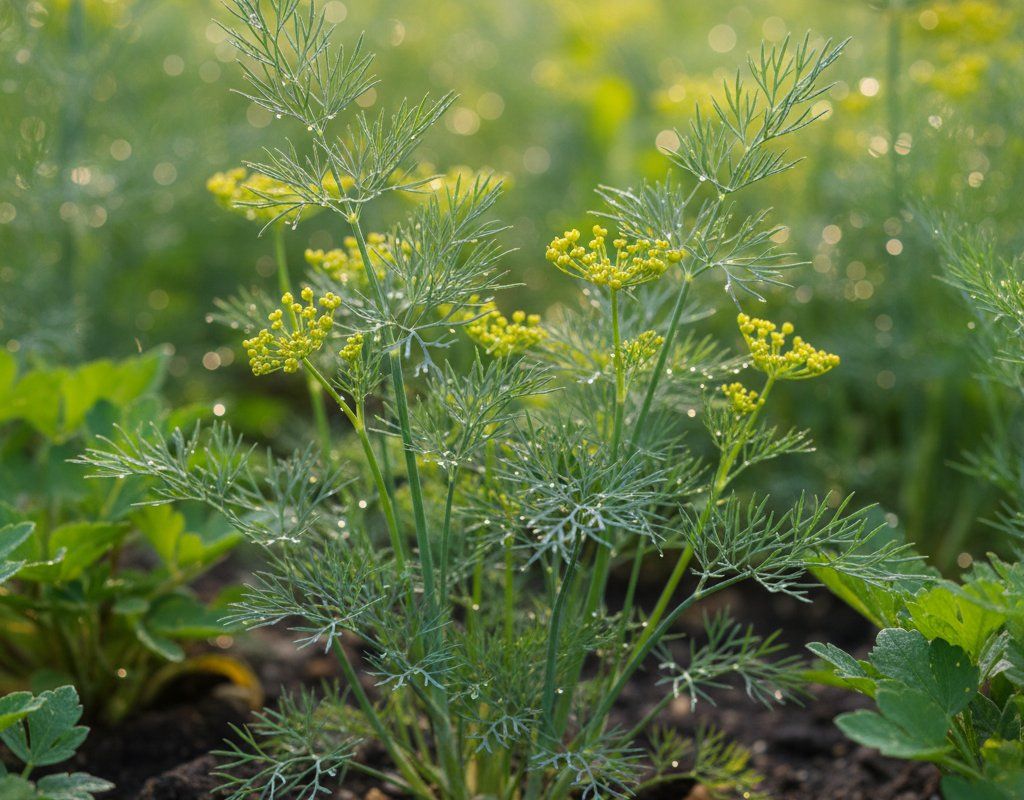
Dill in Zone 9A — Florida
Anethum graveolens · Your Complete 2026 Planting Guide
Time to Buy Starts!
Seed starting window passed, but starts are available now.
Buy Starts Now
Head to your local nursery, Home Depot, or farmers market for transplants.
- Look for stocky plants with dark green leaves
- Avoid leggy seedlings or plants already flowering
- Check that roots aren't circling the pot (rootbound)
How to Plant Dill in Zone 9A — Florida
Here are all your options for getting dill in the ground, from the easiest method to more advanced approaches.
Direct Sow Seeds
RecommendedEarly February through early November
around February 1
Consider succession planting every 2-3 weeks for continuous harvest.
Dill has a taproot and prefers direct sowing, but transplants work if handled carefully.
Start Seeds Indoors
RecommendedEarly to late January
around January 11
Then transplant: Early February through late March
Start seeds 4-6 weeks before transplanting outdoors.
Buy Starts
Works WellEarly February through late March
around February 8
Plant purchased starts after last frost (February 1).
Transplant Outdoors
Timing InfoEarly February through late March
around February 8
Can tolerate light frost, but wait for soil to be workable.
You have a nice window — no need to rush.
Fall Planting
Late October through late November
November 13 ideal · Direct sow for fall harvest
Plant a second crop in mid-summer for fall harvest. Dill actually prefers the cooling temperatures of fall.
Overview
Dill brings that unmistakable fresh, tangy flavor to your Florida garden that you just can't get from the grocery store. In our reversed growing season, dill thrives as a cool-season herb that you'll plant in fall and harvest through winter and spring. The feathery foliage adds texture to your garden beds while providing fresh leaves for pickling, fish dishes, and potato salad - perfect timing for those winter cookouts when our weather is actually pleasant.
Florida's intense summer heat and humidity make dill challenging during our hottest months, but that's exactly why our 327-day growing season is such an advantage. You can grow multiple successions from fall through spring, enjoying fresh dill when most northern gardeners are dealing with snow. With proper timing and some attention to our sandy soils, dill becomes one of those reliable herbs that keeps producing through our best gardening months.
Starting Seeds Indoors
Starting dill seeds indoors works well here in Florida, though it's not always necessary given our long growing season. If you want to get a head start on the season, sow seeds in late January through early February, about four weeks before your planned transplant date. Dill seeds germinate quickly in our naturally warm conditions - just use standard seed-starting trays filled with quality potting mix.
Set up your trays in a bright location or under grow lights, and keep the soil consistently moist using bottom watering to prevent damping-off diseases that thrive in our humidity. The seeds typically sprout within 7-10 days at room temperature. Since dill has a taproot, handle the seedlings gently and don't let them get rootbound in their containers.
Starting indoors makes the most sense if you're dealing with our unpredictable late winter weather or want precise timing for succession planting. Otherwise, direct sowing works just as well and saves you the transplant step.
Transplanting Outdoors
When your indoor-started dill seedlings are about 3-4 inches tall with their first true leaves, they're ready to head outside. In Florida, this timing usually falls between early February and late March, depending on when you started your seeds. Before transplanting, harden them off gradually over a week by exposing them to increasing amounts of outdoor conditions.
Our February and March weather can still surprise us with cool snaps, but dill handles light frost just fine. Space your transplants 12 inches apart in well-draining soil - this is crucial in Florida where our afternoon thunderstorms can create soggy conditions. Handle the seedlings carefully since dill's taproot doesn't like disturbance.
Choose a spot that gets morning sun but might benefit from some afternoon shade as we head into warmer spring weather. The key is getting them established while it's still cool, so they can build strong root systems before our heat really kicks in.
Direct Sowing
Direct sowing is actually dill's preferred method since it naturally develops a strong taproot that doesn't appreciate transplant shock. In Florida, you can direct sow from early February through early November, though spring and fall plantings perform best. Prepare your beds with compost worked into our sandy soils to improve moisture retention.
Sow seeds about 1/4 inch deep and 12 inches apart, or broadcast them and thin later. The soil temperature should be at least 60°F, which happens pretty early here in Florida. Seeds germinate within 7-14 days in our warm conditions. For continuous harvests, sow new seeds every 2-3 weeks through your planting window.
Direct sowing works particularly well for fall plantings when you can sow in late October through November. These fall-sown plants often overwinter beautifully and provide fresh dill through our mild winters. Just avoid summer sowings when our heat and humidity make germination and establishment challenging.
Watering Dill in Zone 9A (Florida)
Dill needs consistent but moderate moisture - about 1 inch per week including rainfall. In Florida's climate, this means you'll water differently throughout our seasons. During our dry winter and spring months, you'll likely need to supplement with irrigation, while our wet summers provide plenty of natural moisture (though summer isn't ideal growing time for dill anyway).
Use the finger test: stick your finger 2 inches into the soil near the base of the plants. If it's dry, it's time to water. Water at the base of the plants rather than overhead - our extreme humidity already creates perfect conditions for fungal problems, so keeping the foliage dry helps prevent issues. Early morning watering allows plants to dry quickly as temperatures rise.
During our intense summer heat, dill bolts quickly and becomes bitter, which is why it's best grown as a spring or fall crop here. If you must grow it in summer, provide afternoon shade and extra-consistent moisture. Watch for signs of stress: wilting during the hottest part of the day is normal, but if plants don't perk up by evening, increase watering frequency.
A 2-3 inch layer of organic mulch helps retain moisture in our sandy soils and keeps roots cooler. Avoid overwatering, especially during our rainy season - yellowing lower leaves often indicate too much moisture and potential root problems in our humid conditions.
🧪Fertilizing Dill
Feeding Schedule
Organic Fertilizer Options
Harvest Time
Your first dill harvest typically comes 40 days after sowing, which means mid-March if you planted in early February. In Florida's growing calendar, this puts your harvest right in prime season when the weather is perfect for outdoor cooking. You can start harvesting the feathery leaves anytime once plants are about 6 inches tall - just pinch or cut individual stems as needed.
For continuous leaf production, harvest regularly and pinch off flower buds as they appear. Once dill flowers, the leaves become less flavorful and the plant shifts energy to seed production. If you want dill seeds for pickling, let some plants flower and wait until the seed heads turn brown and papery - usually about 90 days from sowing.
To harvest seeds, cut the entire seed head into a paper bag and shake vigorously, or hang them upside down with a bag around the seed head. The timing works perfectly here since you can harvest fresh leaves through winter and early spring, then collect seeds before our summer heat becomes unbearable.
Since dill doesn't store well fresh, succession plant every 2-3 weeks through your growing window for continuous harvests. Your last plantings in fall will often self-seed and provide volunteer plants the following year, giving you an even earlier start to the season.
Common Problems in Zone 9A (Florida)
Bolting shows up as a tall flower stalk shooting up from the center of the plant, often happening faster than expected. The leaves become bitter and tough once flowering begins. In Florida, bolting typically results from our quick temperature swings in spring or planting too late when day length and heat stress trigger early flowering. Plant during the cooler months, provide consistent moisture, and choose locations with morning sun but afternoon protection as weather warms. Succession planting every few weeks ensures you always have tender leaves available.
Aphids appear as clusters of tiny green, black, or white insects on stem tips and leaf undersides, often leaving behind sticky honeydew residue. Our warm Florida temperatures allow aphid populations to explode quickly, especially on stressed plants. Strong water sprays knock them off effectively, and encouraging beneficial insects like ladybugs helps control populations naturally. For heavy infestations, insecticidal soap works well in our climate - just apply in early morning or evening to avoid leaf burn in our intense sun.
Caterpillars, particularly parsley worms and other butterfly larvae, can quickly defoliate dill plants. You'll see large green caterpillars with black bands munching on the feathery foliage - these are actually beneficial butterfly larvae (black swallowtail), so hand-picking and relocating them to wild fennel or other areas is the kindest approach. For other caterpillars causing damage, Bt (Bacillus thuringiensis) spray works effectively and is safe for beneficial insects.
Florida Specific Challenges: Our extreme humidity creates ideal conditions for fungal diseases, especially when combined with our frequent afternoon thunderstorms. Powdery mildew and downy mildew can quickly spread in crowded plantings, so ensure good air circulation and avoid overhead watering. Our sandy soils drain quickly but don't hold nutrients well, requiring regular compost additions and more frequent light fertilizing than gardeners in other regions might expect.
Best Companions for Dill
Plant these nearby for healthier Dill and better harvests.


Keep Away From
Companion Planting Details
Dill makes an excellent companion for cabbage family crops like broccoli and kale, which grow beautifully during our Florida winter months. The dill's flowers attract beneficial insects that help control cabbage worms and aphids - perfect timing since these crops overlap in our growing season. Cucumbers also benefit from dill nearby, and since you can grow cucumbers in spring before our summer heat gets too intense, the timing works well for both crops.
Plant dill near onions and lettuce for natural pest deterrence - the strong scent helps confuse pests looking for their preferred host plants. Avoid planting dill near carrots since they can cross-pollinate and affect flavor, and keep it away from tomatoes which have different water and nutrient needs. In our Florida gardens where space and timing are crucial, companion planting dill with other cool-season crops maximizes your winter growing area while creating beneficial relationships between plants.
🌸Best Flowers to Plant with Dill
These flowers protect your Dill from pests and attract pollinators for better harvests.
For Pest Control




Get a Reminder When It's Time to Plant
We'll email you when key planting windows open for your zone.