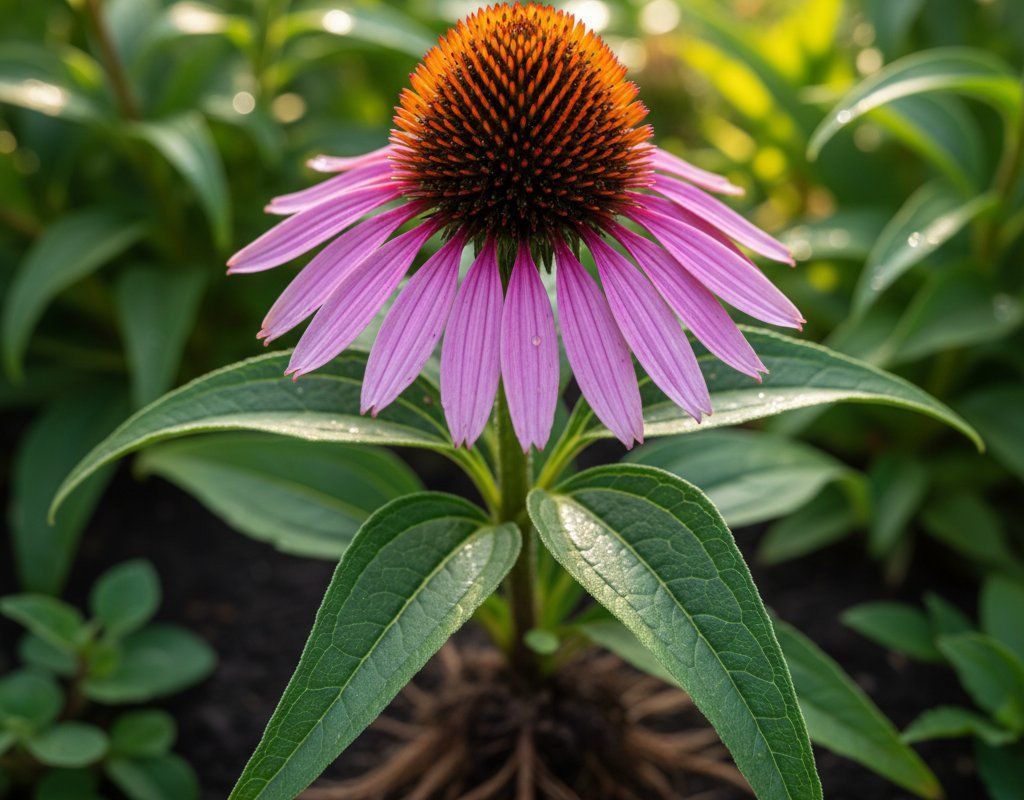
Echinacea in Zone 8A — Texas
Echinacea purpurea · Your Complete 2026 Planting Guide
Missed Seed Starting? No Problem!
Wait for starts to become available.
What to Do
Starts will be available at nurseries in 1 days (around March 5).
How to Plant Echinacea in Zone 8A — Texas
Here are all your options for getting echinacea in the ground, from the easiest method to more advanced approaches.
Buy Starts
RecommendedEarly to late March
around March 5
Plant purchased starts after last frost (March 5).
Perennial. Seeds need cold stratification. Buy starts for easier results.
Start Seeds Indoors
Works WellEarly to late January
around January 8
Then transplant: Early to late March
Start seeds 8-10 weeks before transplanting outdoors.
Direct Sow Seeds
Works WellEarly March through early August
around March 5
Consider succession planting every 2-3 weeks for continuous harvest.
Transplant Outdoors
Timing InfoEarly to late March
around March 5
Can tolerate light frost, but wait for soil to be workable.
Plan to transplant within a few weeks of your target date.
Overview
Echinacea, also known as coneflower, is a fantastic addition to any Texas garden. The vibrant blooms attract pollinators, adding beauty and life to your landscape. Plus, you can harvest the petals for tea, offering a homegrown remedy right from your backyard.
Our unpredictable weather can be challenging, but Echinacea is surprisingly resilient. With a long growing season of around 260 days, you'll have plenty of time to enjoy these beauties. Proper timing is key to success.
Starting Seeds Indoors
Starting Echinacea indoors isn't essential, but it gives you a head start, especially if you're aiming for those early blooms. Begin in early to late January, about eight weeks before you plan to transplant. Use seed trays with a good seed-starting mix and provide warmth and plenty of light – a grow light works wonders.
Water from the bottom to encourage strong root growth and prevent damping-off. With our early spring warm spells here in Texas, starting indoors helps you get ahead before the heat really kicks in.
Transplanting Outdoors
Transplant your Echinacea seedlings outdoors in early to late March. Before planting, harden them off by gradually exposing them to outdoor conditions for about a week. This helps them adjust to the Texas sun and wind.
Space them 18-24 inches apart to allow for good air circulation. Remember, Echinacea is a perennial, so choose a spot where they can thrive for years. Buying starts can be easier since the seeds need cold stratification. Keep an eye on the weather, as those late freezes can still sneak up on you.
Direct Sowing
Direct sowing Echinacea is a viable option, especially if you're not in a rush for early blooms. Sow seeds from early March through early August. Ensure the soil is well-draining and has warmed up sufficiently.
Lightly cover the seeds with soil and keep them consistently moist until they germinate. Thin seedlings to 18-24 inches apart once they're established. Direct sowing is less work upfront, but you'll need to be patient as they establish themselves.
Watering Echinacea in Zone 8A (Texas)
Echinacea is incredibly drought-tolerant once established, making it a perfect fit for Texas gardens. These native plants thrive in poor, dry soil, so don't overdo the pampering. During the scorching summer, water deeply but infrequently.
Use the finger test: if the top two inches of soil are dry, it's time to water. Aim for about one inch of water per week during dry spells. Water at the base of the plant to avoid wetting the foliage, especially with our variable humidity, which can encourage fungal diseases.
Signs of underwatering include wilting leaves, while overwatering can lead to root rot. Mulching around the base of the plants with native mulch helps retain moisture and suppress weeds. Remember, our unpredictable rainfall means you might not need to water at all some weeks.
Pruning & Maintaining Echinacea
Deadheading Echinacea is a simple way to encourage more blooms throughout the season. Simply snip off the spent flowers just below the flower head. Do this regularly from early June through late November to keep your plants producing.
Alternatively, leave some seed heads on the plants for the birds, especially the goldfinches, who love them. In late winter, after the first frost around mid- November, cut back the entire plant to the ground to prepare for new growth in the spring.
🧪Fertilizing Echinacea
Feeding Schedule
Organic Fertilizer Options
Harvest Time
You can expect your first Echinacea harvest from early June through late November, about 90 days after planting. The flowers will be in full bloom, showing vibrant color. You can continuously harvest the petals for tea throughout the blooming season.
To harvest, simply snip off the flower heads just below the bloom. Leave some seed heads on the plants for the goldfinches and for winter interest. As the first frost approaches in mid- November, you can harvest any remaining flowers before they're damaged.
Common Problems in Zone 8A (Texas)
Here are a few common problems you might encounter with Echinacea in Texas:
Aster Yellows
- What it looks like: Distorted, greenish flowers and stunted growth. The plant may also develop abnormal clusters of foliage.
- What causes it: A disease transmitted by leafhoppers. These pests thrive in our warm Texas climate.
- How to fix/prevent it: Remove and destroy infected plants immediately. Control leafhopper populations with insecticidal soap. Prevention is key, so keep your garden clean and free of weeds that can harbor leafhoppers.
Powdery Mildew
- What it looks like: White or grayish powdery coating on leaves, stems, and sometimes fruit. Leaves curl, yellow, and die. Reduces plant vigor.
- What causes it: Various fungi that thrive in warm days, cool nights, and moderate humidity. Dry leaf surfaces actually favor it (unlike most fungi).
- How to fix/prevent it: Improve air circulation through spacing and pruning. Remove affected leaves. Neem oil or potassium bicarbonate sprays help. Milk spray (1 part milk to 9 parts water) is surprisingly effective. Plant resistant varieties.
Japanese Beetles
- What it looks like: Metallic green beetles that skeletonize leaves, leaving only the veins.
- What causes it: These beetles are attracted to the scent of flowers and can quickly decimate a plant.
- How to fix/prevent it: Handpick beetles off plants in the early morning when they're less active. Use traps baited with floral lures, but place them away from your Echinacea to avoid attracting more beetles to your garden. Neem oil can also deter them.
Texas Specific Challenges: The hot-to-extreme heat, variable humidity, and unpredictable rainfall in Texas can exacerbate these problems. Heat stress can weaken plants, making them more susceptible to diseases and pests. Monitor your Echinacea regularly, provide adequate water during dry spells, and ensure good air circulation to help them thrive.
Best Companions for Echinacea
Plant these nearby for healthier Echinacea and better harvests.
View Full Companion Planting Chart →

Companion Planting Details
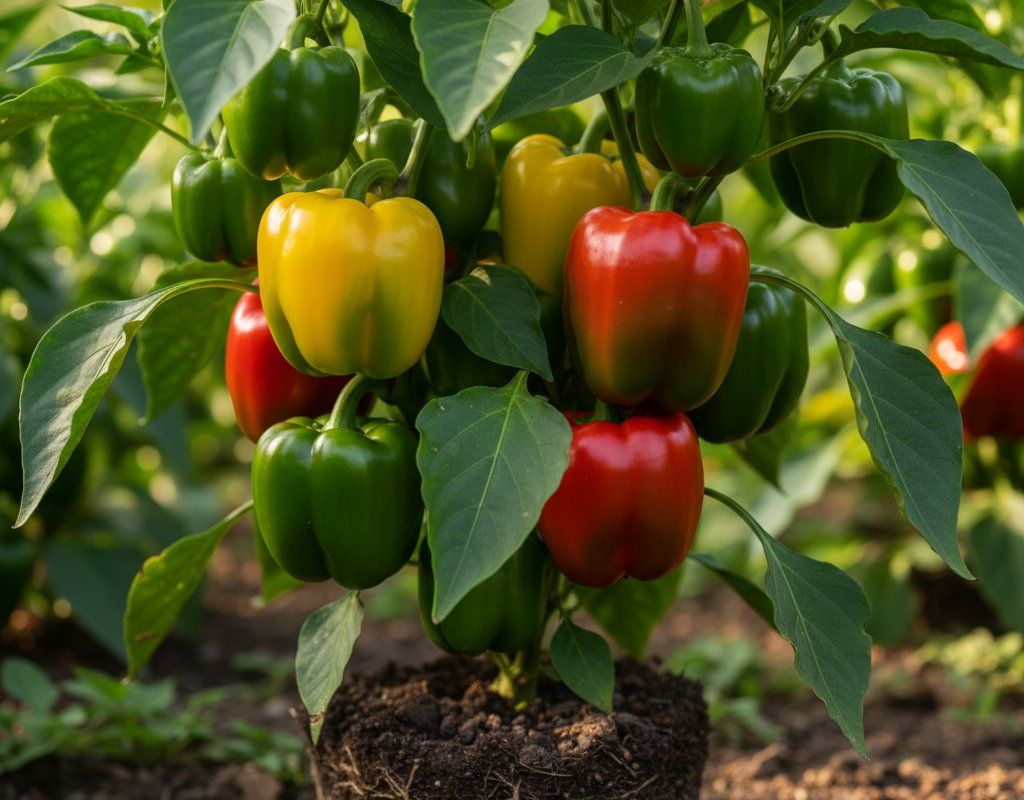
Echinacea benefits from companion planting. Tomatoes and peppers make excellent companions because they attract beneficial insects that prey on Echinacea pests. Herbs like rosemary and lavender also deter pests with their strong scents.
Avoid planting Echinacea near aggressive spreaders that might compete for resources.
🥬Best Vegetables to Pair With Echinacea
Echinacea benefits these vegetables through pest control, pollinator attraction, or improved garden health.




Get a Reminder When It's Time to Plant
We'll email you when key planting windows open for your zone.