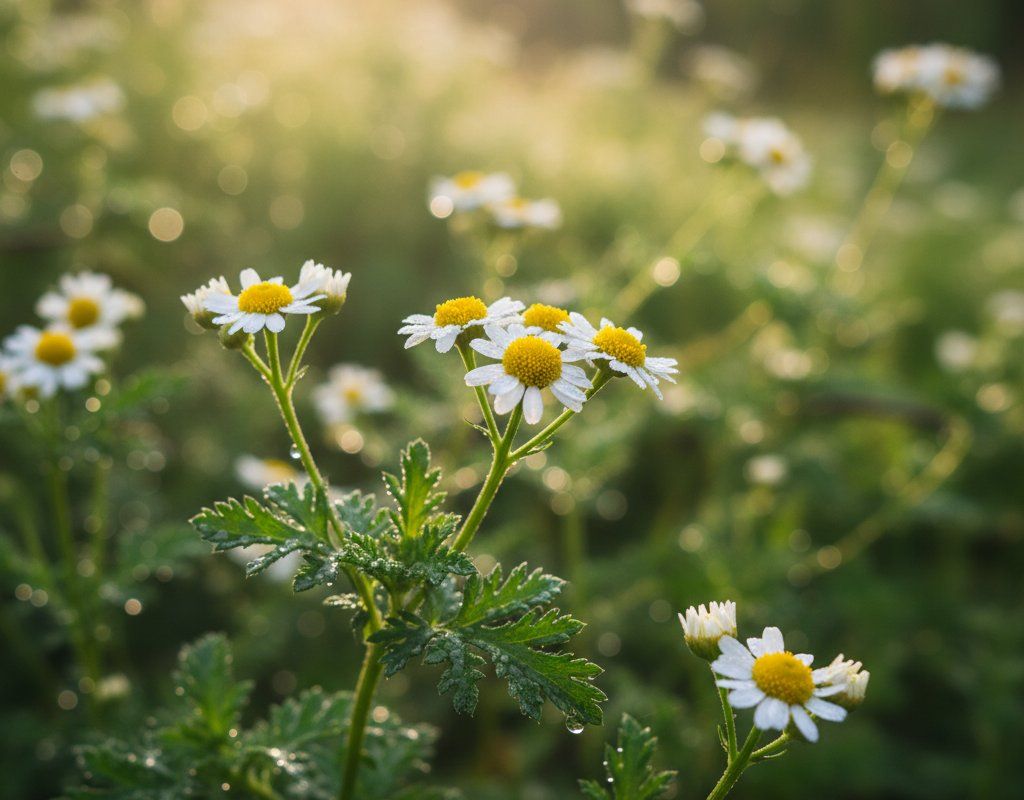
Feverfew in Zone 8A — Texas
Tanacetum parthenium · Your Complete 2026 Planting Guide
Time to Buy Starts!
Seed starting window passed, but starts are available now.
Buy Starts Now
Head to your local nursery, Home Depot, or farmers market for transplants.
- Look for stocky plants with dark green leaves
- Avoid leggy seedlings or plants already flowering
- Check that roots aren't circling the pot (rootbound)
How to Plant Feverfew in Zone 8A — Texas
Here are all your options for getting feverfew in the ground, from the easiest method to more advanced approaches.
Direct Sow Seeds
RecommendedEarly March through late August
around March 5
Consider succession planting every 2-3 weeks for continuous harvest.
Start Seeds Indoors
RecommendedLate December through mid January
around January 1
Then transplant: Late February through late March
Start seeds 8-10 weeks before transplanting outdoors.
Buy Starts
Works WellLate February through late March
around February 26
Plant purchased starts after last frost (March 5).
Transplant Outdoors
Timing InfoLate February through late March
around February 26
Can tolerate light frost, but wait for soil to be workable.
You have a nice window — no need to rush.
Overview
Feverfew is a fantastic addition to any Texas garden. Its cheerful, daisy-like flowers bring beauty to your beds, and it's known for its medicinal properties, making it a worthwhile herb to have on hand. Plus, it attracts beneficial insects, which is always a win in our gardens.
Our unpredictable weather, from the brutal Texas heat to the occasional late freeze, can be challenging. But with a long growing season of around 260 days, we have plenty of time to get Feverfew established and thriving. You can manage it with smart timing.
Starting Seeds Indoors
Starting Feverfew indoors in Texas is an option, especially if you want a head start on the growing season. Begin in late December through mid January, about eight weeks before you plan to transplant outdoors. This is useful if you want to get flowers as early as possible.
Use seed trays with a good seed-starting mix. Ensure they have warmth and plenty of light – a sunny windowsill or grow lights will do the trick. Bottom watering is your friend here, as it keeps the seedlings moist without overwatering. Given our early springs, starting indoors gives your Feverfew a jump on the season.
Transplanting Outdoors
Transplant your Feverfew seedlings outdoors in late February through late March. This gives them time to settle in before the real heat hits.
Before transplanting, harden them off by gradually exposing them to outdoor conditions for about a week. Space them 12-15 inches apart in well-drained soil. Keep an eye on the weather forecast – a late freeze can still happen, so be ready to cover them if needed.
Direct Sowing
Direct sowing Feverfew in Texas is a straightforward method, especially since our growing season is so long. Sow seeds directly into the garden from early March through late August. This works well, and avoids transplant shock.
Prepare the soil by loosening it and removing any weeds. Scatter the seeds lightly over the surface and gently press them into the soil. Keep the soil consistently moist until the seedlings emerge. Thin seedlings to 12-15 inches apart once they're a few inches tall.
Watering Feverfew in Zone 8A (Texas)
Feverfew is pretty low-maintenance when it comes to watering, which is a plus in Texas. Once established, it's quite drought-tolerant. The key is well-drained soil; soggy roots are a no-go.
During the hottest parts of the summer, especially when temps hit 97°F, check the soil moisture regularly. Use the "finger test" – stick your finger about two inches deep into the soil. If it feels dry, it's time to water. Aim for about an inch of water per week, but adjust based on rainfall. With our unpredictable rainfall, you might need to water more some weeks and less others. Water at the base of the plant to avoid overhead watering, which can encourage fungal diseases, especially with our variable humidity.
Signs of underwatering include wilting leaves and stunted growth. Overwatering can lead to yellowing leaves and root rot. A good layer of mulch around the base of the plants helps retain moisture and regulate soil temperature, which is especially helpful during our hot summers.
Pruning & Maintaining Feverfew
Pruning Feverfew is simple and keeps it looking its best. Deadheading is key for continuous blooming.
Snip off the spent flowers as soon as they start to fade. This encourages the plant to produce more blooms instead of putting energy into seed production. After the main flowering period, you can cut the plant back to tidy it up. Keep an eye on it, because Feverfew self-seeds aggressively. If you don't want it spreading everywhere, be diligent about deadheading. As first frost approaches around mid- November, you can leave the last blooms on for the beneficial insects.
🧪Fertilizing Feverfew
Feeding Schedule
Organic Fertilizer Options
Harvest Time
You can expect your first Feverfew harvest around mid May through late November, about 70 days after planting. The best time to harvest is when the small, daisy-like flowers are in full bloom.
Cut the stems just above a leaf node to encourage new growth. You can harvest regularly throughout the growing season to keep the plant producing. Even as the first frost approaches in mid- November, you can still harvest any remaining blooms.
Common Problems in Zone 8A (Texas)
Here are some common problems you might encounter with Feverfew in Texas:
Self-Seeds Prolifically
- What it looks like: Seedlings popping up everywhere in your garden, even in places you didn't plant them.
- What causes it: Feverfew is a prolific self-seeder, and our long growing season gives it ample time to spread its seeds.
- How to fix/prevent it: Deadhead spent flowers regularly to prevent seed formation. If you miss some, pull up the unwanted seedlings as soon as you see them.
Aphids
- What it looks like: Clusters of tiny soft-bodied insects (green, black, or white) on stems and leaf undersides. Sticky honeydew residue. Curled or distorted new growth.
- What causes it: Rapid-reproducing sap-sucking insects. Populations explode in warm weather. Ant colonies may farm them for honeydew.
- How to fix/prevent it: Strong water spray knocks them off. Encourage ladybugs and lacewings (natural predators). Insecticidal soap for heavy infestations. Neem oil works systemically. Avoid excess nitrogen fertilizer (it attracts them).
Leaf Miners
- What it looks like: Squiggly, pale trails inside the leaves. The leaves may also look blotchy or distorted.
- What causes it: Leaf miners are the larvae of small flies that burrow into the leaves to feed.
- How to fix/prevent it: Remove and destroy affected leaves. Use row covers to prevent the adult flies from laying eggs on the plants. Insecticides are generally not effective since the larvae are protected inside the leaves.
Texas Specific Challenges: Our hot-to-extreme heat, variable humidity, and unpredictable rainfall can exacerbate these problems. The heat stresses plants, making them more susceptible to pests and diseases. Keep a close eye on your Feverfew, especially during the summer, and take action quickly to address any issues.
Best Companions for Feverfew
Plant these nearby for healthier Feverfew and better harvests.
View Full Companion Planting Chart →
Companion Planting Details
Feverfew makes a great companion plant for several garden favorites in Texas. Plant it near tomatoes to help repel pests that can damage your tomato crop. Roses also benefit from Feverfew's pest-repelling properties, keeping aphids and other unwanted insects away. Herbs like rosemary and thyme thrive alongside Feverfew, as they all prefer similar well-drained conditions.
Avoid planting Feverfew near anything that needs consistently moist soil, as Feverfew prefers drier conditions. Since it self-seeds readily, keep it away from areas where you want to maintain strict control over what grows.
🥬Best Vegetables to Pair With Feverfew
Feverfew benefits these vegetables through pest control, pollinator attraction, or improved garden health.





Get a Reminder When It's Time to Plant
We'll email you when key planting windows open for your zone.