
Garlic in Zone 6A — Great Plains
Allium sativum · Your Complete 2026 Planting Guide
Too Late for Garlic
Not enough growing season left (need 254 days, only 230 remain)
📊 See the math
How to Plant Garlic in Zone 6A — Great Plains
Here are all your options for getting garlic in the ground, from the easiest method to more advanced approaches.
Direct Sow Seeds
RecommendedDirect sowing is not typical for Garlic.
Plant cloves directly in fall, 4-6 weeks before ground freezes. Harvests the following summer.
Buy Starts
Works WellEarly to late July
around July 9
Plant purchased starts after last frost (April 15).
Start Seeds Indoors
ChallengingThis plant is typically not started indoors.
Transplant Outdoors
Timing InfoEarly to late July
around July 9
Can tolerate light frost, but wait for soil to be workable.
Plan to transplant within a few weeks of your target date.
Overview
Growing garlic in the Great Plains gives you bulbs with intense, complex flavors that put grocery store varieties to shame. Our region's fertile prairie soil and abundant sunshine create ideal conditions for developing those deep, pungent flavors that make homegrown garlic so prized in the kitchen. The long, cold winters provide the necessary vernalization period hardneck varieties need to form proper bulbs.
While our extreme temperature swings and variable precipitation can challenge many crops, garlic actually thrives with our climate patterns. Plant in fall, let winter do its work, then harvest in summer – your 188-day growing season gives garlic plenty of time to develop those full, well-segmented bulbs. The timing works perfectly with our Plains weather patterns.
Transplanting Outdoors
Wait, garlic isn't typically transplanted – it's direct-sown as cloves in fall. However, if you're starting with garlic transplants (perhaps green garlic or specialty varieties), early to late July works well in our Plains climate. This timing lets plants establish before our intense summer heat peaks and gives them a full growing season.
Harden off transplants gradually over a week, starting with 2-3 hours of morning sun and building to full exposure. Our Plains winds can shock tender transplants, so choose calm days for the transition. Space plants 4-6 inches apart in rows, giving them room to develop full-sized bulbs.
Plant when afternoon temperatures consistently stay below 95°F. July's variable weather in our region means you might get a perfect planting window during a cooler spell, or you may need to provide temporary shade cloth during the hottest part of establishment.
Watering Garlic in Zone 6A (Great Plains)
Garlic needs consistent moisture but can't tolerate waterlogged soil – a balance that works well with our Plains climate patterns. During spring growth (March through May), provide about 1 inch of water weekly, either from rainfall or irrigation. Our variable spring precipitation means you'll need to supplement during dry spells.
Use the finger test: stick your finger 2 inches into the soil near the plants. If it's dry at that depth, it's time to water. Water at the base of plants rather than overhead – our low-to-moderate humidity means leaves dry quickly, but targeted watering conserves moisture in our often-windy conditions.
As summer heat arrives and lower leaves begin browning (usually early June), gradually reduce watering. Stop watering entirely 2-3 weeks before harvest when about one-third of the leaves have browned. This allows bulbs to cure naturally and prevents rot during our hot summer weather.
Apply a 2-inch layer of straw mulch around plants to conserve moisture and suppress weeds. In our Plains climate, mulch also helps moderate soil temperature swings and protects against wind erosion during dry periods.
Pruning & Maintaining Garlic
Hardneck garlic varieties produce curly flower stalks called scapes in late spring – cut these off when they form one complete curl. Removing scapes redirects the plant's energy into bulb development rather than flower production. Those scapes are delicious sautéed or used in stir-fries, so don't waste them.
Keep leaves intact throughout the growing season, as they're essential for photosynthesis and bulb development. Only remove leaves that turn completely yellow or brown, and avoid cutting green foliage even if it looks a bit weather-beaten from our Plains winds.
As harvest approaches in mid-summer, let the natural leaf browning process occur. When about one-third of the leaves have browned but the rest remain green, your garlic is ready to harvest. Don't cut back leaves prematurely – they're still feeding the developing bulbs.
🧪Fertilizing Garlic
Feeding Schedule
Organic Fertilizer Options
Harvest Time
Your garlic will be ready for harvest from early March through mid-April in our Zone 6A Plains climate, roughly 240 days after fall planting. Watch for the telltale sign: when the lower third of leaves have turned brown but the upper leaves remain green. This usually coincides with our warming spring temperatures.
Harvest on a dry day if possible – our variable spring weather means you might need to wait out a wet spell. Carefully dig bulbs with a garden fork, working several inches away from the plants to avoid nicking the bulbs. Brush off excess soil but don't wash them.
Cure your harvested garlic in a dry, airy location with good ventilation for 2-4 weeks. Our low humidity and frequent Plains winds actually help this process. Hang bundles or spread bulbs on screens in a garage, shed, or covered porch where they'll stay dry but have air circulation.
Don't wait too long to harvest – overripe bulbs may split their papery skins or begin separating into individual cloves. If an unexpected late spring storm threatens, you can harvest slightly early and finish curing indoors.
Common Problems in Zone 6A (Great Plains)
White Rot What it looks like: Yellow, wilting leaves starting from the bottom up, white fluffy fungal growth around the bulb base, and black sclerotia (tiny black pellets) in the soil around affected plants. What causes it: A soil-borne fungus that thrives in cool, moist conditions. Our variable spring weather with wet periods followed by warming temperatures creates perfect conditions for this disease. How to fix/prevent it: Remove affected plants immediately, including surrounding soil. Don't compost infected material. Rotate garlic to different beds for at least 4 years. Improve drainage and avoid overwatering during cool spring weather.
Rust What it looks like: Rusty orange, yellow, or brown pustules on leaves and stems, mostly on undersides. Leaves yellow and drop prematurely, reducing bulb size. What causes it: Fungal spores spread by our constant Plains winds, especially during warm periods with morning dew or after spring rains when humidity temporarily increases. How to fix/prevent it: Remove affected leaves immediately. Water at soil level rather than overhead. Space plants adequately for air circulation – important in our windy climate. Apply sulfur-based fungicide if severe. Avoid working among wet plants.
Bulb Mites What it looks like: Stunted growth, yellowing leaves, and small white or cream-colored mites visible around bulb base and roots. Bulbs may feel soft or show brown, corky areas. What causes it: These tiny mites thrive in warm soil and often enter through wounds or cracks in bulbs, becoming more problematic during our hot summer temperatures. How to fix/prevent it: Plant only firm, healthy cloves. Avoid damaging bulbs during planting or cultivation. Remove and destroy affected plants. Rotate crops and avoid planting garlic in the same spot for several years.
Great Plains Specific Challenges: Our intense summer heat and low-to-moderate humidity actually help prevent many foliar diseases but can stress plants if watering isn't managed properly. The combination of hot days and mild nights means consistent soil moisture becomes critical during bulb development. Wind protection helps prevent physical damage and reduces water stress during our frequent dry spells.
Best Companions for Garlic
Plant these nearby for healthier Garlic and better harvests.
Keep Away From
Companion Planting Details
Plant garlic near tomatoes, peppers, and brassicas like cabbage and broccoli – garlic's natural sulfur compounds help repel aphids, spider mites, and other soft-bodied insects that plague these crops in our Plains heat. Roses also benefit from nearby garlic, which helps deter aphids and may reduce fungal problems. The upright growth habit of garlic doesn't compete with these companions for space or light.
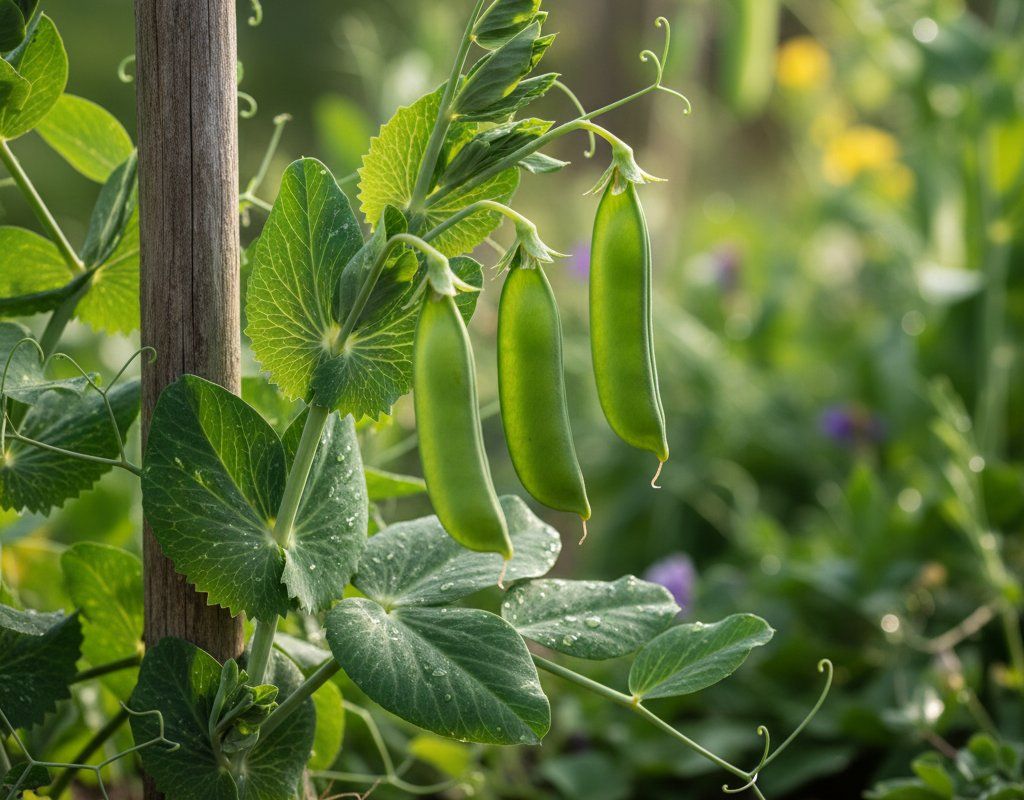
Avoid planting garlic near beans and peas, as garlic can inhibit their growth and nitrogen fixation. In our Prairie soils where nitrogen cycling is important for soil health, this interference can reduce your legumes' benefit to the garden ecosystem. Keep these crops in separate beds or rotate them in different seasons.
🌸Best Flowers to Plant with Garlic
These flowers protect your Garlic from pests and attract pollinators for better harvests.
For Pest Control

Get a Reminder When It's Time to Plant
We'll email you when key planting windows open for your zone.