
Garlic in Zone 8A — Desert Southwest
Allium sativum · Your Complete 2026 Planting Guide
Harvest Time!
Your Garlic should be producing now!
Harvest Tips
Harvest when ripe according to variety specifications.
How to Plant Garlic in Zone 8A — Desert Southwest
Here are all your options for getting garlic in the ground, from the easiest method to more advanced approaches.
Direct Sow Seeds
RecommendedDirect sowing is not typical for Garlic.
Plant cloves directly in fall, 4-6 weeks before ground freezes. Harvests the following summer.
Buy Starts
Works WellLate May through mid June
around May 29
Plant purchased starts after last frost (March 5).
Start Seeds Indoors
ChallengingThis plant is typically not started indoors.
Transplant Outdoors
Timing InfoLate May through mid June
around May 29
Can tolerate light frost, but wait for soil to be workable.
Plan to transplant within a few weeks of your target date.
Overview
Garlic thrives in our Desert Southwest climate, offering homegrown bulbs with intense, complex flavors that put store-bought varieties to shame. With our mild winters and two growing seasons, you can grow both softneck varieties (perfect for braiding) and hardneck types that produce those delicious scapes in spring. The long, cool growing period from fall through early spring gives garlic time to develop those multiple cloves we're after, while our dry climate helps prevent many fungal diseases that plague gardeners in humid regions.
Yes, garlic requires patience with its 240-day growing cycle, but our 265-day growing season gives you plenty of room to work with. The key is working with our desert climate rather than against it - plant when temperatures cool down and harvest before the extreme heat kicks in. Once you get the timing down, garlic becomes one of the most reliable crops in your desert garden.
Transplanting Outdoors
Wait until late May through mid-June to transplant your garlic outdoors - you want soil temperatures consistently above 60°F and nighttime lows staying above 45°F. This timing lets you avoid those unexpected late-season cold snaps that can stress young transplants in the desert. Your garlic needs about a week of hardening off, gradually increasing outdoor exposure from 2-3 hours to full days.
Space your transplants 4-6 inches apart in well-draining soil. Our alkaline desert soil can be challenging, so work in compost or sulfur to lower pH if needed. The key is getting them established before summer's extreme heat arrives. Choose a spot with full sun but consider some afternoon shade protection if your garden gets brutal western exposure - morning sun is most important for garlic.
Plant them at the same depth they were growing in their containers. Water thoroughly after transplanting, then back off to moderate watering as they establish. These transplants should settle in quickly during our mild late spring weather.
Watering Garlic in Zone 8A (Desert Southwest)
Garlic needs consistent moisture through its spring growing phase but isn't drought tolerant like many desert plants. In our arid climate with only 8-15 inches of annual rainfall, you'll need to supplement regularly from planting through early summer. Start with about 1 inch of water per week, checking soil moisture with the finger test - stick your finger 2 inches down, and water when it feels dry at that depth.
During our mild winter months, you can often reduce watering since cooler temperatures mean less evaporation. But come spring when growth picks up and temperatures start climbing toward those 105°F summer highs, maintain that consistent moisture. Water at the base rather than overhead - our low humidity means leaves dry quickly, but targeted watering conserves precious water and prevents fungal issues.
Watch for signs of stress in our extreme heat. Wilted or yellowing leaves often mean inconsistent watering rather than overwatering. Underwatered garlic develops small bulbs with fewer cloves. A thin layer of mulch helps retain soil moisture without creating the damp conditions that can cause problems in more humid climates.
Stop watering 2-3 weeks before harvest when you see the lower third of leaves browning. This curing period in our dry air helps concentrate flavors and improves storage life.
Pruning & Maintaining Garlic
Garlic needs minimal pruning, but hardneck varieties will send up curly flower stalks called scapes in late spring. Cut these off when they start to curl - leaving them on diverts energy from bulb development into flower production. Don't waste these scapes though; they're delicious in stir-fries or pesto with a mild garlic flavor.
Keep the foliage intact throughout the growing season since those leaves are busy photosynthesizing to build your bulb underground. Only remove yellowing or damaged leaves as needed. The plant naturally starts dying back as harvest approaches, which is exactly what you want to see.
As our first frost approaches in late November, any remaining green foliage will naturally die back. This signals the end of the growing cycle and helps you time your final harvest if you haven't already pulled your bulbs.
🧪Fertilizing Garlic
Feeding Schedule
Organic Fertilizer Options
Harvest Time
Your first garlic harvest comes in late January through early March - much earlier than gardeners in colder climates get to enjoy fresh garlic. Watch for the harvest signal: when the lower third of leaves turn brown but the upper leaves stay green. This usually happens after about 240 days from planting, though hot weather can accelerate the timeline.
Harvest on a dry day by carefully digging bulbs with a fork, being gentle to avoid nicks or cuts that invite rot. Brush off excess soil but don't wash them - our dry desert air is perfect for the curing process. The timing is crucial because waiting too long means the bulb wrappers start deteriorating, reducing storage life.
After harvest, cure your garlic in a dry, airy space for 2-4 weeks. Our low humidity makes this process easier than in humid climates. Once the outer layers are papery and the roots are dry, trim the roots and cut the stems to about an inch above the bulb for storage.
If you're growing hardneck varieties, you might get a second, smaller harvest of side shoots that develop later in the season. These are perfect for fresh eating before they fully mature.
Common Problems in Zone 8A (Desert Southwest)
White Rot Small, fluffy white growth appears at the base of bulbs, often with tiny black sclerotia (like poppy seeds) mixed in. Plants yellow and die prematurely, and bulbs rot in the ground. This soil-borne fungus thrives in cool, moist conditions and can persist in soil for years. In our desert climate, overwatering or poor drainage creates the perfect environment for white rot to develop. Remove affected plants immediately and don't compost them. Improve drainage, avoid overhead watering, and rotate your garlic to different areas of the garden. Once white rot appears in soil, avoid planting garlic or onions in that spot for several years.
Rust Rusty orange, yellow, or brown pustules appear on leaves and stems, mostly on undersides. Leaves yellow and drop prematurely, weakening bulb development. Various rust fungi spread via wind-borne spores and favor warm, humid conditions with moisture on leaves. While our arid climate generally discourages rust, it can still appear during monsoon season or with overhead watering. Remove affected leaves immediately and avoid working among wet plants. Improve air circulation between plants and stick to watering at soil level. Apply sulfur or copper fungicide if the problem persists.
Bulb Mites Tiny, whitish mites cluster around the base of bulbs, causing them to become soft and rot. You might notice stunted growth or yellowing leaves above ground. These microscopic pests thrive in damaged tissue and can quickly destroy an entire bulb. They often enter through mechanical damage during planting or cultivation. Inspect bulbs carefully before planting and avoid nicking them with tools. Remove affected plants and don't compost them. Practice crop rotation and keep the garden area clean of plant debris where mites can overwinter.
Desert Southwest Specific Challenges: Our extreme heat and intense sun can cause premature bulb maturation if plants get stressed, while our alkaline soil can limit nutrient uptake. The sudden temperature swings during monsoon season can stress plants, making them more susceptible to problems. Focus on consistent watering and soil improvement to help your garlic handle our unique desert conditions.
Best Companions for Garlic
Plant these nearby for healthier Garlic and better harvests.
Keep Away From
Companion Planting Details
Garlic makes an excellent companion in desert gardens, especially planted alongside tomatoes and peppers since its strong scent helps deter aphids and other soft-bodied pests that love these warm-season crops. Plant it near your brassicas like cabbage and broccoli - garlic's sulfur compounds naturally repel cabbage worms and other brassica pests. Many desert gardeners plant garlic around roses since it helps discourage aphids while the roses provide a bit of afternoon shade during our extreme heat.
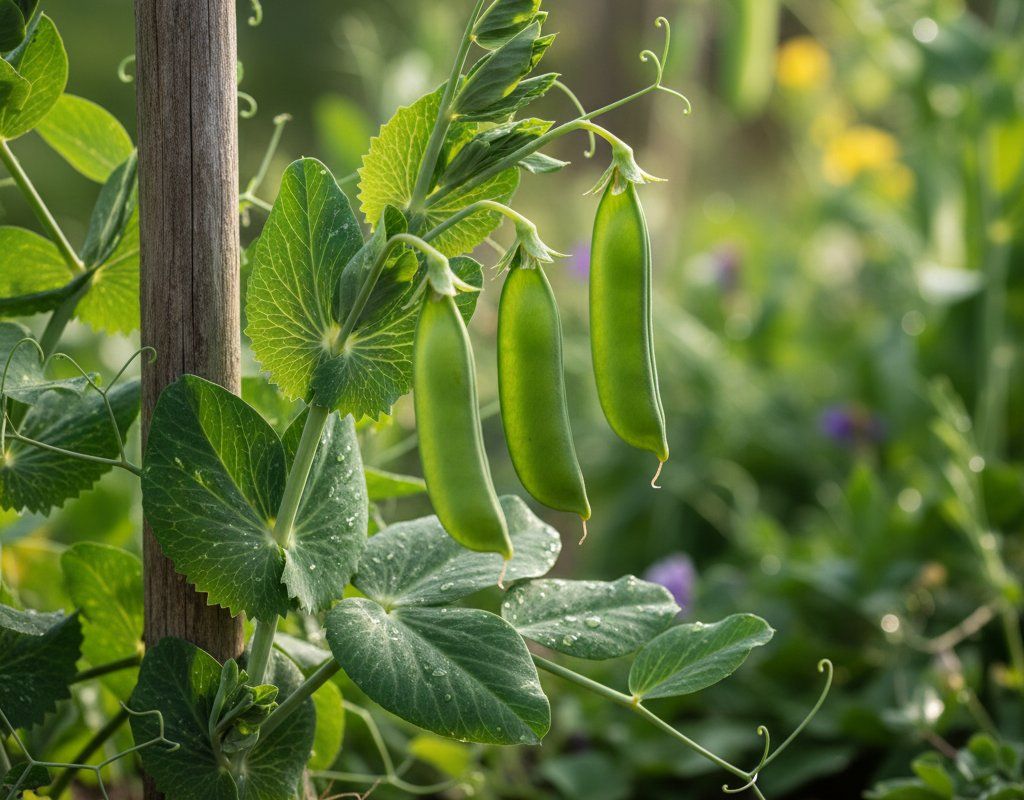
Avoid planting garlic near beans and peas, as garlic can inhibit their growth and nitrogen fixation. This is particularly important in our desert gardens where every plant needs to perform well in challenging conditions. The allelopathic compounds in garlic that make it such a good pest deterrent can actually stunt legume growth, reducing your overall garden productivity.
🌸Best Flowers to Plant with Garlic
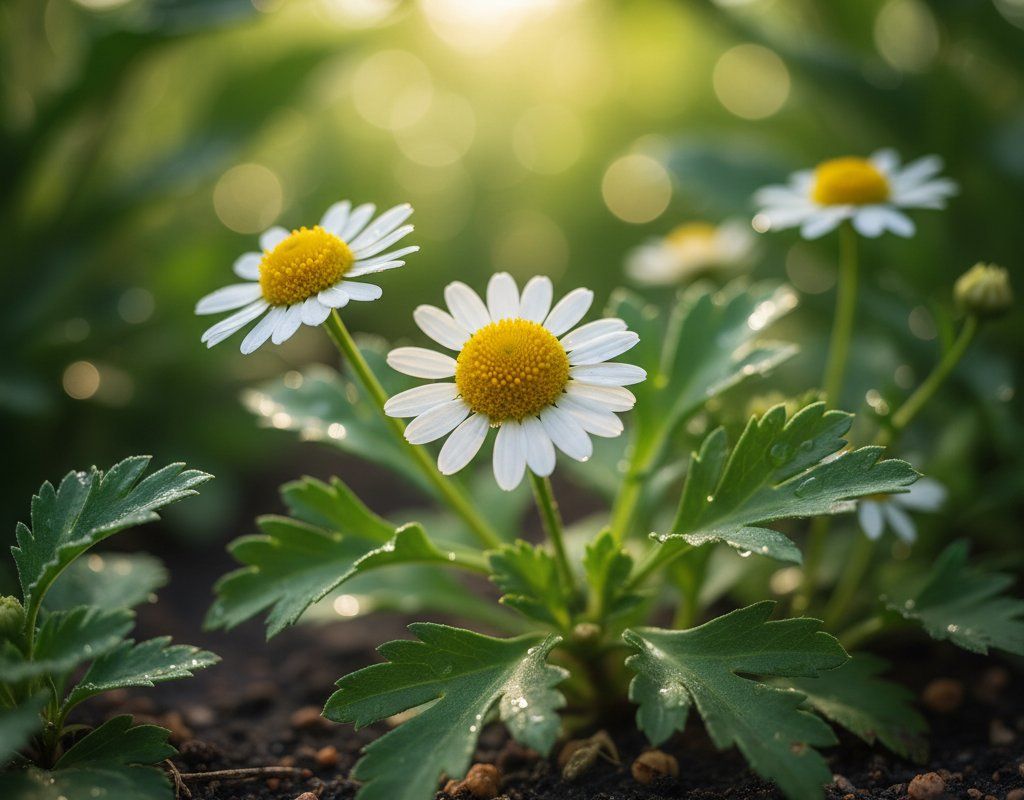
These flowers protect your Garlic from pests and attract pollinators for better harvests.
For Pest Control
Get a Reminder When It's Time to Plant
We'll email you when key planting windows open for your zone.