
Garlic in Zone 9A — Gulf Coast
Allium sativum · Your Complete 2026 Planting Guide
Check Planting Details Below
See the full planting guide for timing information.
How to Plant Garlic in Zone 9A — Gulf Coast
Here are all your options for getting garlic in the ground, from the easiest method to more advanced approaches.
Direct Sow Seeds
RecommendedDirect sowing is not typical for Garlic.
Plant cloves directly in fall, 4-6 weeks before ground freezes. Harvests the following summer.
Buy Starts
Works WellEarly to late May
around May 6
Plant purchased starts after last frost (February 10).
Start Seeds Indoors
ChallengingThis plant is typically not started indoors.
Transplant Outdoors
Timing InfoEarly to late May
around May 6
Can tolerate light frost, but wait for soil to be workable.
Plan to transplant within a few weeks of your target date.
Overview
Growing garlic in the Gulf Coast's Zone 9A gives you the satisfaction of harvesting bulbs with flavor that store-bought varieties simply can't match. Our long growing season and mild winters create ideal conditions for garlic to develop those complex, pungent flavors that make home-grown bulbs so prized in the kitchen.
While our high humidity and disease pressure can challenge some crops, garlic actually thrives when planted at the right time in our 303-day growing season. The key is working with our climate patterns rather than against them — plant in late fall when cooler weather arrives, and you'll harvest beautiful bulbs before the intense summer heat sets in.
Transplanting Outdoors
Wait until early to late May to transplant your garlic outdoors, when our nighttime temperatures have dropped consistently and the worst of the summer heat has passed. This timing lets your cloves establish strong root systems before winter dormancy begins.
Harden off your transplants gradually over a week, giving them increasing exposure to outdoor conditions. Our Gulf Coast humidity can shock plants moved too quickly from protected environments. Space your cloves 4-6 inches apart in well-draining soil — this spacing allows good air circulation, which helps prevent fungal issues in our humid climate.
Be prepared for our unpredictable late spring weather during transplant season. Keep row covers handy for unexpected warm spells or heavy afternoon storms that can stress newly transplanted garlic.
Watering Garlic in Zone 9A (Gulf Coast)
Garlic needs consistent moisture but never waterlogged soil, which can be tricky in our wet-year-round climate. During the active growing season from fall through late spring, aim for about 1 inch of water weekly, including rainfall. Use the finger test — stick your finger 2 inches into the soil, and water when it feels dry at that depth.
Our 50-65 inches of annual rainfall means you'll often rely more on managing excess water than providing it. Focus on improving drainage rather than frequent watering, especially during our heavy afternoon storm seasons. Water at the base of plants rather than overhead — our very high humidity already creates perfect conditions for fungal diseases without adding moisture to the leaves.
Watch for signs of overwatering, which is more common here than drought stress: yellowing leaves, soft bulbs, or that telltale sour smell from the soil. Conversely, if leaves turn blue-gray or growth slows dramatically during dry spells, increase your watering frequency.
Stop watering entirely 2-3 weeks before harvest when the lower third of leaves start browning. A light mulch of pine straw helps regulate soil moisture during our unpredictable spring weather patterns.
Pruning & Maintaining Garlic
Garlic requires minimal pruning throughout the growing season, which makes it perfect for our busy Gulf Coast gardeners. The main task is cutting scapes — those curly flower stalks that emerge from hardneck varieties in late spring. Snap or cut these off when they first appear to redirect the plant's energy into bulb development.
Don't toss those scapes! They're delicious in stir-fries, pesto, or grilled as a side dish. Cut them when they're still tender, before the flower bud at the tip opens.
As our first frost approaches in early December, resist the urge to cut back the foliage too early. Those leaves are still feeding the bulb. Let them naturally yellow and die back, then clean up any remaining debris to prevent overwintering pests and diseases.
🧪Fertilizing Garlic
Feeding Schedule
Organic Fertilizer Options
Harvest Time
Your garlic will be ready for harvest from early January through mid-February in our Gulf Coast climate, after those crucial 240 days of growth. Look for the sweet spot when the lower third of leaves have turned brown but the upper leaves remain green — this indicates the bulb has reached full size without the outer wrapper layers starting to deteriorate.
Carefully dig bulbs with a garden fork rather than pulling them, as our clay soils can grip tight and break the stems. Brush off excess soil but don't wash them — wet bulbs are prone to rot in our humid conditions. Check each bulb as you harvest; any with soft spots or damage should be used immediately.
Cure your harvested garlic in a dry, well-ventilated area for 2-4 weeks. This is crucial in our humid climate — proper curing concentrates flavors and extends storage life. A covered porch with good airflow works well, or use a fan in a garage or shed to keep air moving around the bulbs.
Time your harvest carefully before our unpredictable late winter weather. While garlic can handle light frost, prolonged wet conditions during our late winter can cause bulbs to rot in the ground.
Common Problems in Zone 9A (Gulf Coast)
White Rot What it looks like: Yellowing and wilting leaves starting from the base up, plus white, fluffy fungal growth around the base of bulbs. You might notice a strong garlic smell even when bulbs aren't damaged, and black, seed-like structures (sclerotia) in the white fungal mass. What causes it: Soilborne fungus that thrives in our cool, moist winter conditions and can persist in soil for years. Our wet-year-round climate provides perfect conditions for this disease to spread. How to fix/prevent it: Remove and destroy affected plants immediately — never compost them. Improve soil drainage and avoid planting garlic in the same spot for at least 7 years. Plant in raised beds if your soil tends to stay wet during our heavy rain seasons.
Rust What it looks like: Rusty orange, yellow, or brown pustules on leaves and stems, mostly on undersides. Leaves yellow and drop prematurely, weakening the plant and reducing bulb size. What causes it: Various rust fungi that spread via wind-borne spores, favored by our warm, humid conditions with moisture on leaves. Our frequent afternoon storms create ideal conditions for spore dispersal. How to fix/prevent it: Remove affected leaves immediately and improve air circulation around plants. Avoid overhead watering and never work among wet plants. Apply sulfur or copper fungicide if the problem persists, and rotate crops to different areas of your garden.
Bulb Mites What it looks like: Stunted growth, yellowing leaves, and soft or hollowed-out bulbs. You might see tiny, white, spider-like creatures around the roots and bulb base when you dig up affected plants. What causes it: These microscopic pests thrive in our humid conditions and often attack bulbs that are already stressed or damaged. They're particularly problematic in heavy, poorly-draining soils common in our area. How to fix/prevent it: Improve soil drainage and avoid overwatering. Remove and destroy affected bulbs. Hot water treatment of seed cloves before planting (soak in 120°F water for 10 minutes) can help prevent introduction of mites to your garden.
Gulf Coast Specific Challenges: Our combination of high humidity, frequent rainfall, and warm temperatures creates a perfect storm for fungal diseases in garlic. The key to success is focusing on drainage, air circulation, and avoiding overhead watering whenever possible.
Best Companions for Garlic
Plant these nearby for healthier Garlic and better harvests.
Keep Away From
Companion Planting Details
Plant garlic alongside tomatoes, peppers, and brassicas like cabbage and broccoli — the garlic's natural compounds help repel aphids, spider mites, and other pests that commonly attack these crops in our humid climate. Roses particularly benefit from garlic companions, as the bulbs help deter aphids and may reduce fungal disease pressure.
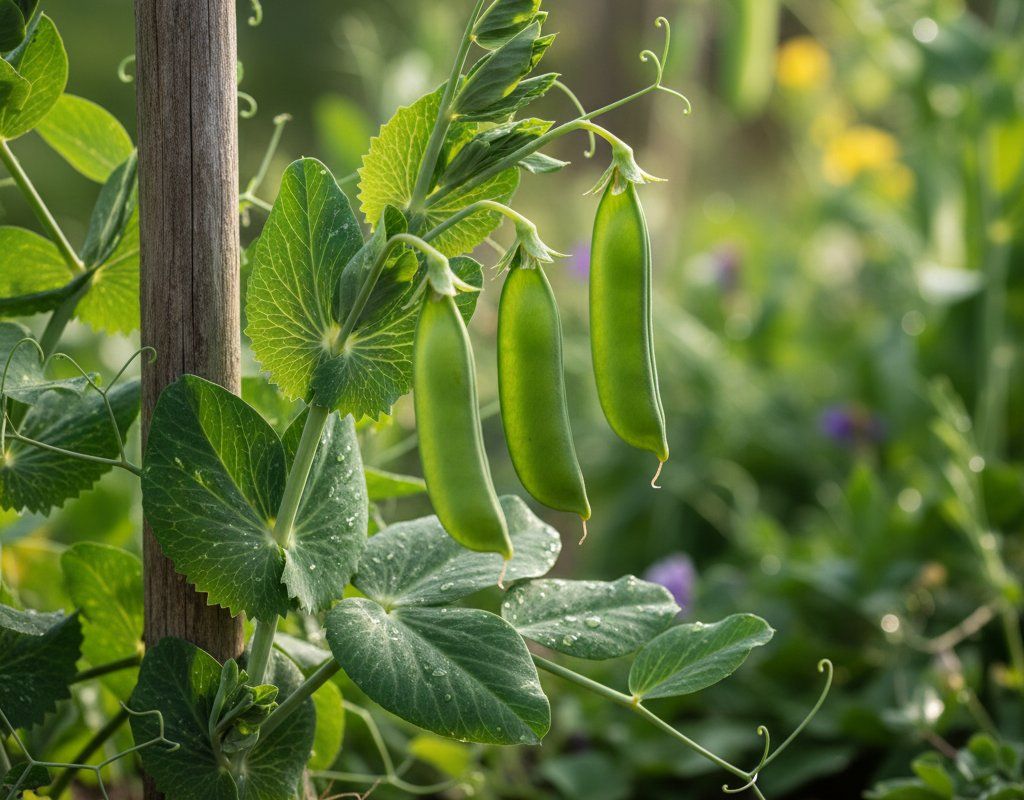
Avoid planting garlic near beans and peas, as garlic's allelopathic compounds can inhibit the growth of legumes and interfere with their nitrogen-fixing abilities. In our long growing season, this incompatibility becomes more pronounced as plants have extended time to interact through their root systems.
🌸Best Flowers to Plant with Garlic
These flowers protect your Garlic from pests and attract pollinators for better harvests.
For Pest Control

Get a Reminder When It's Time to Plant
We'll email you when key planting windows open for your zone.