
Garlic in Zone 9A — Northern California
Allium sativum · Your Complete 2026 Planting Guide
Check Planting Details Below
See the full planting guide for timing information.
How to Plant Garlic in Zone 9A — Northern California
Here are all your options for getting garlic in the ground, from the easiest method to more advanced approaches.
Direct Sow Seeds
RecommendedDirect sowing is not typical for Garlic.
Plant cloves directly in fall, 4-6 weeks before ground freezes. Harvests the following summer.
Buy Starts
Works WellMid May through early June
around May 16
Plant purchased starts after last frost (February 20).
Start Seeds Indoors
ChallengingThis plant is typically not started indoors.
Transplant Outdoors
Timing InfoMid May through early June
around May 16
Can tolerate light frost, but wait for soil to be workable.
Plan to transplant within a few weeks of your target date.
Overview
Garlic thrives in Northern California's Mediterranean climate, where our long growing season and cool, wet winters create ideal conditions for developing those complex, pungent bulbs you can't find at the store. You'll get varieties perfectly suited to our region—from mild, sweet softnecks that store beautifully through our dry summers to robust hardnecks that handle our occasional winter chills with ease.
While our 288-day growing season gives garlic plenty of time to mature, the timing can feel backwards if you're used to spring planting. Our dry summers and variable microclimates require some planning, but once you understand garlic's winter growing pattern, you'll find it's one of the most reliable crops for year-round Northern California gardening.
Transplanting Outdoors
Actually, garlic isn't typically transplanted—it's direct-sown from cloves in the garden. You'll plant individual cloves from mid-May through early June, giving them time to establish roots before our winter rains arrive. This timing works perfectly with Northern California's pattern of late spring warmth followed by our Mediterranean winter growing season.
Space your cloves 4-6 inches apart in well-draining soil, planting them pointed end up about 2 inches deep. Our May and June weather is usually settled and warm, so you won't need to worry about hardening off like you would with transplants. Just watch for any late heat waves that might stress newly planted cloves before they establish.
Choose a spot with full sun exposure—garlic needs those 6-8 hours daily to develop properly during our shorter winter days. The upright growth habit means they won't shade out neighboring plants as they mature through the cool season.
Watering Garlic in Zone 9A (Northern California)
Garlic's watering needs shift dramatically with Northern California's seasonal patterns, making timing more important than total amounts. During our fall and winter growing season, you'll rely mostly on natural rainfall, supplementing only during dry spells to keep soil consistently moist but never waterlogged.
As spring arrives and bulbs begin sizing up, increase watering to about 1 inch per week. Use the finger test—stick your finger 2 inches into the soil, and water when it feels dry at that depth. Our moderate-to-hot summers and low humidity mean soil dries faster than you might expect, especially as garlic heads toward harvest.
Water at the base rather than overhead, since our low humidity makes foliar diseases less common but wet leaves can still invite problems. About 2-3 weeks before harvest, when you see the lower third of leaves browning, stop watering entirely. This drying period concentrates flavors and prevents bulb rot during curing.
A thin layer of mulch helps retain moisture through our dry periods while keeping soil temperatures stable. In our climate, straw or shredded leaves work better than heavy mulches that might retain too much moisture during wet winters.
Pruning & Maintaining Garlic
Garlic requires minimal pruning, but hardneck varieties will send up curly flower stalks called scapes in late spring. Cut these off as soon as they appear—they're delicious grilled or sautéed, and removing them redirects the plant's energy into bulb development rather than flower production.
Leave the foliage alone until harvest time approaches. Those leaves are working hard to feed the developing bulb, and premature cutting reduces your final harvest size. Even when lower leaves start browning in late winter and early spring, resist the urge to tidy up.
As our December frosts arrive, garlic naturally begins its dormant period. The above-ground foliage will die back completely, which is normal and expected. Don't cut it back early—let the plant use every bit of energy to finish bulb development.
🧪Fertilizing Garlic
Feeding Schedule
Organic Fertilizer Options
Harvest Time
Your garlic will be ready for harvest from mid-January through late February, after those 240 days of patient growing through our cool season. Watch for the telltale signs: when the lower third of leaves have turned brown but the upper leaves remain green, it's time to dig.
Don't wait until all leaves are brown—that means you've waited too long and bulb quality suffers. Carefully dig bulbs with a garden fork, brushing off soil but leaving roots and foliage attached. Handle gently since freshly harvested bulbs bruise easily.
Cure your garlic in a dry, airy space away from direct sunlight for 2-4 weeks. Our low humidity during late winter and early spring creates perfect curing conditions—just ensure good air circulation. Properly cured garlic will store through our hot, dry summer months when stored in a cool, dry place.
Since our first frost typically arrives in early December, you'll have harvested and cured your crop long before any weather concerns. This winter harvest timing is one of garlic's advantages in Northern California's climate.
Common Problems in Zone 9A (Northern California)
White Rot White rot appears as yellowing, wilting leaves starting with older foliage, often with white, fluffy fungal growth at the bulb base. Our cool, wet winters can create ideal conditions for this soilborne fungus, especially in heavy clay soils with poor drainage. Improve soil drainage with compost or raised beds, rotate garlic to different garden areas each year, and avoid overwatering during our rainy season.
Rust Rust shows up as rusty orange, yellow, or brown pustules on leaves and stems, mostly on undersides, causing leaves to yellow and drop early. Various rust fungi spread through wind-borne spores and thrive in warm, humid conditions when moisture sits on leaves. Remove affected leaves immediately, avoid overhead watering, and improve air circulation around plants. Apply sulfur or copper fungicide if needed, and never work among wet plants.
Bulb Mites These tiny pests create soft, rotting spots on bulbs and can destroy entire harvests in storage. They're attracted to damaged or stressed bulbs and multiply quickly in warm conditions. Handle bulbs gently during harvest and curing, ensure proper air circulation during storage, and remove any damaged cloves before planting.
Northern California Specific Challenges: Our moderate-to-hot summers and low humidity actually help prevent many foliar diseases, but our variable microclimates mean some gardens stay wetter than others during winter. Fire season smoke can stress plants, while water restrictions may force you to be more strategic about irrigation timing.
Best Companions for Garlic
Plant these nearby for healthier Garlic and better harvests.
Keep Away From
Companion Planting Details
Plant garlic near tomatoes, peppers, and brassicas like cabbage and broccoli—the sulfur compounds in garlic naturally repel aphids, spider mites, and other soft-bodied pests that plague these crops. Roses particularly benefit from garlic's pest-deterrent properties, and the timing works well since both are establishing during our cool season. The upright growth habit means garlic won't compete for space with these larger plants.
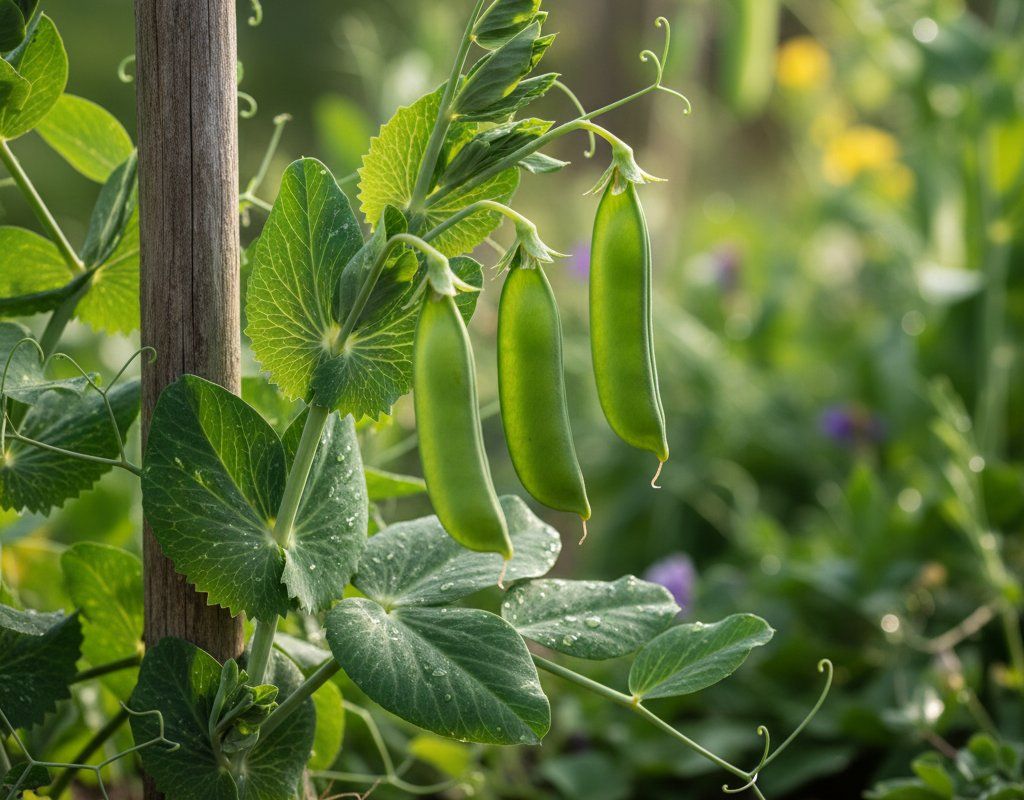
Avoid planting garlic near beans and peas, as garlic's allelopathic compounds can inhibit their growth and nitrogen fixation. This is especially important in Northern California where our long growing season means these plants might overlap for months. Keep them in separate garden beds to ensure both crops perform at their best.
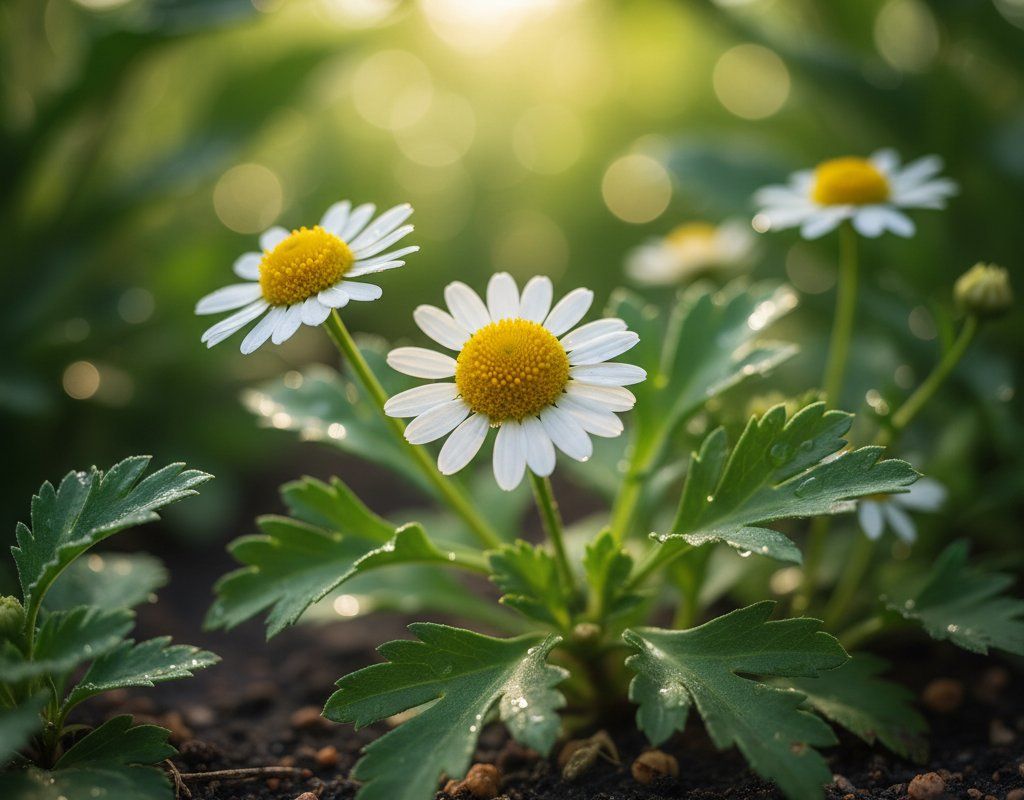
🌸Best Flowers to Plant with Garlic
These flowers protect your Garlic from pests and attract pollinators for better harvests.
For Pest Control
Get a Reminder When It's Time to Plant
We'll email you when key planting windows open for your zone.