
Garlic in Zone 9B — Desert Southwest
Allium sativum · Your Complete 2026 Planting Guide
Check Planting Details Below
See the full planting guide for timing information.
How to Plant Garlic in Zone 9B — Desert Southwest
Here are all your options for getting garlic in the ground, from the easiest method to more advanced approaches.
Direct Sow Seeds
RecommendedDirect sowing is not typical for Garlic.
Plant cloves directly in fall, 4-6 weeks before ground freezes. Harvests the following summer.
Buy Starts
Works WellEarly to late May
around May 1
Plant purchased starts after last frost (February 5).
Start Seeds Indoors
ChallengingThis plant is typically not started indoors.
Transplant Outdoors
Timing InfoEarly to late May
around May 1
Can tolerate light frost, but wait for soil to be workable.
Plan to transplant within a few weeks of your target date.
Overview
Garlic thrives in our Desert Southwest climate, giving you homegrown bulbs with complex flavors you'll never find in the grocery store. The intense Desert SW sun concentrates the oils that make garlic so aromatic, while our mild winters provide the perfect conditions for bulb development. You can plant once in spring and harvest through our extended winter season, making it one of the most rewarding crops for desert gardening.
Growing garlic here does require patience and proper timing with our extreme heat, but that's exactly why it works so well. Your 313-day growing season gives garlic plenty of time to develop those fat, flavorful bulbs, and our arid climate reduces many of the fungal diseases that plague garlic in humid regions. With the right watering schedule and some summer shade, you'll harvest bulbs that cure beautifully in our dry desert air.
Transplanting Outdoors
Plant your garlic cloves directly in the garden from early to late May, when night temperatures consistently stay above 50°F. This timing lets the cloves establish roots before our extreme summer heat arrives, while still giving them the long growing season they need for proper bulb formation.
Space cloves 4-6 inches apart and plant them pointed end up, about 2 inches deep in well-draining soil. In the Desert Southwest, you'll want to choose a spot that gets morning sun but some afternoon shade during peak summer months. The spring weather during planting time is usually perfect - warm days and mild nights without the temperature swings that can stress young plants.
If you're starting from seed-grown transplants rather than cloves, give them a week to harden off gradually. Move them to a shaded outdoor area for a few hours each day, extending the time until they're acclimated to our intense Desert SW sun and low humidity.
Watering Garlic in Zone 9B (Desert Southwest)
Garlic needs consistent moisture through spring and early summer, but your watering strategy must adapt to our arid Desert Southwest climate. During the active growing season from May through August, aim for about 1 inch of water per week, delivered deeply but infrequently to encourage strong root development.
Use the finger test - stick your finger 2 inches into the soil near the plants. If it's dry at that depth, it's time to water. In our low-humidity climate, water at the base of plants rather than overhead to minimize evaporation and prevent water from sitting on leaves. The extreme heat of summer means you'll likely need to water twice a week during July and August, preferably in early morning.
Take advantage of monsoon moisture when it arrives, but don't rely on it completely. Our unpredictable 8-15 inches of annual rainfall means you'll still need to supplement regularly. Signs of underwatering include yellowing lower leaves and stunted growth, while overwatering shows up as soft, rotting cloves or yellow leaves that feel mushy.
Stop watering completely 2-3 weeks before harvest when the lower third of leaves turn brown. This allows the bulbs to cure properly and prevents rot. A thin layer of gravel mulch helps retain moisture while reflecting heat away from the soil surface - perfect for our desert conditions.
Pruning & Maintaining Garlic
Garlic requires minimal pruning, but hardneck varieties will send up curly flower stalks called scapes in late spring or early summer. Cut these scapes off when they first appear and begin to curl - this redirects the plant's energy back into bulb development instead of flower production. Don't waste those scapes; they're delicious sautéed or chopped into stir-fries with a mild garlic flavor.
Keep the foliage intact throughout the growing season, as those leaves are busy photosynthesizing and feeding the developing bulb below ground. Even as lower leaves begin to yellow and brown in late fall and winter, resist the urge to trim them until harvest time approaches.
As our first frost approaches in mid-December, the natural die-back of foliage signals that bulbs are nearly ready. The browning leaves aren't a problem - they're part of the natural curing process that happens right in the ground in our dry Desert Southwest climate.
🧪Fertilizing Garlic
Feeding Schedule
Organic Fertilizer Options
Harvest Time
Your garlic will be ready for harvest from late December through early February, after those 240 days of growth. The key indicator is when the lower third of leaves have turned brown but the upper leaves remain green. This usually coincides perfectly with our mild winter weather, making harvest comfortable.
Carefully dig bulbs with a garden fork rather than pulling them, as the stems can break off easily. Brush off excess soil but don't remove the papery outer layers or cut the stems yet - these protect the bulbs during curing. In our arid Desert Southwest climate, bulbs cure beautifully just hanging in a garage or covered patio with good air circulation.
Cure your garlic for 2-4 weeks in a dry, airy space before trimming stems and storing. Our low humidity is perfect for this process - just avoid areas that get direct sun or extreme temperature swings. Properly cured bulbs will store for 6-8 months in cool, dry conditions.
The beauty of garlic harvest timing is that it happens during our pleasant winter months, well before the extreme heat returns. You can take your time with the harvest and curing process without battling summer temperatures.
Common Problems in Zone 9B (Desert Southwest)
White Rot What it looks like: Yellowing leaves starting from the bottom up, and white, fluffy fungal growth around the base of the bulb with small black sclerotia (looks like poppy seeds) in the soil nearby. What causes it: A soil-borne fungus that thrives in cool, moist conditions, often spreading through contaminated tools or infected bulbs. Our spring planting season can create ideal conditions if soil stays too wet. How to fix/prevent it: Remove affected plants immediately and don't compost them. Avoid overwatering and ensure good drainage. Rotate planting areas and don't plant garlic in the same spot for at least 4 years. In the Desert SW, this is less common than in humid climates, but poor drainage during spring can still cause problems.
Rust What it looks like: Rusty orange, yellow, or brown pustules appearing on leaves and stems, mostly on undersides. Leaves yellow and drop prematurely, weakening bulb development. What causes it: Wind-borne rust fungi that spread during warm, humid conditions, especially when moisture sits on leaves. Our monsoon season can trigger outbreaks if humidity stays high. How to fix/prevent it: Remove affected leaves immediately and avoid overhead watering. Space plants for good air circulation - crucial in our low-humidity climate where air movement helps prevent moisture buildup. Apply sulfur or copper fungicide if needed, and never work among wet plants after monsoon rains.
Bulb Mites What it looks like: Stunted growth, yellowing leaves, and small white or translucent mites visible when you dig up bulbs. Bulbs may feel soft or show brown, corky areas where mites have fed. What causes it: Tiny mites that attack stressed or damaged bulbs, especially in warm soil conditions. Our extreme summer heat can stress plants and make them more susceptible. How to fix/prevent it: Plant only firm, healthy cloves and avoid damaging bulbs during planting or cultivation. Keep plants adequately watered during heat stress, and remove affected bulbs immediately. The mites spread through soil, so avoid moving contaminated soil to other garden areas.
Desert Southwest Specific Challenges: Our extreme heat and arid conditions actually reduce many fungal problems that plague garlic elsewhere, but the intense summer sun can stress plants if they lack adequate water. The combination of monsoon humidity followed by extreme heat creates unique conditions where problems can develop quickly, so monitor plants closely during weather transitions and maintain consistent watering through the growing season.
Best Companions for Garlic
Plant these nearby for healthier Garlic and better harvests.
Keep Away From
Companion Planting Details
Garlic makes an excellent companion for tomatoes and peppers in Desert Southwest gardens - it naturally repels aphids and other soft-bodied insects that love these heat-loving crops. Plant garlic around the perimeter of your tomato beds or intersperse cloves among pepper plants for natural pest control. The garlic's upright growth habit won't compete for space, and both crops appreciate similar watering schedules during our growing season.
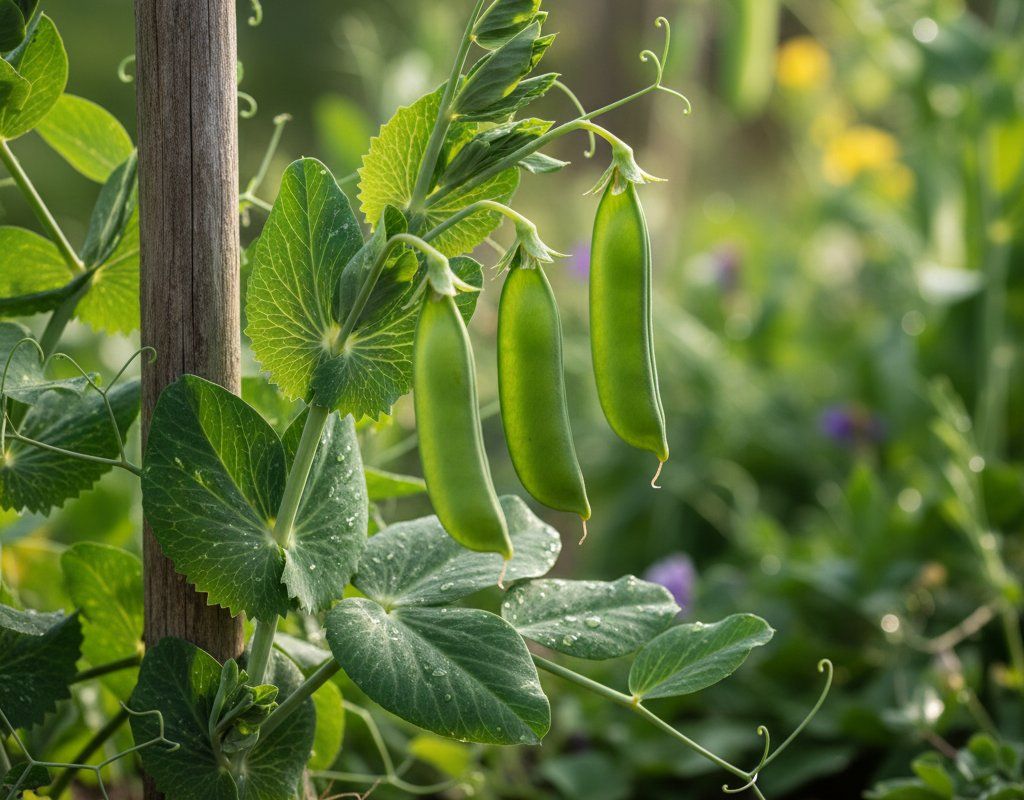
Brassicas like broccoli, cabbage, and kale also pair well with garlic, especially since you can plant these cool-season crops in fall while your garlic is maturing. The garlic helps deter cabbage worms and flea beetles. Even roses benefit from nearby garlic plantings - the sulfur compounds help repel aphids and may reduce fungal diseases. Avoid planting garlic near beans or peas, as it can inhibit their nitrogen-fixing ability and slow their growth, which is especially problematic during our short spring growing window for these crops.
🌸Best Flowers to Plant with Garlic
These flowers protect your Garlic from pests and attract pollinators for better harvests.
For Pest Control
Get a Reminder When It's Time to Plant
We'll email you when key planting windows open for your zone.