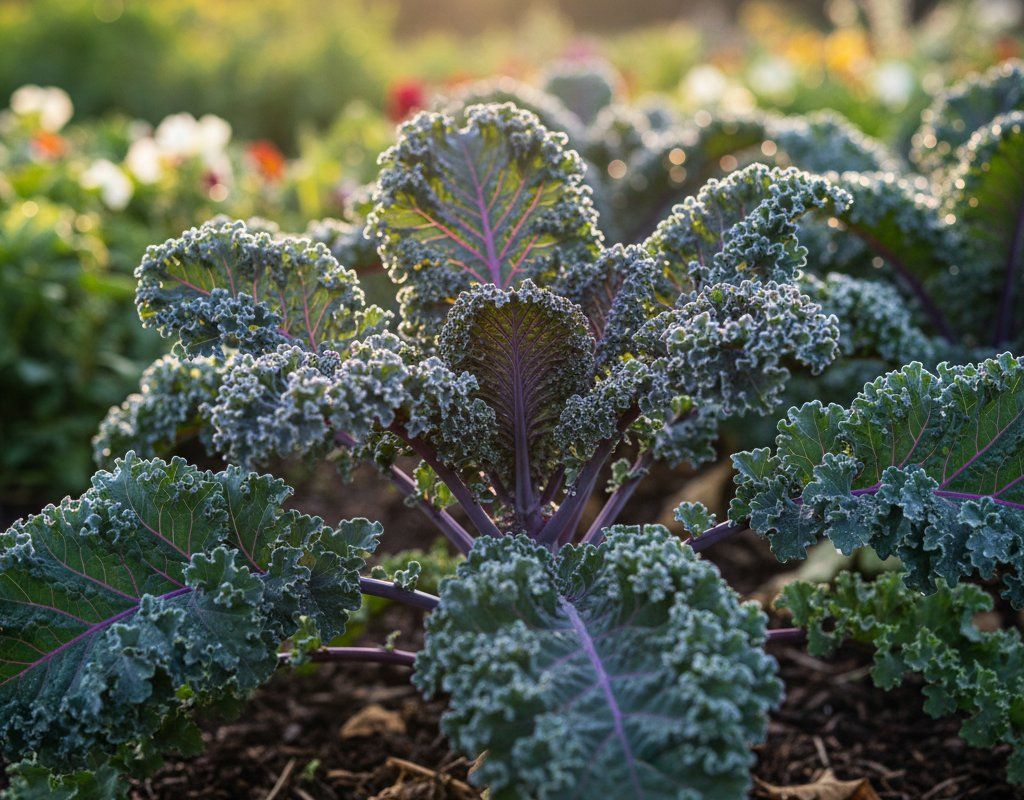
Kale in Zone 4B — Northeast
Brassica oleracea var. sabellica · Your Complete 2026 Planting Guide
Planning Ahead — Great!
You’re ahead of the season. Here’s when to start.
Mark Your Calendar
How to Plant Kale in Zone 4B — Northeast
Here are all your options for getting kale in the ground, from the easiest method to more advanced approaches.
Direct Sow Seeds
RecommendedMid April through mid July
around April 12
Consider succession planting every 2-3 weeks for continuous harvest.
Hardy and easy to direct sow in spring or late summer for fall harvest.
Start Seeds Indoors
RecommendedLate March through mid April
around March 29
Then transplant: Late April through late May
Start seeds 4-6 weeks before transplanting outdoors.
Buy Starts
Works WellLate April through late May
around April 26
Plant purchased starts after last frost (May 10).
Transplant Outdoors
Timing InfoLate April through late May
around April 26
Can tolerate light frost, but wait for soil to be workable.
You have a nice window — no need to rush.
Fall Planting
Early July through early August
July 24 ideal · Direct sow for fall harvest
Plant a second crop in mid-summer for fall harvest. Kale actually prefers the cooling temperatures of fall.
Overview
Kale thrives in our Northeast climate, making it one of the most reliable leafy greens you can grow in Zone 4B. Those cool nights that characterize our summers actually improve kale's flavor, creating sweeter, more tender leaves than you'd get in hotter climates. Plus, kale's incredible cold tolerance means you can harvest fresh greens well into fall, even after light frosts that would kill more tender crops.
Our short growing season and unpredictable spring weather might seem challenging for vegetable gardening, but kale is perfectly suited to work with our 138-day season. With proper timing, you'll have fresh kale from early summer through the first hard freeze, and the plant's hardy nature means those late spring cold snaps and early fall frosts won't derail your harvest plans.
Starting Seeds Indoors
Starting kale seeds indoors isn't essential, but it can give you a head start during our notoriously late Northeast springs. Begin seeds indoors from late March through mid-April, about 4 weeks before you plan to transplant outdoors. This timing lets you work around our unpredictable spring weather while ensuring strong transplants.
Set up your seeds in standard seed trays with good potting mix, keeping them in a warm spot (65-70°F) until germination. Once sprouted, they need bright light from a sunny window or grow lights. Bottom watering works well for kale seedlings – just set the trays in a shallow pan of water and let the soil absorb moisture from below.
The main advantage of indoor starting here is getting transplants ready to go out as soon as our soil workable in late April. This maximizes your growing season and gives you mature plants before summer's peak heat arrives.
Transplanting Outdoors
Transplant your indoor-started kale seedlings outdoors from late April through late May, once the soil can be worked and nighttime temperatures consistently stay above 25°F. Kale handles light frost well, so you don't need to wait for all danger of frost to pass like you would with tomatoes or peppers.
Before transplanting, harden off your seedlings gradually over a week. Start with just an hour or two outside in a protected spot, gradually increasing their outdoor time and exposure to direct sun and wind. This prevents transplant shock when they go into the garden permanently.
Space transplants 12-18 inches apart in your prepared bed. The wider spacing gives you larger individual plants, while closer spacing maximizes harvest from limited space – both approaches work well in our short growing season. Plant them at the same depth they were growing in their containers.
Direct Sowing
Direct sowing kale works beautifully in our Northeast climate and is often simpler than starting indoors. Sow seeds from mid-April through mid-July, giving you flexibility for both spring and summer plantings. The extended sowing window lets you succession plant for continuous harvests throughout our growing season.
Wait until your soil can be worked in spring – usually mid to late April in Zone 4B. Kale seeds germinate well in cool soil (around 45-50°F), so you don't need to wait for warm conditions. Plant seeds ½ inch deep and space them about 2 inches apart, then thin to 12-18 inches once seedlings are established.
Summer sowings (early to mid-July) work particularly well for fall harvests. The plants mature as temperatures cool, producing sweet, tender leaves that actually improve in flavor after our first light frosts. Direct sown plants often handle our rocky New England soil better than transplants since they develop strong taproots from the start.
Watering Kale in Zone 4B (Northeast)
Kale needs consistent moisture to produce tender, mild-flavored leaves – drought stress quickly makes them tough and bitter. In our Northeast climate with moderate summers and even rainfall, you'll typically need to supplement natural precipitation with about 1 inch of water per week during dry spells.
Check soil moisture by pushing your finger 2 inches deep near the plants. If it's dry at that depth, it's time to water. Our moderate-to-humid conditions mean the soil surface might look moist when deeper layers are actually dry, so always check below the surface rather than relying on appearances.
Water at the base of plants rather than overhead when possible. While our humidity isn't as oppressive as southern regions, wet foliage in humid conditions can still encourage fungal problems. Early morning watering gives plants time to dry before evening, reducing disease pressure.
A layer of organic mulch around plants helps retain moisture and reduces watering frequency. In our climate, 2-3 inches of shredded leaves or straw works well without creating overly wet conditions around the stems. During our typical summer rainfall patterns, mulched kale often needs supplemental watering only during extended dry periods.
🧪Fertilizing Kale
Feeding Schedule
Organic Fertilizer Options
Harvest Time
Expect your first kale harvest from early June through early October, depending on planting timing. Spring-planted kale matures fastest in our cool conditions, often ready for first harvest about 8 weeks from transplanting or 10 weeks from direct sowing.
Harvest outer leaves when they reach 8-10 inches long, cutting them cleanly at the base with scissors or a knife. Always leave the central growing point intact – this allows the plant to continue producing new leaves throughout our growing season. Young leaves are more tender, but even mature leaves remain usable for cooking.
The beauty of kale in our climate is its extended harvest period. Plants continue producing until hard frost, and light frosts actually sweeten the flavor. As our first frost approaches in late September, harvest becomes a race against time, but you'll often get several more weeks of picking after those first frosty mornings.
For maximum production, harvest regularly rather than letting leaves get overly large. This encourages continued growth and keeps plants productive through our entire 138-day season. In fall, you can harvest entire plants before hard freeze or cut them back severely for one final flush of tender new growth.
Common Problems in Zone 4B (Northeast)
Aphids appear as clusters of tiny, soft-bodied insects on stems and leaf undersides, often accompanied by sticky honeydew residue and curled new growth. Our moderate summer temperatures create ideal conditions for rapid aphid reproduction, and populations can explode quickly during warm spells in June and July.
Combat aphids with a strong spray from your hose to knock them off plants – this simple method works well in our climate since cool nights help prevent immediate recolonization. Encourage beneficial insects like ladybugs and lacewings by planting diverse flowers nearby. For severe infestations, insecticidal soap provides effective control without harsh chemicals.
Cabbage worms show up as smooth green caterpillars that chew irregular holes in leaves, leaving dark green droppings behind. You'll often see white butterflies hovering around plants in summer – these are the adults laying eggs that become the problematic caterpillars.
Bt (Bacillus thuringiensis) spray is extremely effective against cabbage worms and safe for beneficial insects. Apply it in early evening when caterpillars are most active. Floating row covers prevent the butterflies from laying eggs in the first place, though you'll need to remove them for air circulation during our humid summer weather.
Flea beetles create tiny round holes throughout leaves, giving them a shot-hole appearance. These small, dark beetles jump when disturbed and cause the most damage to young seedlings in spring. Our rocky soils can harbor overwintering beetles, making this a common early-season problem.
Protect young plants with row covers during their vulnerable first month – by the time plants are established, they can outgrow flea beetle damage. Delay planting until late April or early May when plants grow more vigorously. Kaolin clay coating makes leaves less appealing to these pests.
Northeast Specific Challenges: Our moderate summer heat and even rainfall create generally favorable conditions for kale, but the moderate-to-humid environment can increase pressure from fungal diseases when combined with poor air circulation. The short growing season means pest problems can significantly impact total harvest, making prevention especially important.
Best Companions for Kale
Plant these nearby for healthier Kale and better harvests.

Keep Away From
Companion Planting Details
Plant kale near beets and onions for natural pest management – the onions help repel aphids and flea beetles that commonly attack brassicas, while beets don't compete for the same soil nutrients. Celery makes an excellent neighbor because it appreciates the same consistent moisture and cool conditions that kale prefers, and both plants benefit from our moderate summer temperatures.
Potatoes pair well with kale because they're harvested at different times, maximizing space efficiency in our short growing season. Avoid planting kale near tomatoes, peppers, or strawberries – these warm-season crops have different watering and fertilization needs that can create stressed conditions for your kale plants, making them more susceptible to pest problems common in our humid Northeast summers.
🌸Best Flowers to Plant with Kale
These flowers protect your Kale from pests and attract pollinators for better harvests.




Get a Reminder When It's Time to Plant
We'll email you when key planting windows open for your zone.