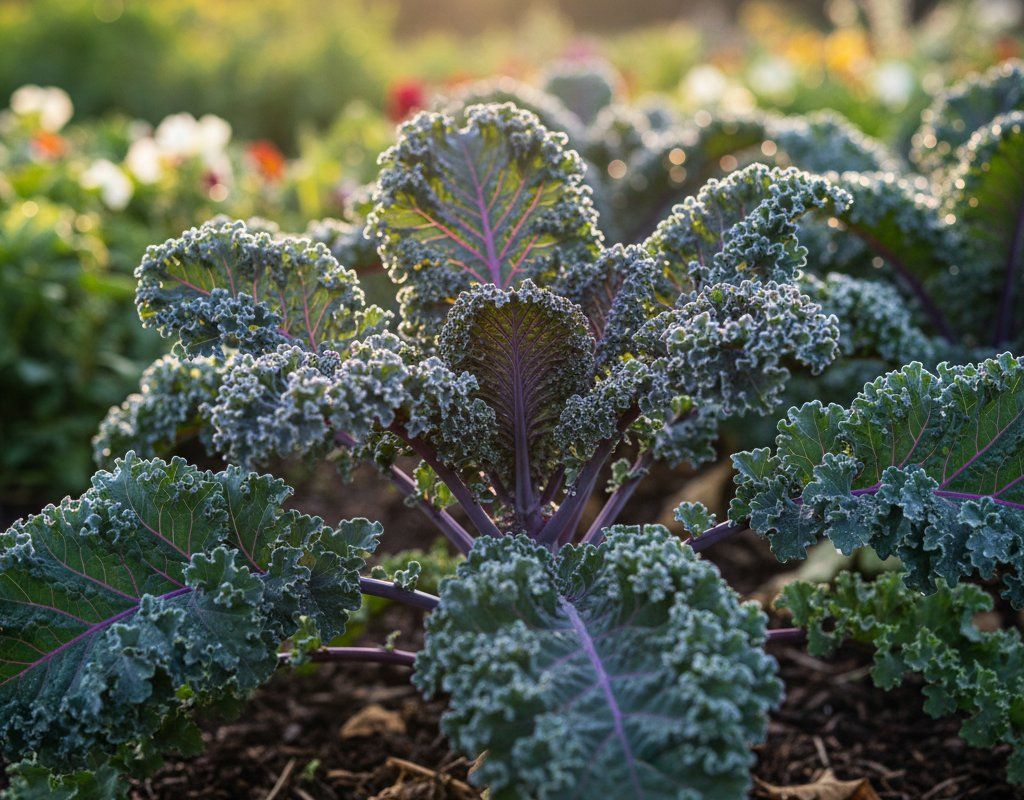
Kale in Zone 5B — Mid-Atlantic
Brassica oleracea var. sabellica · Your Complete 2026 Planting Guide
Ideal Time: Start Seeds Indoors!
This is the perfect time for the biggest, best harvest.
Start Seeds Now
- Start seeds in trays or pots with seed-starting mix
- Keep soil moist and warm (70-80°F)
- Transplant outdoors Early April through early May
Not Starting from Seed?
Buy starts around April 6 — that works great too!
How to Plant Kale in Zone 5B — Mid-Atlantic
Here are all your options for getting kale in the ground, from the easiest method to more advanced approaches.
Direct Sow Seeds
RecommendedLate March through early August
around March 23
Consider succession planting every 2-3 weeks for continuous harvest.
Hardy and easy to direct sow in spring or late summer for fall harvest.
Start Seeds Indoors
RecommendedEarly to late March
around March 9
Then transplant: Early April through early May
Start seeds 4-6 weeks before transplanting outdoors.
Buy Starts
Works WellEarly April through early May
around April 6
Plant purchased starts after last frost (April 20).
Transplant Outdoors
Timing InfoEarly April through early May
around April 6
Can tolerate light frost, but wait for soil to be workable.
You have a nice window — no need to rush.
Fall Planting
Late July through late August
August 13 ideal · Direct sow for fall harvest
Plant a second crop in mid-summer for fall harvest. Kale actually prefers the cooling temperatures of fall.
Overview
Kale thrives in our Mid-Atlantic climate, making it one of the most reliable leafy greens for Zone 5B gardeners. Our four distinct seasons give you flexibility to grow both spring and fall crops, while the reliable rainfall means less watering stress during establishment. The cool nights of late spring and early fall actually improve kale's flavor, turning what can be bitter summer leaves into sweet, tender greens perfect for everything from smoothies to hearty winter soups.
While our humid summers and variable spring weather can challenge some crops, kale's natural hardiness makes it surprisingly manageable with proper timing. Your 178-day growing season gives you plenty of window to work with - you can start early for spring harvests, plant again in late summer for fall crops, or even keep plants going through light frosts for winter greens.
Starting Seeds Indoors
Starting kale indoors makes sense in the Mid-Atlantic when you want an early spring harvest or need to work around our sometimes unpredictable April weather. Sow seeds in seed trays during early to late March, about 4 weeks before you plan to transplant outside. Kale seeds germinate best in temperatures around 60-65°F, so a warm spot near a south window or under grow lights works well.
Use bottom watering to keep seedlings healthy - fill a tray with water and let the seed cells soak it up from below. This prevents the damping-off issues that can plague young brassicas in our humid conditions. Your seedlings will be ready to transplant when they have 3-4 true leaves, usually by early to mid-April.
The indoor start method gives you more control during our moderate spring startup, but don't feel like it's necessary. Kale direct sows beautifully once soil conditions allow, and many Mid-Atlantic gardeners prefer the simplicity of direct seeding.
Transplanting Outdoors
Plan to transplant your kale seedlings outdoors from early April through early May, once the risk of hard frost has passed. In our Zone 5B climate, this timing usually aligns well with soil workability after winter clay settles. Harden off your seedlings gradually over a week - start with a few hours outside in a protected spot, then increase exposure daily.
Space plants 12-18 inches apart to allow good air circulation in our humid conditions. Kale needs room to develop its full rosette without crowding, and proper spacing helps prevent fungal issues that can develop during muggy summer weather. Plant slightly deeper than the seedlings were growing in their containers to encourage strong root development.
Watch for those late spring temperature swings that can stress young transplants. If overnight temperatures drop below 40°F after transplanting, consider covering plants with row cover or even overturned buckets for protection.
Direct Sowing
Direct sowing kale works beautifully in the Mid-Atlantic from late March through early August, giving you maximum flexibility for succession planting. Spring sowings (late March through April) take advantage of cool, moist conditions that kale loves, while late summer plantings (late July through late August) set you up for excellent fall harvests when frost sweetens the leaves.
Wait until soil temperature reaches at least 45°F for spring planting - your clay soil will tell you when it's ready by crumbling in your hand rather than forming sticky clumps. Sow seeds ½ inch deep and space them 12-18 inches apart, or plant closer and thin later. Kale's hardy nature means it can handle the temperature fluctuations common in our spring weather.
The advantage of direct sowing is simplicity - no transplant shock, no hardening off, and strong root systems from the start. Fall direct sowings are particularly successful here since they avoid the stress of summer heat and mature during our pleasant autumn weather.
Watering Kale in Zone 5B (Mid-Atlantic)
Kale needs consistent moisture throughout the growing season, and our Mid-Atlantic climate helps with this more than you might expect. With 40-50 inches of annual rainfall spread fairly evenly, you won't be fighting constant drought like gardeners in drier regions. However, our moderate-to-hot summers (typical highs around 88°F) combined with humid conditions mean you'll need to stay attentive to watering needs.
Aim for about 1-1.5 inches of water per week, including rainfall. Check soil moisture with the finger test - stick your finger 2 inches down near the base of plants. If it's dry at that depth, it's time to water. During our humid summers, water at the base of plants rather than overhead to prevent fungal issues that thrive in warm, moist conditions.
Signs of water stress include wilted outer leaves during the heat of the day (normal) that don't recover by evening (problem), or leaves that become thick and bitter. Overwatering in clay soil shows up as yellowing lower leaves and stunted growth. A 2-3 inch layer of organic mulch helps retain soil moisture and keeps roots cool during summer heat.
The beauty of growing kale here is that spring and fall often provide adequate natural moisture, so your heaviest watering will be during July and August when plants appreciate deep, less frequent watering over daily light sprinkles.
🧪Fertilizing Kale
Feeding Schedule
Organic Fertilizer Options
Harvest Time
You can expect your first kale harvest from mid-May through late October, depending on when you planted. Spring-sown kale typically reaches harvestable size by mid-May, while fall plantings can provide fresh greens well into late October and beyond if you protect them from hard frost. Start harvesting when outer leaves reach 8-10 inches long and feel substantial but not tough.
Always harvest from the outside in, cutting or pinching off the larger outer leaves while leaving the growing center intact. This "cut and come again" method keeps plants producing new leaves for weeks or even months. Take no more than one-third of the plant at any harvest to keep it vigorous and productive.
The real magic happens after our first light frost in mid-October - kale leaves become noticeably sweeter as the plant converts starches to sugars in response to cold. This is when your fall plantings really shine, often producing the best-tasting leaves of the year. You can continue harvesting until hard freezes (below 25°F) finally stop production.
For continuous harvests, make succession plantings every 2-3 weeks from late March through late August. This gives you tender young leaves throughout the growing season rather than trying to keep older plants going through summer stress.
Common Problems in Zone 5B (Mid-Atlantic)
Aphids appear as clusters of tiny, soft-bodied insects (usually green, black, or white) on stems and the undersides of kale leaves. You'll notice sticky honeydew residue on leaves and possibly curled or distorted new growth. Our warm, humid summers create perfect conditions for aphid population explosions, especially when plants are stressed. A strong spray from your garden hose knocks most aphids off plants effectively. Encourage natural predators like ladybugs and lacewings by planting nearby flowers, and avoid over-fertilizing with nitrogen, which creates the tender new growth aphids prefer.
Cabbage worms show up as smooth, green caterpillars about an inch long, leaving irregular holes chewed through kale leaves along with dark green droppings. You'll often see white butterflies fluttering around your brassica plants - they're laying eggs that become these hungry caterpillars. Our long growing season means multiple generations per year. Bt (Bacillus thuringiensis) spray works excellently against cabbage worms, or use floating row covers to prevent the butterflies from laying eggs. Hand-picking caterpillars works well on smaller plantings.
Flea beetles create a distinctive "shot-hole" pattern of tiny round holes throughout kale leaves. These small, dark beetles jump like fleas when disturbed and cause their worst damage to young seedlings. They're particularly troublesome during warm spells in late spring. Protect vulnerable young plants with row covers until they're large enough to tolerate damage, or delay planting until plants can establish more size. Kaolin clay spray creates a barrier that deters feeding.
Mid-Atlantic Specific Challenges: Our combination of moderate-to-hot summers and high humidity creates perfect conditions for fungal diseases on stressed kale plants. Ensure good spacing for air circulation, water at soil level rather than overhead, and keep plants well-mulched to prevent soil splash on leaves. Clay soil drainage issues can compound problems during our rainiest periods in late spring and early summer.
Best Companions for Kale
Plant these nearby for healthier Kale and better harvests.

Keep Away From
Companion Planting Details
Plant kale near beets, celery, and onions for natural pest protection and efficient space use. Onions and their relatives help deter aphids and cabbage worms with their strong scents, while beets make good neighbors since they don't compete for the same soil nutrients. Celery appreciates similar cool-season growing conditions and the partial shade that mature kale can provide during hot Mid-Atlantic summers.
Avoid planting kale near tomatoes, peppers, or strawberries. These crops attract different pests that can spread to your kale, and they have conflicting water and fertilizer needs. Tomatoes and peppers also cast shade that reduces kale's productivity, while strawberries can harbor slugs that will happily move over to tender kale leaves during our humid summer nights.
🌸Best Flowers to Plant with Kale
These flowers protect your Kale from pests and attract pollinators for better harvests.



Get a Reminder When It's Time to Plant
We'll email you when key planting windows open for your zone.