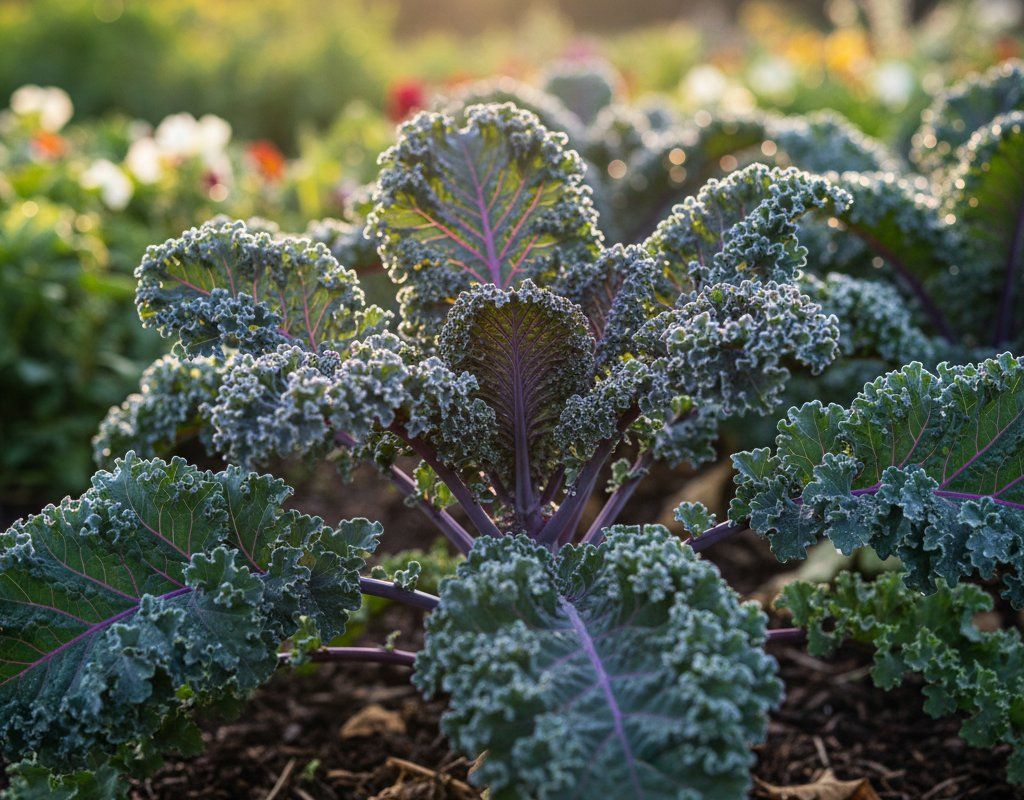
Kale in Zone 6B — Great Plains
Brassica oleracea var. sabellica · Your Complete 2026 Planting Guide
Last Call for Seed Starting!
Indoor seed starting window closes in 9 days.
Start Seeds This Week
Start seeds now for transplanting later.
Or Wait for Starts
If you don’t want to start seeds, starts will be available around March 27.
How to Plant Kale in Zone 6B — Great Plains
Here are all your options for getting kale in the ground, from the easiest method to more advanced approaches.
Direct Sow Seeds
RecommendedMid March through mid August
around March 13
Consider succession planting every 2-3 weeks for continuous harvest.
Hardy and easy to direct sow in spring or late summer for fall harvest.
Start Seeds Indoors
RecommendedMid February through mid March
around February 27
Then transplant: Late March through late April
Start seeds 4-6 weeks before transplanting outdoors.
Buy Starts
Works WellLate March through late April
around March 27
Plant purchased starts after last frost (April 10).
Transplant Outdoors
Timing InfoLate March through late April
around March 27
Can tolerate light frost, but wait for soil to be workable.
You have a nice window — no need to rush.
Fall Planting
Early August through early September
August 23 ideal · Direct sow for fall harvest
Plant a second crop in mid-summer for fall harvest. Kale actually prefers the cooling temperatures of fall.
Overview
Kale thrives in our Great Plains climate, making it one of the most reliable leafy greens for Zone 6B gardeners. The intense prairie sunshine develops excellent flavor while our low disease pressure means fewer problems than gardeners face in more humid regions. This hardy brassica handles our extreme temperature swings better than most vegetables, and the cool nights that follow our hot days actually improve the leaves' sweetness and texture.
Our 198-day growing season gives you plenty of flexibility with kale plantings, from early spring starts through late summer sowings for fall harvest. While our variable spring weather and occasional late freezes might seem challenging, kale's frost tolerance makes it forgiving for Plains gardeners. The key is working with our climate patterns rather than fighting them.
Starting Seeds Indoors
Starting kale seeds indoors makes sense when you want an early harvest or need protection during our unpredictable spring weather. Start seeds from mid-February through mid-March, about 4 weeks before transplanting outdoors. Our variable spring character means indoor starting gives you more control over timing.
Use standard seed trays with quality potting mix, keeping seeds at 65-70°F for germination. Provide bright light once seedlings emerge - our intense Plains sunshine means they'll need strong indoor lighting to avoid getting leggy. Bottom watering works well for kale seedlings, preventing fungal issues that can develop with overhead watering.
Kale seedlings are sturdy and transplant well, making indoor starting less critical than with more finicky crops. Most Plains gardeners find direct sowing equally successful, especially for succession plantings through summer.
Transplanting Outdoors
Transplant kale seedlings from late March through late April, after hardening them off for a week. Our spring temperature swings make gradual outdoor exposure crucial - start with 2-3 hours of morning sun and gradually increase exposure time and intensity. Even frost-hardy kale benefits from this adjustment period.
Space transplants 12-18 inches apart to allow good air circulation in our often windy conditions. Plant when soil can be worked consistently, usually after our last hard freeze risk passes. Choose the wider spacing if you're growing larger varieties or want to harvest whole heads rather than individual leaves.
Wind protection helps young transplants establish faster. Consider temporary windbreaks or plant near established perennials that can buffer harsh prairie winds during the vulnerable establishment period.
Direct Sowing
Direct sowing works exceptionally well for kale in the Great Plains, especially from mid-March through mid-August for succession plantings. Our prairie soil warms quickly in spring, and kale seeds germinate reliably once soil temperatures reach 45°F consistently. This method eliminates transplant shock and often produces sturdier plants adapted to local conditions.
For spring planting, sow seeds ½ inch deep when soil can be worked consistently. Summer sowings for fall harvest should go in during early August through early September, taking advantage of our long growing season. Space seeds 12-18 inches apart, or plant closer and thin to proper spacing as seedlings develop.
Late summer direct sowing often produces the sweetest kale, as plants mature during our cooling fall weather. The key advantage in our climate is avoiding the stress of transplanting during temperature swings while letting plants develop strong root systems naturally.
Watering Kale in Zone 6B (Great Plains)
Kale needs consistent moisture in our Plains climate, especially during our hot summers when temperatures regularly hit 93°F. Unlike truly drought-tolerant crops, kale becomes bitter and tough when water-stressed, making regular irrigation essential. Plan for about 1-1.5 inches of water weekly, adjusting based on our variable rainfall patterns.
Water deeply at the base of plants rather than overhead, taking advantage of our low-to-moderate humidity that reduces disease pressure. The finger test works well - check soil moisture 2 inches deep and water when it feels dry. Our intense sunshine and often windy conditions mean soil dries faster than in more humid regions.
Summer watering becomes critical during heat waves when temperatures soar above average. Mulch helps retain moisture and moderate soil temperature swings, but use organic mulches sparingly to avoid creating hiding spots for pests. Morning watering allows plants to take up moisture before facing afternoon heat and wind.
Signs of water stress include wilted leaves that don't recover overnight, bitter taste, and premature bolting. Overwatering shows as yellowing lower leaves and slug problems, though our dry climate makes overwatering less common than underwatering.
🧪Fertilizing Kale
Feeding Schedule
Organic Fertilizer Options
Harvest Time
Begin harvesting kale leaves about 55 days after planting, typically from early May through early November in our long Plains growing season. Start when outer leaves reach 8-10 inches long, cutting them cleanly at the base while leaving the growing center intact. This cut-and-come-again method provides continuous harvests for months.
Harvest in the morning when leaves are crisp from cool night temperatures. Our temperature swings actually benefit kale flavor - the contrast between hot days and cool nights concentrates sugars and reduces bitterness. Young leaves work well in salads, while mature leaves excel in cooking applications.
The best-tasting kale comes after light frosts, which convert starches to sugars and mellow any bitter notes. Continue harvesting through fall until hard freezes arrive, usually around late October. Plants often survive several light frosts, extending your harvest window significantly.
As first frost approaches, harvest larger amounts for preserving. Kale stores well in the refrigerator for a week and freezes excellently after blanching, letting you enjoy the harvest long after the growing season ends.
Common Problems in Zone 6B (Great Plains)
Aphids appear as clusters of tiny green, black, or white insects on stems and leaf undersides, leaving sticky honeydew residue and causing curled new growth. Our hot summers create ideal conditions for rapid aphid reproduction, and populations can explode quickly during warm spells. Strong water sprays knock them off effectively, while encouraging natural predators like ladybugs works well in our low-humidity environment. Insecticidal soap or neem oil handles heavy infestations, and avoiding excess nitrogen fertilizer prevents attracting them initially.
Cabbage worms show up as smooth green caterpillars creating irregular holes in leaves, with dark green droppings visible on damaged foliage. Multiple generations develop during our long, warm growing season, with white butterflies laying eggs throughout summer. Bt spray provides excellent control and works safely with beneficial insects. Floating row covers prevent egg-laying, though you'll need to remove them for harvest access. Handpicking works for small infestations, and interplanting with aromatic herbs like thyme or sage helps deter the adult butterflies.
Flea beetles create characteristic shot-hole patterns of tiny round holes, especially damaging to young seedlings. These small, dark jumping beetles thrive in our warm, dry conditions and attack plants stressed by heat or drought. Row covers protect vulnerable seedlings during establishment, while delaying planting until plants are larger helps them outgrow damage. Kaolin clay coating works as a physical barrier, and maintaining consistent soil moisture reduces plant stress that attracts these pests.
Great Plains Specific Challenges: Our combination of intense heat, variable moisture, and strong winds creates unique stresses for kale. Heat stress makes plants more susceptible to all pest problems, while our low humidity means beneficial insects like parasitic wasps thrive and help with natural pest control. Wind damage can create entry points for diseases, though our dry climate generally prevents the fungal problems common in more humid regions.
Best Companions for Kale
Plant these nearby for healthier Kale and better harvests.

Keep Away From
Companion Planting Details
Plant kale alongside beets and onions for excellent companion relationships in Plains gardens. Beets complement kale's root depth without competing, while their similar cool-weather preferences work well for succession plantings. Onions repel many brassica pests, including aphids and cabbage worms, while their upright growth doesn't shade kale in our intense sunshine. Celery and potatoes also pair well, with celery appreciating kale's wind protection and potatoes helping break up heavy prairie soil.
Avoid planting kale near tomatoes, peppers, or strawberries, which compete for nutrients and water during our challenging summer conditions. These warm-season crops also attract different pests that may spread to kale, and their sprawling growth habits can create unwanted shade in our high-light environment. The spacing needed for good air circulation in our windy climate works better when companions have similar growth habits and watering needs.
🌸Best Flowers to Plant with Kale
These flowers protect your Kale from pests and attract pollinators for better harvests.




Get a Reminder When It's Time to Plant
We'll email you when key planting windows open for your zone.