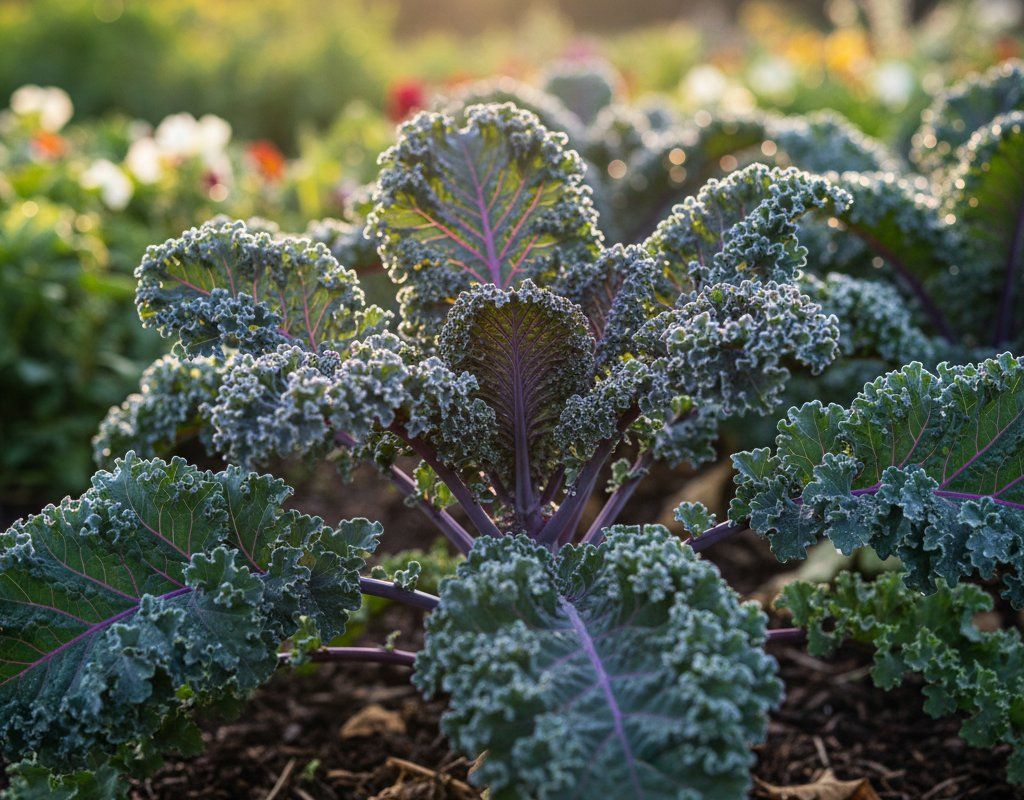
Kale in Zone 8A — Florida
Brassica oleracea var. sabellica · Your Complete 2026 Planting Guide
Time to Buy Starts!
Seed starting window passed, but starts are available now.
Buy Starts Now
Head to your local nursery, Home Depot, or farmers market for transplants.
- Look for stocky plants with dark green leaves
- Avoid leggy seedlings or plants already flowering
- Check that roots aren't circling the pot (rootbound)
How to Plant Kale in Zone 8A — Florida
Here are all your options for getting kale in the ground, from the easiest method to more advanced approaches.
Direct Sow Seeds
RecommendedLate January through late September
around January 28
Consider succession planting every 2-3 weeks for continuous harvest.
Hardy and easy to direct sow in spring or late summer for fall harvest.
Start Seeds Indoors
RecommendedEarly to late January
around January 14
Then transplant: Mid February through mid March
Start seeds 4-6 weeks before transplanting outdoors.
Buy Starts
Works WellMid February through mid March
around February 11
Plant purchased starts after last frost (February 25).
Transplant Outdoors
Timing InfoMid February through mid March
around February 11
Can tolerate light frost, but wait for soil to be workable.
You have a nice window — no need to rush.
Fall Planting
Mid September through mid October
October 3 ideal · Direct sow for fall harvest
Plant a second crop in mid-summer for fall harvest. Kale actually prefers the cooling temperatures of fall.
Overview
Kale thrives in Florida's unique growing season, giving you fresh, nutrient-packed greens when most of the country is buried under snow. In our subtropical climate, kale becomes a winter superstar, producing tender leaves from fall through spring while staying sweet and mild in our cooler months. You'll harvest continuously for months, making it one of the most productive vegetables for your Florida garden space.
While Florida's summer heat and humidity can challenge many crops, kale works beautifully with our reversed seasons. Plant in fall, harvest through winter—it's that simple. Our 283-day growing season means you can enjoy fresh kale for up to 8 months of the year, far longer than gardeners in colder zones. The key is timing your plantings to avoid the brutal summer months.
Starting Seeds Indoors
Starting kale seeds indoors gives you better control during Florida's unpredictable late winter weather, though it's not absolutely necessary since kale direct sows easily. Start seeds in early to late January, about 4 weeks before you plan to transplant outdoors in mid-February through mid-March.
Set up your seed trays in a warm spot—around 65-70°F works well. Kale seeds germinate quickly in warm conditions, usually within 5-7 days. Bottom watering keeps the soil evenly moist without creating the surface dampness that can lead to fungal issues in our humid climate.
Indoor starting makes the most sense if you want to get a jump on the season or if you're dealing with our notorious winter temperature swings. Your seedlings will be ready to handle those occasional cold snaps much better than newly sprouted direct-sown seeds.
Transplanting Outdoors
Transplant your kale seedlings outdoors from mid-February through mid-March, after they've developed 3-4 true leaves. Before moving them outside permanently, harden them off over a week by gradually increasing their outdoor exposure—start with a few hours of morning sun and work up to full days.
Space your transplants 12-18 inches apart to allow for good air circulation, which is crucial in Florida's humid conditions. The wider spacing helps prevent fungal diseases that thrive in our moist air. Plant them at the same depth they were growing in their containers.
February and March can bring surprise cold snaps, so keep some lightweight row cover handy just in case. Your kale can handle light frost just fine, but a hard freeze (which is rare but possible) could damage tender transplants.
Direct Sowing
Direct sowing works beautifully for kale in Florida, especially for fall plantings when you can sow from late January through late September. The seeds are large enough to handle easily and germinate reliably in our warm soil. For spring planting, sow in late January through February when soil temperatures are consistently above 50°F.
Prepare your planting area by working compost into the sandy soil—kale appreciates the extra organic matter and improved water retention. Plant seeds ¼ to ½ inch deep and space them about 2 inches apart, then thin to 12-18 inches once they're established.
The biggest advantage of direct sowing is that you avoid transplant shock entirely. Fall-sown kale often outperforms transplants because it develops stronger root systems right from the start. Just keep the seed bed consistently moist until germination, which usually takes 5-10 days in our warm conditions.
Watering Kale in Zone 8A (Florida)
Kale needs consistent moisture to produce tender, sweet leaves—drought stress quickly makes them tough and bitter. In Florida, your watering strategy needs to work with our extreme humidity and wet summer patterns rather than against them. During our dry winter months (November through April), plan to water deeply once or twice a week, providing about 1 to 1.5 inches total.
Check soil moisture with the finger test: stick your finger 2 inches down into the soil near the plant base. If it's dry at that depth, it's time to water. In our sandy soils, this happens more frequently than you might expect, even with our high humidity. Water at the base of plants rather than overhead—our already humid air doesn't need more moisture around the leaves, which can encourage fungal problems.
Summer growing becomes tricky because of our intense heat and frequent afternoon thunderstorms. If you're growing kale through the summer months, focus on early morning watering and ensure excellent drainage. Too much water sitting around roots in hot, humid conditions spells trouble fast.
A 2-3 inch layer of organic mulch around your plants helps tremendously in our climate. It keeps soil moisture more consistent, reduces evaporation during hot spells, and prevents the soil temperature swings that stress kale roots. Just keep the mulch pulled back a few inches from the stem to allow air circulation.
🧪Fertilizing Kale
Feeding Schedule
Organic Fertilizer Options
Harvest Time
Your first kale harvest will be ready from late March through mid-December, depending on when you planted. Kale planted in late January will be ready for first harvest by mid to late March, giving you fresh greens just as spring arrives. Look for outer leaves that are 8-10 inches long and deep green—they should feel firm but not thick or leathery.
Always harvest from the outside in, cutting individual leaves at their base where they meet the main stem. Leave the growing center completely intact so the plant continues producing new leaves from the middle. You can harvest a few outer leaves every week or two, and a healthy plant will keep producing for months this way.
The flavor actually improves after our occasional light frosts in December and January—the cold converts starches to sugars, making the leaves noticeably sweeter. This is one of the real advantages of Florida kale growing: your best-tasting harvests come during our most pleasant weather.
As we approach our first frost in early December, you can harvest more heavily since the plant's production will slow down. Even after light frost damage, the inner leaves often remain perfect for harvest, extending your season well into winter.
Common Problems in Zone 8A (Florida)
Aphids show up as clusters of tiny, soft-bodied insects in green, black, or white on leaf undersides and stems. You'll notice sticky honeydew residue and curled or distorted new growth. These sap-sucking pests multiply rapidly in Florida's warm weather, and ant colonies often farm them for their sweet secretions. Blast them off with a strong water spray from your hose, encourage beneficial insects like ladybugs and lacewings, and use insecticidal soap for heavy infestations. Avoid over-fertilizing with nitrogen, which creates the tender growth aphids love.
Cabbage worms appear as smooth green caterpillars that chew irregular holes in your kale leaves, leaving behind dark green droppings. You'll often see white butterflies fluttering around your plants—they're laying eggs that become these destructive caterpillars. Florida's warm climate allows multiple generations per season. Bt (Bacillus thuringiensis) spray works excellently and is organic. Floating row covers prevent the butterflies from laying eggs in the first place, and handpicking caterpillars works for small infestations.
Flea beetles create a distinctive "shot-hole" pattern of tiny round holes throughout the leaves. These small, dark beetles jump like fleas when you disturb them and cause the most damage to young seedlings. They're particularly problematic in Florida because our warm weather extends their active season. Protect young plants with row covers during their most vulnerable stage, or delay planting until seedlings are larger and more resilient. Kaolin clay coating and interplanting with aromatic herbs like basil help deter them.
Florida Specific Challenges: Our intense humidity and frequent summer rains create perfect conditions for fungal diseases, while the heat stress of summer makes kale more susceptible to all pest problems. Sandy soils drain quickly but don't hold nutrients well, potentially weakening plants. Focus on improving soil organic matter and timing plantings for our cooler months when both plants and beneficial insects are more active.
Best Companions for Kale
Plant these nearby for healthier Kale and better harvests.

Keep Away From
Companion Planting Details
Plant kale alongside beets, celery, onions, and potatoes for the best results in Florida gardens. Beets and kale both thrive in our cool season and have similar water needs, while their roots occupy different soil levels. Celery's upright growth provides some shade during late spring when temperatures start climbing. Onions and their relatives help repel many of the pests that target kale, particularly cabbage worms and aphids, while their shallow roots don't compete with kale's deeper taproot.
Avoid planting kale near tomatoes, peppers, or strawberries. These plants have different seasonal preferences in Florida—tomatoes and peppers are spring-only crops that prefer our warmer weather, while kale does best in cooler months. Strawberries can harbor pests that also attack kale, and their sprawling growth habit competes for space. More importantly, these plants have different nutritional needs that make companion planting less effective in our sandy soils where nutrients leach away quickly.
🌸Best Flowers to Plant with Kale
These flowers protect your Kale from pests and attract pollinators for better harvests.




Get a Reminder When It's Time to Plant
We'll email you when key planting windows open for your zone.