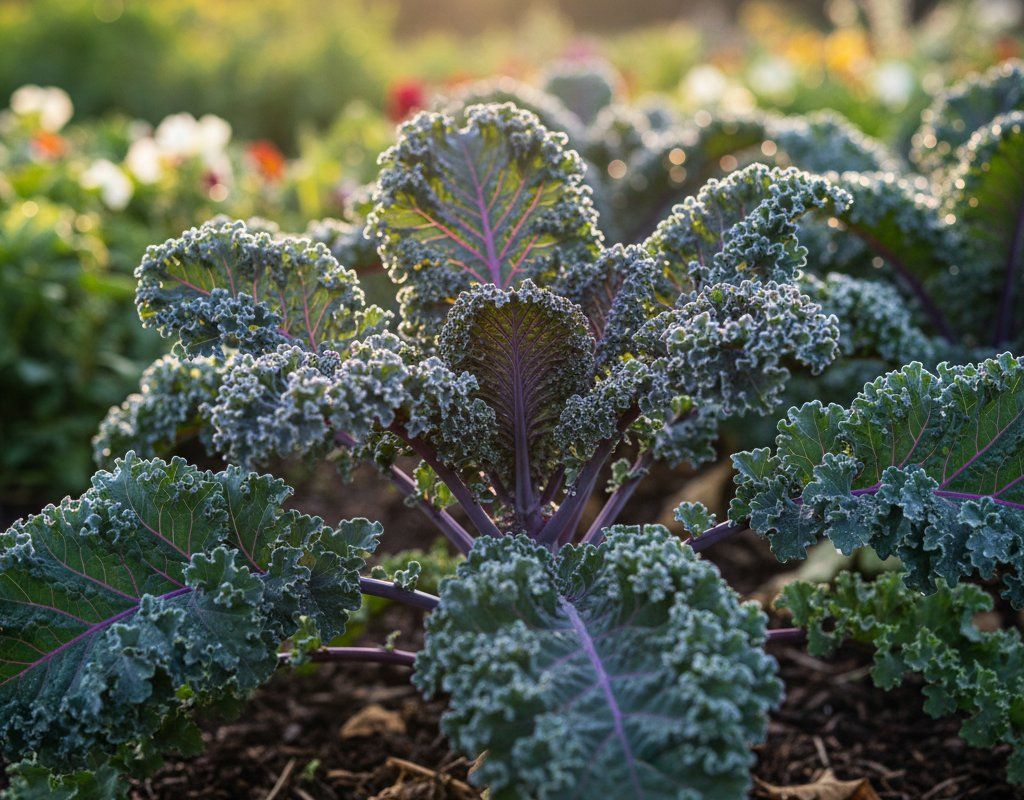
Kale in Zone 8A — Texas
Brassica oleracea var. sabellica · Your Complete 2026 Planting Guide
Time to Buy Starts!
Seed starting window passed, but starts are available now.
Buy Starts Now
Head to your local nursery, Home Depot, or farmers market for transplants.
- Look for stocky plants with dark green leaves
- Avoid leggy seedlings or plants already flowering
- Check that roots aren't circling the pot (rootbound)
How to Plant Kale in Zone 8A — Texas
Here are all your options for getting kale in the ground, from the easiest method to more advanced approaches.
Direct Sow Seeds
RecommendedEarly February through mid September
around February 5
Consider succession planting every 2-3 weeks for continuous harvest.
Hardy and easy to direct sow in spring or late summer for fall harvest.
Start Seeds Indoors
RecommendedMid January through early February
around January 22
Then transplant: Mid February through mid March
Start seeds 4-6 weeks before transplanting outdoors.
Buy Starts
Works WellMid February through mid March
around February 19
Plant purchased starts after last frost (March 5).
Transplant Outdoors
Timing InfoMid February through mid March
around February 19
Can tolerate light frost, but wait for soil to be workable.
You have a nice window — no need to rush.
Fall Planting
Early September through early October
September 18 ideal · Direct sow for fall harvest
Plant a second crop in mid-summer for fall harvest. Kale actually prefers the cooling temperatures of fall.
Overview
Kale deserves a spot in your Texas garden because it's one of the few greens that actually improves in flavor during our unpredictable winters. While summer lettuce bolts in the brutal Texas heat, kale keeps producing nutrient-dense leaves through both cool and warm weather. You'll get tender baby leaves for salads in spring and hearty, sweet leaves for soups and stews after the first light frost touches them.
Yes, Texas weather can be challenging with its extreme heat, drought, flash floods, and those sneaky late freezes. But kale's natural hardiness makes it more forgiving than most crops, and with our 260-day growing season, you have flexibility to plant for both spring and fall harvests when conditions are more manageable.
Starting Seeds Indoors
Starting kale seeds indoors makes sense if you want to get ahead of our early spring growing season or if you're planning a precise fall planting schedule. Start your seeds from mid-January through early February, about 4 weeks before you plan to transplant them outside. This timing works well with our early spring character - you'll have sturdy transplants ready when the soil starts warming up.
Set up seed trays with quality seed starting mix and keep them at 60-70°F for good germination. A sunny south window works, but grow lights give more consistent results during our shorter winter days. Bottom watering keeps the soil evenly moist without disturbing tiny seedlings - just set your trays in a shallow pan of water and let the soil wick up what it needs.
Your seedlings will be ready to transplant when they have 3-4 true leaves, usually around mid-February through mid-March. Indoor starting isn't essential for kale since it direct sows easily, but it gives you more control over timing and protects young plants from our variable spring weather.
Transplanting Outdoors
Transplant your kale seedlings outdoors from mid-February through mid-March, when nighttime temperatures stay consistently above the mid-20s. Kale handles cold well, but young transplants need a week to settle in before any hard freezes. Space them 12-18 inches apart to allow good air circulation - this helps prevent disease issues in our variable humidity.
Harden off your seedlings gradually over a full week before transplanting. Start with an hour of morning sun, then increase outdoor time daily until they're spending full days outside. This process is especially important in Texas because even spring weather can shift quickly from mild to surprisingly warm.
Plant on a calm, overcast day if possible, and water them in well. Our spring weather can swing from cool mornings to warm afternoons, so transplants appreciate consistent soil moisture during their first two weeks while establishing roots. A light frost after transplanting won't hurt established kale plants, but cover them if temperatures are forecast to drop into the low 20s.
Direct Sowing
Direct sowing kale works beautifully in Texas from early February through mid-September, giving you flexibility for both spring and fall crops. For spring planting, sow seeds as soon as your soil can be worked in February - kale germinates well in cool soil and seedlings can handle our unpredictable late winter weather. For fall gardens, start sowing in early September when the brutal summer heat begins to ease.
Prepare your soil by working in compost and ensuring good drainage - kale doesn't like sitting in water, especially important given our tendency toward flash floods. Plant seeds ¼ inch deep and space them about 6 inches apart in rows, then thin to 12-18 inches once seedlings are established. The soil temperature can range from 45-75°F for good germination.
Direct sowing eliminates transplant shock and often produces sturdier plants with better root systems. Spring-sown kale will be ready to harvest by early April, while fall-sown crops mature just as cooler weather sweetens the leaves. This method works especially well for fall planting since you avoid the stress of transplanting during still-warm September days.
Watering Kale in Zone 8A (Texas)
Kale needs consistent moisture to produce tender, mild-flavored leaves - drought stress quickly makes them tough and bitter. In Texas, this means adapting your watering to our unpredictable rainfall patterns and extreme temperature swings. During spring and fall, when temperatures are moderate, water when the top 2 inches of soil feel dry to your finger.
Summer growing requires more attention since our typical 97°F days and variable humidity can stress plants quickly. Kale isn't drought tolerant, so you'll need to water deeply 2-3 times per week, providing about 1-1.5 inches total. Water at soil level rather than overhead - our variable humidity means wet leaves can encourage disease, while dry conditions make every drop count at the roots.
Watch for signs of water stress: leaves that feel thick and leathery indicate too little water, while yellowing lower leaves often mean too much. During our unpredictable rainfall seasons, you might get 2 inches one week and none for three weeks - adjust accordingly rather than sticking to a rigid schedule.
A 2-3 inch layer of organic mulch helps tremendously in Texas conditions. It moderates soil temperature during extreme heat, conserves moisture during dry spells, and prevents soil from washing away during flash floods. Just keep mulch a few inches away from plant stems to discourage fire ants from setting up housekeeping.
🧪Fertilizing Kale
Feeding Schedule
Organic Fertilizer Options
Harvest Time
Your first kale harvest will be ready from early April through late November, depending on when you planted. Spring-planted kale typically reaches harvest size in about 55 days, so February sowings are ready by early April. Fall plantings mature faster as days cool down, often ready in 45-50 days.
Harvest outer leaves when they're 8-10 inches long, cutting them cleanly with scissors or a sharp knife. Always leave the growing center intact - this allows the plant to keep producing new leaves from the middle. Young leaves work great in salads, while larger, more mature leaves are perfect for cooking. Don't worry if leaves look a bit tough during hot weather - they'll sweeten up significantly after our first light frost.
For continuous harvest, pick leaves regularly rather than letting them get oversized. Large, old leaves become bitter and fibrous, especially during warm spells. In Texas, you can often harvest from the same plants for 3-4 months if you keep them well-watered and harvest consistently.
As first frost approaches in mid-November, kale actually improves in flavor. The cold converts starches to sugars, making leaves noticeably sweeter. You can often continue harvesting well into December, and in milder years, plants may produce through most of winter until extreme cold or your spring planting takes priority.
Common Problems in Zone 8A (Texas)
Aphids show up as clusters of tiny, soft-bodied insects in green, black, or white colors on stems and leaf undersides. You'll notice sticky honeydew residue on leaves and curled or distorted new growth. Texas's warm weather allows aphid populations to explode quickly, and our fire ants often farm them for their sweet secretions.
These sap-sucking insects multiply rapidly in warm conditions and are attracted to plants with excess nitrogen. Knock them off with a strong spray from your hose - this simple method works surprisingly well. Encourage beneficial insects like ladybugs and lacewings by planting flowers nearby. For heavy infestations, insecticidal soap or neem oil provide effective control without harsh chemicals.
Cabbage worms appear as smooth green caterpillars that chew irregular holes in kale leaves. You'll see dark green droppings on leaves and notice white butterflies hovering around plants - these are the adults laying eggs. Texas's long warm season allows multiple generations, so vigilance throughout the growing period is essential.
These larvae of white cabbage butterflies can strip plants quickly if left unchecked. Bt (Bacillus thuringiensis) spray works excellently and targets only caterpillars. Floating row covers prevent adults from laying eggs in the first place. Hand-picking works for small infestations, and interplanting with aromatic herbs like thyme or sage helps deter the adult butterflies.
Flea beetles create tiny round holes in leaves that look like shot-hole patterns. These small, dark beetles jump when disturbed and cause the most damage to young seedlings. They're particularly problematic during warm, dry periods common in Texas springs and falls.
Young plants are most vulnerable, so row covers during the seedling stage provide excellent protection. You can also delay planting until plants are larger and better able to withstand damage. Kaolin clay coating makes leaves less appealing to beetles, while neem oil provides systemic protection. Interplanting with basil or catnip helps repel them naturally.
Texas Specific Challenges: Our extreme heat stressed kale becomes more susceptible to all pests, while unpredictable rainfall creates conditions that swing from drought stress to waterlogged soil. The variable humidity can encourage fungal issues when combined with overhead watering, and fire ants complicate organic pest control by farming aphids and disrupting beneficial insect populations.
Best Companions for Kale
Plant these nearby for healthier Kale and better harvests.

Keep Away From
Companion Planting Details
Plant kale alongside beets - their deep taproots bring nutrients up from lower soil levels while kale's shallow roots don't compete. Celery works well because it has similar water needs and helps repel cabbage worms with its strong scent. Onions planted between kale plants deter aphids and flea beetles while maximizing space in your garden beds. Potatoes make excellent neighbors since they're harvested before kale needs full space, and their early harvest loosens soil for kale's continued growth.
Avoid planting kale near tomatoes, peppers, or strawberries - these plants attract similar pests and compete for the same soil nutrients. In Texas heat, this competition becomes more intense as all plants struggle with stress. Additionally, tomatoes and peppers prefer warmer soil temperatures than kale, making watering and care scheduling difficult when they're planted together.
🌸Best Flowers to Plant with Kale
These flowers protect your Kale from pests and attract pollinators for better harvests.



Get a Reminder When It's Time to Plant
We'll email you when key planting windows open for your zone.