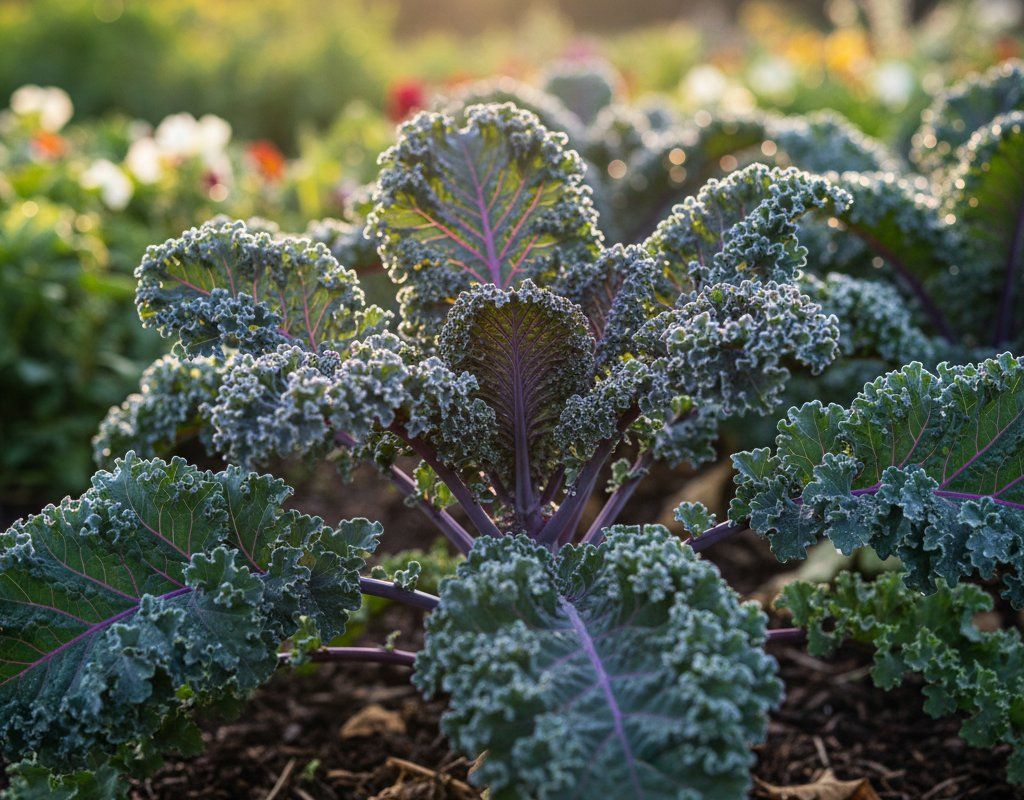
Kale in Zone 9A — Florida
Brassica oleracea var. sabellica · Your Complete 2026 Planting Guide
Harvest Time!
Your Kale should be producing now!
Harvest Tips
Harvest when heads are firm and tight, before they start to loosen.
How to Plant Kale in Zone 9A — Florida
Here are all your options for getting kale in the ground, from the easiest method to more advanced approaches.
Direct Sow Seeds
RecommendedEarly January through mid October
around January 4
Consider succession planting every 2-3 weeks for continuous harvest.
Hardy and easy to direct sow in spring or late summer for fall harvest.
Start Seeds Indoors
RecommendedMid December through early January
around December 21
Then transplant: Mid January through mid February
Start seeds 4-6 weeks before transplanting outdoors.
Buy Starts
Works WellMid January through mid February
around January 18
Plant purchased starts after last frost (February 1).
Transplant Outdoors
Timing InfoMid January through mid February
around January 18
Can tolerate light frost, but wait for soil to be workable.
You have a nice window — no need to rush.
Fall Planting
Early October through early November
October 23 ideal · Direct sow for fall harvest
Plant a second crop in mid-summer for fall harvest. Kale actually prefers the cooling temperatures of fall.
Overview
Kale thrives in Florida's unique growing season, offering gardeners crisp, nutritious greens when most other regions are dormant. Here in Zone 9A, our reversed calendar means you'll be harvesting sweet, tender leaves during our pleasant winter months while enjoying fresh salads and smoothies year-round. The subtropical climate allows for multiple plantings, giving you a steady supply of this superfood green from fall through spring.
While our extreme humidity and summer heat can challenge many crops, kale actually benefits from our 327-day growing season by avoiding the brutal summer months entirely. The key is working with Florida's rhythm—plant in fall, harvest through winter, and let plants rest during our scorching summers. With proper timing, you'll find kale one of the most reliable cool-season crops for consistent production.
Starting Seeds Indoors
Starting kale seeds indoors gives you precise control over timing, especially useful for Florida gardeners working around our reversed seasons. Sow seeds in mid-December through early January, about 4 weeks before your planned transplant date. This timing ensures seedlings are ready when our brief winter window opens up.
Set up seed trays in a warm spot—around 65-70°F works well for germination. Use bottom watering to prevent damping off, which is common in our humid conditions. Seeds typically germinate within 5-7 days. Once seedlings emerge, provide bright light either from a south-facing window or grow lights.
Indoor starting makes most sense when you want to maximize your growing window or if you're dealing with pest pressure outdoors. However, kale is hardy enough that direct sowing often works just as well in our mild Florida winters.
Transplanting Outdoors
Transplant your kale seedlings from mid-January through mid-February when nighttime temperatures consistently stay above 40°F. This timing takes advantage of our coolest months before spring heat arrives. Your seedlings should have 3-4 true leaves and be stocky rather than leggy.
Harden off seedlings gradually over a week, starting with just 2-3 hours of morning sun and gradually increasing exposure. Our intense Florida sun can shock tender seedlings, even in winter. Space plants 12-18 inches apart—the wider spacing helps with air circulation in our humid climate.
Watch for sudden warm spells during transplant season, which can stress young plants. If temperatures spike above 80°F for several days, provide afternoon shade with row covers or shade cloth until plants establish.
Direct Sowing
Direct sowing kale works beautifully in Florida from early January through mid-October, though spring and fall are your prime windows. For spring crops, sow in early January when soil temperatures are around 50-60°F. For fall harvests, plant in early October as summer heat finally breaks.
Prepare your soil by working in compost or aged manure, which helps with drainage in our sandy soils. Plant seeds ½ inch deep and 12-18 inches apart, or sow more densely and thin later. Seeds germinate readily in cool weather and establish quickly.
Direct sowing in late summer for fall harvest is particularly successful here—the plants mature during our pleasant autumn months and can produce through winter. Just ensure consistent moisture during the hot germination period if planting in October.
Watering Kale in Zone 9A (Florida)
Kale needs consistent moisture but not soggy conditions—a balance that's crucial in Florida's wet-dry extremes. During our dry winter months, provide about 1 inch of water weekly through deep, infrequent watering sessions. Check soil moisture by inserting your finger 2 inches deep; water when the top inch feels dry but moisture remains below.
Water at the base of plants rather than overhead to prevent fungal issues in our high humidity. Early morning watering allows leaves to dry quickly, reducing disease pressure. During our wet summer season, focus on drainage rather than additional watering—standing water in sandy soil can still cause root problems.
Watch for signs of stress: wilted leaves in morning indicate underwatering, while yellow lower leaves often signal overwatering or poor drainage. Drought-stressed kale becomes bitter and tough, so don't let plants dry out completely between waterings.
Apply a 2-3 inch layer of organic mulch around plants to retain moisture and keep roots cool. Pine straw or shredded leaves work well in Florida's climate, breaking down slowly while suppressing weeds and moderating soil temperature fluctuations.
🧪Fertilizing Kale
Feeding Schedule
Organic Fertilizer Options
Harvest Time
Your first kale harvest typically comes in late February through early January, about 55 days from seeding. Start harvesting when outer leaves reach 8-10 inches long and feel firm but tender. The leaves should have good color—deep green for most varieties—and snap crisply when bent.
Harvest by cutting outer leaves at the base, leaving the central growing point intact for continued production. Take 2-3 leaves per plant per harvest, working your way around each plant. This method keeps plants producing for months, giving you a steady supply through Florida's pleasant winter weather.
Kale actually sweetens after exposure to light frost, which we occasionally get in late December or January. If cold weather threatens, harvest what you need but don't worry about the remaining plants—they'll likely bounce back even sweeter. However, once temperatures consistently stay above 80°F in spring, leaves become bitter and plants bolt quickly.
As your growing season winds down in late spring, harvest entire plants before summer heat sets in. The leaves won't store well in our humidity, so use them fresh or blanch and freeze for later use during the hot months when fresh greens are scarce.
Common Problems in Zone 9A (Florida)
Aphids appear as clusters of tiny, soft-bodied insects on leaf undersides and stems, often leaving sticky honeydew residue. You'll notice curled or distorted new growth and may see ants farming them for their sweet secretions. These sap-sucking pests multiply rapidly in Florida's warm, humid conditions, especially during mild winter weather when natural predators are less active. Knock them off with strong water sprays, encourage ladybugs and lacewings, or apply insecticidal soap for heavy infestations. Avoid over-fertilizing with nitrogen, which creates the tender growth aphids love.
Cabbage worms show up as smooth green caterpillars that chew irregular holes in leaves, leaving dark green droppings behind. You'll often see white butterflies hovering around your plants—they're laying eggs that become these destructive larvae. Florida's extended growing season allows multiple generations per year, making this an ongoing challenge. Bt (Bacillus thuringiensis) spray is highly effective and organic. Use floating row covers to prevent egg-laying, handpick visible caterpillars, and interplant with aromatic herbs like thyme or sage that deter the adult butterflies.
Flea beetles create tiny round holes throughout leaves, giving them a shot-hole appearance. These small, dark beetles jump like fleas when disturbed and cause the worst damage to young seedlings and tender growth. They thrive in Florida's warm conditions and can quickly overwhelm small plants. Protect vulnerable seedlings with row covers, delay planting until plants are larger and more resilient, or apply kaolin clay as a protective coating. Interplanting with basil or catnip helps repel them naturally.
Florida Specific Challenges: Our extreme humidity creates perfect conditions for fungal diseases, while wet summer rainfall can lead to root rot if drainage isn't adequate. The combination of heat and humidity also accelerates pest reproduction cycles, meaning problems develop faster here than in drier climates. Focus on air circulation, avoid overhead watering, and choose varieties selected for humid conditions when possible.
Best Companions for Kale
Plant these nearby for healthier Kale and better harvests.

Keep Away From
Companion Planting Details
Kale pairs beautifully with beets and celery, which have similar water and nutrient needs during Florida's cool season. Beets help break up clay-heavy soil while their taproots don't compete with kale's shallower root system. Celery appreciates the same consistent moisture and cool weather, and both crops mature around the same time for convenient harvest planning.
Onions make excellent companions by deterring aphids and cabbage worms with their strong scent, while their upright growth doesn't shade the kale. Plant them around the edges of your kale bed for a natural pest barrier. Avoid planting near tomatoes, peppers, or strawberries—these warm-season crops need different watering schedules and soil conditions, plus they can harbor pests that move to your kale during Florida's extended growing periods.
🌸Best Flowers to Plant with Kale
These flowers protect your Kale from pests and attract pollinators for better harvests.




Get a Reminder When It's Time to Plant
We'll email you when key planting windows open for your zone.