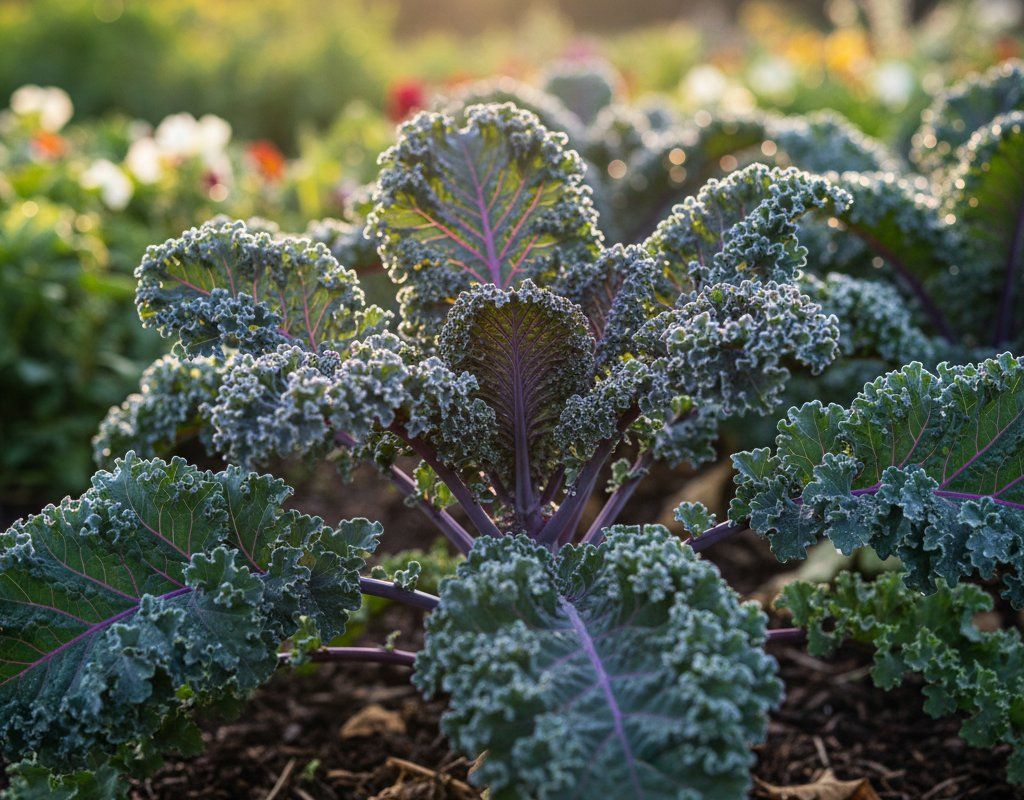
Kale in Zone 9A — Southern California
Brassica oleracea var. sabellica · Your Complete 2026 Planting Guide
Harvest Time!
Your Kale should be producing now!
Harvest Tips
Harvest when heads are firm and tight, before they start to loosen.
How to Plant Kale in Zone 9A — Southern California
Here are all your options for getting kale in the ground, from the easiest method to more advanced approaches.
Direct Sow Seeds
RecommendedEarly January through mid October
around January 4
Consider succession planting every 2-3 weeks for continuous harvest.
Hardy and easy to direct sow in spring or late summer for fall harvest.
Start Seeds Indoors
RecommendedMid December through early January
around December 21
Then transplant: Mid January through mid February
Start seeds 4-6 weeks before transplanting outdoors.
Buy Starts
Works WellMid January through mid February
around January 18
Plant purchased starts after last frost (February 1).
Transplant Outdoors
Timing InfoMid January through mid February
around January 18
Can tolerate light frost, but wait for soil to be workable.
You have a nice window — no need to rush.
Fall Planting
Early October through early November
October 18 ideal · Direct sow for fall harvest
Plant a second crop in mid-summer for fall harvest. Kale actually prefers the cooling temperatures of fall.
Overview
Kale thrives in Southern California's unique climate, giving you tender, flavorful greens when other regions are still buried under snow. Our mild winters and extended growing season mean you can harvest fresh kale from late February through late December — that's nearly 10 months of continuous production. The cool nights and warm days create perfect conditions for sweet, crisp leaves that far surpass anything you'll find in the grocery store.
While our hot summer heat inland and occasional drought conditions might seem challenging for this cool-season crop, proper timing makes kale surprisingly manageable here. With our 322-day growing season, you can plant multiple successions and even grow kale through our mild winters when it actually performs best. The key is working with our climate patterns rather than fighting them.
Starting Seeds Indoors
Starting kale seeds indoors isn't essential in Southern California, but it can give you a head start on the growing season. If you want the earliest possible harvest, start seeds indoors from mid-December through early January, about 4 weeks before your planned transplant date. This timing takes advantage of our very early spring to get plants established before the heat builds.
Set up seed trays in a warm spot (65-70°F) with good light — a sunny south-facing window works well, or use grow lights for 12-14 hours daily. Use bottom watering to keep the soil evenly moist without disturbing the tiny seeds. The consistent indoor conditions help ensure good germination when outdoor temperatures might still be too variable.
Since kale is quite cold-hardy and our winters are mild, indoor starting is more about convenience than necessity. You might prefer this method if you want precise timing or are dealing with challenging soil conditions outdoors.
Transplanting Outdoors
Transplant your indoor-started kale seedlings outdoors from mid-January through mid-February, when they have 3-4 true leaves. This timing puts them in the ground during our coolest months, allowing them to establish strong root systems before warmer weather arrives. The mild winter temperatures here rarely drop below freezing, making transplanting much easier than in colder regions.
Harden off seedlings gradually over a week by increasing their outdoor exposure daily — start with 2-3 hours in filtered sun and work up to full outdoor conditions. Our January and February weather can be quite variable, with warm sunny days followed by cooler periods, so this gradual transition helps prevent transplant shock.
Space transplants 12-18 inches apart to allow for good air circulation — important in our sometimes humid coastal areas. Plant them at the same depth they were growing in their containers and water thoroughly. The cooler weather during this transplant window means less stress on the plants and better establishment rates.
Direct Sowing
Direct sowing kale is often the preferred method in Southern California since our growing season starts so early and extends so long. Sow seeds directly in the garden from early January through mid-October, giving you flexibility to plant when your schedule allows. The seeds germinate well in cool soil and establish quickly without transplant shock.
Prepare the soil by working in compost and ensuring good drainage — kale doesn't tolerate waterlogged conditions, especially important during our winter wet season. Sow seeds ¼ inch deep and space them 12-18 inches apart, or plant closer and thin later. The seeds will germinate in 7-10 days when soil temperatures are between 45-75°F, which covers most of our planting window.
Direct sowing works particularly well for fall plantings from early October through early November. Seeds sown during this period establish during the cooler weather and provide harvests through winter when kale is at its absolute best in our climate.
Watering Kale in Zone 9A (Southern California)
Kale needs consistent moisture to produce tender, mild-flavored leaves, and skipping on water will make your harvest tough and bitter. In Southern California's climate, this means adjusting your watering schedule dramatically between our wet winters and dry summers. During the winter growing season (January through March), natural rainfall often provides most of the moisture kale needs — just supplement during dry spells.
As temperatures climb in late spring and summer heat builds inland, increase watering frequency significantly. Kale typically needs about 1-1.5 inches of water per week, but during our hottest periods (especially inland), you might need to water every 2-3 days. Use the finger test: stick your finger 2 inches into the soil near the plants — if it's dry, it's time to water.
Water at the base of plants rather than overhead to reduce evaporation and keep the leaves dry, which helps prevent disease in our low-to-moderate humidity conditions. Early morning watering is ideal, giving plants time to absorb moisture before the heat hits. Watch for signs of stress: wilting during the hottest part of the day is normal, but leaves that remain wilted in the evening need more water.
Apply a 2-3 inch layer of mulch around plants to retain soil moisture and keep roots cool during summer heat. Organic mulches like shredded leaves or straw work well here and break down slowly in our dry climate. During water restrictions, focus your irrigation on the most productive plants and consider shade cloth during extreme heat waves.
🧪Fertilizing Kale
Feeding Schedule
Organic Fertilizer Options
Harvest Time
Your first kale harvest typically comes 55 days after sowing, which means late February through late December depending on your planting timing. In Southern California's long growing season, you'll get the sweetest, most tender leaves during our cool months from November through March, when nighttime temperatures dip into the 40s and 50s.
Start harvesting when outer leaves reach 8-10 inches long, cutting them cleanly at the base with sharp scissors or a knife. Always leave the central growing point intact — this allows the plant to continue producing new leaves for months. Take only 3-4 outer leaves at a time, working around the plant rather than stripping one side completely.
Kale actually improves with light frost, becoming noticeably sweeter after cold nights. Since our first frost typically arrives around mid-December, your fall-planted kale will be at peak flavor right through winter. Harvest regularly (every 7-10 days) to encourage continued production and prevent leaves from becoming tough and overly bitter.
As summer heat builds, leaves may become more bitter and tough. During the hottest periods inland, harvest in early morning when leaves are most crisp and full of moisture. Plants that bolt in extreme heat should be pulled and replanted for fall — trying to keep summer kale going through our intense heat rarely produces quality harvests.
Common Problems in Zone 9A (Southern California)
Aphids are your most likely pest problem with kale in Southern California. Look for clusters of tiny, soft-bodied insects (green, black, or white) congregating on stems and leaf undersides, along with sticky honeydew residue and curled new growth. Our warm climate allows aphid populations to explode quickly, and ant colonies often farm them for their sweet secretions. Blast them off with a strong spray from the hose, encourage beneficial insects like ladybugs and lacewings, or use insecticidal soap for heavy infestations. Avoid over-fertilizing with nitrogen, which creates the tender growth aphids love.
Cabbage worms appear as smooth green caterpillars that chew irregular holes in leaves, leaving behind dark green droppings. You'll often see white butterflies fluttering around your plants — these are the adults laying eggs. Our warm climate supports multiple generations per season, making this an ongoing concern. Bt (Bacillus thuringiensis) spray is highly effective and organic. Floating row covers prevent the butterflies from laying eggs, or handpick caterpillars when you see them. Interplanting with aromatic herbs like thyme and sage helps deter the adult butterflies.
Flea beetles create tiny round holes throughout the leaves in a distinctive shot-hole pattern. These small, dark beetles jump when disturbed and cause the most damage to young seedlings and transplants. The beetles thrive in our warm, dry conditions and can quickly destroy newly planted kale. Protect vulnerable young plants with row covers during their first 3-4 weeks. Kaolin clay coating makes leaves less appealing to beetles, and interplanting with basil or catnip provides natural deterrence. Healthy, vigorous plants typically outgrow flea beetle damage once established.
Southern California Specific Challenges: Our hot, dry summers stress kale plants, making them more susceptible to pests and diseases. The combination of intense inland heat and low-to-moderate humidity means plants struggle with water stress, while Santa Ana winds can quickly desiccate leaves. Focus on adequate irrigation and consider shade cloth during extreme heat events to keep plants healthy enough to resist pest pressure.
Best Companions for Kale
Plant these nearby for healthier Kale and better harvests.

Keep Away From
Companion Planting Details
Kale grows exceptionally well with beets, which have similar water and nutrient needs while their roots occupy different soil depths. Celery makes an excellent companion since both crops prefer consistent moisture and cool conditions — they naturally support each other's growing requirements. Onions planted nearby help deter many common brassica pests with their strong scent, while their upright growth doesn't compete for space. Potatoes work well as companions since they're typically harvested before kale reaches full size, and their foliage can provide some shade during hotter weather.
Avoid planting kale near tomatoes, peppers, or strawberries. These warm-season crops have completely different water and nutrient requirements, and tomatoes and peppers can shade out kale while competing for soil nutrients. Strawberries and brassicas like kale can inhibit each other's growth through natural chemical interactions. In Southern California's intense growing conditions, it's especially important to group plants with similar needs together to make irrigation and care more efficient.
🌸Best Flowers to Plant with Kale
These flowers protect your Kale from pests and attract pollinators for better harvests.




Get a Reminder When It's Time to Plant
We'll email you when key planting windows open for your zone.