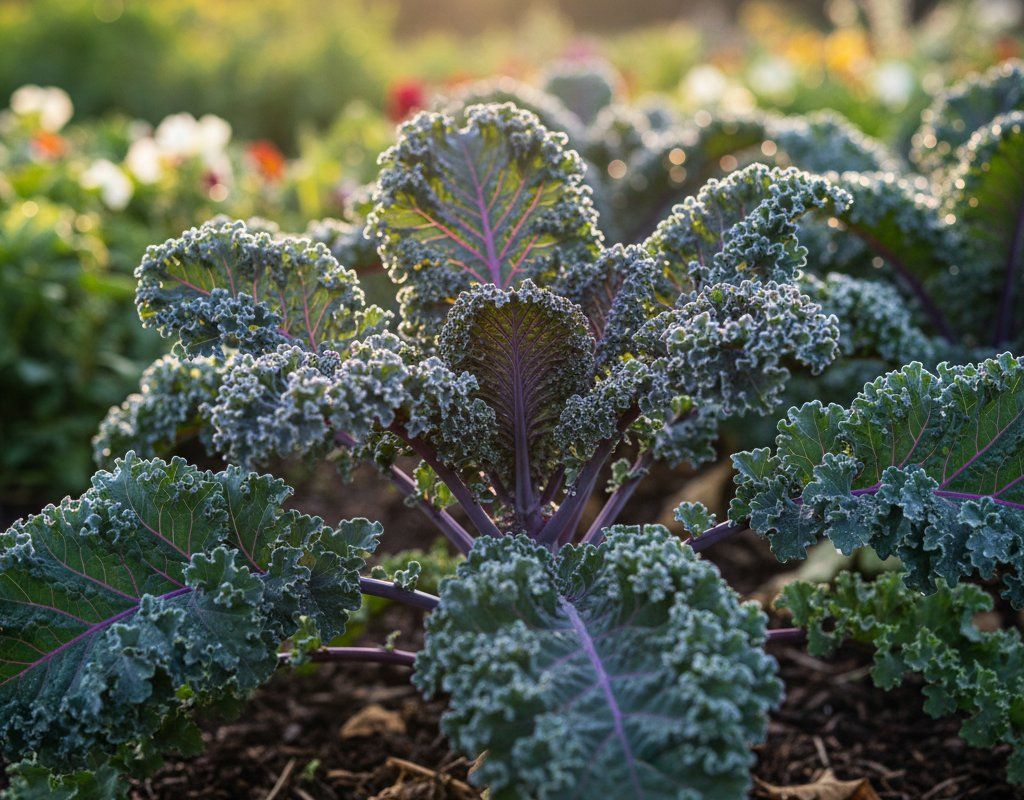
Kale in Zone 9A — Texas
Brassica oleracea var. sabellica · Your Complete 2026 Planting Guide
You Can Still Sow!
Direct sowing window is open for Kale.
Direct Sow Now
Hardy and easy to direct sow in spring or late summer for fall harvest.
How to Plant Kale in Zone 9A — Texas
Here are all your options for getting kale in the ground, from the easiest method to more advanced approaches.
Direct Sow Seeds
RecommendedMid January through late September
around January 18
Consider succession planting every 2-3 weeks for continuous harvest.
Hardy and easy to direct sow in spring or late summer for fall harvest.
Start Seeds Indoors
RecommendedLate December through mid January
around January 4
Then transplant: Early February through early March
Start seeds 4-6 weeks before transplanting outdoors.
Buy Starts
Works WellEarly February through early March
around February 1
Plant purchased starts after last frost (February 15).
Transplant Outdoors
Timing InfoEarly February through early March
around February 1
Can tolerate light frost, but wait for soil to be workable.
You have a nice window — no need to rush.
Fall Planting
Mid September through mid October
October 3 ideal · Direct sow for fall harvest
Plant a second crop in mid-summer for fall harvest. Kale actually prefers the cooling temperatures of fall.
Overview
Kale thrives in our Texas climate when you time it right, giving you one of the most nutritious greens you can grow. Unlike tender lettuce that bolts at the first hint of heat, kale handles our temperature swings better and actually sweetens up after light frosts. You'll get months of harvesting from each plant, and it's perfect for both our spring garden and fall garden seasons when other crops struggle.
The Texas heat can be brutal on leafy greens, but kale's natural hardiness works in your favor. With our 293-day growing season, you have plenty of flexibility to plant early spring crops that finish before the worst heat hits, then start again in late summer for fall and winter harvests. The key is working with our climate patterns instead of fighting them.
Starting Seeds Indoors
Starting kale seeds indoors isn't essential, but it makes sense when you want precise timing for your spring garden. Start seeds from late December through mid-January, about 4 weeks before you plan to transplant outside. This gives you sturdy seedlings ready to go out in early February when our spring season begins ramping up.
Set up your seed trays in a warm spot (65-70°F works well) with good light once they germinate. Bottom watering keeps the soil evenly moist without washing away tiny seeds - just set your seed trays in a shallow pan of water and let them soak up what they need. Your seedlings will be ready for hardening off in about 3-4 weeks.
Since our last frost typically hits around mid-February, indoor starting gives you a head start on the growing season. This method works especially well if you want to maximize your harvest window before the Texas heat kicks in.
Transplanting Outdoors
Transplant your kale seedlings from early February through early March, timing it for after our last frost risk passes. Start hardening them off about a week before transplanting - gradually expose them to outdoor conditions for longer periods each day. Texas weather can be unpredictable in late winter, so watch for those temperature swings that can shock tender seedlings.
Space your transplants 12-18 inches apart to give them room to develop their full leaf spread. The wider spacing also improves air circulation, which helps prevent disease problems in our variable humidity. Plant them at the same depth they were growing in their containers, and water them in well.
Keep row covers handy during transplant season - our unpredictable weather can bring unexpected cold snaps or late freezes that damage young plants. Once they're established and growing actively, they'll handle temperature fluctuations much better.
Direct Sowing
Direct sowing kale works beautifully in Texas from mid-January through late September, giving you flexibility for both spring and fall plantings. For spring crops, sow as soon as the soil can be worked in mid to late January. For fall harvest, plant in late August through September when the worst heat starts backing off.
Prepare your soil by working in compost or aged manure - kale appreciates rich, well-draining soil. Plant seeds about ½ inch deep and 12-18 inches apart, or plant closer and thin later. The soil temperature should be at least 45°F for good germination, which isn't usually a problem in our climate.
Direct sowing has advantages in Texas - the plants develop stronger root systems and handle our heat and drought stress better than transplanted seedlings. Fall-planted kale is especially successful since the plants mature in cooler weather and can produce through winter in most areas.
Watering Kale in Zone 9A (Texas)
Kale needs consistent moisture to produce tender, sweet leaves - drought stress quickly makes them tough and bitter. In our Texas climate with unpredictable rainfall ranging from 15-50 inches annually, you can't rely on nature alone. Plan on providing about 1-1.5 inches of water per week, including rainfall.
Check soil moisture by sticking your finger 2 inches deep - if it's dry, it's time to water. During our hot summers with highs around 97°F, you'll likely need to water every 2-3 days. Water at the base of plants rather than overhead, especially during humid periods when wet foliage can encourage disease problems.
Early morning watering works best in our variable humidity conditions - it gives plants time to dry before evening and reduces evaporation losses during the heat of the day. Watch for signs of stress: wilting despite moist soil usually means overwatering, while leaves becoming thick and waxy indicate drought stress.
Apply a 2-3 inch layer of organic mulch around plants to help retain soil moisture and keep roots cool during extreme heat periods. This is especially critical during summer months when the Texas heat can quickly dry out soil between waterings.
🧪Fertilizing Kale
Feeding Schedule
Organic Fertilizer Options
Harvest Time
Your first kale harvest starts around mid-March for spring plantings and continues through mid-December with successive plantings. Plants typically reach harvest size about 55 days from seeding, but you can start picking outer leaves earlier once they reach 8-10 inches long.
Harvest by cutting or pinching off outer leaves at the base, always leaving the growing center intact. This "cut and come again" method keeps plants producing for months. Take no more than one-third of the plant's leaves at any harvest to maintain good growth. The best leaves come from actively growing plants, so regular harvesting actually improves quality.
Flavor improves significantly after light frosts, which usually arrive around early December in our area. The cold converts starches to sugars, making leaves sweeter and less bitter. Fall-planted kale often produces the best-tasting leaves through winter months.
As temperatures start climbing in late spring, harvest more aggressively before plants bolt to seed. Once summer heat hits, plants stop producing quality leaves and should be removed to make room for heat-loving crops.
Common Problems in Zone 9A (Texas)
Aphids show up as clusters of tiny, soft-bodied insects on stems and leaf undersides - they can be green, black, or white depending on the species. You'll notice sticky honeydew residue on leaves and curled or distorted new growth. These sap-suckers multiply rapidly in our warm Texas weather, and you might even see ants farming them for their sweet secretions. Blast them off with a strong water spray, encourage beneficial insects like ladybugs, or use insecticidal soap for heavy infestations. Avoid over-fertilizing with nitrogen, which makes plants more attractive to aphids.
Cabbage worms appear as smooth green caterpillars chewing irregular holes in your kale leaves, leaving behind dark green droppings. You'll often see white butterflies hovering around your plants - they're laying eggs that hatch into these hungry pests. Multiple generations occur in our long growing season. Bt spray (Bacillus thuringiensis) works extremely well against caterpillars, or use floating row covers to prevent egg-laying. Handpicking works for small infestations, and aromatic herbs like thyme and sage planted nearby help deter the adult butterflies.
Flea beetles create tiny round holes in leaves that look like someone shot them with a BB gun. These small, dark beetles jump when disturbed and cause the most damage to young seedlings. The damage is mainly cosmetic on mature plants, but can kill small transplants. Row covers protect vulnerable young plants, or delay planting until seedlings are larger and can tolerate the damage. Kaolin clay coating makes leaves less appealing to beetles, and interplanting with basil or catnip helps repel them.
Texas Specific Challenges: Our extreme heat and variable humidity create perfect conditions for rapid pest reproduction, while unpredictable rainfall can stress plants and make them more susceptible to problems. The long growing season means multiple pest generations, so stay vigilant with monitoring and prevention throughout the year.
Best Companions for Kale
Plant these nearby for healthier Kale and better harvests.

Keep Away From
Companion Planting Details
Plant kale with beets and onions for an excellent combination - the onions repel many pests that target brassicas, while beets have similar water and nutrient needs without competing for the same soil space. Celery makes another good neighbor since it appreciates the same rich, moist soil conditions and provides some shade for kale roots during hot weather. Potatoes planted nearby can help break up compacted soil with their extensive root system, though keep them far enough apart to allow proper spacing for both crops.
Avoid planting kale near tomatoes, peppers, or strawberries - these crops attract different beneficial insects and have conflicting water needs that make garden management more difficult. The heavy feeders like tomatoes will compete aggressively for nutrients, while the different harvest timing means you'll be disturbing the soil around your kale when tending other crops. In our Texas heat, it's better to group plants with similar needs together for easier irrigation and maintenance.
🌸Best Flowers to Plant with Kale
These flowers protect your Kale from pests and attract pollinators for better harvests.




Get a Reminder When It's Time to Plant
We'll email you when key planting windows open for your zone.