
Lavender in Zone 3A — Great Plains
Lavandula angustifolia · Your Complete 2026 Planting Guide
Planning Ahead — Great!
You’re ahead of the season. Here’s when to start.
Mark Your Calendar
How to Plant Lavender in Zone 3A — Great Plains
Here are all your options for getting lavender in the ground, from the easiest method to more advanced approaches.
Buy Starts
RecommendedEarly to mid June
around June 8
Plant purchased starts after last frost (May 25).
Lavender is difficult and slow from seed. Buy starts for reliable results.
Start Seeds Indoors
Works WellLate March through mid April
around March 30
Then transplant: Early to mid June
Start seeds 10-12 weeks before transplanting outdoors.
Direct Sow Seeds
ChallengingDirect sowing is not typical for Lavender.
Transplant Outdoors
Timing InfoEarly to mid June
around June 8
Can tolerate light frost, but wait for soil to be workable.
Timing is critical in your zone — don’t delay!
Overview
Lavender's fragrance and versatility make it a rewarding addition to any Plains garden. The taste is unique, the uses are endless, and the satisfaction of growing it yourself is unmatched. Plus, it thrives in our intense sunshine and well-draining prairie soil.
Growing lavender in our Zone 3A climate presents challenges, including our short, 108-day growing season and the risk of extreme weather. But with careful timing, proper soil, and mindful watering, you can absolutely enjoy this beautiful and useful plant in your garden.
Starting Seeds Indoors
Starting lavender from seed indoors is possible, but it can be slow and a bit finicky. If you want to try, begin in late March through mid April, about 10 weeks before you plan to transplant. This gives the seedlings a head start against our short growing season.
Use seed trays with a well-draining seed-starting mix. Keep the soil consistently moist but not soggy, and provide plenty of warmth and light – a grow light is highly recommended. Consider bottom watering to prevent damping off, a common issue with seedlings. Remember our spring weather is variable, so keep a close eye on your seedlings and adjust conditions as needed.
Transplanting Outdoors
Transplant your lavender seedlings outdoors in early to mid June, once the risk of frost has passed. Before transplanting, harden them off by gradually exposing them to outdoor conditions for about a week. This helps them adjust to the sun and wind, which can be intense on the Plains.
Space your lavender plants 12-18 inches apart in a sunny location with well-draining soil. Be aware that even in June, we can still experience temperature swings and even the occasional late frost, so keep an eye on the forecast. Honestly, for more reliable results, consider buying established lavender starts from a local nursery.
Watering Lavender in Zone 3A (Great Plains)
Lavender is very drought-tolerant, making it well-suited to our Plains climate, as long as we don't overdo it. Overwatering is a far bigger threat than underwatering. Aim to mimic the dry, sunny conditions it loves.
During the active growing season (late June through August), water deeply but infrequently. Let the soil dry out almost completely between waterings. Use the "finger test": stick your finger about 2 inches into the soil. If it feels dry, it's time to water. Usually, about 1 inch of water per week is sufficient, depending on rainfall.
Water at the base of the plant to avoid wetting the foliage, which can encourage fungal diseases in our low-to-moderate humidity. Signs of underwatering include wilting or drooping leaves, while overwatering can lead to yellowing leaves and root rot. A light mulch of gravel or small stones around the base of the plant can help improve drainage and reduce moisture retention.
Pruning & Maintaining Lavender
Pruning lavender is important for maintaining its shape and encouraging continued flowering. After the first flush of blooms in late summer, deadhead the spent flowers. This encourages a second, smaller bloom.
In late summer, after the main flowering period, prune the plant back by about one-third, shaping it into a neat mound. Be careful not to cut into the old wood, as lavender doesn't typically regrow from there. As the first frost approaches in early September, stop pruning to allow the plant to harden off for winter.
🧪Fertilizing Lavender
Feeding Schedule
Organic Fertilizer Options
Harvest Time
You can expect your first lavender harvest in early to late September, about 90 days after transplanting. Harvest the flower stems when the buds are colored but not fully open, as this is when the fragrance is most intense. Cut the stems long, leaving several inches of foliage on the plant.
Harvest in the morning, after the dew has dried, for the best fragrance. Continued harvesting throughout the blooming season will encourage more flower production. Bundle the stems together and hang them upside down in a cool, dry, dark place to dry. As the first frost approaches in early September, harvest any remaining flower stems to dry indoors.
Common Problems in Zone 3A (Great Plains)
Here are the top 3 problems with Lavender in Zone 3A, Great Plains:
Root Rot from Overwatering
- What it looks like: Yellowing leaves, wilting despite moist soil, and a mushy, brown root system.
- What causes it: Poorly draining soil and excessive watering. Our variable rainfall can contribute if the soil doesn't drain well.
- How to fix/prevent it: Plant lavender in well-draining soil, avoid overwatering, and consider raised beds or amending heavy clay soils with sand and compost.
Shab Disease
- What it looks like: Brown or black spots on the leaves and stems, often accompanied by wilting and dieback.
- What causes it: A fungal disease that thrives in humid conditions and spreads through infected plant debris. Though our humidity is generally low, periods of rainfall can create favorable conditions.
- How to fix/prevent it: Remove and destroy infected plant parts, improve air circulation around the plants, and avoid overhead watering. Fungicides may be necessary in severe cases.
Phytophthora
- What it looks like: Similar to root rot, with yellowing leaves, wilting, and a decaying root system.
- What causes it: A soilborne pathogen that thrives in wet conditions. Poor drainage and overwatering are major contributors.
- How to fix/prevent it: Improve soil drainage, avoid overwatering, and use disease-free planting material. There are no effective treatments once the plant is infected.
Great Plains Specific Challenges: Our hot summers and variable rainfall can stress lavender plants, making them more susceptible to diseases. While lavender loves the heat, ensure adequate drainage to combat the risk of root rot during periods of heavy rainfall. Our intense sunshine also means you should monitor plants carefully for signs of drought stress, particularly during extended dry spells.
Best Companions for Lavender
Plant these nearby for healthier Lavender and better harvests.

Keep Away From

Companion Planting Details
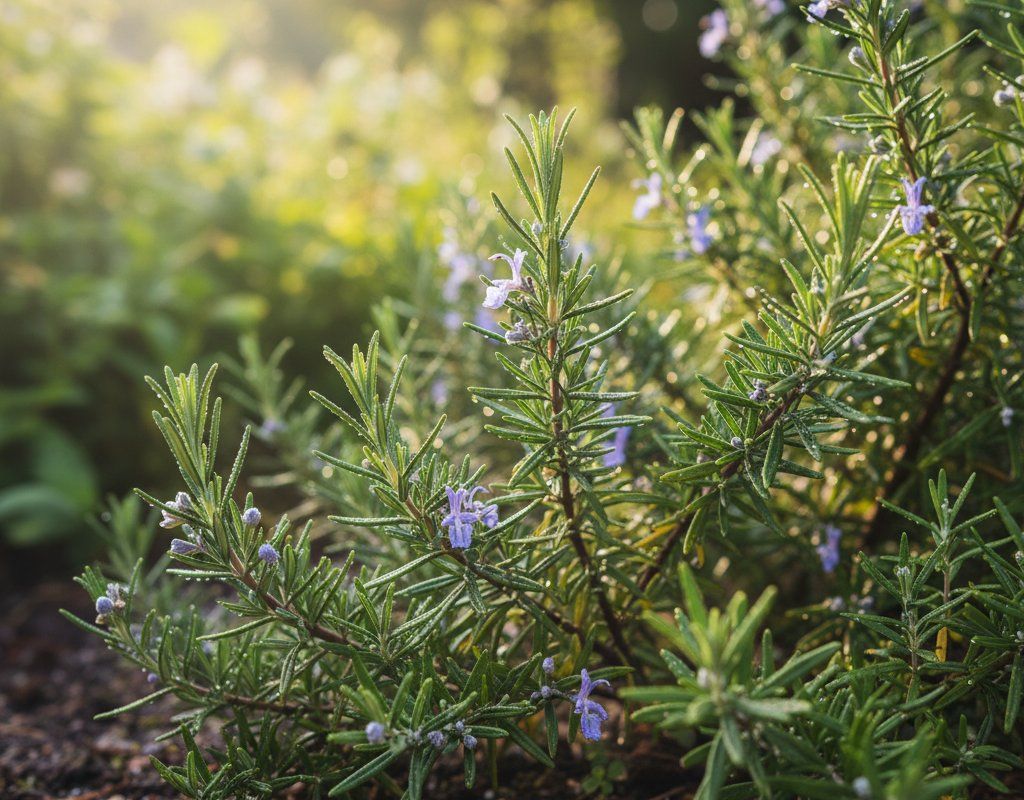
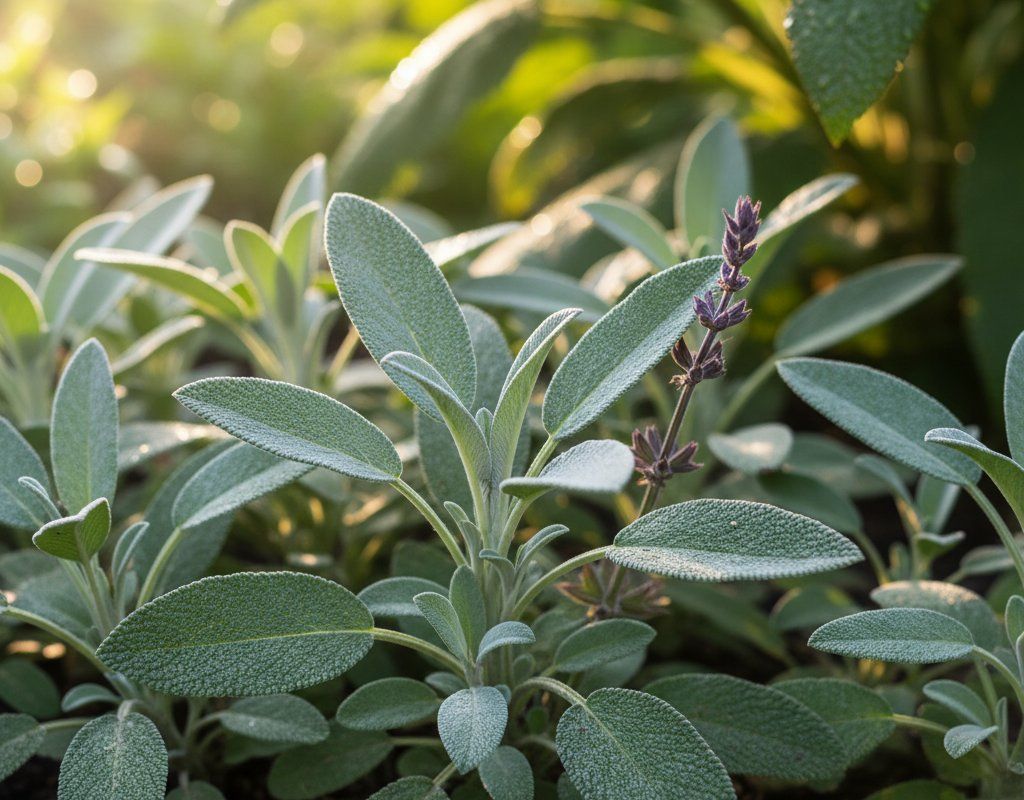
Good companion plants for lavender in the Great Plains include rosemary, thyme, sage, and roses. Rosemary, thyme, and sage share similar growing requirements – full sun and well-drained soil – creating a harmonious garden bed. Roses appreciate the pest-repelling qualities of lavender.
Avoid planting lavender near mint. Mint is aggressive and can quickly overtake a garden bed, competing with lavender for resources. Mint also prefers moist soil, which is the opposite of what lavender needs to thrive.
🥬Best Vegetables to Pair With Lavender
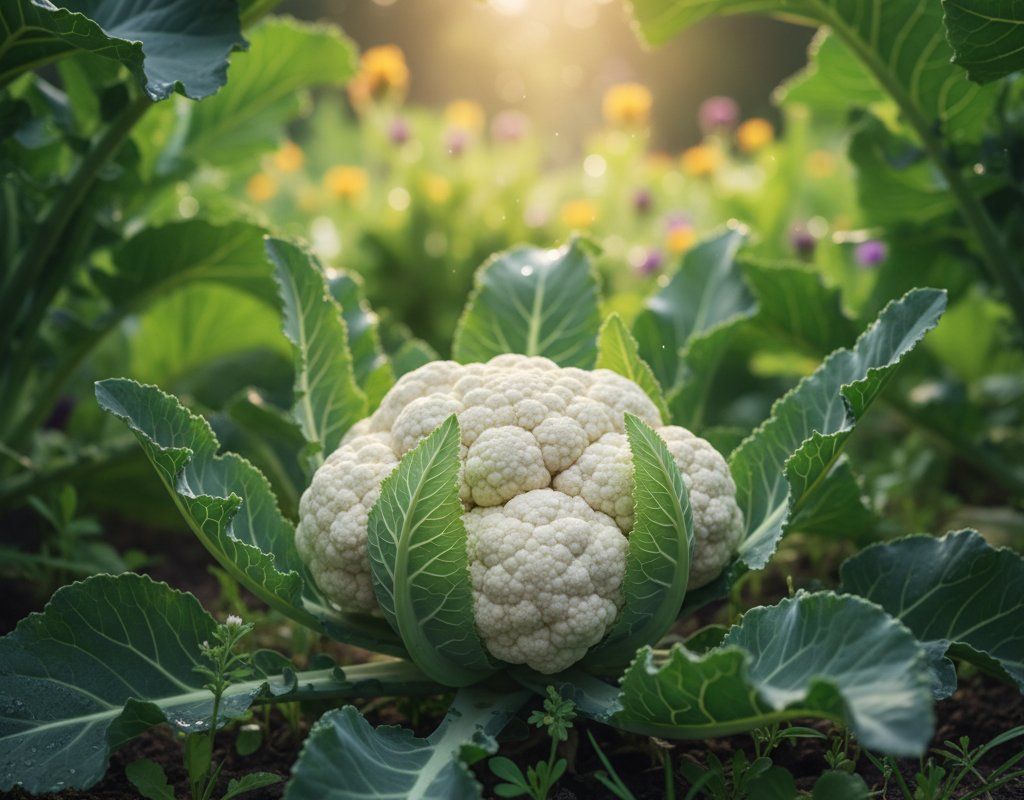
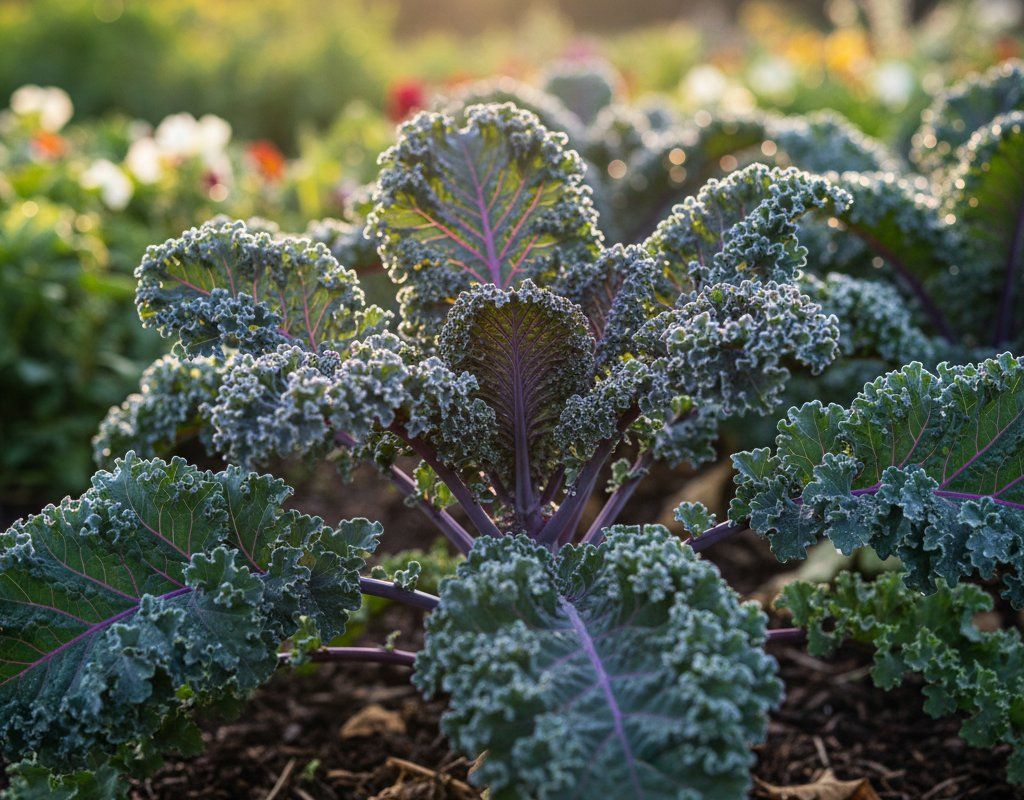
Lavender benefits these vegetables through pest control, pollinator attraction, or improved garden health.





Get a Reminder When It's Time to Plant
We'll email you when key planting windows open for your zone.