
Lavender in Zone 4A — Northeast
Lavandula angustifolia · Your Complete 2026 Planting Guide
Planning Ahead — Great!
You’re ahead of the season. Here’s when to start.
Mark Your Calendar
How to Plant Lavender in Zone 4A — Northeast
Here are all your options for getting lavender in the ground, from the easiest method to more advanced approaches.
Buy Starts
RecommendedLate May through early June
around May 29
Plant purchased starts after last frost (May 15).
Lavender is difficult and slow from seed. Buy starts for reliable results.
Start Seeds Indoors
Works WellMid March through early April
around March 20
Then transplant: Late May through early June
Start seeds 10-12 weeks before transplanting outdoors.
Direct Sow Seeds
ChallengingDirect sowing is not typical for Lavender.
Transplant Outdoors
Timing InfoLate May through early June
around May 29
Can tolerate light frost, but wait for soil to be workable.
Plan to transplant within a few weeks of your target date.
Overview
Lavender is a fantastic addition to any Northeast garden. Its fragrance is wonderful, it attracts pollinators, and the flavor it imparts in cooking and baking is uniquely delicious. Plus, a thriving lavender plant in your garden is just incredibly satisfying. The cool nights we often get here actually enhance the flavor and fragrance of many herbs!
Growing lavender in our region does come with challenges, mainly due to our short growing season and the potential for late spring or early fall frosts. But with careful timing, starting plants indoors, and choosing the right varieties, you can absolutely make the most of summer and enjoy beautiful lavender in your garden. You have about 128 days to work with, so let's get started.
Starting Seeds Indoors
Starting lavender from seed indoors in the Northeast is possible, but be warned: it can be slow and a bit tricky. If you're up for the challenge, start your seeds indoors from mid-March through early April – about 10 weeks before you plan to transplant them outdoors.
Use seed trays with a well-draining seed-starting mix. Lavender needs warmth to germinate, so a heat mat can be helpful. Provide plenty of light, either with a grow light or by placing the trays in a sunny south-facing window. Bottom watering is a great way to keep the soil consistently moist without overwatering, which lavender seedlings really dislike. Keep in mind that our late spring means you'll need to be patient and keep those seedlings protected until the weather truly warms up.
Transplanting Outdoors
Transplant your lavender seedlings outdoors in late May through early June, once the danger of frost has passed. Before transplanting, harden off your seedlings by gradually exposing them to outdoor conditions for about a week. This helps them adjust to the sun, wind, and temperature changes.
Space your lavender plants 12-18 inches apart to allow for good air circulation. Given our sometimes unpredictable late-spring weather, keep an eye out for any unexpected cold snaps and be prepared to cover your young plants if necessary. Honestly, for reliable results in our short season, consider buying established lavender starts from a local nursery.
Watering Lavender in Zone 4A (Northeast)
Lavender is very drought-tolerant and thrives in poor, dry soil, making it surprisingly well-suited to some of our rockier New England soil. Overwatering and humidity are its biggest enemies, so excellent drainage is essential.
During the growing season, from late spring to early fall, water deeply but infrequently. Let the top 2 inches of soil dry out completely before watering again – use the "finger test" to check. Usually, about 1 inch of water per week is plenty, and even less if we've had a lot of rain. Water at the base of the plant rather than overhead to avoid creating a humid environment around the foliage, which can lead to fungal problems.
Signs of underwatering include wilting or drooping leaves. Overwatering, on the other hand, can cause yellowing leaves and potentially root rot. Adding a light layer of gravel mulch around the base of the plant can help improve drainage and prevent soil from splashing onto the foliage during rain, a common issue with our even rainfall.
Pruning & Maintaining Lavender
Pruning is essential for keeping your lavender plants healthy and productive. After flowering, usually in late summer, deadhead the spent flower stems and lightly shape the plant into a mound.
Cut back the plant by about one-third, but be careful not to cut into old wood, as it won't regrow. This encourages new growth and more blooms for the following year. As the first frost approaches in mid-September, stop pruning to allow the plant to harden off for winter. Leaving some foliage on the plant can also provide some insulation during the colder months.
🧪Fertilizing Lavender
Feeding Schedule
Organic Fertilizer Options
Harvest Time
Your first lavender harvest in the Northeast should be in late August through late September, about 90 days after transplanting. Harvest the flower stems when the buds are colored but not fully open; that's when the fragrance is most intense.
Cut long stems in the morning, after the dew has dried, for the best results. Use sharp, clean pruners to avoid damaging the plant. Cutting the stems encourages the plant to produce more flowers, so you can enjoy a continuous harvest throughout the late summer. As the first frost approaches, harvest any remaining flower stems to dry and use indoors. Dry the stems upside down in small bundles in a dark, well-ventilated place.
Common Problems in Zone 4A (Northeast)
Lavender can face a few problems in the Northeast, but with proper care, you can keep your plants healthy. Here are the most common issues:
- Root Rot from Overwatering:
- What it looks like: Yellowing leaves, wilting, and a general decline in the plant's health. The roots will be brown and mushy instead of firm and white.
- What causes it: Excess moisture around the roots, often due to poorly draining soil or overwatering. Our even rainfall can exacerbate this issue.
- How to fix/prevent it: Ensure your lavender is planted in well-draining soil. Water only when the top 2 inches of soil are dry. Consider planting in raised beds or containers to improve drainage.
- Shab Disease:
- What it looks like: Gray or brown spots on the leaves and stems, which can eventually lead to the plant's decline.
- What causes it: A fungal disease that thrives in humid conditions.
- How to fix/prevent it: Improve air circulation around the plants by spacing them properly and pruning regularly. Remove and destroy any infected plant material. Fungicides may be necessary in severe cases.
- Phytophthora:
- What it looks like: Similar to root rot, with yellowing leaves, wilting, and root decay. It can also cause stem lesions.
- What causes it: A soilborne pathogen that attacks the roots, particularly in wet conditions.
- How to fix/prevent it: Ensure good soil drainage. Avoid overwatering. Remove and destroy infected plants and the surrounding soil. Use disease-resistant lavender varieties if available.
Northeast Specific Challenges: The moderate heat, moderate-to-humid humidity, and even rainfall in the Northeast can create conditions that favor fungal diseases and root rot in lavender. Proper spacing, well-draining soil, and careful watering are crucial for success.
Best Companions for Lavender
Plant these nearby for healthier Lavender and better harvests.

Keep Away From

Companion Planting Details
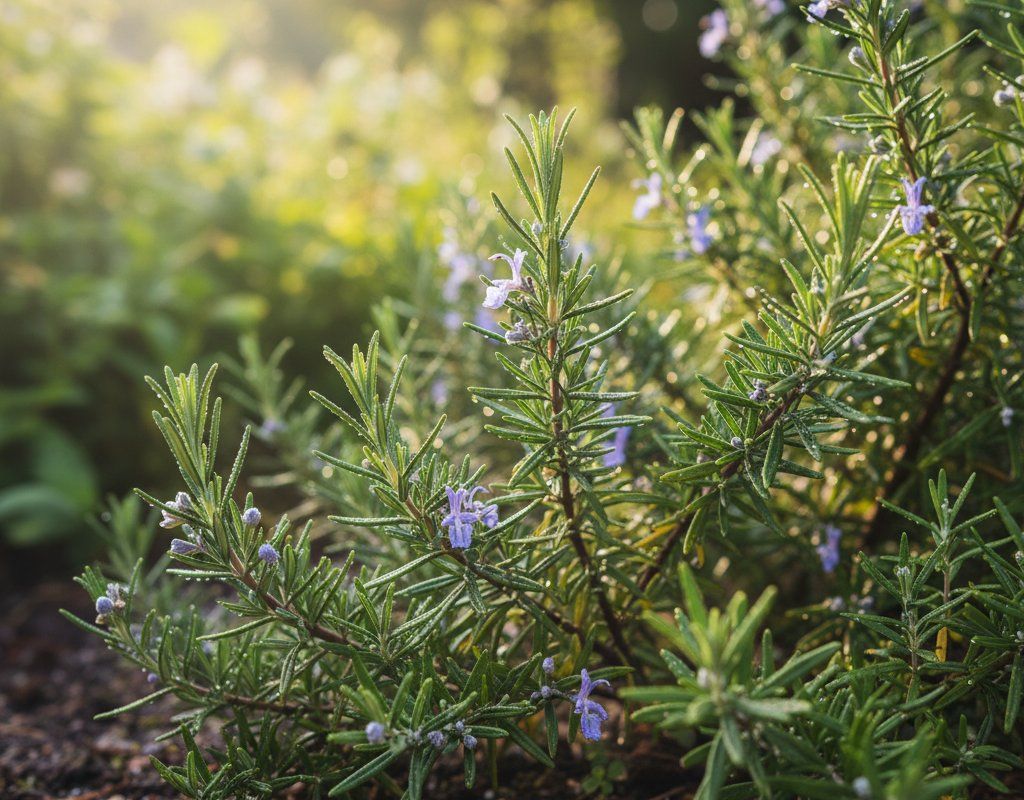
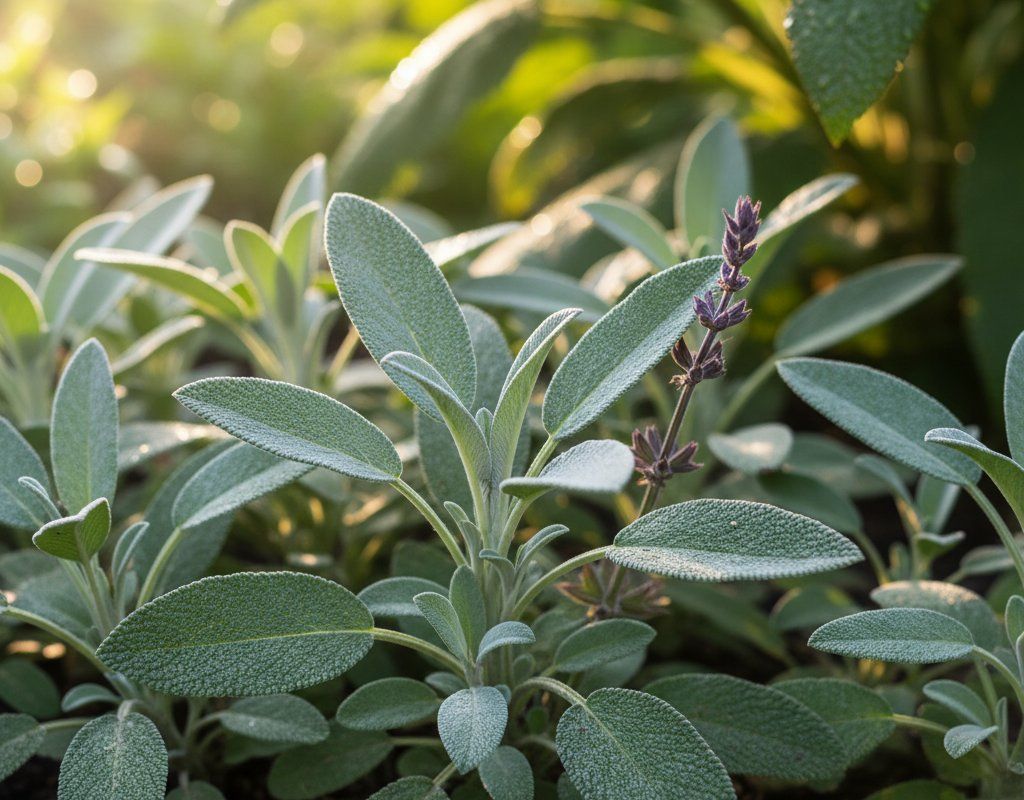
Lavender makes a great companion plant for several herbs and flowers in the Northeast garden. Rosemary, thyme, and sage all share similar growing requirements – full sun and well-drained soil – and they can even help deter pests. Roses also benefit from being planted near lavender, as lavender helps to repel aphids and other rose pests.
Avoid planting lavender near mint. Mint is aggressive and spreads quickly, potentially crowding out the lavender. Mint also prefers moist soil, which is the opposite of what lavender needs.
🥬Best Vegetables to Pair With Lavender
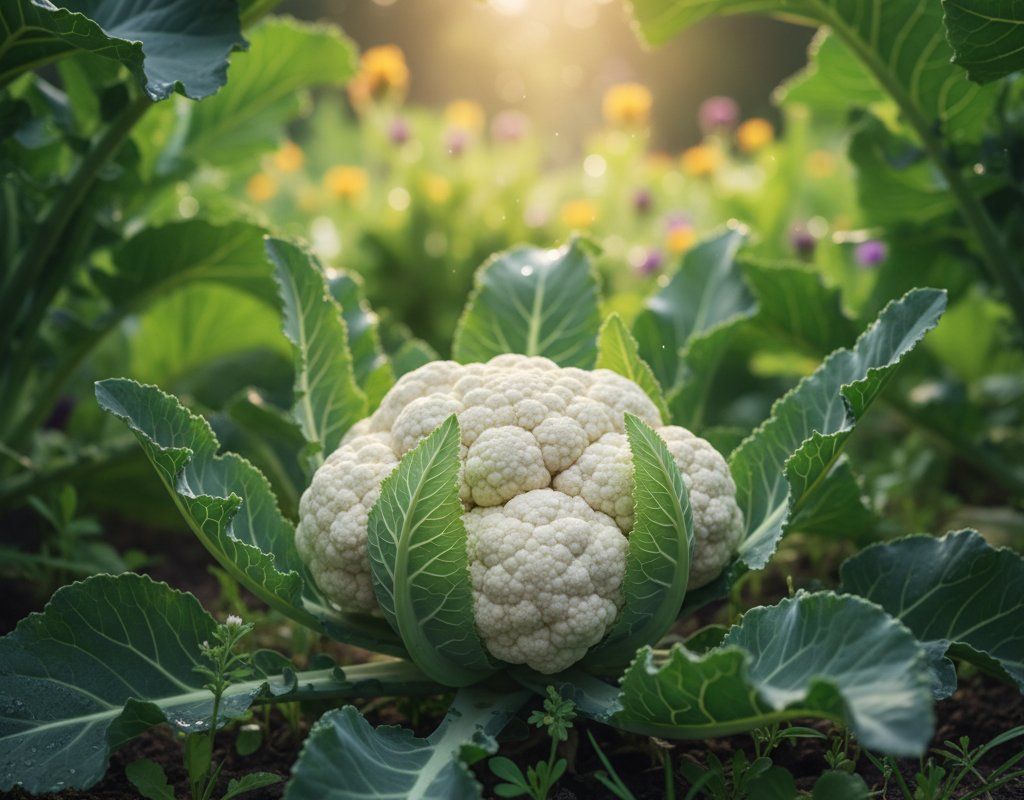
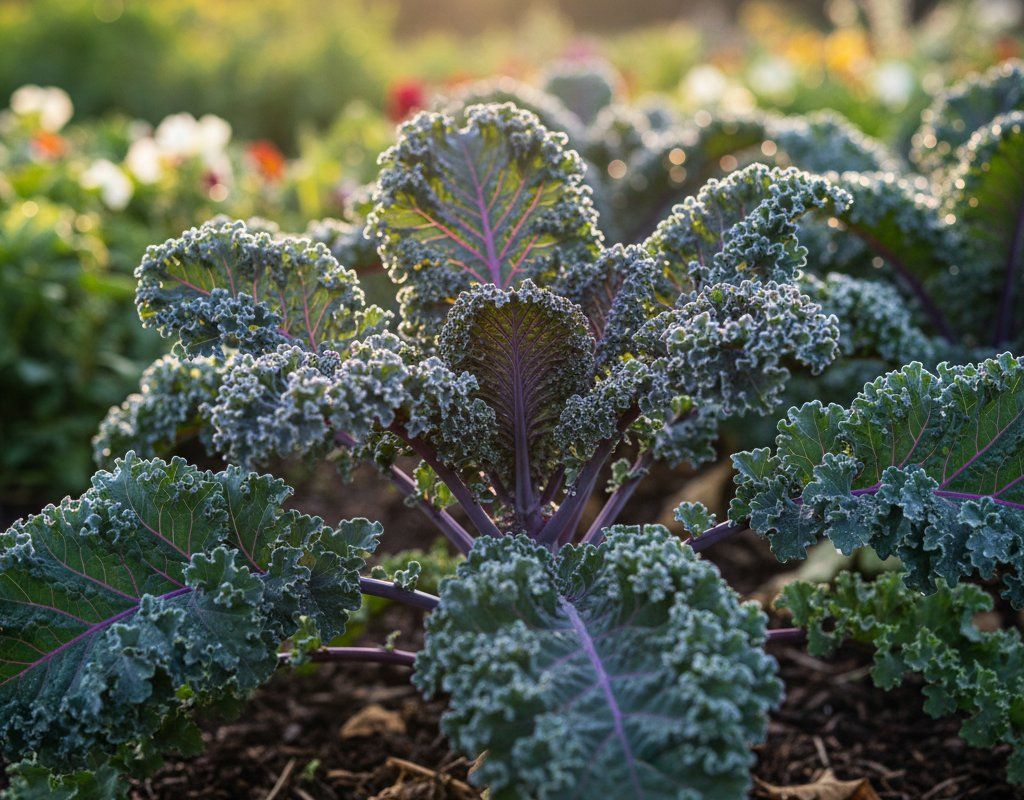
Lavender benefits these vegetables through pest control, pollinator attraction, or improved garden health.





Get a Reminder When It's Time to Plant
We'll email you when key planting windows open for your zone.