
Lavender in Zone 6B — Mid-Atlantic
Lavandula angustifolia · Your Complete 2026 Planting Guide
Missed Seed Starting? No Problem!
Wait for starts to become available.
What to Do
Starts will be available at nurseries in 51 days (around April 24).
How to Plant Lavender in Zone 6B — Mid-Atlantic
Here are all your options for getting lavender in the ground, from the easiest method to more advanced approaches.
Buy Starts
RecommendedLate April through mid May
around April 24
Plant purchased starts after last frost (April 10).
Lavender is difficult and slow from seed. Buy starts for reliable results.
Start Seeds Indoors
Works WellEarly to late February
around February 13
Then transplant: Late April through mid May
Start seeds 10-12 weeks before transplanting outdoors.
Direct Sow Seeds
ChallengingDirect sowing is not typical for Lavender.
Transplant Outdoors
Timing InfoLate April through mid May
around April 24
Can tolerate light frost, but wait for soil to be workable.
Plan to transplant within a few weeks of your target date.
Overview
Lavender is a fantastic addition to any Mid-Atlantic garden. Its fragrance alone makes it worthwhile, and you can use it in everything from cooking to crafts. Plus, it's a beautiful, low-maintenance plant that thrives in our four-season climate, bringing a touch of the Mediterranean to your backyard.
We definitely have our share of gardening challenges here, especially with our humid summers and clay soil. But with careful planning and attention to watering, you can absolutely grow beautiful lavender. Our 198-day growing season gives you plenty of time to get it established and enjoy the blooms.
Starting Seeds Indoors
Starting lavender from seed indoors is possible, but honestly, it can be a bit tricky. Lavender seeds are slow to germinate and the seedlings are delicate. If you're up for the challenge, start your seeds indoors from early to late February, about 10 weeks before you plan to transplant them outdoors.
Use seed trays with a well-draining seed starting mix. Keep the soil consistently moist, and bottom watering can help prevent damping off. Provide plenty of light, either with a grow light or a very sunny windowsill. Remember, our spring weather is moderate, so you'll want to give your seedlings a head start indoors.
For most Mid-Atlantic gardeners, especially beginners, buying lavender starts from a local nursery is the easier and more reliable route. You'll get a jump start on the season and have a much better chance of success.
Transplanting Outdoors
Transplant your lavender outdoors from late April through mid May, after the danger of frost has passed. Before planting, harden off your seedlings by gradually exposing them to outdoor conditions for about a week. This will help them adjust to the sun and wind.
Space your lavender plants 12-18 inches apart to give them room to grow into their mature size. Keep an eye on the weather forecast; we sometimes get unexpected cold snaps in late spring. If a frost is predicted, cover your young plants to protect them. Honestly, buying starts is the way to go -- lavender is just too slow to grow from seed.
Watering Lavender in Zone 6B (Mid-Atlantic)
Lavender is drought-tolerant and hates wet feet, so proper watering is key, especially with our humid summers in the Mid-Atlantic. Overwatering is the fastest way to kill a lavender plant.
During the first growing season, water deeply but infrequently. Let the top 2 inches of soil dry out completely before watering again – use the "finger test" to check. Established plants need very little supplemental watering, even during our moderate-to-hot summer months. Aim for about ½ inch of water per week, including rainfall. Water at the base of the plant to avoid getting the foliage wet, which can encourage fungal diseases in our humid climate.
Signs of overwatering include yellowing leaves and wilting, even when the soil is moist. Underwatering will cause the leaves to droop and turn brown. Mulch around your lavender plants with gravel or light-colored stones to improve drainage and reflect sunlight, which they love.
Pruning & Maintaining Lavender
Pruning is essential for keeping your lavender plants healthy and productive. Deadhead spent flowers throughout the growing season to encourage more blooms.
After the main flowering period, usually in late summer, prune your lavender plants to shape them into a nice mound. Cut back about 1/3 of the growth, but be careful not to cut into the old wood, as it won't regrow. As the first frost approaches in late October, stop pruning to allow the plant to harden off for winter.
🧪Fertilizing Lavender
Feeding Schedule
Organic Fertilizer Options
Harvest Time
You can expect your first lavender harvest from late July through early September, about 90 days after transplanting. The best time to harvest is in the morning, after the dew has dried but before the sun gets too hot.
Harvest when the flower buds are plump and colored, but not fully open. Cut the stems as long as possible, leaving several inches of foliage on the plant. To dry your lavender, bundle the stems together and hang them upside down in a cool, dark, and well-ventilated place. Regular harvesting encourages continuous blooming throughout the season.
As late October approaches and we start thinking about frost, harvest any remaining flower stems to dry before the cold weather sets in.
Common Problems in Zone 6B (Mid-Atlantic)
Here are some common problems you might encounter growing lavender in the Mid-Atlantic:
Root Rot from Overwatering
- What it looks like: Yellowing leaves, wilting, and mushy roots. The plant may appear stunted or fail to thrive.
- What causes it: Overwatering, poor drainage, and heavy clay soil (common in our region) create a waterlogged environment that encourages fungal growth and rots the roots. Our humid summers exacerbate this issue.
- How to fix/prevent it: Plant lavender in well-draining soil, amend clay soil with compost and grit, and avoid overwatering. Water at the base of the plant. Consider raised beds or containers for better drainage.
Shab Disease
- What it looks like: Brown or black spots on the leaves and stems, often starting at the base of the plant. The plant may appear stunted and the foliage may die back.
- What causes it: A fungal disease that thrives in humid conditions. Our humid summers make lavender susceptible to this disease.
- How to fix/prevent it: Improve air circulation around the plants by spacing them properly and pruning regularly. Remove and destroy any infected foliage. Apply a fungicide if necessary.
Phytophthora
- What it looks like: Sudden wilting and death of the plant. The roots may be dark and mushy.
- What causes it: A soilborne pathogen that attacks the roots, especially in wet conditions.
- How to fix/prevent it: Ensure excellent drainage. Avoid overwatering. Use disease-free plants. There is no cure once the plant is infected.
Mid-Atlantic Specific Challenges: Our moderate-to-hot summer heat combined with high humidity and even rainfall creates a perfect environment for fungal diseases to thrive. Good drainage and proper watering are crucial for growing healthy lavender in our region.
Best Companions for Lavender
Plant these nearby for healthier Lavender and better harvests.

Keep Away From

Companion Planting Details
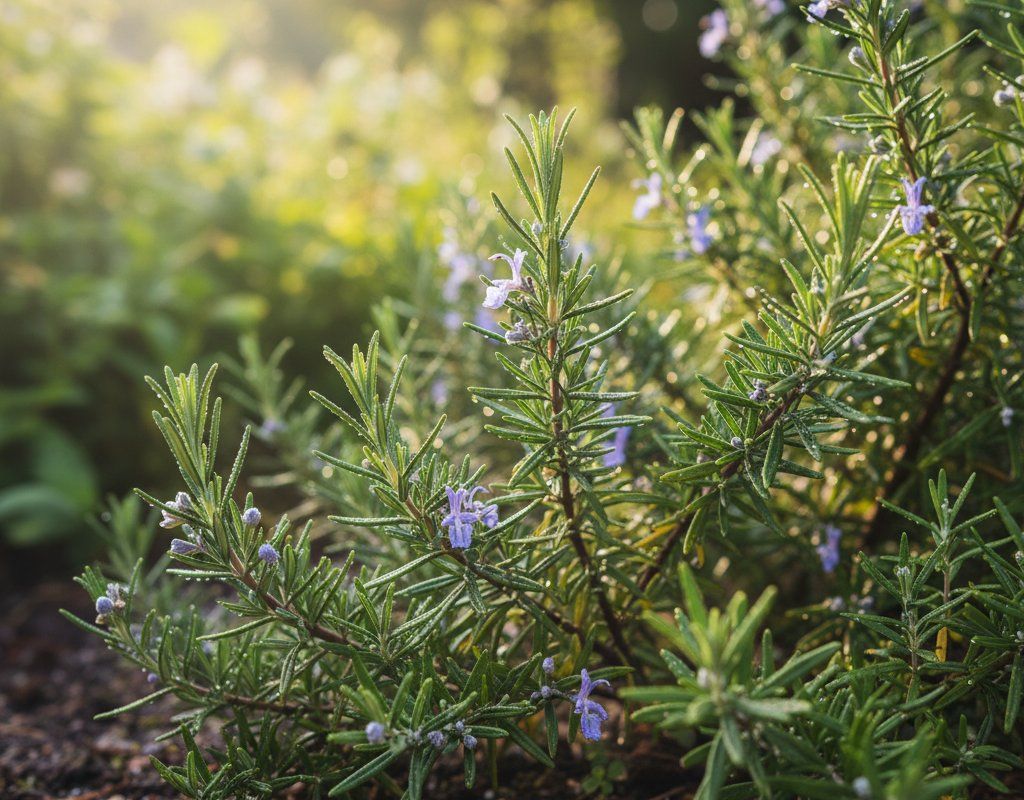
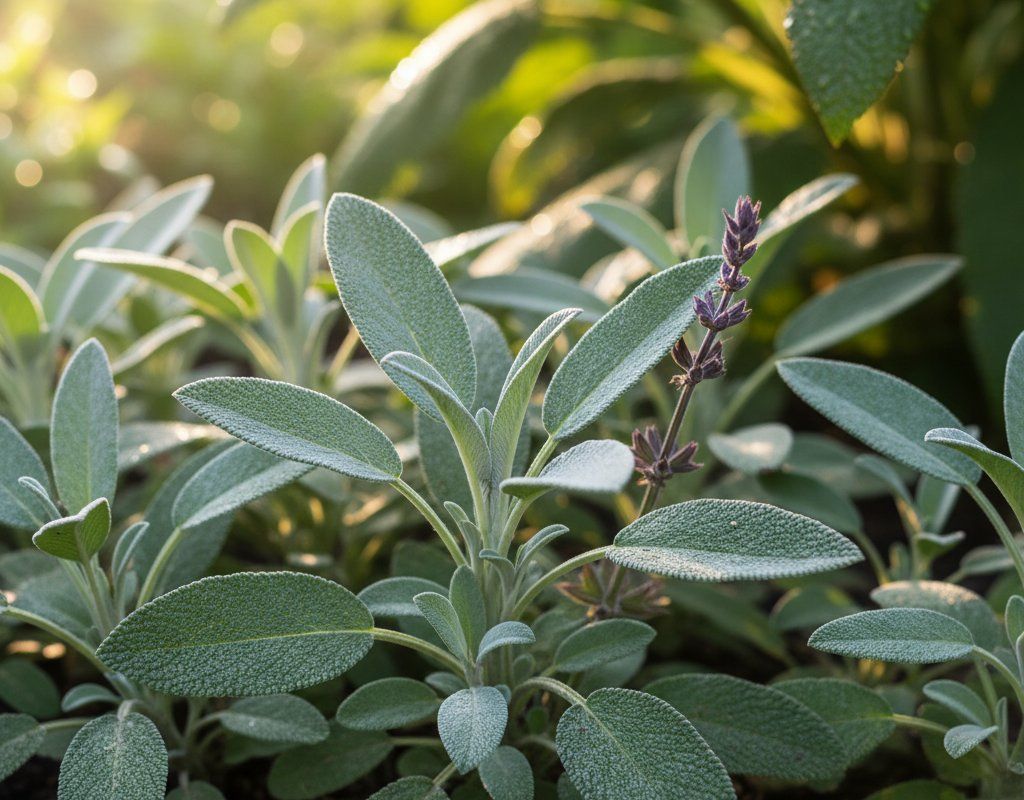
Lavender thrives alongside plants that enjoy similar growing conditions: full sun and well-drained soil. Rosemary, thyme, and sage make excellent companions because they also prefer dry conditions and won't compete for water. Roses are another good choice; their need for full sun and good drainage aligns well with lavender's requirements, and the lavender can help deter pests.
Avoid planting lavender near mint, as mint spreads aggressively and can quickly take over the garden bed. Mint also prefers moist soil, which is the opposite of what lavender needs.
🥬Best Vegetables to Pair With Lavender
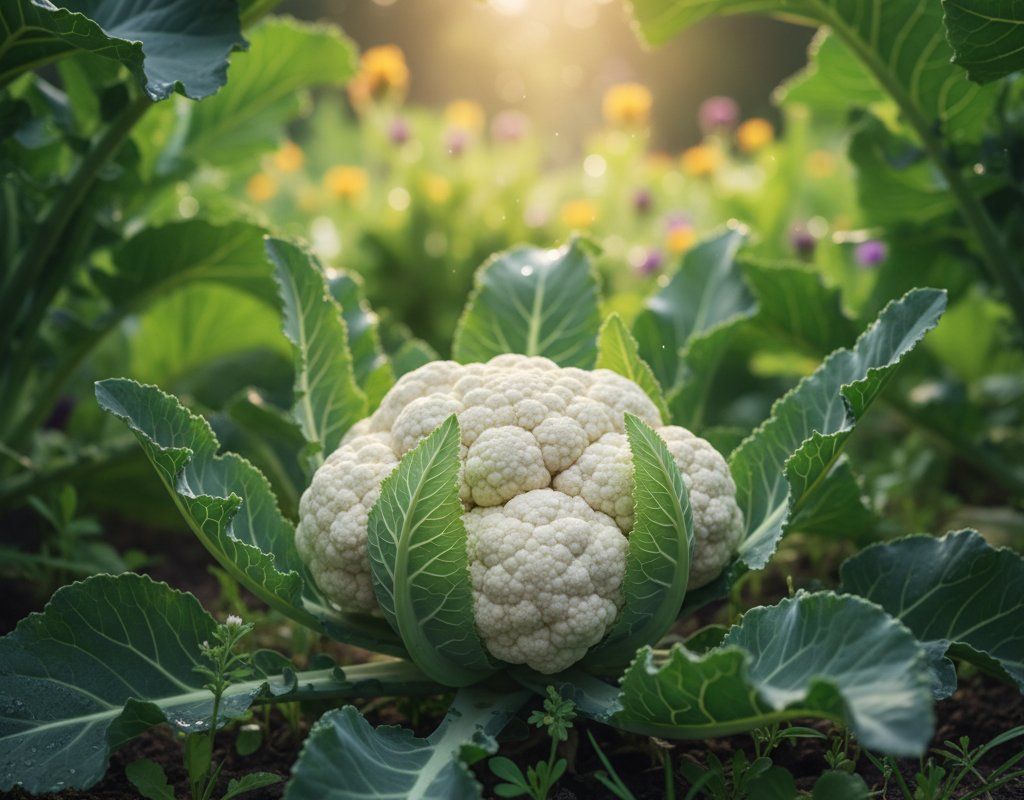
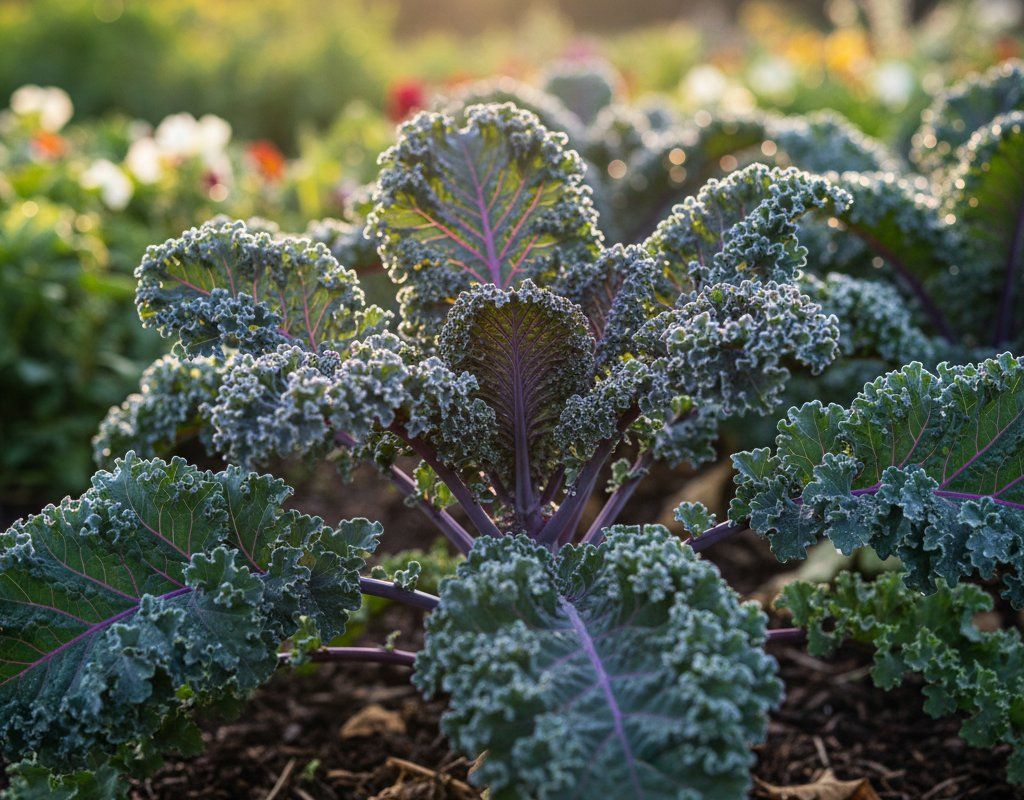
Lavender benefits these vegetables through pest control, pollinator attraction, or improved garden health.





Get a Reminder When It's Time to Plant
We'll email you when key planting windows open for your zone.