
Lavender in Zone 9B — Gulf Coast
Lavandula angustifolia · Your Complete 2026 Planting Guide
Time to Buy Starts!
Seed starting window passed, but starts are available now.
Buy Starts Now
Head to your local nursery, Home Depot, or farmers market for transplants.
- Look for stocky plants with dark green leaves
- Avoid leggy seedlings or plants already flowering
- Check that roots aren't circling the pot (rootbound)
How to Plant Lavender in Zone 9B — Gulf Coast
Here are all your options for getting lavender in the ground, from the easiest method to more advanced approaches.
Buy Starts
RecommendedMid February through early March
around February 13
Plant purchased starts after last frost (January 30).
Lavender is difficult and slow from seed. Buy starts for reliable results.
Start Seeds Indoors
Works WellLate November through mid December
around December 5
Then transplant: Mid February through early March
Start seeds 10-12 weeks before transplanting outdoors.
Direct Sow Seeds
ChallengingDirect sowing is not typical for Lavender.
Transplant Outdoors
Timing InfoMid February through early March
around February 13
Can tolerate light frost, but wait for soil to be workable.
Plan to transplant within a few weeks of your target date.
Overview
Lavender is a worthwhile addition to any Gulf Coast garden. The fragrance alone is a treat, and you can use it in cooking, crafts, and even as a mosquito repellent! Plus, the vibrant purple flowers are a beautiful sight in our gardens.
We all know the challenges of gardening in our humid climate. Fungal diseases and root rot are real concerns, but with careful planning and attention to watering, you can absolutely grow lavender successfully. Our long growing season -- nearly year-round -- gives you plenty of time to enjoy this fragrant herb.
Starting Seeds Indoors
Starting lavender from seed indoors is possible, but honestly, it can be a bit tricky. It's slow to germinate and get established. If you're up for a challenge, start seeds indoors from late November through mid December, about 10 weeks before our transplanting window.
Use seed trays with a well-draining seed starting mix. Provide warmth and plenty of light – a grow light is really helpful. Bottom watering is best to prevent damping off. Keep in mind our early spring warmth can arrive earlier than expected, so be ready to adjust your transplant schedule if needed.
Transplanting Outdoors
The ideal time to transplant your lavender outdoors is from mid February through early March. Before you plant, harden off your seedlings by gradually exposing them to outdoor conditions for about a week. This helps them adjust to the sun and wind.
Space your lavender plants 12-18 inches apart to allow for good air circulation. Given our high humidity, this is important! Honestly, for more reliable results, consider buying established lavender starts from a local nursery. They're already acclimated and have a better chance of thriving.
Watering Lavender in Zone 9B (Gulf Coast)
Lavender is very drought-tolerant and thrives in drier conditions, so resist the urge to overwater it, especially here on the Gulf Coast. Our high humidity and frequent rainfall make root rot a serious concern. Excellent drainage is a MUST.
During the active growing season (spring and fall), water deeply but infrequently – about once every 1-2 weeks, depending on rainfall. Use the "finger test": stick your finger about 2 inches into the soil. If it feels dry, it's time to water. Aim for about an inch of water per week, delivered at the base of the plant to avoid wetting the foliage and encouraging fungal diseases. In the heat of summer, you might need to water a bit more often, but always let the soil dry out between waterings.
Signs of underwatering include wilting or drooping leaves. Overwatering can cause yellowing leaves and, eventually, root rot. Mulching around the base of the plant with gravel or shells (common here on the coast) can help improve drainage and prevent soil from splashing onto the foliage.
Pruning & Maintaining Lavender
Pruning is essential for keeping your lavender plants healthy and productive. The main type of pruning you'll do is deadheading. This means removing spent flowers after they've finished blooming.
After the flowers fade, cut the stems back by about one-third, shaping the plant into a nice mound. Be careful not to cut into the old wood, as lavender doesn't regrow from there. As our first frost approaches around mid- December, stop pruning to allow the plant to harden off for the cooler months.
🧪Fertilizing Lavender
Feeding Schedule
Organic Fertilizer Options
Harvest Time
You can expect your first lavender harvest from mid May through late June. The best time to harvest is in the morning, after the dew has dried, but before the sun gets too hot.
Look for flower stems where the buds are showing good color but aren't fully open yet. Cut the stems as long as possible, leaving plenty of foliage on the plant. To dry your lavender, tie the stems into small bundles and hang them upside down in a cool, dark, and well-ventilated place. Continue harvesting throughout the blooming season to encourage more flower production. Even as our first frost approaches, you can still harvest any remaining flowers for drying or other uses.
Common Problems in Zone 9B (Gulf Coast)
Lavender can face a few problems here on the Gulf Coast, mostly due to our humid climate. Keep an eye out for these issues:
Root Rot:
- What it looks like: Yellowing leaves, wilting, stunted growth, and a mushy, brown root system.
- What causes it: Overwatering and poorly draining soil. Our frequent rainfall and high humidity create the perfect environment for root rot to develop.
- How to fix/prevent it: Ensure your lavender is planted in well-draining soil. Water sparingly, and consider planting in raised beds or containers to improve drainage. Amend heavy clay soils with plenty of organic matter.
Shab Disease:
- What it looks like: Stunted growth, distorted leaves, and brown or black lesions on the stems.
- What causes it: A fungal disease that thrives in humid conditions.
- How to fix/prevent it: Improve air circulation around your plants by spacing them properly and pruning regularly. Remove and destroy any infected plant material. Consider using a fungicide if the problem is severe.
Phytophthora:
- What it looks like: Rapid wilting, browning leaves, and dark lesions on the stems near the soil line.
- What causes it: A soilborne pathogen that attacks the roots and lower stems. It's especially problematic in wet, poorly drained soils.
- How to fix/prevent it: Ensure excellent drainage. Avoid overwatering. Remove and destroy infected plants. Improve soil health with organic matter.
Gulf Coast Specific Challenges: Our hot, humid summers and year-round rainfall create a challenging environment for lavender. The key to success is providing excellent drainage and avoiding overwatering. Choose lavender varieties that are more tolerant of humidity, and be vigilant about monitoring your plants for signs of disease.
Best Companions for Lavender
Plant these nearby for healthier Lavender and better harvests.

Keep Away From

Companion Planting Details
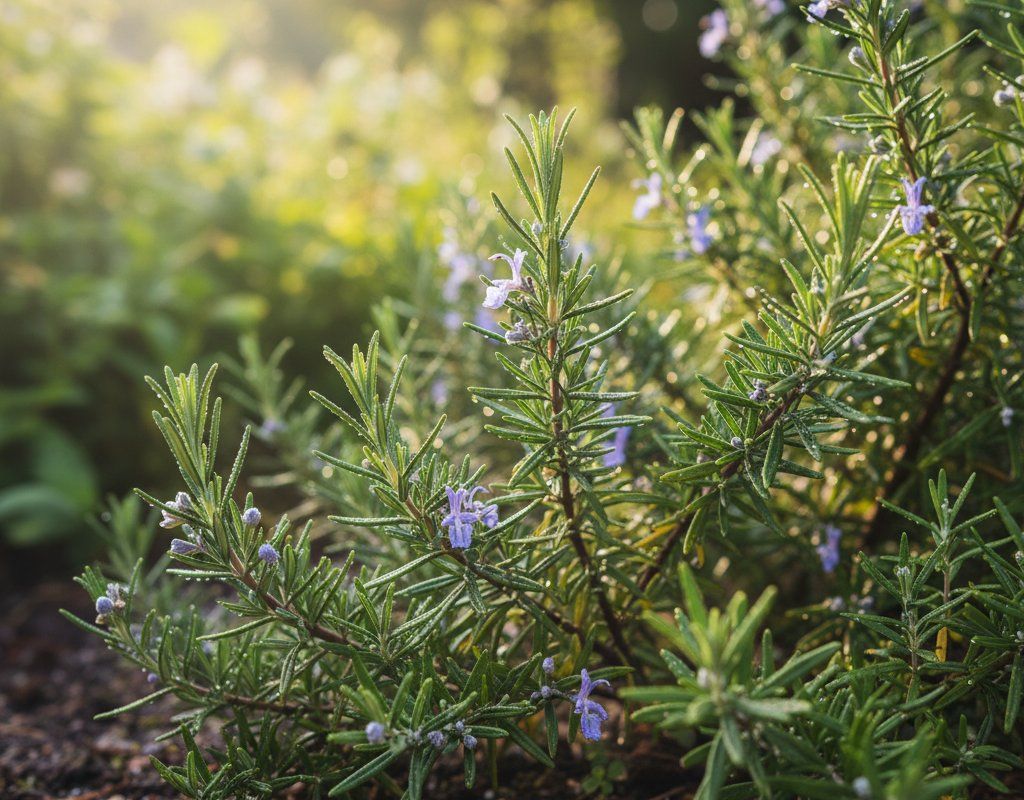
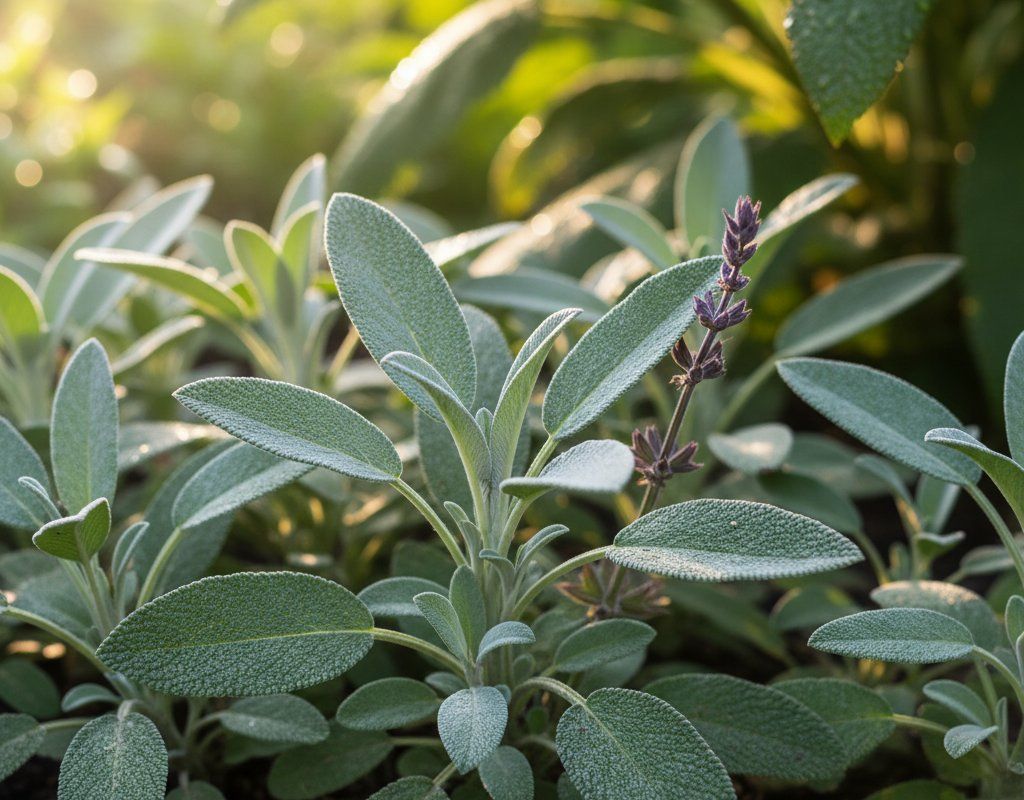
Companion planting can help your lavender thrive. Rosemary, thyme, and sage are all excellent companions because they prefer similar growing conditions – full sun and well-drained soil. They also attract beneficial insects that can help control pests. Roses also make good companions, as they appreciate similar soil conditions and can benefit from lavender's pest-repelling properties.
Avoid planting lavender near mint. Mint is a vigorous grower that can quickly outcompete lavender for resources. It also prefers moist soil, which is the opposite of what lavender needs.
🥬Best Vegetables to Pair With Lavender
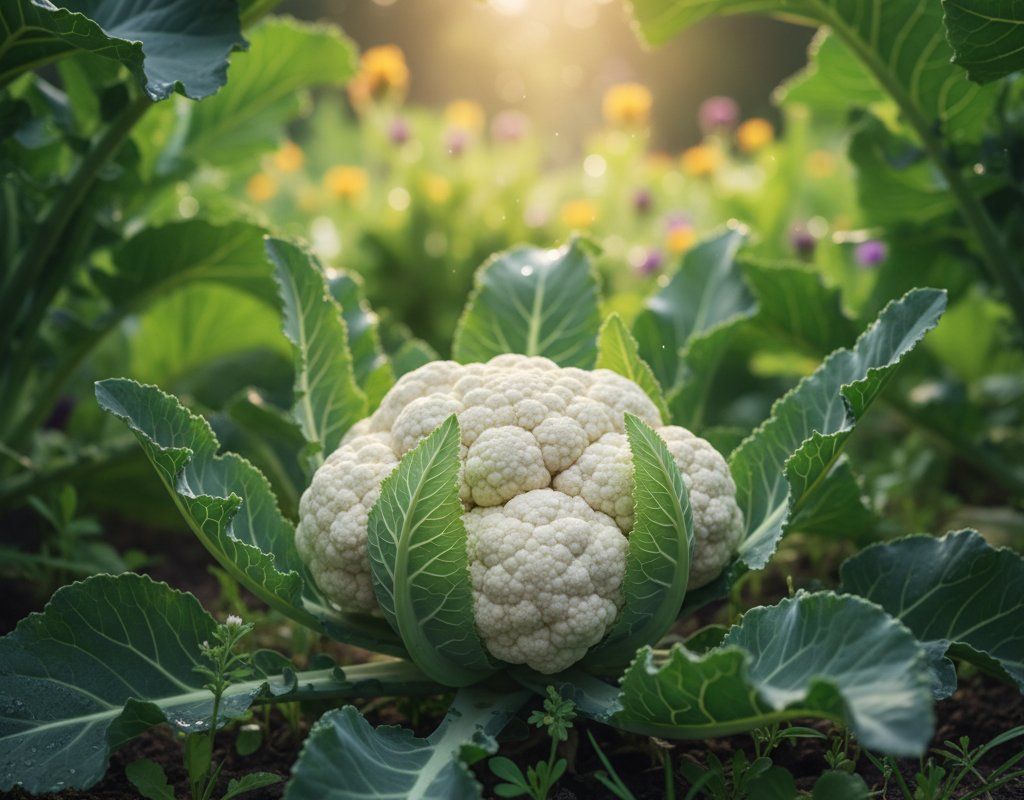
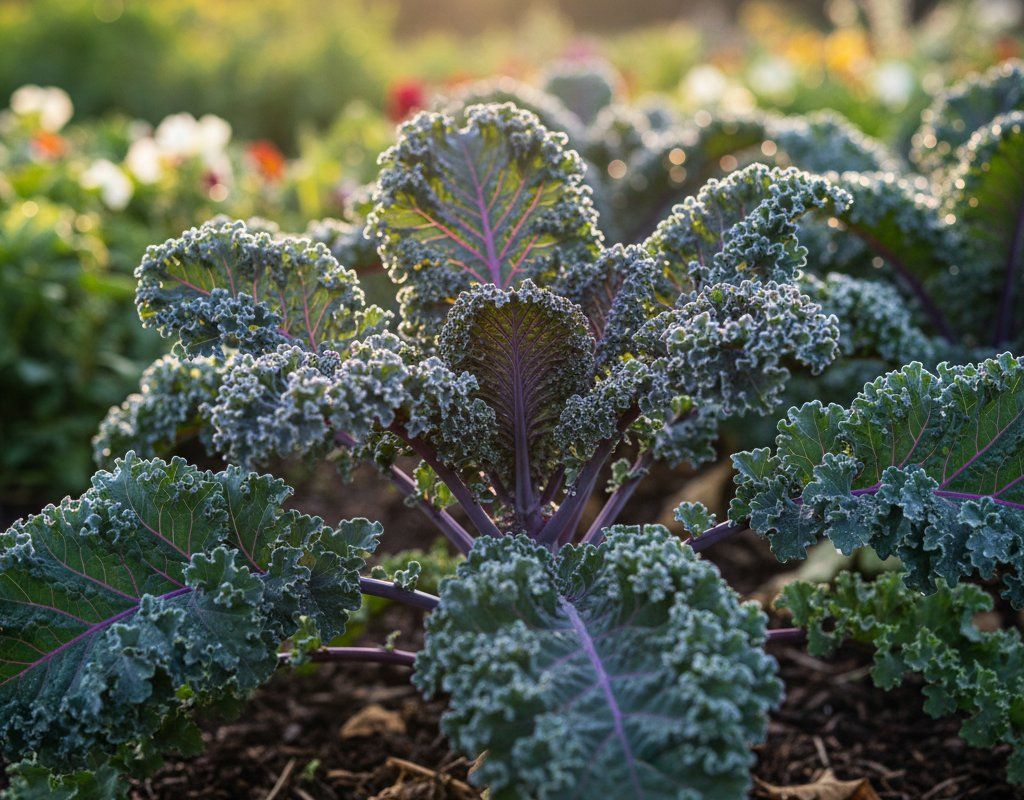
Lavender benefits these vegetables through pest control, pollinator attraction, or improved garden health.





Get a Reminder When It's Time to Plant
We'll email you when key planting windows open for your zone.