
Lettuce in Zone 8B — Gulf Coast
Lactuca sativa · Your Complete 2026 Planting Guide
Time to Buy Starts!
Seed starting window passed, but starts are available now.
Buy Starts Now
Head to your local nursery, Home Depot, or farmers market for transplants.
- Look for stocky plants with dark green leaves
- Avoid leggy seedlings or plants already flowering
- Check that roots aren't circling the pot (rootbound)
How to Plant Lettuce in Zone 8B — Gulf Coast
Here are all your options for getting lettuce in the ground, from the easiest method to more advanced approaches.
Direct Sow Seeds
RecommendedLate January through early October
around January 23
Consider succession planting every 2-3 weeks for continuous harvest.
Lettuce germinates easily in cool soil. Succession sow every 2-3 weeks.
Start Seeds Indoors
RecommendedEarly to late January
around January 9
Then transplant: Early February through mid March
Start seeds 4-6 weeks before transplanting outdoors.
Starting indoors gives you an earlier harvest.
Buy Starts
Works WellEarly February through mid March
around February 6
Plant purchased starts after last frost (February 20).
Lettuce starts are inexpensive and widely available.
Transplant Outdoors
Timing InfoEarly February through mid March
around February 6
Can tolerate light frost, but wait for soil to be workable.
You have a nice window — no need to rush.
Fall Planting
Early October through early November
October 20 ideal · Direct sow for fall harvest
Plant a second crop in mid-summer for fall harvest. Lettuce actually prefers the cooling temperatures of fall.
Overview
Growing lettuce in our Gulf Coast Zone 8B climate offers the luxury of fresh, crisp greens for most of the year – something our northern gardening friends can only dream about. With our 284-day growing season, you can harvest tender leaves from early March through early December, enjoying varieties that would struggle in regions with shorter, more intense seasons. The mild winters here are perfect for cool-season crops like lettuce, while our early springs give you a head start on summer harvests.
Yes, our high humidity and intense summer heat create challenges, but proper timing makes lettuce completely manageable in the Gulf Coast. The key is working with our climate patterns – planting during our extended cool periods and taking advantage of our fall growing window when the humidity finally breaks and conditions become ideal again.
Starting Seeds Indoors
Starting lettuce seeds indoors makes sense if you want the earliest possible harvest or need perfect germination control. Start seeds early to late January, about 4 weeks before you plan to transplant outdoors. Use seed trays with quality potting mix, keep soil consistently moist through bottom watering, and provide bright light once seedlings emerge.
Our early spring weather patterns make indoor starting less critical than in colder zones, but it gives you more variety options since nurseries typically stock limited lettuce varieties. The controlled environment also helps you avoid the temperature swings that can affect direct-sown seeds during late winter warm spells.
Keep seedlings in a cool location – around 60-65°F is ideal. Too much heat indoors will cause them to stretch and weaken before you can get them outside.
Transplanting Outdoors
Transplant your indoor-started lettuce seedlings from early February through mid-March, timing it with our typically mild late winter weather. Harden off seedlings gradually over a week, starting with 2-3 hours outdoors in a protected spot and gradually increasing exposure. This prevents transplant shock that weakens plants.
Space transplants 6-12 inches apart depending on variety – leaf lettuce needs less room than head types. Our early spring weather can be unpredictable with occasional cold snaps, so keep row cover handy for protection during unexpected temperature drops below 40°F.
The advantage of transplants is getting established plants that can better handle our variable spring weather. Nursery starts are widely available and inexpensive here, making this often the most practical approach for Gulf Coast gardeners.
Direct Sowing
Direct sowing works well in our climate from late January through early October, taking advantage of our long growing season. Prepare soil by working in compost – lettuce prefers loose, well-draining soil that won't become waterlogged during our frequent afternoon storms. Seeds germinate easily in cool soil, even as low as 35°F.
Sow seeds ¼ inch deep and space final plants 6-12 inches apart. Thin seedlings when they're 2-3 inches tall – don't skip this step or you'll get weak, crowded plants that bolt quickly. The thinnings make excellent microgreens for salads.
Succession plant every 2-3 weeks for continuous harvests, but stop sowing from mid-April through late August when our heat becomes too intense. Resume fall plantings in early September when temperatures start moderating, giving you fresh lettuce through our mild autumn and winter months.
Watering Lettuce in Zone 8B (Gulf Coast)
Lettuce has shallow roots that dry out quickly, especially important to remember in our Gulf Coast heat and humidity. Keep soil consistently moist but not waterlogged – the finger test works well here. Stick your finger 2 inches into the soil; if it's dry, it's time to water. During our hot months, this might mean daily watering, while cooler periods may only need watering every 2-3 days.
Provide about 1-1.5 inches of water weekly, including rainfall. With our 50-65 inches of annual rainfall, you'll often get natural irrigation, but our intense heat waves can quickly stress plants between storms. Water at the base of plants rather than overhead – our very high humidity already creates perfect conditions for fungal diseases, and wet leaves make it worse.
Watch for signs of stress: wilting in morning hours (not just afternoon heat stress) indicates underwatering, while yellowing lower leaves often signals overwatering or poor drainage. During our wettest periods, ensure good drainage to prevent root rot, which can be a bigger problem than drought stress in the Gulf Coast.
Apply a light mulch layer around plants to retain moisture and keep soil temperatures cooler during our brutal summer heat. This also reduces the frequency of watering needed and helps prevent soil from drying out too quickly between our afternoon thunderstorms.
🧪Fertilizing Lettuce
Feeding Schedule
Organic Fertilizer Options
Harvest Time
Expect your first lettuce harvest in early March if you started early, with continuous harvests possible through early December before our first frost typically arrives. Most varieties mature in about 45 days from seed, but you can start harvesting baby leaves much earlier – usually within 3-4 weeks of planting.
For leaf lettuce, harvest outer leaves when they reach 4-6 inches long, leaving the center growing point intact for continued production. Head lettuce is ready when heads feel firm and fully formed. Always harvest before plants bolt – watch for the tall center stalk that signals the end of good eating quality and the beginning of bitter, tough leaves.
During our intense summer heat, lettuce may bolt quickly once temperatures consistently stay above 80°F. Plan your spring plantings to finish harvesting by late May, then resume with fall plantings in early September. The fall growing window often produces the best lettuce here, with cooler temperatures and lower humidity creating ideal conditions.
As early December approaches and frost threatens, harvest entire plants or cover with row fabric for protection. Our mild winters often allow harvest to continue well into December with minimal protection.
Common Problems in Zone 8B (Gulf Coast)
Bolting appears as a tall flower stalk shooting up from the center of the plant, with leaves becoming bitter and tough. Our Gulf Coast heat and long summer days trigger this premature flowering, shifting the plant's energy from leaf production to seed production. Combat bolting by timing plantings for cooler weather, providing afternoon shade during warm spells, and maintaining consistent soil moisture. Choose bolt-resistant varieties and succession plant every few weeks rather than trying to grow lettuce through our hottest months.
Aphids show up as clusters of tiny green, black, or white insects on stems and leaf undersides, leaving sticky honeydew residue and causing curled, distorted growth. These sap-sucking pests reproduce rapidly in warm weather and thrive in our humid conditions. Knock them off with strong water sprays, encourage natural predators like ladybugs, and use insecticidal soap for heavy infestations. Avoid high-nitrogen fertilizers that attract aphids.
Slugs create irregular holes in leaves and leave silvery slime trails, with damage worst during our frequent wet periods and humid nights. They hide under mulch and debris during hot days, emerging to feed at night. Set beer traps, use iron phosphate bait, remove hiding spots, and water in the morning so soil surfaces dry by evening. Our year-round mild temperatures mean slug problems persist longer than in colder climates.
Tip burn causes brown, dried edges on inner lettuce leaves, resembling calcium deficiency but actually caused by inconsistent watering patterns. This problem worsens during our heat waves when plants struggle with water uptake. Maintain consistent soil moisture, avoid ammonium-heavy fertilizers, ensure adequate soil calcium, and provide shade during extreme heat. Choose resistant varieties for summer growing.
Gulf Coast Specific Challenges: Our extreme humidity creates perfect conditions for fungal diseases, making proper spacing and air circulation critical. Summer heat stress is intense and prolonged, requiring careful timing and possibly shade structures. Hurricane season can destroy plantings, making succession planting essential for continuous harvests.
Best Companions for Lettuce
Plant these nearby for healthier Lettuce and better harvests.
View Full Companion Planting Chart →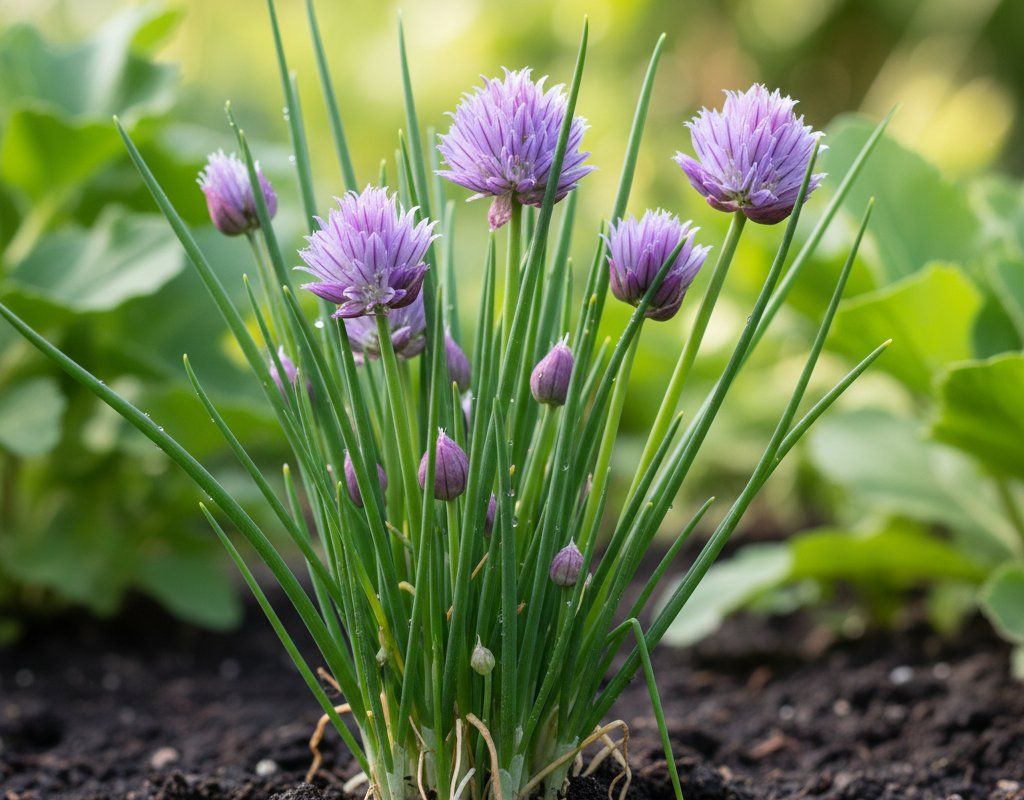


Companion Planting Details
Plant lettuce alongside carrots – their deep taproots break up soil while lettuce's shallow roots don't compete, and carrots mature slowly while you harvest lettuce leaves continuously. Radishes make excellent companions because they mature quickly and help break up heavy Gulf Coast clay soils. Strawberries provide natural ground cover that conserves moisture during our heat waves, while chives repel aphids with their pungent scent and provide another harvest from the same space.
Avoid planting lettuce near celery and parsley – both have similar shallow root systems that compete for nutrients and water in our sandy soils. These plants also attract similar pests and have comparable water needs, making disease problems spread more easily in our high-humidity environment. Keep these crops separated by at least 3 feet or plant in different seasons to prevent competition.
🌸Best Flowers to Plant with Lettuce
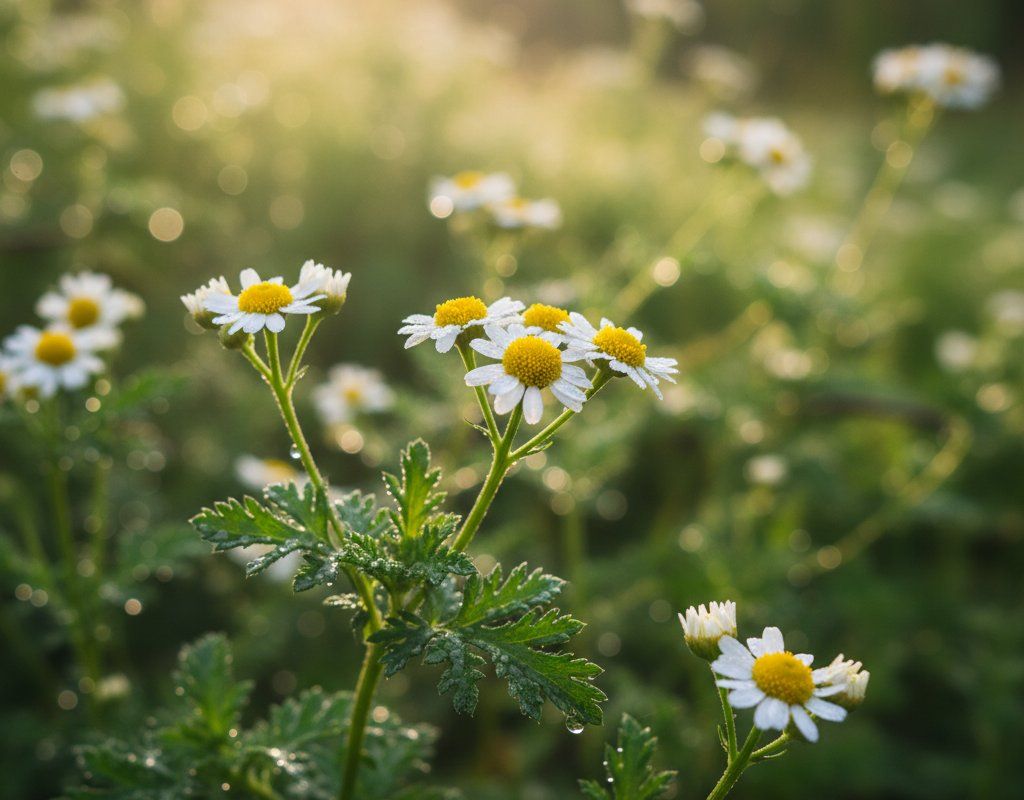
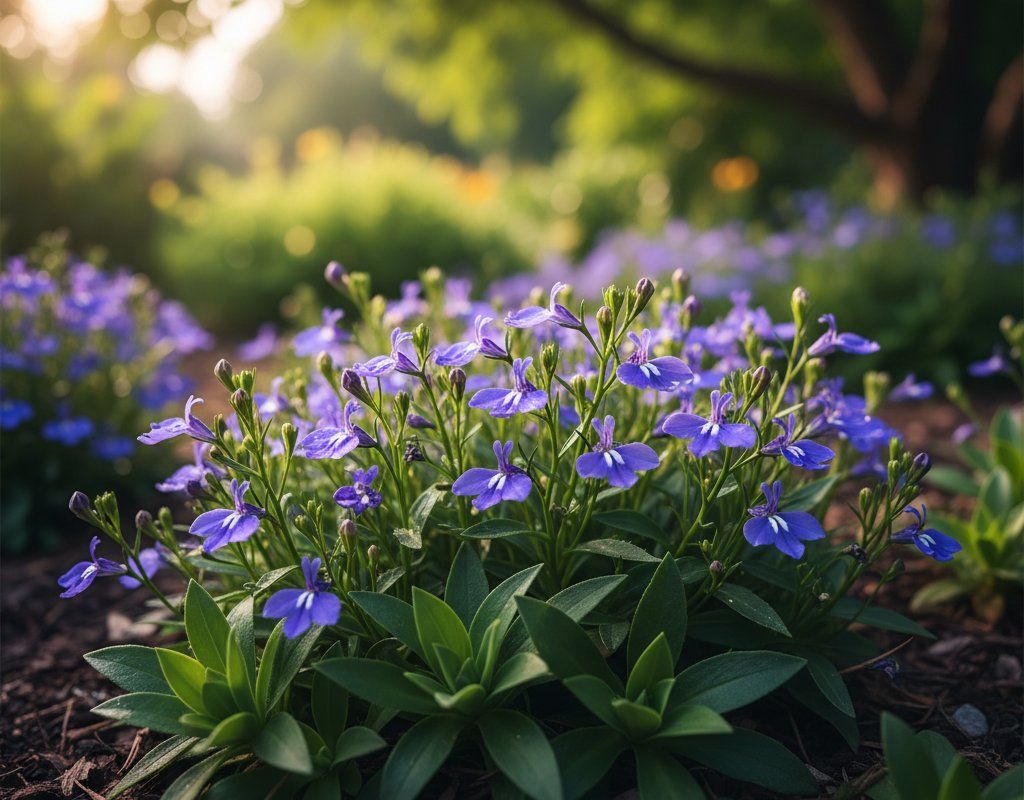
These flowers protect your Lettuce from pests and attract pollinators for better harvests.
For Pest Control




Get a Reminder When It's Time to Plant
We'll email you when key planting windows open for your zone.