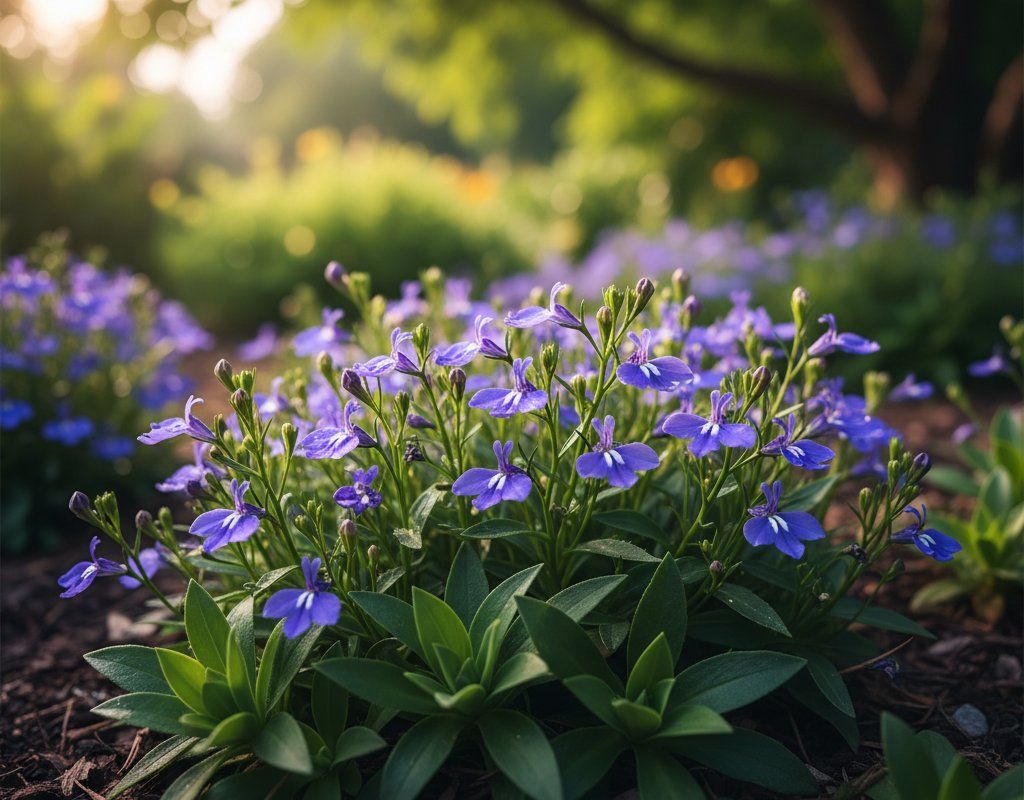
Lobelia in Zone 8A — Texas
Lobelia erinus · Your Complete 2026 Planting Guide
Missed Seed Starting? No Problem!
Wait for starts to become available.
What to Do
Starts will be available at nurseries in 15 days (around March 19).
How to Plant Lobelia in Zone 8A — Texas
Here are all your options for getting lobelia in the ground, from the easiest method to more advanced approaches.
Buy Starts
RecommendedMid March through mid April
around March 19
Plant purchased starts after last frost (March 5).
Tiny seeds, very slow growth. Buy starts.
Start Seeds Indoors
Works WellEarly to late January
around January 8
Then transplant: Mid March through mid April
Start seeds 10-12 weeks before transplanting outdoors.
Direct Sow Seeds
ChallengingDirect sowing is not typical for Lobelia.
Transplant Outdoors
Timing InfoMid March through mid April
around March 19
Wait until nighttime temperatures stay above 50°F.
You have a nice window — no need to rush.
Overview
Lobelia is a fantastic choice for adding a splash of vibrant blue to your Texas garden. The masses of tiny flowers are visually stunning, perfect for borders, containers, or spilling out of hanging baskets. Their cool color provides a welcome contrast to the often-fiery hues of our Texas heat-tolerant blooms, and they'll thrive during our two tomato seasons.
Growing Lobelia in Texas does come with its challenges, especially with our unpredictable weather and extreme heat. But with careful timing and attention to their needs, you can enjoy these beauties throughout our long, 260-day growing season. We'll help you navigate our specific climate realities.
Starting Seeds Indoors
Starting Lobelia indoors is a bit of a commitment, given their tiny seeds and slow initial growth. Honestly, for most Texas gardeners, buying established starts from a local nursery is often the easiest route. However, if you're eager to start from seed, begin in early to late January.
Use seed trays with a fine-grained seed starting mix. Gently press the seeds onto the surface – they need light to germinate. Keep the soil consistently moist, and bottom watering can be especially helpful to avoid disturbing the tiny seeds. Provide warmth and plenty of light, especially considering our early springs can still bring some chilly weather.
Transplanting Outdoors
Transplant your Lobelia seedlings outdoors from mid March through mid April, after the threat of a late freeze has passed. Before planting, harden them off by gradually exposing them to outdoor conditions for about a week.
Space them 4-6 inches apart in well-draining soil. Keep in mind that while we're past the average last frost date, Texas weather can still surprise us with a cold snap during this period, so be prepared to cover your young plants if necessary. Given the tiny seeds, very slow growth is expected, which is why buying starts is recommended.
Watering Lobelia in Zone 8A (Texas)
Lobelia needs consistent moisture, which can be tricky in our Texas climate. They are definitely not drought-tolerant and will suffer quickly if allowed to dry out. The Texas heat can be brutal, and unpredictable rainfall means you can't rely on Mother Nature alone.
During the spring and fall, when temperatures are milder, check the soil moisture regularly. Stick your finger about 2 inches deep; if it feels dry, it's time to water. Aim for about 1 inch of water per week, either from rainfall or irrigation. In the heat of summer, you may need to water more frequently, even daily, especially if they're in containers. Water at the base of the plant to avoid getting the foliage too wet, as our variable humidity can sometimes promote fungal diseases.
Signs of underwatering include wilting leaves and dry, crispy edges. Overwatering can lead to yellowing leaves and potentially root rot. A layer of mulch around the plants helps to retain moisture and regulate soil temperature, which is especially helpful during the hot summer months. Just be sure to keep the mulch away from the stems to prevent rot.
Pruning & Maintaining Lobelia
Lobelia requires minimal pruning, but a little attention can keep them looking their best throughout the growing season. The main thing to remember is to shear them back when flowering slows down in midsummer.
Simply cut back the entire plant by about half. This encourages fresh growth and a new flush of flowers as the weather cools down in the fall. As the first frost approaches around mid- November, you can leave the plants in place. They likely won't survive our winter, but you can collect seeds if you wish, or simply remove the dead plants to prepare the bed for your fall garden.
🧪Fertilizing Lobelia
Feeding Schedule
Organic Fertilizer Options
Harvest Time
Lobelia is grown for its ornamental value, so there's no actual "harvest" of fruit or vegetables. Instead, you "harvest" the beauty of their masses of tiny blue flowers. These plants will start blooming in late May through mid July, about 65 days after starting from seed (or planting starts).
The peak bloom time is when the plants are covered in flowers, providing a stunning display in your garden. To encourage continued production, deadhead spent flowers regularly. This prevents the plant from putting energy into seed production and encourages more blooms.
As the first frost approaches in mid- November, you can enjoy the last of the blooms. After a freeze, the plants will likely die back, signaling the end of their season.
Common Problems in Zone 8A (Texas)
Lobelia can face a few challenges in Texas gardens, but with a little knowledge, you can keep them thriving.
Dies Back in Extreme Heat
- What it looks like: The plant wilts, leaves turn brown and crispy, and overall growth slows dramatically or stops.
- What causes it: The Texas heat, especially during the peak of summer, can be too intense for Lobelia. High temperatures combined with dry conditions stress the plant.
- How to fix/prevent it: Provide afternoon shade to protect the plants from the hottest sun. Water deeply and regularly, especially during dry spells. Mulch around the base of the plant to help retain moisture. In extreme cases, consider moving container plants to a cooler location temporarily.
Damping Off From Overwatering
- What it looks like: Seedlings or young plants suddenly collapse and die. Stems may appear thin and water-soaked at the base.
- What causes it: Overwatering creates a damp environment that encourages fungal growth. This is especially problematic in humid conditions.
- How to fix/prevent it: Use a well-draining seed starting mix. Water seedlings sparingly, allowing the soil surface to dry out slightly between waterings. Ensure good air circulation around the plants. Bottom watering can help prevent damping off.
Slugs
- What it looks like: Irregular holes in leaves, especially low-growing plants. Silvery slime trails on leaves and soil. Damage worse at night and in wet weather.
- What causes it: Gastropods that feed at night in moist conditions. Hide under mulch, boards, and debris during the day.
- How to fix/prevent it: Beer traps (shallow dish of beer sunk into soil). Iron phosphate bait (pet-safe). Remove hiding spots. Water in morning so soil surface dries by evening. Copper tape around beds. Diatomaceous earth around plants. Fire ants can also help control slugs.
Texas Specific Challenges: Lobelia's biggest challenge in Texas is undoubtedly the hot-to-extreme heat combined with our variable humidity and unpredictable rainfall. These conditions can quickly stress the plants, making them susceptible to heat stress and fungal diseases. Careful attention to watering, providing shade, and ensuring good air circulation are essential for success.
Best Companions for Lobelia
Plant these nearby for healthier Lobelia and better harvests.
View Full Companion Planting Chart →


Companion Planting Details
Lobelia makes a lovely companion plant in the Texas garden, especially when paired with plants that appreciate similar conditions.
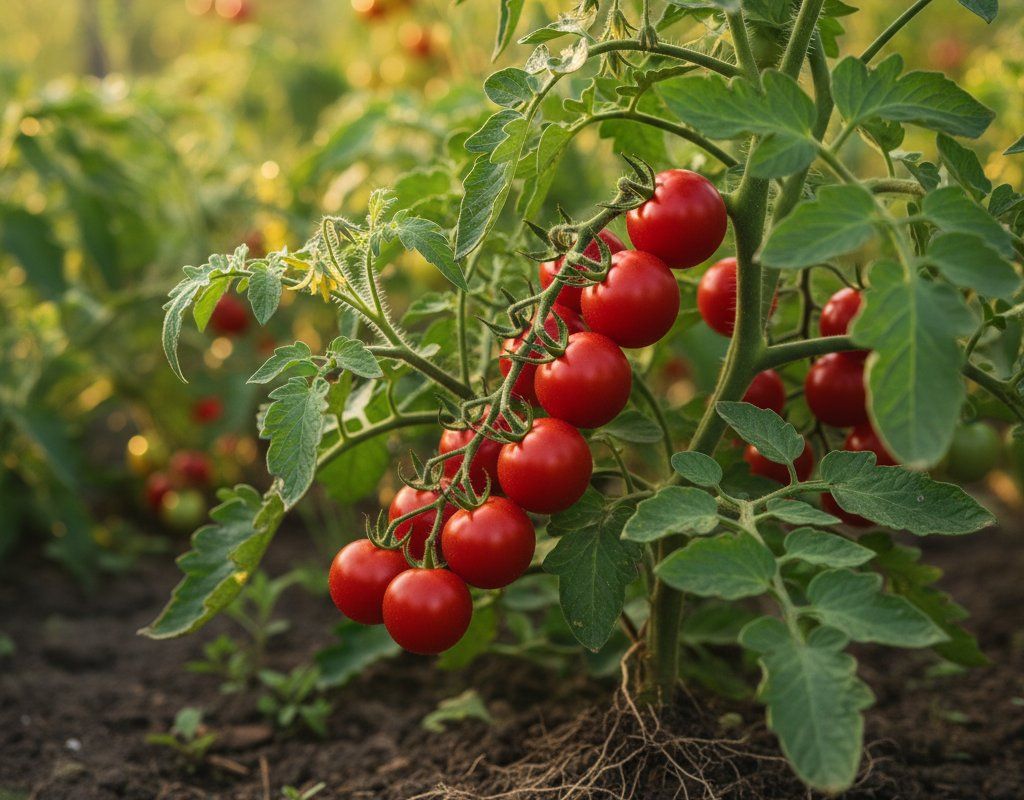
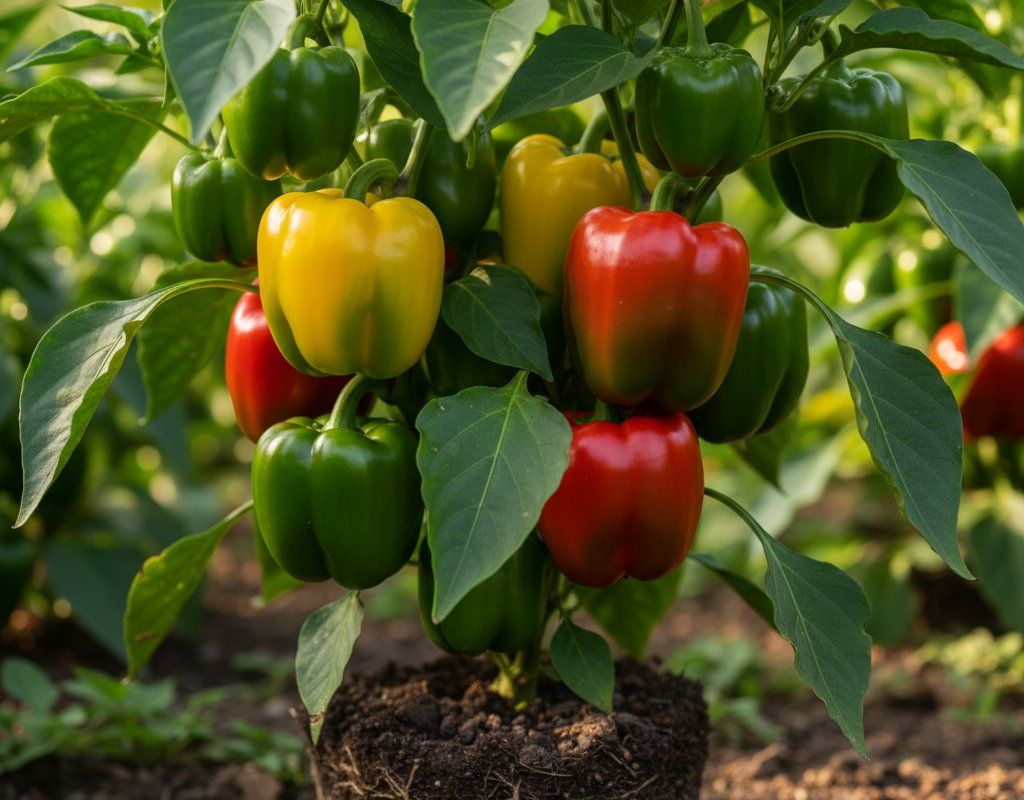
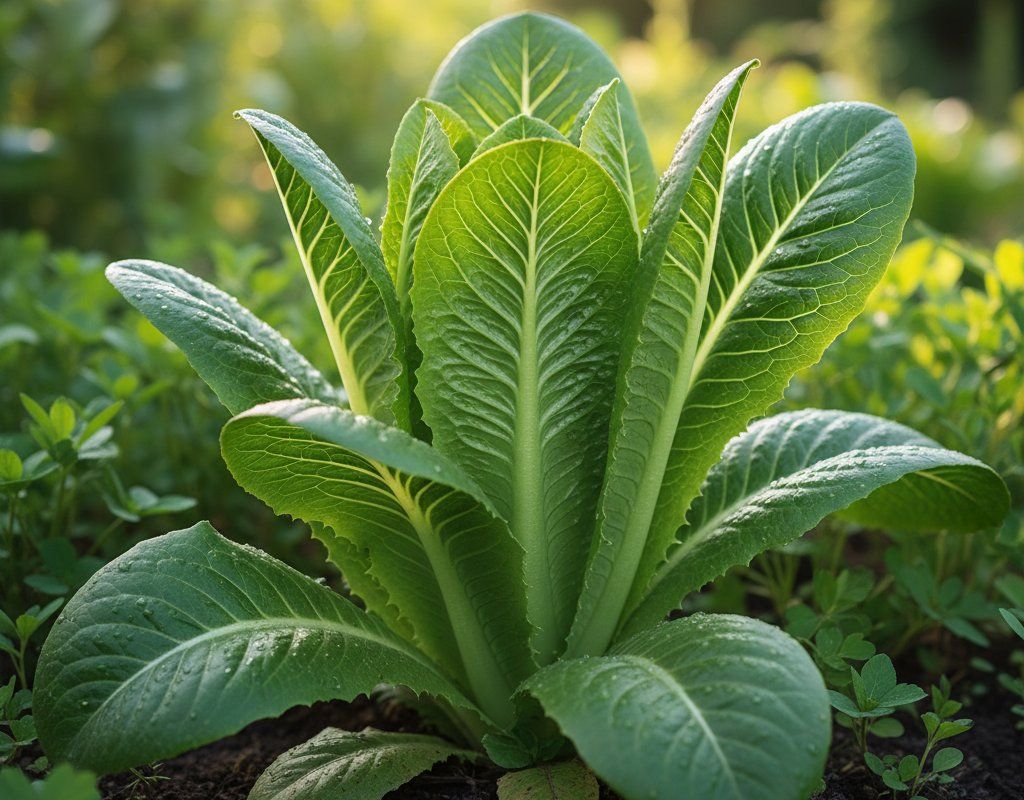
Good companions include tomatoes and peppers. Lobelia can help attract pollinators to your tomato and pepper plants, increasing fruit set. Plus, its spreading habit can help shade the soil, keeping the roots of your veggies cooler during the Texas heat. Lettuce also pairs well with Lobelia. The Lobelia can provide some shade for the lettuce, preventing it from bolting prematurely in the warmer months.
Avoid planting Lobelia near plants that prefer very dry conditions, as their need for consistent moisture could create an unsuitable environment for drought-tolerant species.
🥬Best Vegetables to Pair With Lobelia
Lobelia benefits these vegetables through pest control, pollinator attraction, or improved garden health.

Get a Reminder When It's Time to Plant
We'll email you when key planting windows open for your zone.