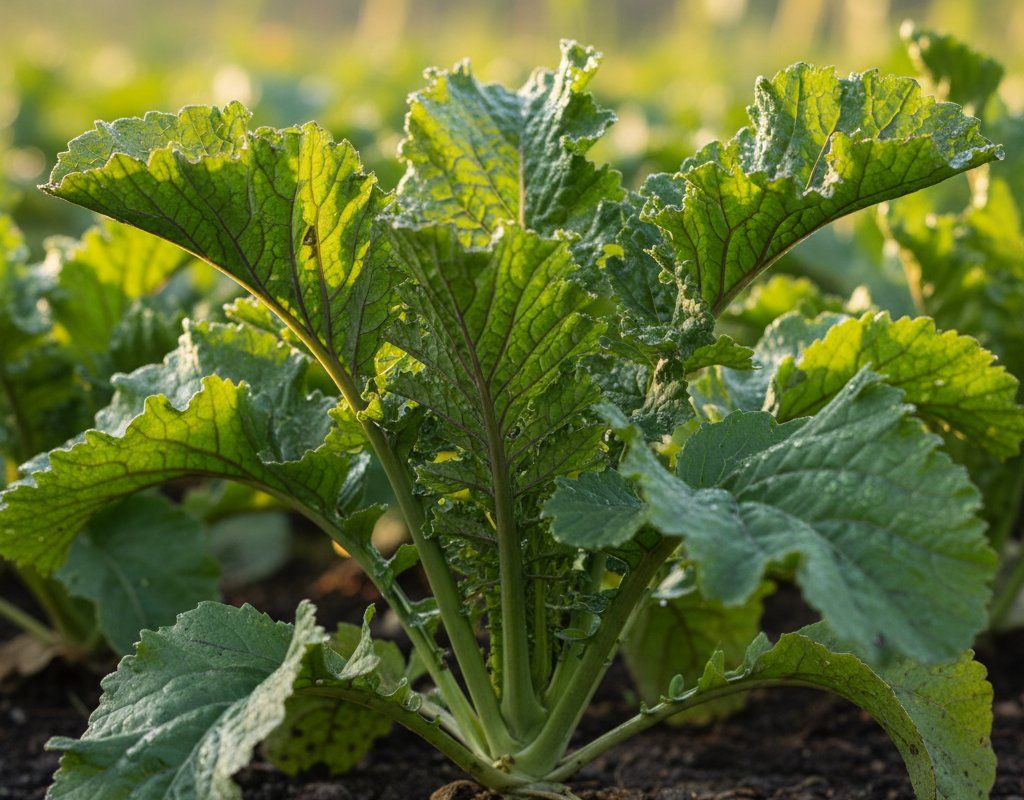
Mustard Greens in Zone 7A — Northern California
Brassica juncea · Your Complete 2026 Planting Guide
Missed Seed Starting? No Problem!
Wait for starts to become available.
What to Do
Starts will be available at nurseries in 2 days (around March 6).
How to Plant Mustard Greens in Zone 7A — Northern California
Here are all your options for getting mustard greens in the ground, from the easiest method to more advanced approaches.
Direct Sow Seeds
RecommendedMid February through mid September
around February 20
Consider succession planting every 2-3 weeks for continuous harvest.
Start Seeds Indoors
RecommendedEarly to late February
around February 13
Then transplant: Early March through mid April
Start seeds 3-5 weeks before transplanting outdoors.
Buy Starts
Works WellEarly March through mid April
around March 6
Plant purchased starts after last frost (March 20).
Transplant Outdoors
Timing InfoEarly March through mid April
around March 6
Can tolerate light frost, but wait for soil to be workable.
You have a nice window — no need to rush.
Fall Planting
Mid September through mid October
September 29 ideal · Direct sow for fall harvest
Plant a second crop in mid-summer for fall harvest. Mustard Greens actually prefers the cooling temperatures of fall.
Overview
Mustard greens are a fantastic addition to any Northern California garden. Their peppery bite adds a zing to salads, stir-fries, and soups, and they thrive in our Mediterranean climate with its long growing season. Plus, you can harvest them continuously for months!
While we face challenges like drought and increasingly hot summers, strategic planting times and water-wise gardening practices will keep your mustard greens happy and productive. Our 235-day growing season gives you plenty of opportunity to enjoy this versatile green.
Starting Seeds Indoors
Starting mustard greens indoors is definitely an option, though not essential, here in Northern California. It makes sense if you're aiming for a very early spring harvest or want a head start. Starting seeds indoors from early to late February gives you about 3 weeks to get them going before transplanting.
Use seed trays or small pots filled with seed-starting mix. Keep the soil consistently moist with bottom watering to avoid disturbing the delicate seedlings. A warm location and grow lights will help them germinate and grow strong before the early warmth of our spring arrives.
Transplanting Outdoors
Transplanting your mustard greens seedlings outdoors from early March through mid April allows them to establish before our summers get too intense. Before moving them outside, harden them off for about a week by gradually exposing them to outdoor conditions. This prevents transplant shock.
Space the seedlings 6-12 inches apart to give them room to grow. Keep an eye on the weather forecast; unseasonably cold snaps or late frosts can still happen in early spring, so be ready to cover your young plants if needed.
Direct Sowing
Direct sowing mustard greens is a simple and effective method, especially in our mild climate. You can sow seeds directly into the garden from mid February through mid September, staggering plantings for a continuous harvest. The main benefit is less handling of delicate seedlings.
Prepare the soil by loosening it and adding compost. Aim for a soil temperature of at least 45°F for good germination. Sow seeds about ½ inch deep and 6-12 inches apart. Thin seedlings as they grow to ensure proper spacing. Direct sowing avoids transplant shock but can make seedlings more vulnerable to pests.
Watering Mustard Greens in Zone 7A (Northern California)
Consistent watering is key to growing happy mustard greens in Northern California, especially during our dry summers. While they're not drought-tolerant, you can manage their water needs effectively. Remember that drought stress makes the leaves spicier and can trigger bolting, neither of which are ideal.
During the cooler spring and fall months, aim for about 1 inch of water per week, either from rainfall or irrigation. In the heat of summer, when temperatures are regularly in the 80s, increase watering to 1-2 inches per week. Use the finger test: if the soil feels dry 2 inches below the surface, it's time to water.
Water at the base of the plants to avoid wetting the leaves, which can encourage fungal diseases, though our low humidity makes this less of a concern. Signs of underwatering include wilting leaves and slow growth. Overwatering, on the other hand, can lead to yellowing leaves and root rot.
A layer of mulch, like straw or wood chips, helps retain soil moisture and suppress weeds, reducing the need for frequent watering. This is especially important during our dry summers and periods of water restrictions.
🧪Fertilizing Mustard Greens
Feeding Schedule
Organic Fertilizer Options
Harvest Time
You can expect your first harvest of mustard greens about 45 days after planting, meaning early April for spring plantings and mid November for fall plantings. The key is to harvest young leaves for a milder flavor. As the leaves mature, they become spicier.
Harvest individual leaves by snipping them off with scissors or pulling them gently from the base of the plant. This allows the plant to continue producing new leaves. Avoid harvesting more than a third of the plant at any one time to ensure continued production.
Keep harvesting regularly to prevent the plants from flowering, which signals the end of their productive life. As our first frost approaches in early November, harvest any remaining leaves to enjoy before the cold weather sets in. You can even cover the plants to extend the harvest a bit longer if the frost is light.
Common Problems in Zone 7A (Northern California)
Here are some common problems you might encounter with mustard greens in Northern California:
Flea Beetles
- What it looks like: Tiny round holes (shot-hole pattern) in leaves, especially on young seedlings. You might see small, dark beetles jumping when disturbed.
- What causes it: These small jumping beetles feed on the leaves, and they're most damaging to small, young plants. They love our dry spring conditions.
- How to fix/prevent it: Use row covers to protect seedlings during their vulnerable stage. Delay planting until plants are larger. You can also try a kaolin clay coating or neem oil spray. Interplanting with basil or catnip can also help deter them.
Aphids
- What it looks like: Clusters of tiny, soft-bodied insects (green, black, or white) on stems and leaf undersides. You might also see sticky honeydew residue and curled or distorted new growth.
- What causes it: These sap-sucking insects reproduce rapidly, especially in warm weather. Ant colonies may even "farm" them for their honeydew.
- How to fix/prevent it: A strong water spray can knock them off. Encourage ladybugs and lacewings, which are natural predators. Insecticidal soap works well for heavy infestations, and neem oil can be used systemically. Avoid excess nitrogen fertilizer, as it attracts them.
Cabbage Worms
- What it looks like: Smooth green caterpillars on brassica leaves. You'll see irregular holes chewed in the leaves and dark green droppings. White butterflies hovering around the plants are a telltale sign.
- What causes it: These are the larvae of white cabbage butterflies. They can have multiple generations per season in our warm climate.
- How to fix/prevent it: Bt spray is very effective. Floating row covers can prevent the butterflies from laying eggs. You can also handpick the caterpillars. Interplanting with aromatic herbs like thyme and sage can help deter them, and encourage parasitic wasps.
Bolting in Heat
- What it looks like: The plant sends up a flower stalk, and the leaves become tough and bitter. Overall harvest quality declines.
- What causes it: Mustard greens are a cool-season crop, and they bolt when temperatures rise. This is especially common during our summer heat waves.
- How to fix/prevent it: Time your plantings for cool weather (spring and fall). Choose bolt-resistant varieties. Provide shade during warm spells, and mulch to keep the soil cool. Harvest before bolting progresses too far.
Northern California Specific Challenges: Our moderate-to-hot summers, low humidity, and dry-summer rainfall patterns mean you need to be vigilant about watering and providing shade during the hottest parts of the day. Early heat waves can trigger bolting, so be prepared to protect your plants. Also, be aware of water restrictions and plan your garden accordingly.
Best Companions for Mustard Greens
Plant these nearby for healthier Mustard Greens and better harvests.




Keep Away From

Companion Planting Details
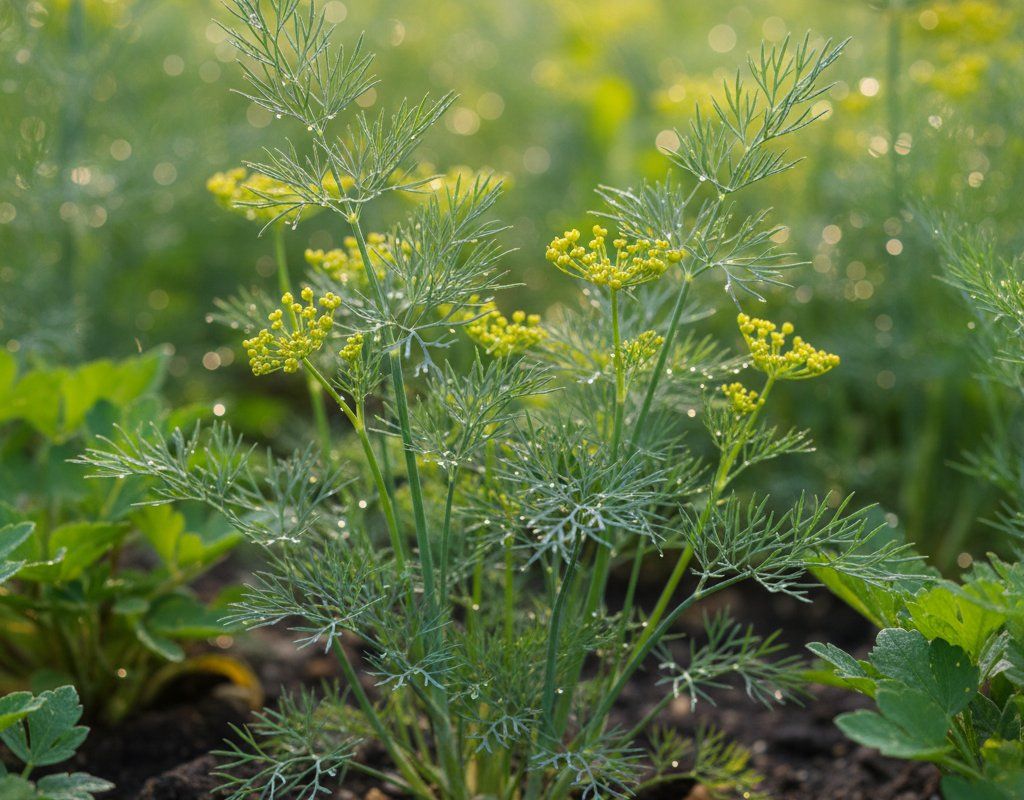
Companion planting can help your mustard greens thrive in Northern California. Onions and garlic are great companions because their pungent aroma deters pests like aphids and flea beetles. Beets are also beneficial, as they improve soil structure and nutrient availability. Dill attracts beneficial insects like ladybugs and lacewings, which prey on aphids. Lettuce provides ground cover, helping to retain moisture and suppress weeds.
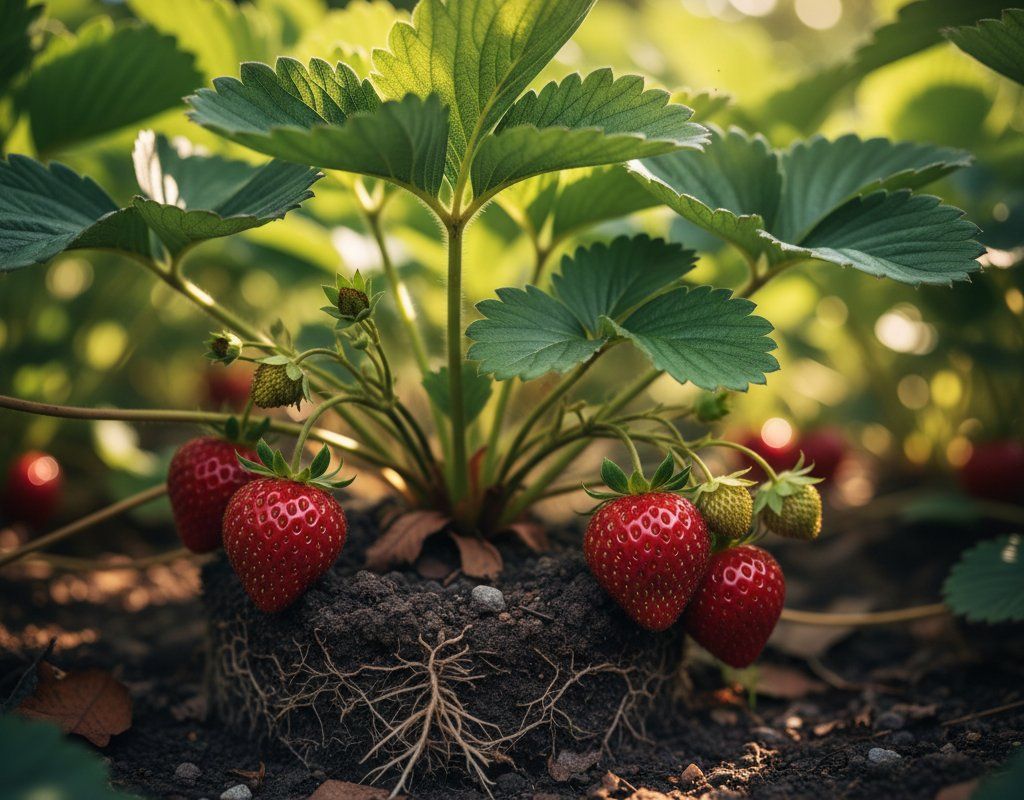
Avoid planting mustard greens near strawberries or tomatoes. Strawberries are susceptible to similar fungal diseases, which can spread to your mustard greens. Tomatoes can stunt the growth of mustard greens due to allelopathic compounds they release into the soil. By choosing the right companions, you can create a thriving and pest-resistant garden in our unique climate.
🌸Best Flowers to Plant with Mustard Greens
These flowers protect your Mustard Greens from pests and attract pollinators for better harvests.
For Pest Control



For Pollinators

Get a Reminder When It's Time to Plant
We'll email you when key planting windows open for your zone.