
Nasturtium in Zone 7A — Northeast
Tropaeolum majus · Your Complete 2026 Planting Guide
Planning Ahead — Great!
You’re ahead of the season. Here’s when to start.
Mark Your Calendar
How to Plant Nasturtium in Zone 7A — Northeast
Here are all your options for getting nasturtium in the ground, from the easiest method to more advanced approaches.
Direct Sow Seeds
RecommendedMid April through mid August
around April 17
Consider succession planting every 2-3 weeks for continuous harvest.
Nasturtiums resent transplanting. Direct sow after frost.
Buy Starts
Works WellMid April through mid May
around April 17
Plant purchased starts after last frost (April 10).
Start Seeds Indoors
Works WellMid March through early April
around March 20
Then transplant: Mid April through mid May
Start seeds 4-6 weeks before transplanting outdoors.
Transplant Outdoors
Timing InfoMid April through mid May
around April 17
Wait until nighttime temperatures stay above 50°F.
You have a nice window — no need to rush.
Overview
Nasturtiums are a fantastic addition to any Northeast garden. Their peppery leaves and bright flowers add a unique zest to salads and bring a burst of color to your garden beds. Plus, they're incredibly easy to grow, offering a high reward for minimal effort, even with our short growing season.
Our Northeast climate presents some unique challenges, like late spring frosts and the occasional early fall chill. But with a little planning, you can absolutely make the most of our roughly 198-day growing season and enjoy a bountiful harvest of Nasturtiums.
Starting Seeds Indoors
Starting Nasturtiums indoors in the Northeast is possible, but generally not necessary. These guys actually prefer to be direct-sown. However, if you're itching to get a head start due to our late spring, you can start seeds indoors mid-March through early April, about four weeks before you plan to transplant them.
Use seed trays with a good seed-starting mix. Keep them in a warm spot and provide plenty of light, either from a sunny window or a grow light. Bottom watering is a great way to keep the soil evenly moist without overdoing it – just set the tray in a shallow dish of water and let the soil soak it up. Remember, our springs are known for being late, so be patient!
Transplanting Outdoors
Transplanting Nasturtiums outdoors in the Northeast should happen mid-April through mid-May, once the danger of frost has passed. Before transplanting, be sure to harden off your seedlings. Give them about a week of gradual exposure to the outdoors, increasing the time they spend outside each day.
Plant them 10-12 inches apart in their final location. Keep an eye on the weather forecast – a late frost can still sneak in, so be ready to cover your seedlings if needed.
Direct Sowing
Direct sowing is the recommended method for growing Nasturtiums in the Northeast. They don't love having their roots disturbed. Wait until mid-April through mid-August to direct sow.
Choose a sunny spot with well-drained soil. Nasturtiums aren't picky; they'll even thrive in poor soil. Prepare the soil by loosening it and removing any large rocks – we all know about our rocky New England soil! Sow seeds 10-12 inches apart, about half an inch deep. Keep the soil consistently moist until the seedlings emerge.
Watering Nasturtium in Zone 7A (Northeast)
Nasturtiums are wonderfully low-maintenance when it comes to watering, which is great for Northeast gardeners. They actually thrive in slightly drier conditions and poor soil. Overwatering or over-fertilizing leads to more leaves and fewer flowers, so less is definitely more!
During the spring, with our typically even rainfall, you probably won't need to water much at all unless we're experiencing a particularly dry spell. In the moderate summer heat and moderate-to-humid conditions, check the soil moisture with the finger test. Stick your finger about two inches deep into the soil. If it feels dry, give them a good watering, aiming for about an inch of water per week. Water at the base of the plant to avoid getting the leaves too wet, especially with our moderate-to-humid air.
Signs of underwatering include wilting leaves and dry soil. Overwatering can cause yellowing leaves and potentially root rot. A light layer of mulch, like straw or shredded leaves, can help retain moisture in the soil without making it overly wet.
🧪Fertilizing Nasturtium
Feeding Schedule
Organic Fertilizer Options
Harvest Time
You can expect your first Nasturtium harvest in the Northeast around mid-June, roughly 55 days after planting, and continue harvesting through late October. The flowers, leaves, and seed pods are all edible, so there's plenty to enjoy!
Harvest the flowers when they're fully open for the best flavor and visual appeal. To harvest, simply snip the stem just below the flower or leaf. Regularly harvesting encourages the plant to produce more blooms. As late October approaches and our first frost threatens, harvest any remaining flowers and seed pods to enjoy before the cold weather sets in. The seed pods can be pickled for a caper-like treat!
Common Problems in Zone 7A (Northeast)
Here are a few common problems you might encounter with Nasturtiums in the Northeast:
Aphids (intentional trap crop)
- What it looks like: Clusters of tiny green, black, or brown bugs on the stems and undersides of leaves. Leaves may be distorted or sticky.
- What causes it: Aphids are attracted to Nasturtiums, which makes them a great trap crop, drawing aphids away from your other veggies. Our moderate-to-humid conditions can also contribute to aphid infestations.
- How to fix/prevent it: Regularly inspect your plants. A strong blast of water from the hose can dislodge aphids. You can also introduce beneficial insects like ladybugs. Because Nasturtiums are intentionally used as a trap crop, you're likely to see them on this plant.
Cabbage Caterpillars
- What it looks like: Holes in the leaves, often with green or brown caterpillars present. You might also see small white butterflies (cabbage whites) fluttering around your plants.
- What causes it: Cabbage white butterflies lay their eggs on the leaves, which hatch into hungry caterpillars.
- How to fix/prevent it: Handpick caterpillars off the plants. Cover plants with netting to prevent butterflies from laying eggs.
Black Fly
- What it looks like: Small, black flying insects clustered around new growth. Leaves may be sticky or distorted.
- What causes it: Black fly, also known as black aphids, thrive in warm, humid conditions.
- How to fix/prevent it: Similar to aphids, a strong spray of water can dislodge them. Encourage beneficial insects like lacewings.
Northeast Specific Challenges: Our even rainfall and moderate humidity can sometimes increase the risk of fungal diseases if the plants are overcrowded and air circulation is poor. Make sure to space plants adequately and avoid overhead watering whenever possible.
Best Companions for Nasturtium
Plant these nearby for healthier Nasturtium and better harvests.
View Full Companion Planting Chart →



Companion Planting Details
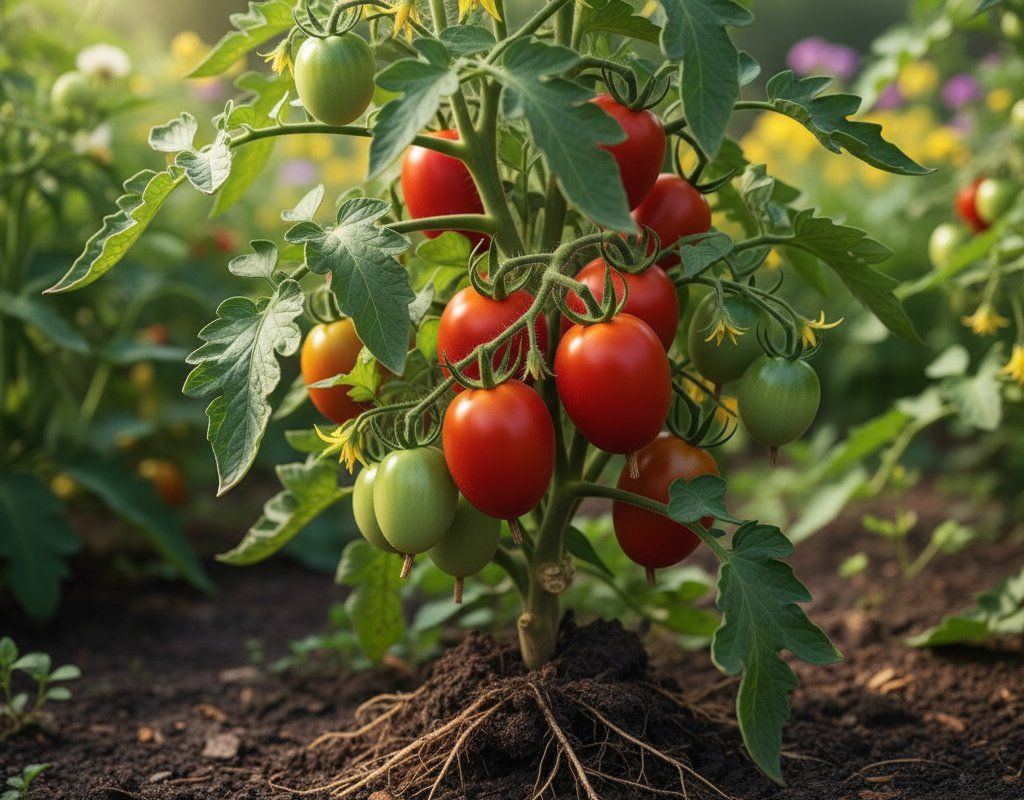
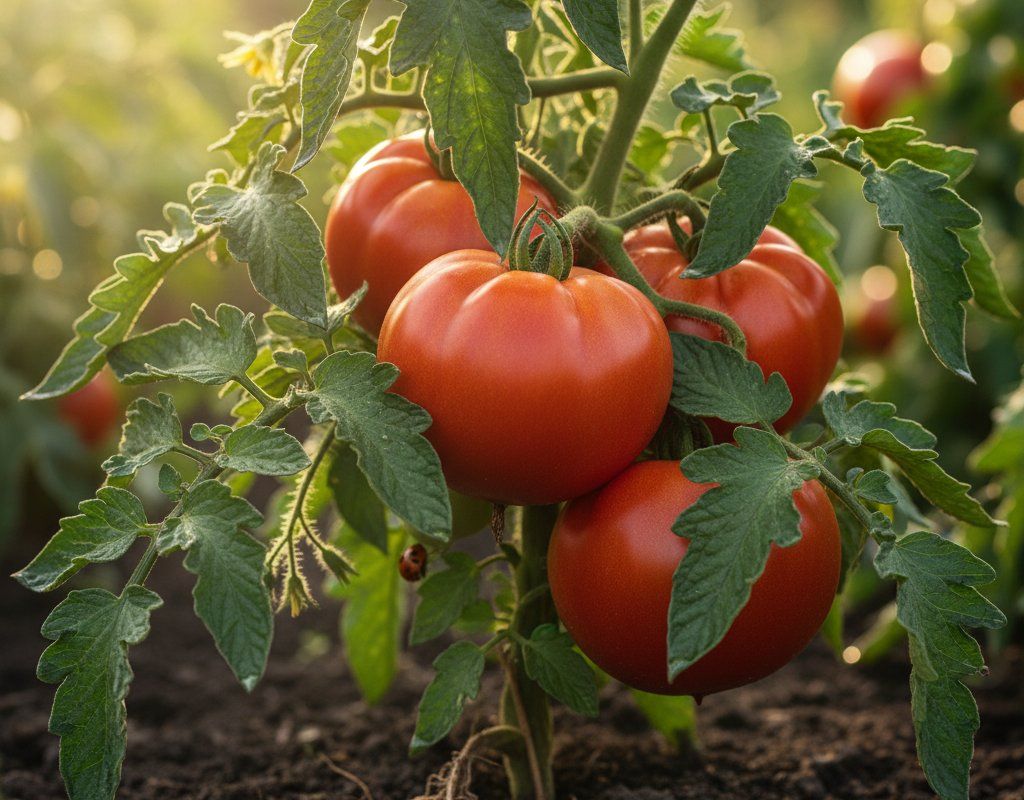
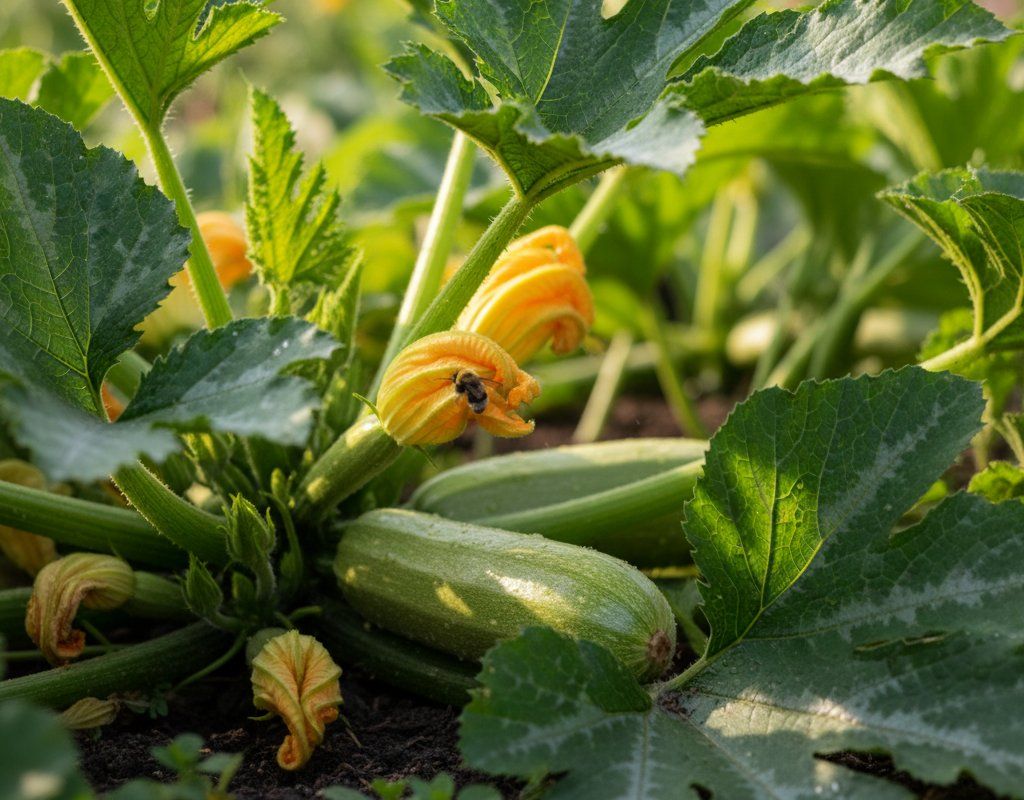
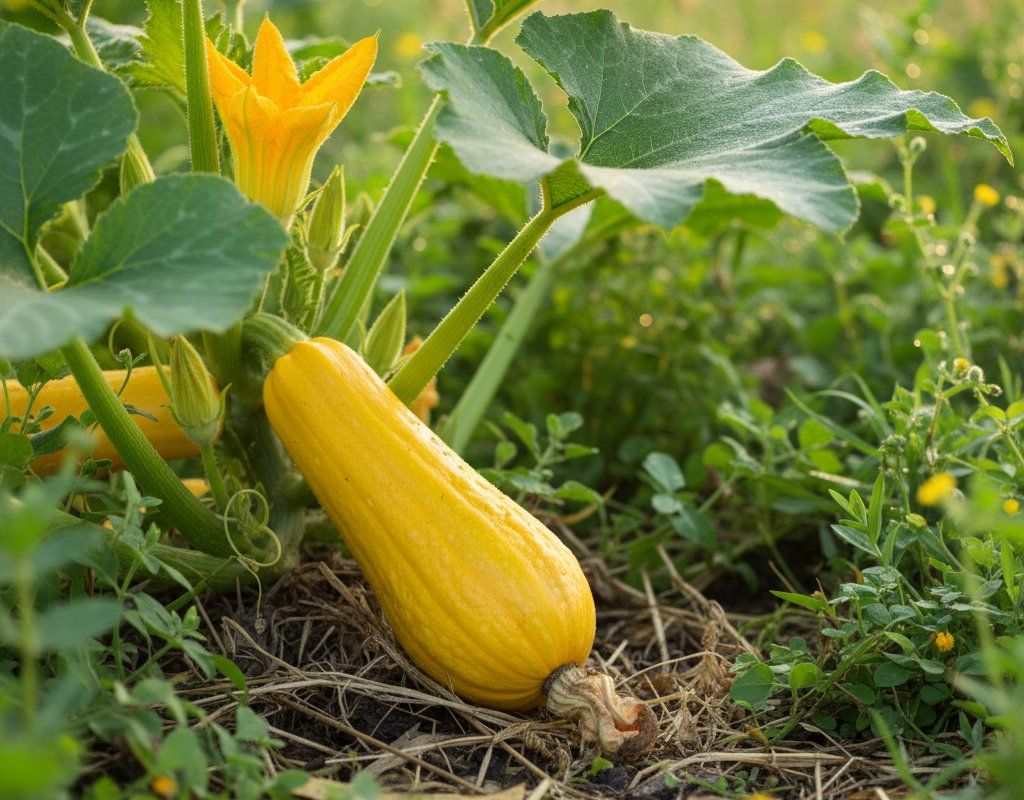
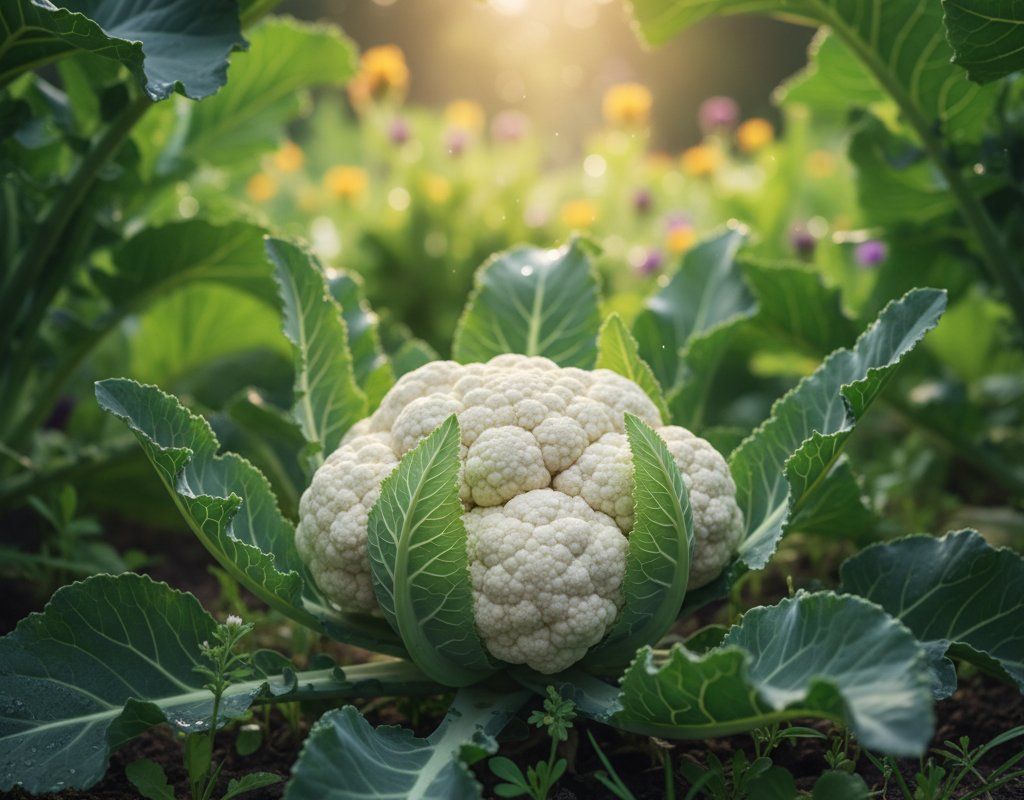
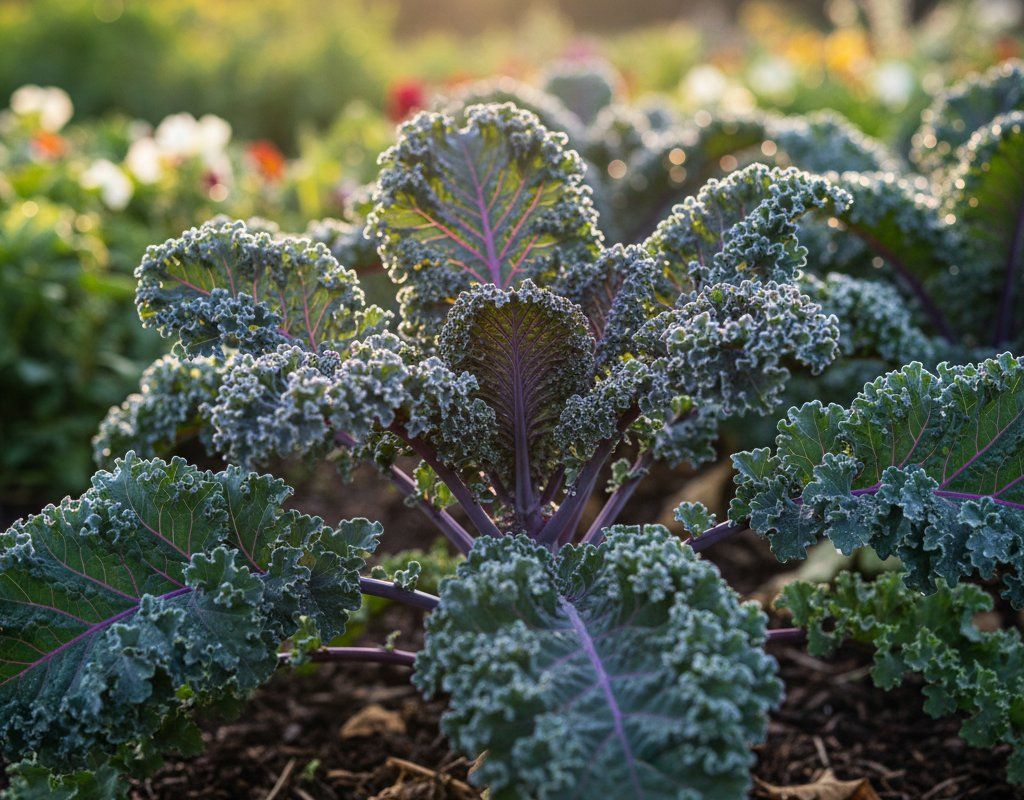
Nasturtiums are excellent companion plants in the Northeast garden. Plant them near tomatoes, cucumbers, and squash to deter pests like squash bugs and aphids. They also benefit broccoli and cabbage by attracting cabbage white butterflies away from these crops. Avoid planting Nasturtiums near fennel, as they can inhibit each other's growth.
🥬Best Vegetables to Pair With Nasturtium
Nasturtium benefits these vegetables through pest control, pollinator attraction, or improved garden health.



Get a Reminder When It's Time to Plant
We'll email you when key planting windows open for your zone.