
Onion in Zone 3B — Great Plains
Allium cepa · Your Complete 2026 Planting Guide
Last Call for Seed Starting!
Indoor seed starting window closes in 7 days.
Start Seeds This Week
Start seeds now for transplanting later.
Or Wait for Starts
If you don’t want to start seeds, starts will be available around May 6.
How to Plant Onion in Zone 3B — Great Plains
Here are all your options for getting onion in the ground, from the easiest method to more advanced approaches.
Direct Sow Seeds
RecommendedLate April through late May
around April 22
Direct sow as soon as conditions allow.
Can direct sow seeds or plant sets (small bulbs) in early spring.
Start Seeds Indoors
RecommendedMid February through mid March
around February 25
Then transplant: Early to late May
Start seeds 10-12 weeks before transplanting outdoors.
Start seeds indoors 10-12 weeks early for largest bulbs.
Buy Starts
Works WellEarly to late May
around May 6
Plant purchased starts after last frost (May 20).
Onion sets (small bulbs) are the easiest method for beginners.
Transplant Outdoors
Timing InfoEarly to late May
around May 6
Can tolerate light frost, but wait for soil to be workable.
Plan to transplant within a few weeks of your target date.
Overview
Growing onions in Zone 3B's Great Plains climate gives you one of the most satisfying root crops you can raise here. Our intense prairie sunshine and fertile soil create excellent conditions for developing those sharp, flavorful bulbs that store beautifully through our long winters. Plus, onions grown in our low-humidity climate tend to cure exceptionally well, lasting months in proper storage.
Our 118-day growing season and variable spring weather might seem challenging for a 100-day crop, but onions are remarkably hardy and actually prefer our cool spring conditions for establishing strong root systems. The key is working with our extreme temperature swings and getting them established before our hot summers arrive.
Starting Seeds Indoors
Starting onion seeds indoors gives you the largest bulb potential, though it's not the most common method here on the Plains. If you want to try it, start seeds mid-February through mid-March, about 10-12 weeks before transplanting. This timing lets you get a jump on our variable spring weather.
Set up seed trays with good potting mix and keep them warm (65-70°F) until germination. Once seedlings emerge, they need bright light and cooler conditions around 60°F. Bottom watering works best to prevent damping-off problems. The seedlings will look like thin grass blades at first.
Keep in mind that onion sets (small bulbs) are much easier for most Plains gardeners and still give excellent results. Seeds give you more variety choices, but sets are more forgiving with our unpredictable spring conditions.
Transplanting Outdoors
Plan to transplant your indoor-started seedlings from early to late May, after our last frost risk passes. The soil should be workable and not muddy from spring moisture. Onions can handle light frosts, but transplant shock combined with sudden temperature drops can set them back.
Harden off seedlings gradually over a week, starting with just a few hours outside in a protected spot. Our spring winds can be brutal on tender transplants, so choose calmer days for the transition. When planting, space them 4-6 inches apart in rows, setting them at the same depth they were growing in their containers.
Watch the weather closely during your transplanting window. A sudden hailstorm or extreme temperature swing can damage newly transplanted seedlings. Having row covers ready provides good insurance against our unpredictable late spring weather.
Direct Sowing
Direct sowing works well in the Great Plains, especially if you're using onion sets rather than seeds. Plant sets from late April through late May, timing it so the soil has warmed but you're not fighting extreme heat during establishment. Sets are more reliable than seeds in our variable spring conditions.
If you're direct sowing seeds, wait until soil temperature stays consistently above 50°F. Prepare your bed with compost worked into our prairie soil - it's usually fertile but benefits from organic matter for better drainage. Plant seeds or sets 4-6 inches apart and about 1 inch deep.
Onion sets give you the best success rate for direct planting here. They're less affected by our temperature swings and establish faster than seeds, which can struggle with our intense sun and drying winds if conditions turn harsh quickly.
Watering Onion in Zone 3B (Great Plains)
Onions need consistent moisture throughout their growing season, which can be challenging with our variable 15-35 inches of annual rainfall. They're not drought-tolerant like some Plains crops, so you'll need to supplement rainfall regularly during dry spells. Plan on about 1 inch of water per week, including rainfall.
Water deeply at the base of plants rather than overhead - our low-to-moderate humidity means less disease pressure, but focused watering is still more efficient in our windy conditions. Use the finger test: stick your finger 2 inches into the soil, and if it's dry, it's time to water. Mulch around plants helps retain moisture against our drying winds.
The critical watering period is during bulb formation in mid-summer when our temperatures hit the 90s regularly. Inconsistent watering during this time leads to smaller bulbs or splitting. However, stop watering completely when the tops begin to fall over in late summer - this signals the start of the curing process.
Signs of underwatering include stunted growth and small bulbs, while overwatering shows up as yellowing leaves and potential rot issues. In our hot, dry summers, you'll likely need to water twice weekly during peak season unless we get good rainfall.
🧪Fertilizing Onion
Feeding Schedule
Organic Fertilizer Options
Harvest Time
Your onions will be ready from late July through late September, depending on when you planted and the variety. The key harvest indicator is when the tops naturally fall over and begin yellowing - this usually happens after our hottest summer weather passes. Don't pull them until at least half the tops have fallen.
Harvest on a dry day if possible, carefully lifting bulbs with a garden fork rather than pulling by the tops. Brush off excess soil but don't wash them. Our low humidity is perfect for the curing process - lay them in a single layer in a warm, dry, well-ventilated area for 2-3 weeks until the outer skins are papery.
Since our first frost typically arrives around mid-September, keep an eye on late-season bulbs if they haven't signaled readiness by early September. You can harvest slightly early and cure them if frost threatens, though they won't store as long as fully mature bulbs.
After curing, properly stored onions from our Plains climate can last 6-8 months in a cool, dry place. Our low humidity gives us an advantage here - many Plains gardeners successfully store onions well into the following spring.
Common Problems in Zone 3B (Great Plains)
Onion Thrips These tiny, slender insects create silvery streaks and stippling on onion leaves, eventually causing them to turn white or brown. In severe infestations, you'll see the thrips themselves - tiny, pale insects that move quickly when disturbed. Our hot, dry summers create perfect conditions for thrips to multiply rapidly.
Thrips thrive in our typical Plains summer weather with low humidity and high temperatures. They're often worse during drought periods when plants are already stressed. Prevent problems by keeping plants well-watered and using reflective mulch, which confuses the insects. Beneficial insects like ladybugs help control them naturally in our low-pesticide Prairie environment.
Pink Root This fungal disease causes onion roots to turn pink, then purple, and finally black as they rot away. Affected plants show stunted growth, yellowing leaves, and poor bulb development. You'll see it most clearly when you dig up struggling plants and examine the root system.
Pink root spreads in warm, wet soil conditions and can persist in Prairie soil for years once established. Our variable rainfall patterns - from drought to sudden downpours - can stress plants and make them more susceptible. Improve drainage in heavy Prairie clay, rotate onion family crops every 3-4 years, and choose resistant varieties when available.
Bolting Onions that bolt send up tall flower stalks prematurely, shifting energy from bulb formation to seed production. The leaves become tough and bitter, and bulb development stops. You'll see the characteristic tall, hollow stem topped with a round flower head.
Bolting is triggered by our extreme temperature swings, especially cool spells followed by hot weather, or by drought stress during critical growth periods. Plant at the right time for your area - too early planting in cool soil can trigger bolting later. Keep soil consistently moist during our hot summers and choose bolt-resistant varieties suited to our day-length patterns.
Great Plains Specific Challenges: Our combination of intense summer heat, variable rainfall, and strong winds creates unique stress conditions for onions. The key is consistent watering through summer and wind protection during establishment. Our fertile Prairie soil helps, but the climate extremes mean paying close attention to timing and moisture management.
Best Companions for Onion
Plant these nearby for healthier Onion and better harvests.

Keep Away From
Companion Planting Details
Onions make excellent companions for carrots and beets in Plains gardens because their strong scent helps deter root flies and other pests that target these crops. Plant them in alternating rows or mixed plantings. Lettuce also pairs well with onions - the lettuce provides some ground shading that helps retain moisture around onion bulbs during our hot summers.
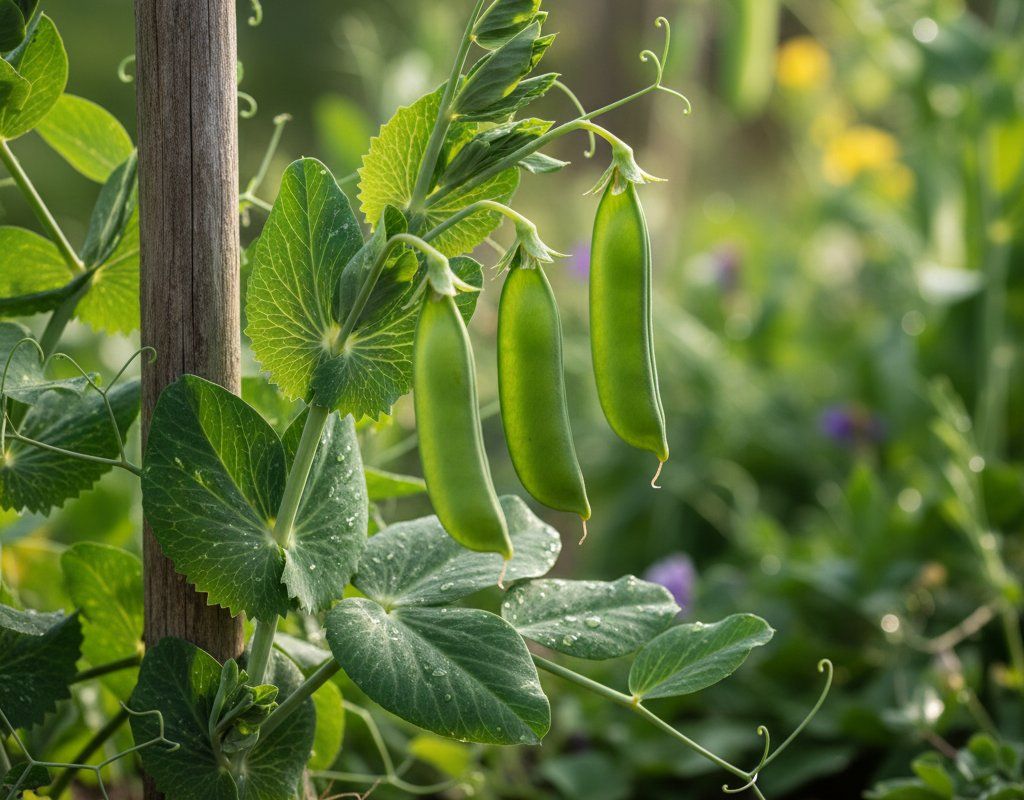
Tomatoes and onions are classic companions, with onions helping to repel aphids and other tomato pests. This works especially well in our low-humidity climate where disease pressure on both crops is reduced. However, avoid planting onions near beans or peas - they can inhibit the nitrogen-fixing bacteria that legumes depend on, and the different watering needs don't match well in our variable rainfall conditions.
🌸Best Flowers to Plant with Onion
These flowers protect your Onion from pests and attract pollinators for better harvests.
For Pest Control

For Pollinators

Get a Reminder When It's Time to Plant
We'll email you when key planting windows open for your zone.