
Onion in Zone 4A — Mountain West
Allium cepa · Your Complete 2026 Planting Guide
Last Call for Seed Starting!
Indoor seed starting window closes in 7 days.
Start Seeds This Week
Start seeds now for transplanting later.
Or Wait for Starts
If you don’t want to start seeds, starts will be available around May 6.
How to Plant Onion in Zone 4A — Mountain West
Here are all your options for getting onion in the ground, from the easiest method to more advanced approaches.
Direct Sow Seeds
RecommendedLate April through late May
around April 22
Direct sow as soon as conditions allow.
Can direct sow seeds or plant sets (small bulbs) in early spring.
Start Seeds Indoors
RecommendedMid February through mid March
around February 25
Then transplant: Early to late May
Start seeds 10-12 weeks before transplanting outdoors.
Start seeds indoors 10-12 weeks early for largest bulbs.
Buy Starts
Works WellEarly to late May
around May 6
Plant purchased starts after last frost (May 20).
Onion sets (small bulbs) are the easiest method for beginners.
Transplant Outdoors
Timing InfoEarly to late May
around May 6
Can tolerate light frost, but wait for soil to be workable.
Plan to transplant within a few weeks of your target date.
Overview
Onions are perfectly suited for our Mountain West climate, thriving in our intense sunlight and benefiting from cool nights that concentrate their flavor. These hardy bulbs appreciate our alkaline soil and dry conditions once established, giving you pungent, storage-worthy onions that far surpass anything from the store. With our short but intense growing season, you'll harvest onions with exceptional keeping quality that can last through winter.
While our 118-day growing season might seem tight for 100-day onions, the timing works beautifully if you start right. Our late spring means no rushing into cold soil, and our predictable frost dates let you plan exactly when to plant for the best bulb development before that mid-September freeze hits.
Starting Seeds Indoors
Starting onion seeds indoors makes sense if you want the largest possible bulbs or specific varieties not available as sets. Sow seeds from mid-February through mid-March, about 10 weeks before you plan to transplant outside. The timing aligns perfectly with our late mountain spring.
Set up seed trays in a warm spot (65-75°F) with good light once they germinate. Bottom watering works best for onions—they hate soggy surface conditions that can cause damping off. Keep the soil consistently moist but not waterlogged.
With our unpredictable spring weather, indoor starting gives you sturdy transplants ready to handle whatever late May throws at you. The seedlings will look like thin green shoots, much like green onions, when they're ready to transplant.
Transplanting Outdoors
Transplant your onion seedlings from early to late May, once soil temperatures consistently stay above 50°F and nighttime lows aren't dipping below 35°F regularly. Our mountain springs can be tricky, but onions handle light frost just fine once they're established.
Harden off seedlings gradually over a week, bringing them outside for longer periods each day. Space transplants 4-6 inches apart in rows—closer spacing actually helps bulbs develop better shape in our intense sun. Plant them slightly deeper than they were in their containers.
The cool nights during transplant season help onions establish strong root systems before our summer growth period kicks in. Watch for late-season hail during this vulnerable time and have row covers ready to protect new transplants.
Direct Sowing
Direct sowing onion seeds works well in our climate if you're not picky about bulb size. Sow from late April through late May when soil temperatures reach 50°F consistently. This timing lets you skip the indoor fuss while still getting a decent harvest.
Prepare your bed with compost worked into our naturally alkaline soil—onions appreciate the drainage improvement. Sow seeds about ¼ inch deep and 1 inch apart, then thin to 4-6 inches as they grow. The intense mountain sun helps with quick germination once temperatures are right.
Most mountain gardeners find onion sets (small bulbs) easier than direct seeding. Sets give you a head start and more predictable results in our short season, though your variety choices will be limited to what's locally available.
Watering Onion in Zone 4A (Mountain West)
Onions need consistent moisture through their bulb-forming stage, which is critical in our dry mountain climate with only 10-20 inches of annual rainfall. During peak growing season (June through early August), provide about 1 inch of water weekly, including any natural precipitation.
Use the finger test—check soil moisture 2 inches down rather than just looking at the surface. Our intense sun and low humidity can fool you into thinking plants need water when the root zone is still adequately moist. Water at the base rather than overhead to prevent disease issues that can develop even in our dry air.
In late summer, when the green tops start falling over and yellowing, stop watering completely. This signals the beginning of the curing process, and continued watering will only delay bulb maturation and reduce storage life. The timing usually coincides with our late August heat.
A thin layer of straw mulch helps retain soil moisture and keeps weeds down, but don't pile it thick—onions prefer some air circulation around their necks, and heavy mulch can trap too much moisture in our intense sun.
🧪Fertilizing Onion
Feeding Schedule
Organic Fertilizer Options
Harvest Time
Your first onions will be ready from late July through late September, about 100 days from planting. The key harvest indicator is when the green tops naturally fall over and begin yellowing—this happens regardless of watering at this stage.
Pull bulbs carefully on a dry day, brushing off excess soil but leaving the papery outer skin intact. Don't wash them or remove the dried tops immediately. The curing process that makes onions storage-worthy needs to happen in our warm, dry mountain air.
Cure onions in a single layer in your garage, covered porch, or any spot with good air circulation and protection from direct sun. Our low humidity is perfect for this—most onions cure completely within 2-3 weeks. You'll know they're ready when the necks are completely dry and the outer skin rustles like paper.
As our first frost approaches in mid-September, harvest any remaining bulbs regardless of size. Small onions that didn't fully mature can still be used fresh, while properly cured storage onions should keep through winter in a cool, dry place.
Common Problems in Zone 4A (Mountain West)
Onion thrips show up as tiny silvery stipples and streaks on the green tops, eventually causing them to turn brown and wither. These microscopic pests thrive in our hot, dry conditions and can seriously reduce bulb size. Spray with insecticidal soap early in the morning when thrips are most active, and consider beneficial insects like minute pirate bugs that help control them naturally.
Pink root appears as pinkish to reddish roots that eventually turn dark and rot, stunting plant growth significantly. This soil-borne fungus loves our alkaline conditions and can persist for years once established. Improve drainage with compost, rotate crops religiously, and choose resistant varieties when possible—once pink root is in your soil, prevention becomes your main tool.
Bolting happens when onions send up flower stalks prematurely, making bulbs bitter and reducing storage life dramatically. Our intense UV and temperature swings between day and night can trigger this, especially if you plant too early or choose the wrong day-length variety. Remove flower stalks immediately when you see them, choose varieties suited to our latitude, and maintain consistent watering during the heat of summer.
Mountain West Specific Challenges: Our intense high-altitude sun can stress onions into bolting, while hail can damage foliage critical for bulb development. The combination of hot days and cold nights sometimes confuses day-length sensitive varieties, making it crucial to choose varieties specifically recommended for northern latitudes.
Best Companions for Onion
Plant these nearby for healthier Onion and better harvests.

Keep Away From
Companion Planting Details
Onions make excellent companions for carrots, beets, and lettuce in our mountain gardens. Their strong scent helps deter carrot rust flies and other pests, while their upright growth doesn't compete with these lower-growing crops for light. The spacing works perfectly too—you can interplant onions between rows of these vegetables without overcrowding.
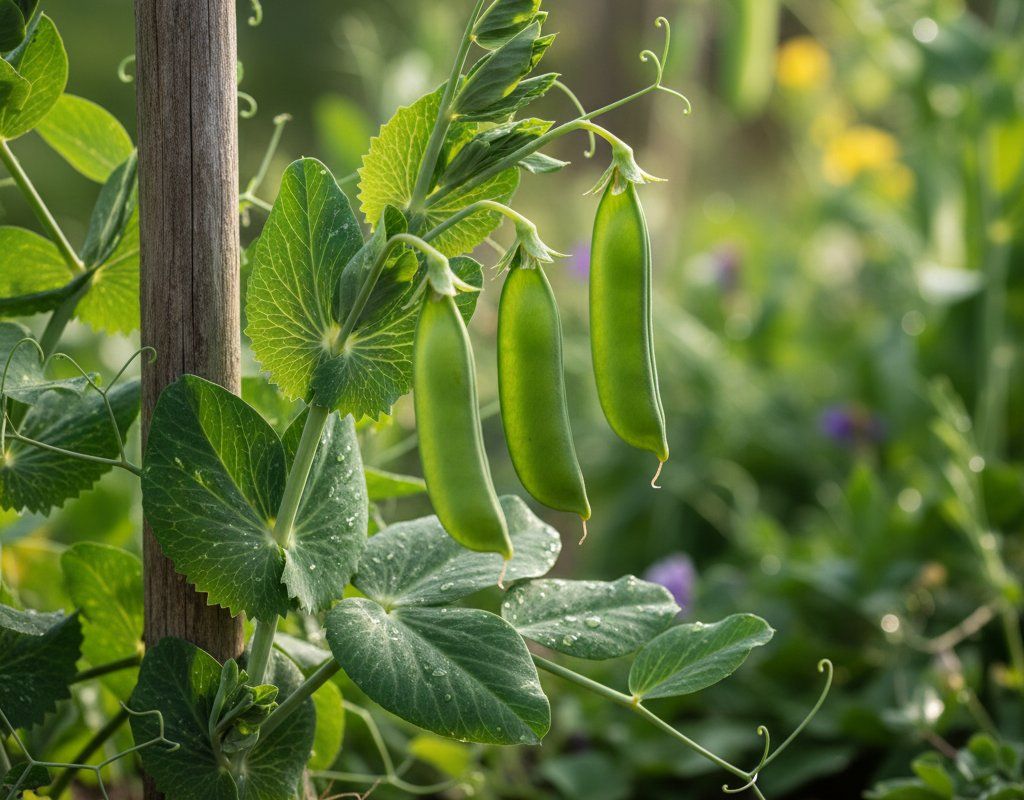
Tomatoes and onions grow well together, with onions helping repel aphids and hornworms while tomatoes provide some afternoon shade protection during our most intense UV hours. Avoid planting onions near beans or peas, though—onions can inhibit nitrogen fixation in legumes, and legumes don't appreciate the same dry conditions that onions prefer in our arid climate.
🌸Best Flowers to Plant with Onion
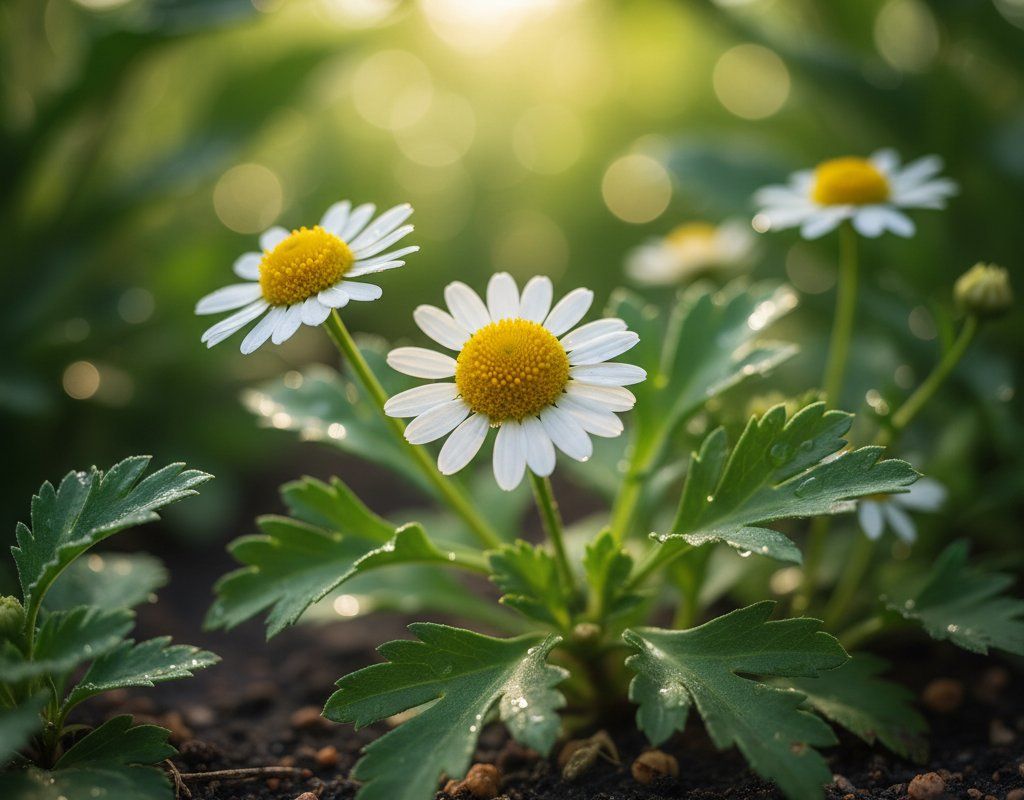
These flowers protect your Onion from pests and attract pollinators for better harvests.
For Pest Control

For Pollinators

Get a Reminder When It's Time to Plant
We'll email you when key planting windows open for your zone.