
Onion in Zone 6A — Southeast
Allium cepa · Your Complete 2026 Planting Guide
Missed Seed Starting? No Problem!
Wait for starts to become available.
What to Do
Starts will be available at nurseries in 23 days (around March 27).
How to Plant Onion in Zone 6A — Southeast
Here are all your options for getting onion in the ground, from the easiest method to more advanced approaches.
Direct Sow Seeds
RecommendedMid March through early July
around March 13
Consider succession planting every 2-3 weeks for continuous harvest.
Can direct sow seeds or plant sets (small bulbs) in early spring.
Start Seeds Indoors
RecommendedEarly to late January
around January 16
Then transplant: Late March through mid April
Start seeds 10-12 weeks before transplanting outdoors.
Start seeds indoors 10-12 weeks early for largest bulbs.
Buy Starts
Works WellLate March through mid April
around March 27
Plant purchased starts after last frost (April 10).
Onion sets (small bulbs) are the easiest method for beginners.
Transplant Outdoors
Timing InfoLate March through mid April
around March 27
Can tolerate light frost, but wait for soil to be workable.
Plan to transplant within a few weeks of your target date.
Overview
Growing onions in our Zone 6A Southeast climate gives you access to sweet, mild bulbs that store beautifully through winter — a far cry from the sharp, imported varieties at the grocery store. Our long 198-day growing season is perfect for developing those large, flavorful bulbs that make your cooking shine, whether you're caramelizing them for summer squash casseroles or using them fresh in tomato salads.
Yes, our hot and humid summers can stress onions if you don't time things right, but the key is getting them established in our moderate spring weather before the real heat hits. With proper timing, you'll harvest beautiful bulbs from late June through early November, giving you months of fresh onions plus plenty to cure for winter storage.
Starting Seeds Indoors
Starting onion seeds indoors makes sense if you want the largest possible bulbs or specific varieties not available as sets. You'll want to start seeds during early to late January, giving yourself that crucial 10-12 week head start before transplanting in our moderate spring weather.
Set up seed trays in a warm spot (65-70°F) with good light — a sunny south window works, though grow lights give more consistent results. Bottom watering works best for onion seeds since they're prone to damping off in our humid conditions. Keep the soil just barely moist, not soggy.
The main benefit of starting from seed is variety selection — you can grow storage onions, sweet varieties, or specific types for your cooking needs. However, onion sets are honestly easier for most Southeast gardeners, especially beginners dealing with our spring weather swings.
Transplanting Outdoors
Your indoor-started onion seedlings can head outside during late March through mid April, after our last frost risk passes. These transplants need about a week of hardening off — gradually increasing their outdoor time so they adjust to our variable spring temperatures and afternoon thunderstorms.
Space transplants 4-6 inches apart in rows, planting them at the same depth they were growing in their containers. Our clay soil needs good drainage for onions, so work in some compost if your soil stays soggy after spring rains. The plants look delicate but they're surprisingly tough once established.
Watch the weather during transplant season — our Southeast springs can swing from 40°F nights to 75°F days within a week. Young onions handle these fluctuations well, but they'll grow fastest with consistent moisture and protection from any late cold snaps.
Direct Sowing
Direct sowing onion seeds works well in our climate, though most Southeast gardeners find onion sets much easier. You can direct sow anytime from mid March through early July, giving you flexibility to succession plant for continuous harvests.
Prepare your soil when it's workable but not muddy — our clay soil compacts easily when wet. Sow seeds about ¼ inch deep and 4-6 inches apart, keeping the soil consistently moist until germination. In our hot summers, later sowings may struggle with heat stress unless you can provide afternoon shade.
Onion sets (small bulbs) are honestly the way to go for most Southeast gardeners. Plant them during the same window as direct seeding, spacing them 4-6 inches apart with the pointed end up. Sets establish faster and handle our weather swings better than direct-seeded plants.
Watering Onion in Zone 6A (Southeast)
Onions need consistent moisture during their early growth and bulb formation stages, but our Southeast climate requires careful water management. During spring establishment, aim for about 1 inch of water per week, including rainfall — easy to achieve with our moderate spring rains and afternoon thunderstorms.
Summer watering gets trickier in our hot and humid conditions. The finger test works well: stick your finger 2 inches into the soil near the plants. If it's dry at that depth, water deeply at the base of the plants. Overhead watering in our humidity invites fungal problems, so focus water at soil level.
Our typical summer rainfall of 45-55 inches often provides plenty of moisture, but during dry spells when temperatures hit 92°F, you'll need to supplement. Water early morning so plants dry before evening — wet foliage in our humid nights breeds disease. A thin layer of straw mulch helps retain moisture without creating soggy conditions.
Stop watering completely when the tops begin to fall over and yellow — this signals the start of bulb curing. Continued watering at this stage can cause rot or prevent proper storage. Let nature take over as the bulbs finish maturing in our warm late-summer soil.
🧪Fertilizing Onion
Feeding Schedule
Organic Fertilizer Options
Harvest Time
Your onions will be ready for harvest from late June through early November, depending on when you planted and which varieties you chose. The clear signal is when the green tops begin falling over and turning yellow — this means the bulbs have stopped growing and are starting to cure naturally.
Don't wait for all the tops to fall completely. When about half have flopped over, carefully lift the bulbs with a garden fork, brushing off soil but leaving the papery outer skin intact. Choose a dry day if possible — our afternoon thunderstorms can complicate the curing process.
Cure your harvested onions in a warm, dry, well-ventilated spot for 2-3 weeks before storing. A covered porch or garage works well in our humid climate. The tops should dry completely and the outer skin should feel papery. Properly cured onions from our Southeast gardens can store for months in a cool, dry place.
As our first frost approaches in late October, harvest any remaining onions regardless of size. Small bulbs won't store as long but make excellent cooking onions through fall and early winter.
Common Problems in Zone 6A (Southeast)
Onion Thrips These tiny, slender insects cause silvery streaks and stippling on onion leaves, eventually causing tips to brown and die back. In severe infestations, bulb development suffers significantly. Our hot summers create ideal breeding conditions for thrips, especially during dry spells when plants are already stressed. Remove affected leaves and use reflective mulch to confuse the pests. Beneficial insects like lacewings help control populations naturally.
Pink Root This fungal disease turns onion roots pink to red and eventually kills them, stunting growth and reducing bulb size. You'll notice plants looking weak and yellowed despite good care. Our humid conditions and clay soil create perfect conditions for this soil-borne fungus, especially in poorly drained areas. Improve soil drainage with compost, rotate crops yearly, and choose resistant varieties when possible. Avoid planting onions in the same spot for several years.
Bolting When onions send up flower stalks prematurely, the bulbs become smaller and the leaves turn bitter. This happens when plants experience stress from temperature swings, drought, or our intense summer heat combined with long daylight hours. Plant at the right time for our Southeast climate — too early and late cold snaps trigger bolting, too late and summer heat does the same. Keep soil consistently moist and consider shade cloth during the hottest part of summer.
Southeast Specific Challenges: Our combination of hot summers, high humidity, and heavy clay soil creates unique onion-growing challenges. The humidity encourages fungal diseases while clay soil can become waterlogged during our wet summers, leading to root problems. However, our reliable spring rains and long growing season give onions plenty of time to develop before summer stress hits.
Best Companions for Onion
Plant these nearby for healthier Onion and better harvests.

Keep Away From

Companion Planting Details
Onions make excellent companions for carrots, beets, lettuce, and tomatoes in our Southeast gardens. The onions' strong scent helps repel carrot flies and other pests, while their upright growth doesn't compete for space with low-growing crops like lettuce. Tomatoes and onions work particularly well together since both thrive in our long, warm growing season and the onions help mask the tomato scent from hornworms.
Avoid planting onions near beans and peas — these legumes can actually inhibit onion growth, and the timing doesn't work well anyway since beans and peas prefer our cooler spring and fall weather while onions need the full growing season. The different watering needs also conflict, with legumes preferring less consistent moisture than developing onion bulbs require.
🌸Best Flowers to Plant with Onion
These flowers protect your Onion from pests and attract pollinators for better harvests.
For Pest Control
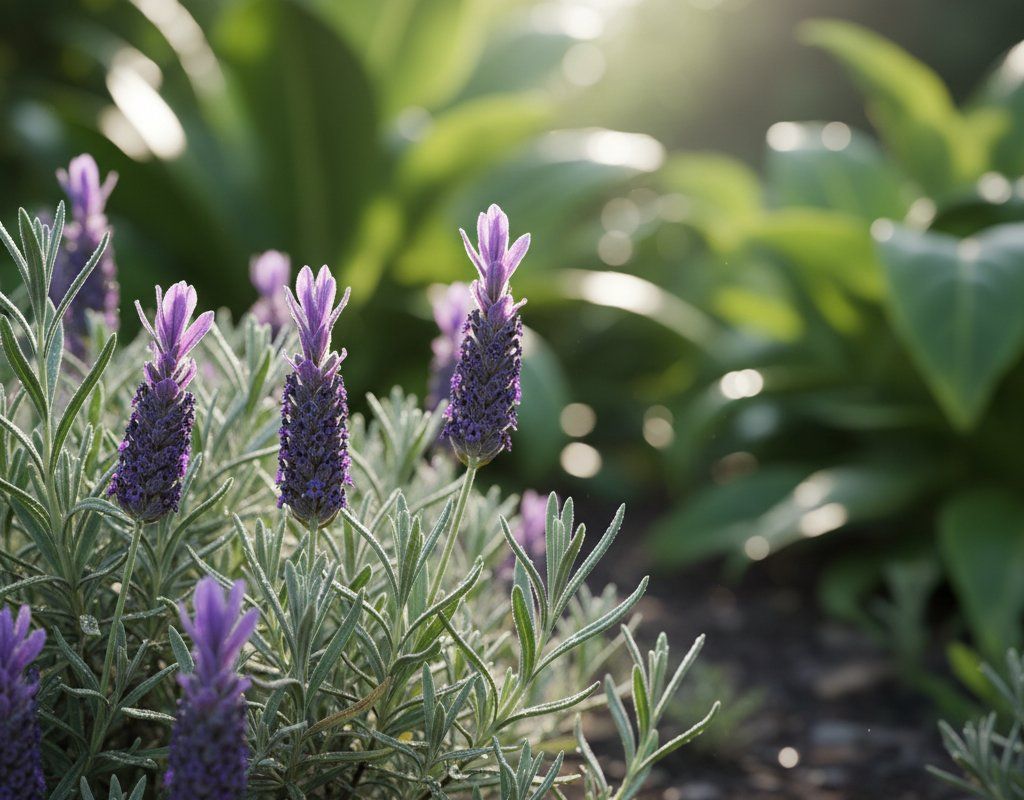
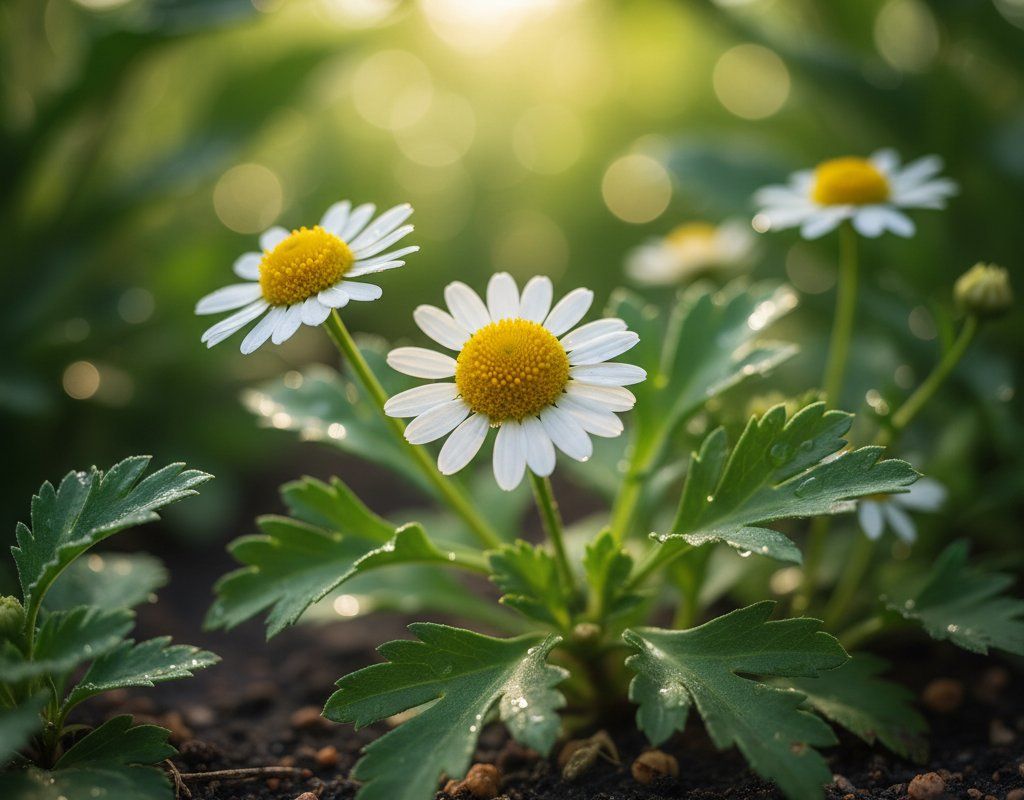
For Pollinators

Get a Reminder When It's Time to Plant
We'll email you when key planting windows open for your zone.